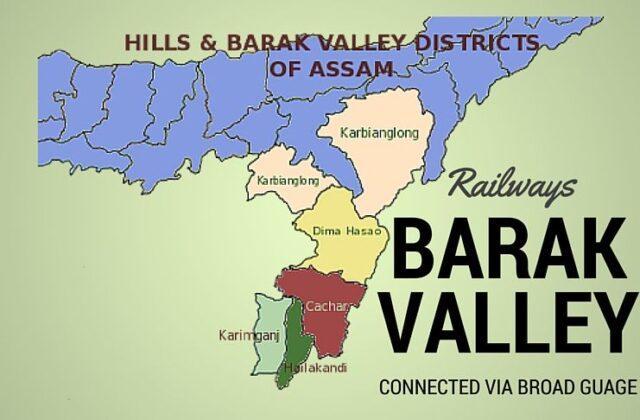
Silchar representation in Assam government has become a focal point of discussion as the Barak Democratic Front (BDF) seeks to include a legislator from the region in the upcoming Council of Ministers. With the Assam government formation set for May 12, BDF Chief Convener Pradip Dutta Roy has highlighted the historic neglect of Silchar, which has not seen an MLA in the state cabinet for over 42 years. This absence of representation raises significant concerns, especially for the Bengali community in Assam, which has been voicing its issues related to governance and development. Roy emphasizes the need for the new government to address the longstanding grievances faced by the Barak Valley, ensuring that the voices of its citizens are heard. As the second-largest city in Assam, Silchar’s inclusion in the cabinet is critical not only for representation but also for addressing regional disparities in government job opportunities and socio-economic development.
The plight of Silchar in the political landscape of Assam has garnered significant attention, particularly as constituents advocate for proper representation in governance. A call from the Barak Democratic Front underscores the historical marginalization of Silchar by past administrations, emphasizing the necessity of inclusion in key decision-making roles. The voices of the local Bengali populace resonate strongly as they seek acknowledgment of their challenges and aspirations within the broader framework of Assam’s governance. With discussions around the formation of the state cabinet intensifying, the urgency for Silchar’s MLA to play an active role is palpable. This situation reflects a broader narrative of representation and equity as it pertains to the interests of diverse communities across Assam.
Silchar Representation in Assam Government: A Long-Standing Need
The Barak Democratic Front (BDF) has firmly advocated for the inclusion of a representative from Silchar in the new Council of Ministers of Assam, as the state’s government prepares for its formation on May 12. This call for representation is a resolute plea after decades of neglect, which has seen no Members of the Legislative Assembly (MLAs) from Silchar holding a ministerial position for 42 years. The BDF Chief Convener, Pradip Dutta Roy, illuminated this glaring oversight, emphasizing that historically, Silchar, being the second-largest city in Assam by population, deserves a voice in the cabinet. By elevating someone from Silchar to this critical role, the government would not only rectify historical imbalances but also acknowledge the vibrant community and rich cultural tapestry of the Barak Valley region, which has remained injustly overlooked in the past.
In his discourse, Pradip Dutta Roy reminisced about the last Silchar minister, Jagdish Choudhury, who served in 1983, drawing attention to the repetitive cycle where neither the Congress, AGP, nor BJP governments acknowledged the needs of this significant area. The absence of Silchar’s representation translates into a disconnection from the governance process that often overlooks regional issues, especially those that affect the Bengali community in Assam. The call for including a Silchar MLA is thus more than just a political move; it’s a demand for rightful acknowledgment, striving for a fair share of representation and addressing crucial regional issues such as job opportunities, education, and healthcare disparities that continue to affect the local populace.
Addressing Barak Valley Issues: The BDF’s Vision
The Barak Democratic Front’s recent calls for including a legislator from Silchar in the new Assam government encapsulate a deeper need to address the pressing issues in the Barak Valley. The region has long been on the sidelines concerning essential services and developmental projects, and the BDF believes that having a representative from Silchar in the cabinet could significantly alter the course of governance in favor of local needs. The BDF’s demand is not just about political representation; it reflects the community’s aspirations for better handling of the socio-economic challenges that plague the Barak Valley. Pradip Dutta Roy has argued that the neglect of Silchar in cabinet formations contributes to the region’s persistent socio-economic issues, and that empowerment through representation could lead to substantial improvements.
In addition to advocating for cabinet representation, Pradip Dutta Roy has also shed light on other vital issues the community faces, including the wrongful classification of Assamese Bengalis as ‘D-voters’, delays in resolving citizenship verification related to the National Register of Citizens (NRC), and the lack of employment opportunities for youth. The BDF’s efforts align with a broader vision of establishing stability and growth in the Barak Valley. Moreover, they underline the pressing requirement for the Assam government to engage with the local populace more meaningfully and responsively, ensuring that policies reflect the real needs and concerns of the nearly 9 million Bengalis residing in the region.
Empowering the Bengali Community in Assam
The demands of the Barak Democratic Front also resonate with a larger movement aimed at empowering the Bengali community in Assam. As Pradip Dutta Roy highlighted, the government’s approach towards the Bengali populace, particularly in the Barak Valley, has often lacked the urgency it deserves, leading to frustration among residents. The BDF’s push for a Silchar legislator in the governmental setup emphasizes the need for political representation that not only reflects the demographic composition of Assam but also actively champions the rights and needs of the Bengali community. Representation is seen as a pivotal step towards fostering a sense of belonging and ensuring that the community’s interests are prioritized in state policies.
Furthermore, the BDF’s focus on the overarching challenges, from job scarcity to educational opportunities for Bengali youth, highlights a systemic issue that has persisted for generations. Roy’s remarks about the inequity in government jobs for Bengalis in the Barak Valley express a demand for accountability and action from the newly formed government. By making representation a central theme, the BDF seeks not only to rectify past oversights but also to encourage a new governance narrative that values inclusivity, equity, and development for all communities in Assam, particularly those who have historically been marginalized.
The Role of Pradip Dutta Roy in Assam Politics
Pradip Dutta Roy stands out as a significant figure in the political landscape of Assam, especially concerning the representation of the Barak Valley. As the Chief Convener of the Barak Democratic Front, he has been an outspoken advocate for issues affecting the local Bengali community, advocating strongly for their interests in the state assembly. His recent push for a Silchar MLA’s inclusion in the new government is not just a strategic political move, but also a manifestation of his commitment to ensuring that the voices of the Barak Valley are heard and addressed at the ministerial level. Dutta Roy’s persistence is a reflection of the community’s long-held grievances and can be seen as a rallying point for many who have felt overlooked in the political discourse of Assam.
Roy’s leadership is pivotal, particularly as he maps out the challenges facing the Barak Valley, such as economic marginalization and the ongoing issues surrounding citizenship verification for the Bengali population. His strategic emphasis on representation stems from the belief that political empowerment can lead to significant changes in policies affecting the community’s welfare. By positioning himself at the forefront of this movement, Pradip Dutta Roy is not only seeking to enhance governance for the Barak Valley but is also forging a path toward a more inclusive and equitable approach to Assam’s political landscape.
Historical Context of Silchar’s Political Representation
The history of political representation from Silchar in Assam resembles a tale of persistent neglect, particularly in terms of ministerial appointments. Pradip Dutta Roy’s assertion that no MLA from Silchar has been part of the cabinet for the last four decades underscores a troubling trend that not only shows a lack of political will but raises serious questions about the equitable treatment of various regions within the state. This absence of representation has fostered a sense of disenfranchisement among residents and reflects broader systemic issues regarding regional politics in Assam. Historically, important figures from Silchar, including those from the BJP, have risen to prominence yet have not translated their electoral victories into ministerial influence, leaving the community’s aspirations unfulfilled.
This historical oversight starkly contrasts with the reality of Silchar’s demographic and cultural significance. As the second-largest city in Assam, it is crucial for the government to prioritize its representation in the Council of Ministers. With its rich heritage and diverse population, including a substantial Bengali community, Silchar’s exclusion from decision-making circles over the decades has led to developmental deficits. The BDF’s current push for representation aims to rectify this historical injustice, ensuring that future governance includes the voices of those who have been traditionally marginalized. It signals a shift towards recognizing the need for inclusive representation in Assam’s political framework, paving the way for a more equitable governance structure.
Future Prospects for the Barak Valley Post-Government Formation
With the formation of the new Assam government on the horizon, there is a palpable sense of anticipation in the Barak Valley regarding potential changes that could benefit Silchar and its residents. The BDF’s push for a silchar representative aims not just to secure a cabinet position; it also symbolizes hope for substantial discussions around the improvement of infrastructure, education, and job creation. Given that Silchar is a vital economic hub in the region, governmental focus on these areas could be transformative, addressing long-standing issues that have plagued the community for decades. The infusion of local representation is anticipated to catalyze proactive measures that will enhance both the socio-economic climate and the overall quality of life in the Barak Valley.
Moreover, the integration of local voices into the decision-making processes of the Assam government could bring forth innovative solutions tailored to the unique challenges of the Barak Valley. The BDF, by advocating for local representation, is essentially campaigning for a future where policies are actively aligned with community needs—particularly those affecting the Bengali populace. If successful, this representation could not only address immediate concerns but also foster a culture of participatory governance where residents feel empowered to engage with their leaders. Such a shift could ultimately lead to a more dynamic and equitable Assam, where all communities, including the Bengali-speaking population, thrive alongside others.
Challenges Faced by the Bengali Community in Assam
The challenges facing the Bengali community in Assam are multifaceted, stretching from citizenship issues to socio-economic disparities. Pradip Dutta Roy has pointed out that many Assamese Bengalis are still classified as ‘D-voters’, impacting their ability to access essential services and participate fully in civic life. This classification has created a climate of uncertainty among community members, where their legal status remains precarious, leaving them vulnerable to discrimination and exclusion from governmental resources. Addressing this challenge is crucial to ensure the rights of the Bengali community are respected and upheld within Assam’s political structure.
Additionally, the lack of adequate job opportunities for the Bengali youth in Assam’s job market further complicates their existence. Many young people from this community are struggling to find employment, which contributes to rising discontent and a sense of marginalization. Synonymous with a lack of governmental attention, this challenge necessitates committed action from the new administration to create job opportunities and foster an inclusive environment that encourages economic participation. By highlighting these issues, Pradip Dutta Roy and the BDF strive to encourage the Assam government to take advantage of the pending government formation to engage meaningfully with the Bengali community’s concerns and work towards resolving these pressing challenges.
The Demand for Development and Industrialization in Barak Valley
The call for inclusion of a Silchar legislator in the Cabinet is intertwined with broader demands for development and industrialization in the Barak Valley, as articulated by Pradip Dutta Roy and the BDF. The region has immense potential for growth; however, historical neglect has stifled its progress. Roy pointed out that while similar promises of development and industrialization have been echoed in West Bengal by the BJP, the same should be extended to the Barak Valley to uplift nearly 9 million Bengalis who reside there. The BDF’s push is not merely about political representation but creating a conducive environment for sustainable growth, education, and opportunity in the region.
The implications of such development cannot be understated; they encompass improvements in local infrastructure, healthcare, and educational opportunities, which are crucial for enhancing the quality of life for the residents. With the potential for Silchar to emerge as a key economic hub, the engagement of local representatives in the government could result in policies that prioritize the needs of the Barak Valley, driving initiatives that can lead to significant industrial growth. The BDF envisions a collaborative effort with the Assam government to harness local resources and talents, paving the way for a prosperous future for the community.
Frequently Asked Questions
What is the significance of Silchar’s representation in the Assam government?
Silchar’s representation in the Assam government is crucial because it has been over 42 years since an MLA from Silchar was included in the state cabinet. This lack of representation affects the development and acknowledgment of long-standing issues faced by the Barak Valley and the Bengali community in Assam. BDF Chief Convener Pradip Dutta Roy has emphasized that including a Silchar MLA in the new Council of Ministers would be a step towards addressing these concerns and ensuring that the voices of nearly 9 million Bengalis in Assam are heard.
| Key Points | Details |
|---|---|
| Request for Silchar MLA | BDF demands the inclusion of a legislator from Silchar in the new Council of Ministers. |
| Historical Context | No MLA from Silchar has been a part of the cabinet for 42 years; Jagdish Choudhury was the last minister in 1983. |
| BDF Chief Convener’s Statement | Pradip Dutta Roy emphasized the need for representation and early congratulated the new government. |
| Demands for Development | Focus on addressing issues for nearly 9 million Bengalis in Assam and resolving citizenship issues. |
| Concerns Raised | Issues regarding job opportunities for Bengali youth and low representation in government jobs. |
Summary
Silchar representation in Assam government is a crucial issue that has been overlooked for decades. The Barak Democratic Front (BDF) has highlighted the absence of any MLA from Silchar in the state cabinet for 42 years, emphasizing the need for local representation in governance. Chief Convener, Pradip Dutta Roy, raised important concerns regarding historical neglect and the socio-economic challenges faced by the Bengali community, urging the newly formed Assam government to address these long-standing issues. This demand is not only about political representation but also a call for equitable development across the state, ensuring that the voices of the Barak Valley and its people are heard. The lack of representation and the myriad of concerns, including job creation and citizenship issues, indicate a pressing need for the new government to prioritize the interests of Silchar and its constituents.