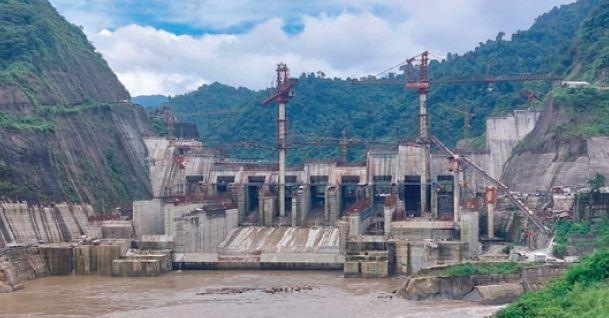
The Subansiri Lower Hydroelectric Project stands as a revolutionary pillar in the realm of Arunachal Pradesh hydropower, marking a significant leap towards clean energy India. With the recent commissioning of its fourth 250 MW unit by NHPC, this monumental project now achieves a total operational capacity of 1,000 MW, contributing power to urban and rural sectors alike. This initiative emphasizes the commitment to sustainable energy production while enhancing energy security Northeast by tapping into renewable energy sources. The NHPC Subansiri Project not only aims to fulfill the growing energy demands but also to position India as a leader in renewable energy projects on a global scale. As this project progresses towards its full capacity of 2,000 MW, it symbolizes a transformation towards greener energy for the benefit of future generations.
In the vibrant landscape of hydroelectric development, the Subansiri Lower Hydroelectric Project emerges as a crown jewel. Often referred to as a key catalyst for renewable energy advancements, this initiative underscores Arunachal Pradesh’s commitment to harnessing its natural resources for sustainable power generation. Furthermore, the enhancements it brings to energy availability are vital for the socio-economic upliftment within the region. As this expansive project unfolds along the river that shares boundaries with Assam, the collaborative efforts involved demonstrate a focus on achieving energy independence, ensuring a resilient future. This bold venture not only addresses immediate energy needs but also aligns with India’s broader objectives of clean and reliable energy production.
Subansiri Lower Hydroelectric Project: A Landmark Achievement
The Subansiri Lower Hydroelectric Project, managed by NHPC, stands as a monumental achievement in India’s renewable energy landscape. With its total capacity reaching 1,000 MW following the commissioning of the fourth 250 MW unit, this project is pivotal not only for Arunachal Pradesh but for the entire nation. This hydroelectric project is designed to eventually expand to a full capacity of 2,000 MW, comprising a total of eight generating units, marking it as the largest of its kind in India. The successful progression of this project underscores the nation’s commitment towards harnessing clean energy resources and fostering sustainable development in line with global renewable energy standards.
In addition to its capacity, the Subansiri Lower Hydroelectric Project has also indicated significant improvements in energy security for the Northeast region of India. The project is anticipated to alleviate power shortages and foster economic growth through enhanced electricity availability. The local population stands to benefit greatly, as this clean energy solution aligns with government goals to promote self-reliance and sustainable practices. The ongoing efforts in this mega project mirror India’s strategy to advance its renewable energy portfolio and highlight the instrumental role of hydropower in achieving energy independence.
Deputy Chief Minister Chowna Mein has highlighted the importance of this project in India’s mission for clean energy. He has praised the dedicated teams for their relentless efforts in overcoming challenges and ensuring steady progress, which is crucial for community support and environmental integrity. The Subansiri Lower Hydroelectric Project holds the potential to establish Arunachal Pradesh as a hub for renewable energy initiatives, empowering local stakeholders and contributing to the broader vision of clean energy across India. This commitment to renewable energy projects will further enhance the state’s image on a national scale, drawing attention to its rich hydropower resources and strategic geographical location.
As the project nears its completion, it is projected to play a critical role in stabilizing the electrical grid in the Northeast, particularly in areas prone to energy shortages. This aligns with the government’s endeavors to bolster the region’s energy security, ensuring that populations have reliable access to power. Furthermore, the successful commissioning of this project serves as a benchmark for future renewable energy undertakings within India, paving the way for innovative approaches and advanced technologies in hydropower.
Impact of Renewable Energy on Energy Security in Northeast India
The successful implementation of renewable energy projects such as the Subansiri Lower Hydroelectric Project brings forth substantial advancements in energy security, particularly for the Northeast region of India. As regions like Arunachal Pradesh harness their hydropower potential, they move towards providing stable, reliable electricity that can significantly reduce dependency on non-renewable resources. This shift aligns with national objectives to promote clean energy, showcasing how sustainable solutions can effectively replace traditional energy generation methods while significantly contributing to environmental conservation. The vitality of energy security cannot be overstated; it serves as the backbone for economic stability and growth in underdeveloped regions, making the Subansiri project a critical investment for the local populace.
Moreover, these renewable energy projects not only ensure consistent electricity supply but also catalyze socio-economic development by creating job opportunities and enhancing quality of life. The labour-intensive nature of hydropower projects results in direct employment during construction and operational phases, providing a substantial economic boost to local communities. As more projects come online, such as the planned further expansions of the Subansiri scheme, comprehensive energy strategies can drive advancements in infrastructure, healthcare, education, and overall community resilience in the face of environmental challenges.
Incorporating clean energy solutions is essential for the growth trajectory of the Northeast, which has historically faced challenges related to energy accessibility and resource allocation. The Subansiri Lower Hydroelectric Project epitomizes how renewable projects can provide efficient, clean energy while addressing local needs and fostering international standards. The initiative encourages regional collaboration and investments in infrastructure, solidifying a more interconnected energy framework that enhances overall resilience against fluctuations in energy availability. Strategies focusing on hydropower not only promise immediate benefits in terms of energy supply improvements but also contribute to long-term climate goals by reducing the overall carbon footprint of energy generation.
Ultimately, the focus on developing robust renewable energy projects like the Subansiri lower scheme is indicative of a larger vision for a sustainable future, ensuring that the citizens of Northeast India are empowered with clean, affordable, and reliable energy. This pivotal shift towards hydropower is a reflection of a proactive approach to ecological conservation and energy self-sufficiency, reaffirming the government’s commitment to nurturing clean energy in India.
The Role of NHPC in Advancing India’s Hydropower Objectives
NHPC has been at the forefront of advancing India’s hydropower agendas, and the Subansiri Lower Hydroelectric Project epitomizes their dedication to achieving ambitious renewable energy goals. With significant milestones achieved, including the commissioning of the fourth generating unit, NHPC’s methodologies exemplify the integration of innovative techniques and technological excellence. Their technological investments and skilled workforce demonstrate that such projects can triumph despite facing environmental and social challenges. As a result, NHPC has positioned itself as a key player not only in the Northeast but across the country in facilitating the shift towards sustainable energy solutions that promote community welfare and national security.
The efficiency and sustainability of NHPC’s operations reflect its commitment to enhancing India’s energy framework, making notable strides in establishing a more sustainable energy matrix. Investment in infrastructure development and adherence to international environmental standards enriches NHPC’s projects, securing a model for future renewable energy endeavors across the country. This adherence to sustainability practices assures stakeholders that the initiatives undertaken are viable and beneficial for current and future generations.
Furthermore, NHPC’s ongoing projects, particularly the Subansiri initiative, signal a significant acknowledgment of the integral role that renewable energy sources play in energy security. By leveraging the region’s natural hydropower potential, NHPC not only fulfills regional energy demands but also contributes towards reducing carbon emissions, promoting climate mitigation strategies. The attention to local ecosystems and engagements with communities in shaping these projects enable NHPC to tailor its operations to maximize benefits while minimizing adverse impacts.
Such comprehensive approaches not only address immediate energy challenges but also set foundations for long-term economic and environmental resilience, reinforcing NHPC’s leadership in the hydropower sector. Overall, NHPC’s role transcends mere energy production; it exemplifies a holistic vision of integrating sustainable energy practices that align with national interests and commitments towards climate change adaptation.
Challenges Faced During the Subansiri Project’s Development
The journey of the Subansiri Lower Hydroelectric Project has not been without its challenges. Initially, the project faced considerable delays primarily due to social protests and environmental concerns raised by local communities and activists. These issues highlighted the complex interplay between development objectives and environmental sustainability, which necessitated thorough discussions and comprehensive planning before construction could resume in 2019. NHPC’s management and regulatory bodies had to engage in extensive consultations with stakeholders to ensure that the project progressed with due diligence, addressing these concerns responsibly. Despite these challenges, the team’s persistent efforts in negotiation and transparency have allowed the project to gain momentum and advance toward completion.
Addressing these social and environmental factors is critical to ensure community acceptance and that the project aligns with sustainable development principles. As a result, NHPC has devoted significant resources towards environmental management practices and community engagement efforts. Building trust within the affected localities is essential for successful project execution and underlines the importance of collaboration in the renewable energy sector.
Additional engineering challenges also emerged throughout the development of the Subansiri Lower Hydroelectric Project. The installation of sophisticated technology, such as India’s heaviest hydro rotor, is not only a testament to NHPC’s engineering capabilities but also indicative of the project’s groundbreaking nature. The complex logistics involved in transporting and erecting such large and heavy components highlight the intricacies of modern hydropower projects. Engineers and project managers continually adapted strategies to overcome these hurdles, reflecting not just their technical acumen but their commitment to innovation.
Navigating through these hurdles has bestowed the project team with invaluable experience that will benefit future hydropower ventures across India. As the Subansiri project draws closer to completion, it stands as a model for addressing both the social complexities and technical intricacies involved in sustainable energy developments, serving as a blueprint for aspiring projects in the years to come.
Significance of Clean Energy Initiatives in Future Development
The emphasis on clean energy initiatives is paramount for the sustainable future of India, particularly in the context of rapidly escalating energy demands. The Subansiri Lower Hydroelectric Project is emblematic of how renewable energy sources can significantly contribute to meeting these demands while enhancing energy security and environmental stewardship. By prioritizing projects such as these, India is not only addressing immediate power needs but is also taking bold steps towards fulfilling its commitments under international climate agreements to reduce greenhouse gas emissions. The broader adoption of clean energy sources is critical for ensuring that future generations inherit a balanced approach to resource utilization and environmental conservation.
Moreover, these clean energy initiatives foster economic opportunities through job creation, skill development, and technological advancements. By investing in projects like the Subansiri, future infrastructure developments are likely to be shaped around sustainable practices, encouraging innovations that promote environmental integrity. The multifaceted benefits of clean energy projects extend beyond mere resource availability and stimulate socio-economic development, directly impacting living standards in the region.
As discussions around climate change become an increasing global concern, India’s focus on renewable energy sources, including hydropower, is crucial. The ongoing transformation towards a sustainable energy future calls for not just robust investments in existing projects but also in the exploration of new technologies and innovations that can further bolster the clean energy grid. Projects like the Subansiri Lower Hydroelectric Project serve as vital stepping stones in establishing a resilient energy framework that supports economic growth while ensuring ecological sustainability. The collaborative efforts between government and communities are essential to ensure that future developmental trajectories are aligned with clean energy and environmental stewardship principles.
To encapsulate, the integrative approach of sustainable energy initiatives is not merely a trend; it’s an essential pivot towards establishing a balanced ecosystem where energy needs are met without compromising our environmental integrity. The legacy of projects such as the Subansiri should inspire future generations to continue prioritizing clean energy for a harmonious coexistence with nature.
Frequently Asked Questions
What is the significance of the Subansiri Lower Hydroelectric Project for clean energy in India?
The Subansiri Lower Hydroelectric Project is crucial for India’s clean energy initiatives as it generates renewable energy from hydropower, contributing significantly to the country’s energy security—especially in the Northeast region. With a total operational capacity of 1,000 MW from four commissioned units, the project aims to enhance India’s renewable energy capacity and promote sustainable development.
| Key Point | Details |
|---|---|
| Successful Commissioning | The fourth 250 MW unit of the Subansiri Lower Hydroelectric Project has been successfully commissioned, increasing the total operational capacity to 1,000 MW. |
| Significance | This project represents a crucial milestone in India’s quest for clean and sustainable energy production. |
| Leadership | Arunachal Pradesh Deputy Chief Minister Chowna Mein commended the efforts of NHPC and all stakeholders for their dedication. |
| Future Prospects | The project is designed to have a total capacity of 2,000 MW with four additional units to be commissioned by 2026, enhancing energy security in Northeast India. |
| History of Delays | Construction faced significant delays due to environmental and social concerns until resuming in 2019, but it has recently achieved key milestones in engineering. |
Summary
The Subansiri Lower Hydroelectric Project is a landmark initiative aimed at bolstering India’s renewable energy capacity and enhancing energy security in the Northeast region. This ambitious project, developed by NHPC, has reached a significant milestone with the commissioning of the fourth 250 MW unit, elevating its total operational capacity to 1,000 MW. With a planned capacity of 2,000 MW upon completion, comprising eight units of 250 MW each, this hydroelectric plant is set to play a transformative role in providing clean and sustainable energy. Despite facing years of environmental and social hurdles, the project has resumed progress and is on track for further commissioning by 2026, promising to also improve power availability in the region. The commitment and collaboration of the countless engineers and workers behind this project highlight India’s determination to pursue a self-reliant energy future.