

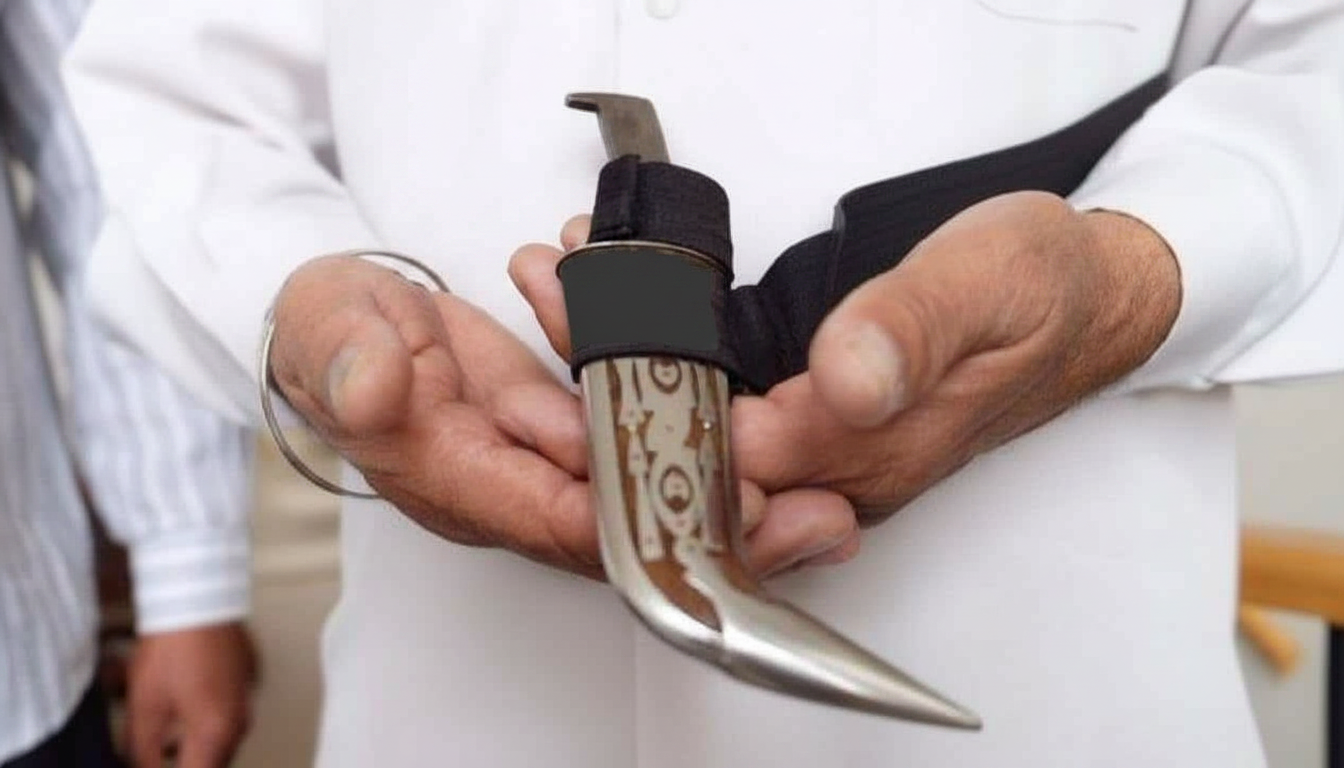
The recent debate surrounding the Sikhs kirpan legal exemption has sparked significant controversy in public discourse. This exemption allows members of the Sikh community to carry kirpans, which are ceremonial daggers integral to their religious beliefs. As calls for changes in kirpan laws escalate, particularly with Reform UK advocating for repeal, the implications for public carry laws are profound. The Sikh community is grappling with the potential restrictions on their religious practices, making this a pressing topic of discussion. Stay updated on the latest developments in Sikh community news as this situation evolves and continues to unfold.
The ongoing issue concerning the legal allowance for Sikhs to bear kirpans in public spaces highlights a clash between cultural practices and societal norms. The kirpan, a symbol of faith and a tool of self-defense, is under scrutiny as political movements seek to redefine its acceptance. This debate reflects broader themes of religious freedom and integration, presenting questions on how societies accommodate diverse beliefs. As the challenge to the kirpan exemption intensifies, the Sikh community faces critical decisions regarding their identity in contemporary Britain. By examining territories like the Reform UK kirpan repeal initiative, we can better understand the complexities surrounding this vital aspect of Sikh heritage.
Legal Exemption for Sikhs Carrying Kirpans: A Controversial Topic
The legal exemption allowing Sikhs to carry kirpans has long been a point of contention within the UK and broader public discourse. The kirpan, a ceremonial dagger, is an essential aspect of Sikh religious beliefs, symbolizing the duty to protect and uphold justice. However, recent developments, particularly a pledge by Reform UK to repeal this exemption following a significant murder conviction, have sparked a heated debate. Many within the Sikh community view this as a direct attack on their religious practices, raising concerns over the implications for religious freedom and the secular understanding of public carry laws.
Supporters of the kirpan exemption argue that it is crucial for maintaining the integrity of Sikh traditions and honoring their values. The kirpan is not merely a weapon; it is a sacred object representing spirituality and the commitment to social justice. Consequently, the discourse surrounding kirpan laws must navigate the fine line between ensuring public safety and respecting religious rights. Sikhs have historically faced challenges in practicing their faith freely, and any attempts to amend the legal protection surrounding kirpans could open up further legal and societal challenges for the Sikh community.
Reform UK’s Position on Kirpan Exemption and Implications for Sikhs
Reform UK’s stance on the kirpan exemption is rooted in public safety concerns, particularly in light of recent violent incidents. Advocates for the repeal argue that allowing individuals to carry what can be seen as a weapon may exacerbate instances of violence. This approach, however, has triggered backlash from the Sikh community, which emphasizes that the kirpan is deeply symbolic and that its significance is often misunderstood by those outside the faith. The recent headlines regarding murder convictions have intensified scrutiny, leading to calls for more balanced approaches that don’t compromise religious freedoms.
Furthermore, the potential repeal of the kirpan exemption raises questions about wider implications for minority communities in the UK. As headlines in Sikh community news illustrate, this conflict invites dialogue on the intersection of faith and public life. Ultimately, the discourse must shift towards finding a solution that maintains public safety while respecting the ethos of Sikhism and other faiths. Continued advocacy and education about the cultural significance of the kirpan may play a critical role in bridging the gap between reformers and traditionalists in the ongoing legal debate.
Navigating Public Carry Laws: The Case of the Kirpan
Public carry laws vary significantly across jurisdictions, and the case of the kirpan presents a unique challenge for policymakers. These laws govern what can be carried in public spaces, often with the intent of protecting community safety. However, applying a blanket approach to weapons can fail to consider the complexities surrounding cultural and religious symbols like the kirpan. Advocates argue that such policies should incorporate a nuanced understanding that differentiates between a weapon and a religious artifact, emphasizing the importance of multiculturalism in legal practices.
Moreover, as public carry laws are debated in the context of the kirpan, the need for community engagement becomes more evident. Input from different cultural and religious groups is essential to create regulations that reflect the diverse fabric of society. As discussions surrounding kirpan laws intensify, there is an opportunity for dialogue between lawmakers and the Sikh community to explore alternative measures, such as stricter guidelines for kirpan carrying, rather than an outright repeal. Such discussions will not only help protect religious freedoms but also enhance understanding of Sikh traditions in broader societal contexts.
Impact of Recent Events on Sikh Community Perceptions of Legal Protections
Recent events surrounding the legal exemption for carrying kirpans have significantly impacted how Sikhs perceive their legal protections in the UK. The debate initiated by Reform UK’s pledge highlights a larger concern among Sikhs about their ability to practice their faith openly and without restrictions. Feeling targeted by potential changes in legislation has fostered a sense of unease within the community regarding their identity and the freedoms they currently enjoy. Increased media attention on these issues has also led to greater awareness among the general public about Sikh religious beliefs.
In light of these events, many Sikhs are mobilizing to reaffirm their position in the public discourse, advocating for continued recognition of their faith-based practices. Community leaders and organizations have begun to engage more actively with lawmakers, emphasizing the need for policies that respect and protect religious customs while maintaining public safety. This proactive approach aims to counter potential negative stereotypes associated with kirpans and educate the public about the cultural significance of this sacred item.
The Role of Sikh Community Organizations in Advocacy Efforts
Sikh community organizations play a crucial role in advocating for the rights of Sikhs to carry kirpans and preserving their cultural heritage. These organizations have mobilized at local and national levels, focusing on policy advocacy, public education, and community building to navigate the complexities surrounding kirpan laws. Their efforts often include outreach programs that educate the broader public about Sikh religious beliefs, tradition, and the importance of the kirpan as a symbol of faith, helping to dispel myths and misunderstandings.
Additionally, these organizations are vital in fostering dialogue between the Sikh community and governmental bodies, ensuring that the voices of those affected by proposed policy changes are heard. By engaging in meaningful conversations with lawmakers, Sikh organizations advocate for a balanced approach to legislation—one that upholds public safety while protecting the rights of Sikhs to practice their faith. As the debate continues, the importance of these advocacy efforts will become increasingly clear, as they work to foster a society that honors both cultural diversity and legal responsibility.
Public Perception and the Future of Kirpan Legislation
Public perception of kirpan legislation is shaped by a blend of cultural understanding and current societal dynamics. As incidents of violence often dominate headlines, there is a tendency for the public to view such symbols through a lens of caution rather than appreciation. This misalignment can lead to calls for stricter regulations that overlook the spiritual significance of the kirpan to the Sikh community. The challenge lies in re-educating the public about the kirpan’s role as a religious object rather than merely a weapon, highlighting its ties to peace and justice in Sikh teachings.
Moving forward, there’s an urgent need for collaborative efforts to reshape public discourse around kirpans and their legal status. Engaging with diverse voices, including those from the Sikh community, will be essential to create a more informed public. Advocates must provide clear, factual information that contextualizes the kirpan within Sikh culture, thereby fostering a supportive environment that understands and respects its significance. The potential outcome of such efforts will not only influence the future of kirpan legislation but also help in building greater interfaith understanding and solidarity.
Frequently Asked Questions
What is the legal exemption for Sikhs to carry kirpans in public?
The legal exemption for Sikhs to carry kirpans in public is rooted in Sikh religious beliefs which recognize the kirpan as a symbol of faith and a tool of protection. This exemption allows practicing Sikhs to carry a kirpan as part of their religious attire without violating public carry laws. However, recent discussions, particularly by the Reform UK party advocating for kirpan repeal, have brought attention to this legal protection amidst concerns like the recent violent incidents.
| Key Point | Details |
|---|---|
| Political Dispute | A dispute has arisen regarding legal exemptions for Sikhs carrying kirpans. |
| Reform UK Pledge | Reform UK has promised to repeal the protection that allows Sikhs to carry kirpans in public. |
| Recent Context | The pledge followed a recent murder conviction, raising concerns over public safety. |
Summary
The Sikhs kirpan legal exemption has become a topic of intense debate, especially following a political dispute initiated by Reform UK’s intention to repeal this important legal protection. The kirpan, a ceremonial dagger worn by Sikhs, symbolizes justice and is an essential part of their faith. The recent murder conviction that sparked this controversy has brought forth questions regarding public safety and the rights of religious minorities. As the discussion continues, it is crucial to understand the historical significance of the kirpan and the necessity for legal exemptions to preserve the rights of the Sikh community.



























