

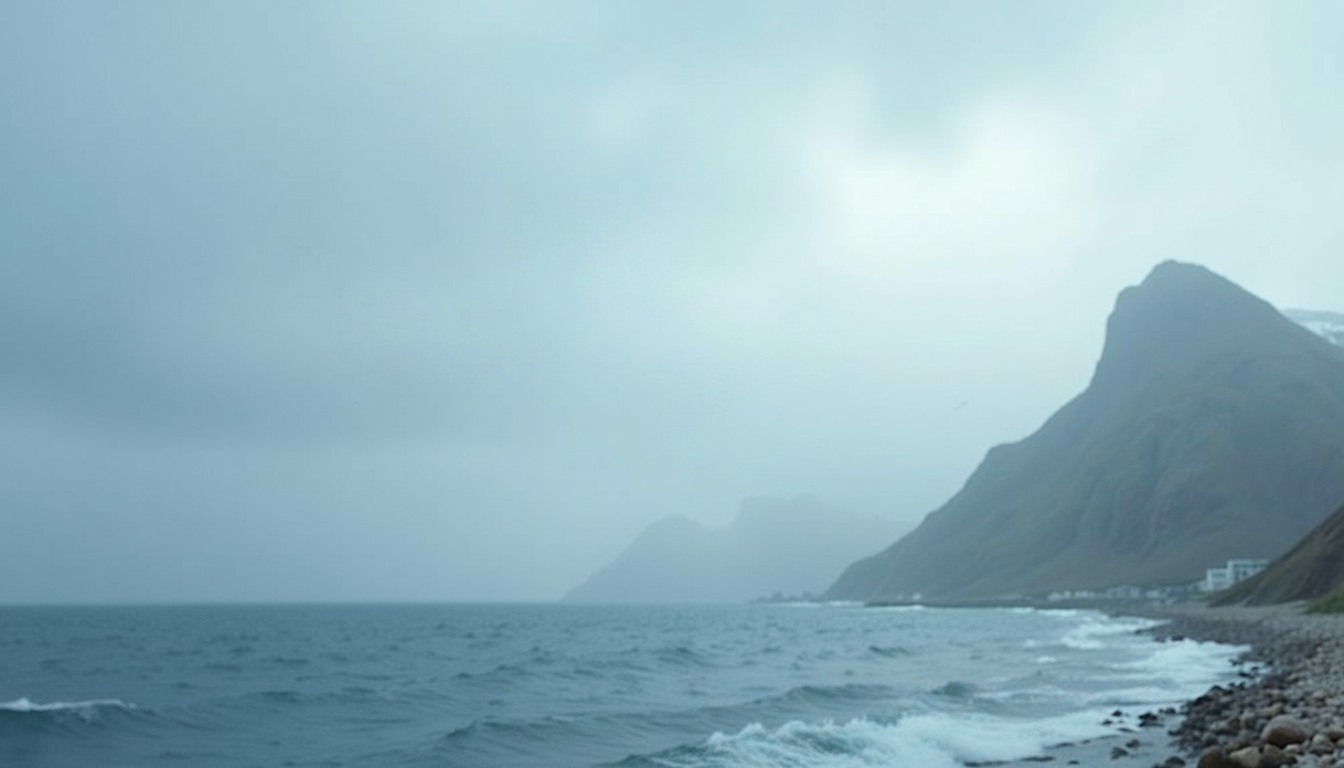
Climate change impacts on seabirds are becoming increasingly dire, as recent studies reveal that these resilient creatures face significant challenges to their survival. As global temperatures rise, these birds are experiencing severe habitat loss, limiting their ability to find food and suitable nesting areas. The effects of climate change can drastically alter seabird migration patterns, forcing them to travel greater distances in search of resources. Furthermore, habitat reduction due to rising sea levels and changing ecosystems poses a severe threat to their populations. With the urgent need for habitat adaptation in seabirds, conservation efforts must focus on mitigating these climate change effects to preserve these vital species for future generations.
The repercussions of a shifting climate are profoundly affecting coastal avian species, particularly those reliant on marine ecosystems. This ecological imbalance leads to significant reductions in their natural habitats, compelling birds to adjust their migration routes and behaviors to adapt to diminished resources. As living conditions change dramatically due to environmental stressors, these birds face the risk of population declines and an increased struggle for survival. The ongoing loss of suitable environments compounds the issue, making conservation measures urgent and necessary. Addressing these challenges is vital not only for the seabirds themselves but for the overall health of marine biodiversity.
The Effects of Climate Change on Seabird Habitats
Climate change significantly affects seabird habitats, leading to habitat loss and fragmentation. As global temperatures rise, the availability of suitable nesting and feeding areas diminishes, compelling seabirds to adapt to rapidly changing environments. Coastal erosion and rising sea levels threaten the very ecosystems that support these species. For instance, key habitats like islands and tidal flats, crucial for breeding, face mounting challenges as storms intensify and land masses shift. This habitat reduction not only affects the physical spaces they occupy but also interrupts the delicate balance of food availability within these ecosystems.
Moreover, the alteration of marine environments due to climate change has profound implications for seabird migration patterns. Rising ocean temperatures and changing currents affect prey distributions, forcing seabirds to travel greater distances to find sufficient food. Consequently, long migratory routes which were once reliable may no longer provide the resources necessary for survival. Such shifts can result in decreased breeding success as seabirds return to their nesting grounds without adequate nourishment. Understanding these climate change effects is essential for developing conservation strategies aimed at protecting these vulnerable species.
Seabird Migration: Challenges and Adaptations
With climate change significantly altering their environments, seabirds face unprecedented challenges during migration. The distances that some species must travel are increasing as traditional feeding grounds become barren due to shifting marine ecosystems. Seabirds, naturally adapted to certain migratory pathways, may find these routes becoming less viable as they intersect with areas of decreased prey accessibility. This shift could lead to increased competition among different species as they vie for limited resources, resulting in lower survival rates.
Adaptation is crucial for seabirds facing these challenges, as they must evolve their migratory behaviors in response to changing climates and habitats. Some species may adjust their travel routes or timing to coincide with peak prey availability. Additionally, seabirds that can thrive in altered habitats may begin to expand their range, seeking refuge in previously unsuitable areas due to warming temperatures. Such flexibility showcases the remarkable resilience of seabirds, although these adaptations are not guaranteed for all species, highlighting the urgent need for continued research and conservation efforts to support biodiversity amidst climate uncertainty.
Habitat Loss: Impacts on Seabird Populations
The destruction of seabird habitats is reaching alarming levels, primarily due to climate change-induced factors such as pollution, overfishing, and the encroachment of human activities on coastal areas. Habitats that once thrived with biodiversity are experiencing rapid degradation, leading to significant population declines among seabird species. Experts estimate that the loss of breeding habitats can lead to dramatic decreases in populations, as these birds rely on specific nesting sites for raising their young. Consequently, as habitats dwindle, the potential for these species to sustain healthy populations diminishes.
Furthermore, habitat loss impacts not just the physical spaces seabirds inhabit, but the entire ecosystem balance, which includes predation dynamics and food web interactions. Without adequate habitats, seabirds are at greater risk of encountering predators and face increased competition for food resources. This ecological imbalance can lead to greater mortality rates and decreased reproductive success, ultimately threatening the future viability of seabird populations. Mitigating habitat loss through targeted conservation measures is vital to ensure these birds can survive and thrive in a changing climate.
The Role of Conservation in Protecting Seabirds
Conservation efforts play a pivotal role in mitigating the impacts of climate change on seabirds. Proactive measures such as establishing protected marine areas, restoring degraded habitats, and regulating fishery practices are crucial in safeguarding these vulnerable species. By protecting critical nesting sites and ensuring sustainable fishing practices, we can help stabilize seabird populations faced with the pressures of habitat loss and climate change effects. Furthermore, empowering local communities to participate in conservation efforts fosters a sense of stewardship and accountability, promoting longer-term sustainability.
Awareness and education also form essential components of conservation strategies. Engaging the public in discussions about the importance of seabird preservation and the ecological roles they play can enhance support for conservation initiatives. Educational programs that inform communities about the impacts of pollution and human interference can motivate collective action towards protecting seabird habitats. As climate change continues to challenge biodiversity globally, robust conservation efforts must adapt and evolve to ensure the resilience of seabird populations in the face of ongoing environmental changes.
Understanding Seabird Adaptation Mechanisms
Seabirds exhibit remarkable adaptability in response to rapid environmental changes prompted by climate change. These adaptations can be physiological, behavioral, or even involve shifting to new habitats. For instance, some seabird species may alter their breeding strategies, timing their nesting periods to coincide with favorable environmental conditions or nutrient availability. This flexibility allows them to maximize their reproductive success despite challenges like scarcity of food or adverse weather conditions.
Additionally, seabirds are known to adjust their foraging techniques and routes based on changes in prey distribution caused by climate variations. As oceanic temperatures rise and currents shift, seabirds that possess the ability to identify and exploit new food sources are more likely to thrive. This ability to adapt not only ensures their survival but also contributes to maintaining healthy marine ecosystems. However, these evolutionary adaptations may not be sufficient for some species lacking the necessary resilience, illustrating the importance of understanding the dynamics of seabird adaptation in conservation efforts.
Climate Change and Seabird Migration Patterns
Climate change is profoundly reshaping seabird migration patterns, forcing species to adapt to new realities. As average temperatures rise and ocean environments shift, traditional migratory routes are disrupted, leading seabirds to travel further distances to locate food sources. This shift not only demands greater energy expenditure but also increases the risks associated with predation and competition. Species that once thrived in stable routines are now facing unpredictable environments, and the long-standing migratory practices are under threat.
Furthermore, altered timing in migration linked to climate change is influencing seabird breeding success. For example, if seabirds return to their nesting grounds prematurely, they may find that their food sources are not available in the necessary quantities to feed their young. These mismatches between migration timing and prey availability can lead to low survival rates, further destabilizing populations. Understanding the nuances of climate change impacts on seabird migration is paramount for enhancing conservation strategies to support these avian species.
Restoring Seabird Habitats for Future Generations
Restoration efforts focused on seabird habitats are crucial in addressing the multifaceted challenges posed by climate change. These initiatives aim to rehabilitate and restore degraded coastal areas, ensuring that seabirds have access to vital nesting and feeding grounds. Such projects often involve the removal of invasive species, replanting native vegetation, and improving water quality to create a more conducive environment for seabirds. Restoration not only benefits seabird populations but also enhances overall biodiversity within coastal ecosystems.
Moreover, successful habitat restoration requires collaboration among various stakeholders, including government agencies, non-profit organizations, and local communities. Collective action fosters a holistic approach to conserving seabird populations and their habitats. Engaging local communities in restoration efforts not only empowers individuals but also ensures that traditional knowledge and practices contribute to the effectiveness of these initiatives. By prioritizing habitat restoration, we can create a sustainable future for seabirds, balancing ecological integrity with human development.
The Intersection of Human Activity and Seabird Conservation
Human activities significantly impact seabird populations, creating a complex dynamic that conservation efforts must address. Coastal development, pollution, and overfishing are just a few pressing concerns affecting seabird habitats. Industrial and urban developments encroach upon crucial nesting sites, while pollution can lead to habitat degradation. Overfishing deepens the challenge by depleting vital food sources, leaving seabirds struggling to find sustenance. Understanding the interplay between human activities and seabird conservation is essential for developing effective management strategies.
Furthermore, engaging with local communities to promote sustainable practices can mitigate negative impacts on seabird populations. Initiatives aimed at reducing plastic use, promoting sustainable fisheries, and developing environmentally-friendly tourism can create a more balanced coexistence between human activities and seabird preservation. Raising awareness about the fragile nature of seabird habitats can inspire collective commitment to conservation, ultimately contributing to healthier marine ecosystems where both wildlife and human communities can thrive.
Future Outlook for Seabirds Amidst Climate Change
The future of seabirds amidst climate change remains uncertain, with many species facing an uphill battle for survival. As habitats continue to shrink and the climate grows increasingly unpredictable, the challenges for seabird populations intensify. Specific species may be more vulnerable than others, especially those with specialized habitat needs or limited migratory adaptability. Given the rapidly evolving nature of climate change effects, proactive measures are crucial to avert further losses in biodiversity.
However, hope lies in ongoing conservation efforts, research advancements, and the potential for habitats to recover if given the chance. Initiatives focusing on habitat protection, restoration, and community engagement can create opportunities for seabirds to adapt to changing conditions. By investing in targeted conservation strategies and fostering public awareness, we can contribute to a sustainable future for seabirds. Collaborative efforts to tackle climate change will be paramount in ensuring these remarkable avian species continue to grace our oceans and skies.
Frequently Asked Questions
What are the climate change impacts on seabirds and their habitats?
Climate change impacts on seabirds are significant, leading to seabird habitat loss and forcing them to adapt to reduced habitats. Rising temperatures and changing ocean conditions can lead to habitat reduction, impacting their breeding and feeding grounds. This may result in forced migration as seabirds seek more suitable environments for survival.
| Key Point | Description |
|---|---|
| Climate Change Effects | Climate change is causing shifts in seabird habitats. |
| Habitat Reduction | Seabirds may be pushed into smaller areas due to changing climates. |
| Increased Flight Distances | To find resources, seabirds will need to fly farther. |
Summary
Climate change impacts on seabirds are becoming increasingly evident as studies reveal significant changes in their habitats. As global temperatures rise, seabirds face the alarming reality of shrinking habitats, which compels them to undertake longer flights to survive. This not only affects their feeding habits but also threatens their reproductive success as they expend more energy and time traveling to find adequate resources. Thus, understanding how climate change impacts seabirds is crucial for implementing conservation strategies to protect these vital marine species.



























