

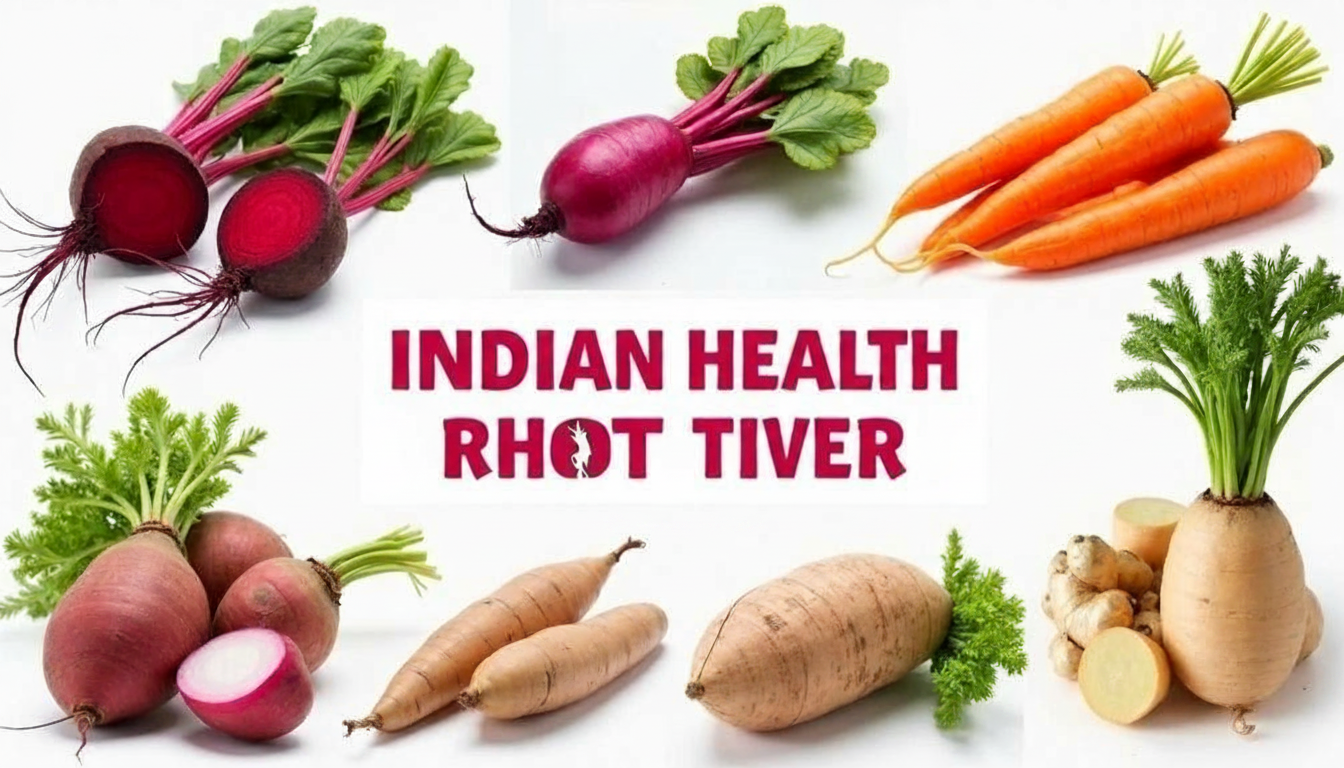
Indian root veggies, including beetroot, carrots, radishes, and sweet potatoes, not only enhance the flavors of traditional dishes but also provide remarkable benefits for liver health. A diet abundant in these root vegetables offers crucial vitamins, antioxidants, and dietary fiber that are essential for maintaining optimal liver function. Incorporating these powerhouse foods into your meals can support digestion and detoxification, making them a smart addition for those seeking effective liver health tips. Not only are they versatile in Indian cooking, but they are also economical choices that can easily elevate your culinary repertoire. Discovering the myriad health benefits of root vegetables can lead to a more vibrant and health-conscious lifestyle, especially when focusing on liver support foods.
Exploring the world of tubers and subterranean vegetables offers us a glimpse into their diverse benefits beyond just flavor enhancement. These earthy treasures, often utilized in Indian cuisine, pack significant nutritional value and play a vital role in promoting good liver health. Such vegetables contribute essential fibers and plant compounds that actively support the body’s detoxification processes and metabolic functions. Increasing your intake of these vegetables not only allows for creative culinary possibilities but also delivers holistic wellness benefits that can invigorate your daily diet. Let’s delve deeper into some of the most beneficial root vegetables that can naturally support liver health in our kitchens.
The Nutritional Power of Indian Root Vegetables
Indian root vegetables are not just humble staples of the kitchen; they pack a powerful nutritional punch that can greatly enhance liver health. Vegetables like beetroot, carrots, and radish are rich in vitamins, minerals, and antioxidants. These nutrients play a critical role in supporting the liver’s various functions, helping it detoxify the body while also managing oxidative stress. Incorporating these root vegetables into daily meals ensures that individuals receive essential nutrients that bolster liver function, thereby promoting overall well-being.
In addition to their direct health benefits, these vegetables are versatile and can be prepared in various ways to suit any dietary preference. For instance, beetroot can be juiced for a refreshing drink that supports liver function while carrots can be grated into salads for a crunchy, nutritious bite. By making these root vegetables a regular part of one’s diet, individuals not only enjoy diverse culinary experiences but also fortify their liver health naturally and effectively.
Top Indian Root Vegetables for Liver Support
Among the many Indian root veggies, beetroot often takes the spotlight due to its rich content of betalains and fiber. These compounds are particularly beneficial for the liver, as they support bile production and improve digestion. Eating beetroot regularly can help reduce inflammation and oxidative stress in the liver, making it a top choice for anyone looking to enhance their liver health. Simple dishes like beetroot salad or roasted beetroot can easily be integrated into meals to harness these health benefits.
Similarly, sweet potatoes are another fantastic choice for liver support, as they provide a steady source of energy while assisting in blood sugar regulation. This root vegetable is known for its high fiber content and can help in maintaining a healthy weight, which is essential for optimal liver function. Preparing sweet potato with spices like cumin and coriander not only enhances its flavor but also synergizes with its health benefits, making it a delicious addition to any meal.
Benefits of Including Root Vegetables in Your Diet
Including a variety of root vegetables in your diet can significantly impact your liver health positively. For example, carrots are packed with beta-carotene, which converts to vitamin A in the body, aiding in cellular health and repair. The fiber in carrots also promotes healthy digestion, which is crucial for reducing the burden on the liver. Eating a mix of these vibrant vegetables ensures you receive a range of antioxidants that help fight free radicals, contributing to overall health and vitality.
Moreover, root vegetables like radish and turnips are excellent for their detoxifying properties. They support the body’s natural ability to eliminate toxins, thereby indirectly lending assistance to liver function. By incorporating these vegetables into your meals through simple recipes like radish parathas or turnip curry, you can enjoy the myriad benefits they offer without compromising on taste or culinary variety.
Indian Cooking Techniques for Root Vegetables
Indian cooking techniques can maximize the benefits of root vegetables while enhancing their flavors. Techniques like steaming, roasting, or sautéing with spices can make these veggies not only nutritious but also incredibly tasty. For instance, when preparing beetroot, roasting it with mustard seeds and coconut can help preserve its nutrients while adding a rich flavor profile that is both traditional and innovative.
Additionally, simple preparations such as purées and soups allow for easy incorporation of root vegetables into meals. Carrot and moong dal soup, infused with ginger and turmeric, can provide warmth and comfort, while also supporting digestion and liver health. The rich traditions of Indian cooking offer countless ways to enjoy these root veggies while reaping their health benefits, making them indispensable in day-to-day meals.
Exploring Lesser-Known Indian Root Vegetables
While staples like carrots and beetroot are popular, lesser-known Indian root vegetables also deserve recognition for their health benefits. For example, turnips, often overshadowed by other veggies, are rich in glucosinolates, which may play a crucial role in supporting liver detoxification pathways. These can be seamlessly incorporated into various dishes and can add an interesting texture and flavor to traditional Indian meals.
Another underappreciated root is the colocasia, often used in many regional cuisines. It is high in fiber and important minerals, helping promote digestive health and indirectly support the liver. Whether prepared as a curry or roasted with spices, colocasia deserves a place in your diet, especially for those looking to explore diverse flavors while nurturing their liver health.
How Root Vegetables Support Detoxification
Root vegetables support the body’s detoxification processes vital for liver health. The high fiber content in these vegetables aids digestion and helps sweep the digestive tract clean, thereby reducing the liver’s workload. Incorporating root veggies like ginger and radish into your meals can enhance detoxification, promoting better liver function and overall health.
Furthermore, the antioxidant properties of root vegetables help combat oxidative stress within the liver. Antioxidants neutralize harmful free radicals, which can cause liver damage over time. Foods such as beetroot not only support the liver in detoxifying but also improve its overall function, making them key components of liver health tips that emphasize a diet rich in liver support foods.
Root Veggies and Their Role in Mood and Energy Levels
Including root vegetables in your diet can have a positive impact on your mood and energy levels, which are crucial for maintaining a healthy lifestyle. The complex carbohydrates found in sweet potatoes and other root vegetables provide slow-releasing energy that keeps you feeling full and invigorated throughout the day. This is particularly important during periods of stress when energy management indirectly affects liver health, as stress can strain the liver more than usual.
Moreover, the nutrients in root vegetables contribute to better brain function and mood regulation. For instance, the fiber in carrots can help regulate blood sugar spikes, ensuring a steady energy level that can help keep mood swings at bay. Simple recipes featuring these vegetables can become not just health-forward but also mood-lifting additions to daily meals, allowing you to nourish both your body and mind.
Affordable and Accessible: The Case for Root Vegetables
One of the best aspects of Indian root vegetables is their affordability and accessibility. These vegetables are commonly available in local markets, making it easier for everyone to include them in their diet without breaking the bank. Their versatility enables them to fit seamlessly into various meals, from everyday curries to snacks, thereby supporting liver health without the need for expensive superfoods.
In addition to being budget-friendly, these root vegetables also hold cultural significance in Indian cuisine. They can evoke nostalgia and tradition while offering health benefits that are invaluable in modern diets. Such accessibility ensures that everyone can take advantage of the numerous benefits of root vegetables, especially for those looking to support their liver health through natural dietary choices.
Meal Planning with Indian Root Vegetables
Meal planning incorporating Indian root veggies can lead to a healthier diet paving the way for improved liver health. Strategically using root vegetables to create nutrient-rich meals throughout the week is an effective way to ensure ample intake of liver support foods. By planning ahead, you can experiment with dishes such as beetroot and carrot salads or hearty turnip soups, providing variety and sustaining nutritional health.
Moreover, incorporating a range of colors and flavors from various root vegetables keeps meals interesting and appetizing. Using seasonal root vegetables means you can choose fresher options, likely retaining more nutrients, while also supporting local agriculture. A well-planned diet that features diverse root vegetables not only promotes liver health but also fuels creativity in the kitchen, inspiring new recipes and flavors in everyday cooking.
Frequently Asked Questions
What are the best Indian root veggies for liver health?
Some of the best Indian root vegetables for liver health include beetroot, carrots, radish, sweet potatoes, turnips, and ginger root. These root vegetables support liver function by promoting better digestion, providing antioxidants, and delivering essential nutrients. Incorporating these veggies into your diet can aid in liver detoxification and overall metabolic health.
| Root Vegetable | Nutritional Benefits | Recipe Idea |
|---|---|---|
| Beetroot | Rich in betalains, antioxidants, and fiber; supports bile flow and digestion. | Beetroot stir-fry with mustard seeds and coconut or roasted beet wedges with ghee. |
| Carrot | High in beta-carotene; supports cellular health and digestion. | Carrot and moong dal soup or grated carrot salad with peanuts. |
| Radish | High in water content and fiber; aids gut motility and reduces bloating. | Mooli sabzi with ajwain or mooli paratha served with curd. |
| Sweet Potato | Rich in fiber, potassium, and antioxidants; helps stabilize blood sugar. | Roasted sweet potato cubes or sweet potato mash with curd and pomegranate seeds. |
| Turnip | Low in calories, high in fiber; contains glucosinolates for detox support. | Turnip with peas and ginger or mixed vegetable curry with carrots. |
| Ginger Root | Aids digestion and reduces nausea; enhances food processing. | Ginger-turmeric kadha or added to dals and curries for flavor. |
Summary
Indian root veggies play a crucial role in supporting liver health through their rich nutritional profiles and health benefits. These humble vegetables, including beetroot, carrots, radish, sweet potatoes, turnips, and ginger root, are not only easy to incorporate into daily meals but are packed with essential nutrients, antioxidants, and dietary fiber. By adding these root vegetables into your diet, you can enhance digestion, regulate metabolism, and alleviate the liver’s workload, making them an essential component of a well-rounded diet.



























