

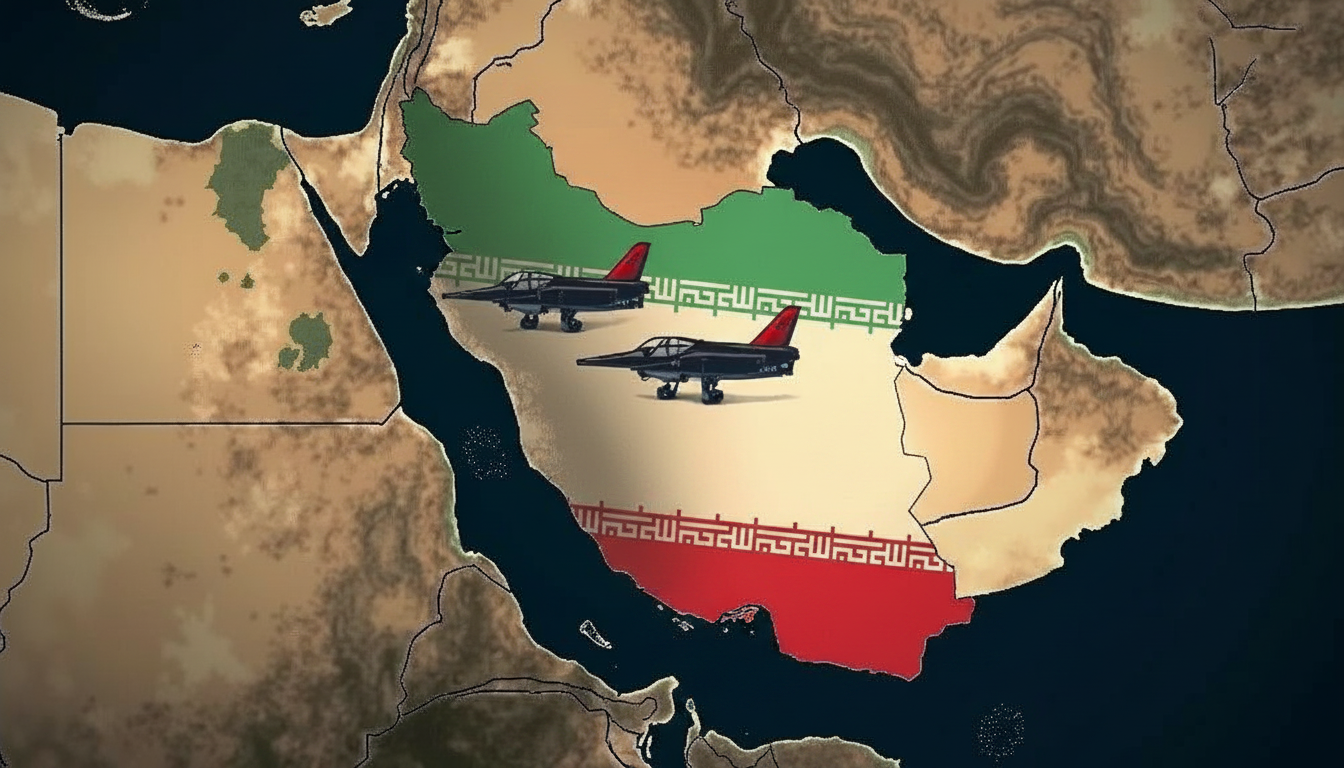
The recent **UAE strikes on Iran** mark a significant escalation in the longstanding Gulf conflict, drawing sharp criticism from the international community. The coordinated assault, undertaken in partnership with Israel, targeted Iranian facilities and adds another layer to the already complex Middle East tensions. As these military actions unfold, regional dynamics continue to shift dramatically, revealing diverging interests between Gulf nations, particularly between Saudi Arabia and the UAE. The United States has been actively involved, urging Israel to cease attacks on critical energy infrastructure, reflecting the delicate balance of **US Israel relations**. This development has led to a renewed focus on diplomatic efforts aimed at stabilizing the region amidst rising hostilities.
Recent maneuvers in the Gulf region reveal a heightened military engagement by the UAE against Iran, despite ongoing efforts for a ceasefire. These actions, often referred to in the context of broader **Middle East tensions**, stem from a complex interplay of political motivations and regional alliances. As the UAE enhances its military footprint, the implications for local stability and international relations become increasingly pronounced. The UAE’s strategy appears to reflect a commitment to maintaining security, particularly in light of their emerging partnerships with Western allies, including the US and Israel. Such developments not only influence the power dynamics in the Gulf but also underscore the role of military solutions amidst a landscape fraught with conflict.
UAE Strikes on Iran: A Risky Game Amid Ceasefire
The recent military actions conducted by the UAE against Iran have escalated the already heightened tensions in the Gulf region. Despite an existing ceasefire, the UAE’s decision to strike targets in Iran, specifically the strategic location of Asaluyeh, demonstrates a shift in the Gulf’s geopolitical landscape. This aggressive stance, reportedly executed in coordination with Israel, marks a significant development in the ongoing Gulf conflict and raises pressing concerns over potential retaliation by Iran. As both nations grapple for dominance in the region, the ramifications of these military actions could ripple through the already fragile balance of power.
The backlash to the UAE strikes on Iran has not gone unnoticed on the international stage. Rapid condemnation from various quarters, including calls from the United States for Israel to refrain from targeting Iranian energy facilities, illustrates the complex interplay between military action and diplomatic efforts. The ongoing military engagements could undermine attempts to establish peace, as opposing factions within the region, including Saudi Arabia, urge a return to diplomatic negotiations. The UAE’s willingness to engage in strikes raises questions about its long-term strategy and the potential repercussions faced domestically and abroad.
Frequently Asked Questions
What led to the UAE strikes on Iran amidst the ongoing Gulf conflict?
The UAE strikes on Iran, particularly the recent operations in Asaluyeh, were a response to escalating tensions in the Gulf region. These military actions were conducted jointly with Israel, highlighting the deepening military collaboration between the two nations. Despite a ceasefire agreement, the UAE’s strategic goal appears to focus on countering Iranian influence and securing its energy assets in a fraught Middle East environment.
| Key Points | |
|---|---|
| UAE conducted strikes on Iran despite a ceasefire agreement. | Significant international backlash followed the strikes. |
| The strikes on Asaluyeh were a joint operation with Israel. | The US urged Israel to stop attacks on energy facilities. |
| Saudi Arabia and UAE showed differing positions on military actions against Iran. | Saudi officials wanted the UAE to focus on diplomacy instead. |
| The UAE has shifted its alliances, leaving OPEC and enhancing ties with US and Israel. | Only a fraction of the total strikes in the region are by the UAE; over 20,000 have been executed in the conflict by US and Israel. |
Summary
The UAE strikes on Iran represent a significant escalation in Gulf tensions, highlighting the complicated dynamics within the region. The recent military actions, in collaboration with Israel, have not only strained international relations but have also showcased a stark divergence between the UAE and Saudi Arabian approaches to dealing with Iran. While the UAE seems to favor direct military engagement, Saudi Arabia advocates for diplomatic resolutions, urging the UAE to reconsider its aggressive strategy.



























