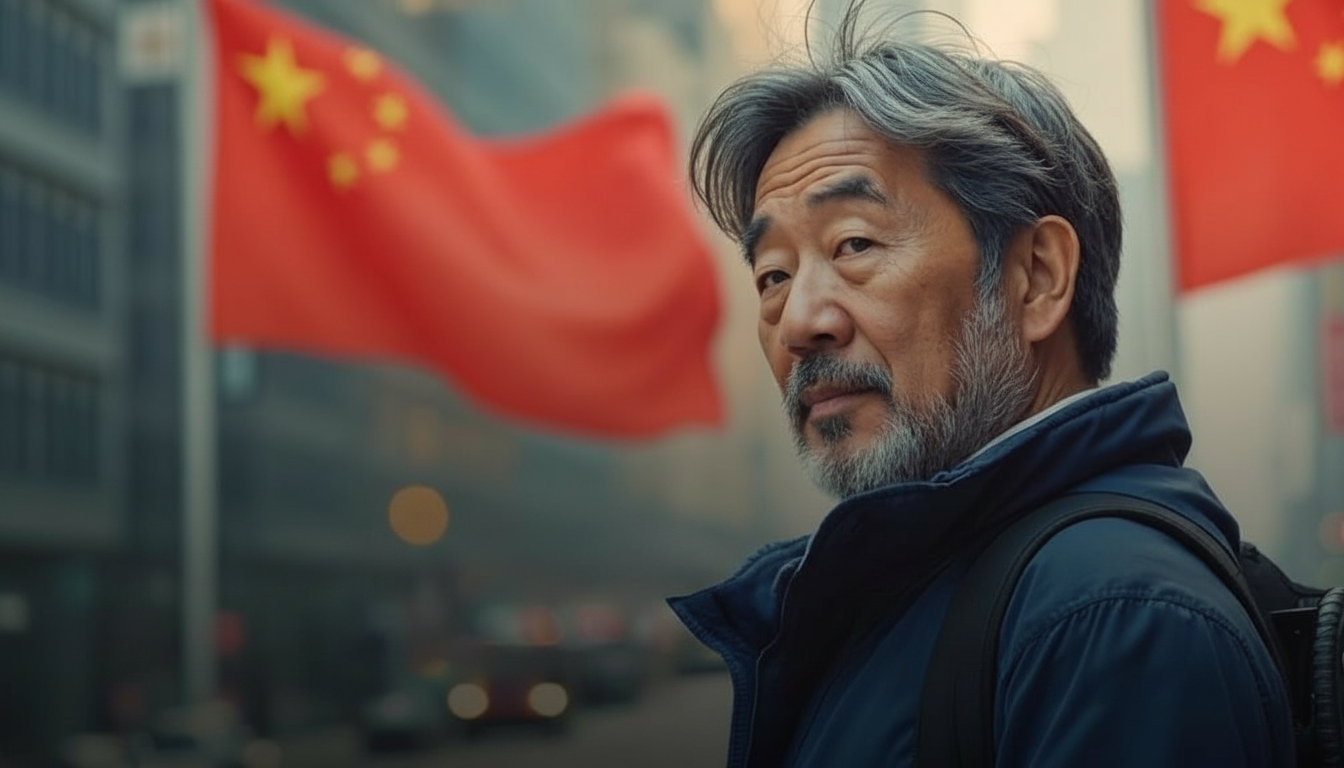
In a significant development, China has expelled a New York Times journalist, underscoring the escalating media tensions between Beijing and Washington. This action follows an interview conducted by the US-based newspaper with Taiwan’s president, further highlighting China’s attempts to exert control and isolate Taiwan on the international front. As relations between China and Taiwan continue to sour, the revocation of the journalist’s visa marks a critical point in the ongoing struggle over media freedom and political narratives. The situation has become an integral part of the broader US-China media tensions, especially as Beijing implements its isolation policy against the self-governing island. As news spreads of this expulsion, the implications for journalism and diplomatic relations in the Asia-Pacific region are profound and far-reaching.
The recent expulsion of a journalist from one of America’s leading newspapers by China signals a chilling atmosphere for press freedom in a rapidly changing geopolitical landscape. This incident reflects the ongoing complexities in China-Taiwan relations, where the media often serves as a battleground for political influence and narratives. The government’s ability to revoke press credentials not only illustrates Beijing’s stringent control over journalism but also highlights the turbulent dynamics between nations. As tensions mount, particularly regarding media coverage and access, the repercussions of these actions will likely reverberate across international borders, affecting not just coverage of China but also the global perception of its policies.
China Expels New York Times Journalist Amid Rising Tensions
In a significant escalation of political tensions, China has expelled a New York Times journalist, highlighting the fraught relationship between Beijing and the media. The expulsion is a direct consequence of an interview conducted with Taiwan’s president, a move seen as part of China’s broader isolation strategy toward Taiwan. This episode unfolds against the backdrop of deteriorating US-China relations, where media personnel are often caught in the crossfire of diplomatic disputes. Beijing’s tightening grip over media narratives aims to stifle international visibility for Taiwan, an approach that is increasingly evident in its isolationist policy.
The expulsion reflects heightened sensitivities around Taiwan’s status, especially as Beijing seeks to reinforce its sovereignty claims over the self-governing island. The New York Times reported that this incident aligns with recent measures taken by the Trump administration, which included the revocation of a visa for a US-based Chinese journalist as a retaliatory response. Such actions illustrate the escalating media tensions between the US and China, where journalistic freedom clashes with nationalistic policies. As both countries navigate this complex landscape, journalists remain pivotal in shaping public understanding of these geopolitical dynamics.
Impact of Journalistic Expulsions on China-Taiwan Relations
The expulsion of journalists from China not only serves as a direct attack on press freedoms but also has broader implications for China-Taiwan relations. As China intensifies its efforts to diplomatically isolate Taiwan, such actions signal an aggressive stance against any form of international recognition or dialogue with Taiwan’s leadership. Journalists play a critical role in bridging the information gap between Taiwan and the international community, and their expulsion limits the narrative that can be shared. This, in essence, could skew global perceptions of the Taiwan situation and further entrench China’s rhetoric of unity and control over the island.
Moreover, the involvement of a renowned international media outlet like the New York Times underscores the high stakes involved in reporting on Taiwan. Expelled journalists are often seen as collateral damage in diplomatic showdowns, and their absence can diminish the quality and comprehensiveness of reporting on Taiwan’s aspirations for recognition and autonomy. As tensions escalate, the inability to convey accurate and nuanced stories could further complicate efforts to achieve peaceful resolutions in the region, ultimately influencing US-China policy decisions regarding Taiwan.
Media Tensions Between US and China
The diplomatic spat between the US and China has increasingly spilled over into media relations, with recent events exemplified by the expulsion of a New York Times journalist. This incident not only highlights the fragile nature of press freedom under authoritarian regimes but also serves as a reminder of the broader geopolitical contest between the two superpowers. As Beijing continues to assert control over information within its borders, it also pressures international media organizations to align with its narrative. This has resulted in a slew of restrictions that impact not just the operations of Western journalists but also the level of transparency offered to the global audience regarding China’s domestic and foreign policies.
Furthermore, the expulsion aligns with a series of tit-for-tat measures that have characterized media interactions between the US and China. This adversarial environment fosters an atmosphere of mistrust, complicating journalistic endeavors to report on sensitive topics. Each time a journalist is expelled, it sends ripples throughout the international community, raising concerns about freedom of the press and the ability to hold powerful entities accountable. The ongoing tensions suggest a need for dialogue and understanding that transcends punitive measures, especially in regards to media freedoms and the role they play in international relations.
The Role of Interviewing Taiwan’s Leaders in Media Politics
Interviews with Taiwan’s leaders, such as the recent one conducted by a New York Times journalist, often serve as crucial moments that reveal underlying tensions in cross-strait relations. They provide valuable insights into Taiwan’s stance on sovereignty and international diplomacy, often challenging the narrative propagated by Beijing. However, such interviews can provoke strong reactions from China, which considers any engagement with Taiwan’s leadership as a direct affront to its sovereignty claims. The Chinese government’s swift response to such interviews underscores its determination to control the narrative surrounding Taiwan on the global stage.
Moreover, the ramifications of these interviews extend beyond immediate political fallout; they can shape public opinion and influence policy discussions internationally. By conducting interviews with high-profile figures, media outlets contribute to a broader understanding of Taiwan’s position amidst rising Chinese assertiveness in the region. As more journalists face expulsion or are silenced, the ability to convey these narratives diminishes, leading to a one-sided portrayal of the complex relations between Taiwan, China, and the global community.
Beijing’s Isolation Policy and Its Global Implications
Beijing’s policy of isolating Taiwan reflects a broader strategy that seeks to hinder Taiwan’s global integration and recognition. The expulsion of journalists, particularly those from established media organizations, exemplifies how this policy extends to controlling the flow of information from and about Taiwan. By limiting the dissemination of authentic stories about Taiwan’s democracy and resilience, China aims to reinforce its narrative while stifling opposing viewpoints. This isolation policy does not only affect Taiwan but poses significant challenges in cultivating constructive cross-strait dialogue and understanding.
The implications of Beijing’s isolationist approach extend globally, affecting not just Taiwan but also the dynamics of US-China relations. As tensions escalate, other countries and international organizations are left to navigate the precarious landscape defined by China’s assertiveness. Media institutions and governments are compelled to consider the ramifications of their moves, whether it be in supporting journalistic freedoms or in engaging with Taiwan diplomatically. The international community faces the challenge of balancing the need to uphold standards of free expression while dealing with the complexities of a rapidly changing geopolitical landscape.
Consequences of Visa Revocations for Foreign Journalists
In the intensifying struggle between the US and China over media freedoms, the revocation of journalist visas has emerged as a tool of political leverage. The recent case involving the expulsion of a New York Times journalist highlights this concerning trend, where access to reporting in China and Taiwan becomes increasingly precarious. Such visa revocations not only hinder individual journalists but also create a chilling effect on media organizations, leading some to self-censor and limit their coverage of contentious issues like Taiwan’s status and Beijing’s policies.
The broader consequences of these revocations extend to the global journalistic community, as they signal the potential risks involved in reporting on sensitive areas. Countries aspiring to maintain democratic values may witness their journalists facing similar pressures, limiting the diversity of voices in international media. This creates an environment where narratives can be controlled by those in power, ultimately impacting how major geopolitical issues, including US-China relations, are represented and understood by the public. Effective reporting becomes an act of bravery, challenging the boundaries set by authoritarian regimes.
Frequently Asked Questions
Why did China expel a New York Times journalist recently?
China expelled a New York Times journalist following an interview with Taiwan’s president, highlighting Beijing’s efforts to isolate Taiwan internationally. This action is part of the broader context of increasing tensions between US and Chinese media, as well as the complicated dynamics of US-China relations related to Taiwan.
| Key Point | Details |
|---|---|
| Expulsion of Journalist | A New York Times journalist has been expelled from China. |
| Reason for Expulsion | The expulsion is linked to an interview with Taiwan’s president. |
| Context | China seeks to isolate Taiwan on the global stage. |
| Interview Details | The interview was conducted via video link during a summit in New York. |
| US Response | In retaliation, the Trump administration revoked the visa of a Chinese state media journalist. |
| Reciprocal Action | The New York Times stated it did not request a reciprocal action. |
Summary
China expels journalist in a significant move reflecting its ongoing tensions with Taiwan. This action underscores Beijing’s strategy to assert its influence and stifle any international engagement that could bolster Taiwan’s global presence. The expulsion follows an interview conducted by a New York Times journalist with Taiwan’s president, a clear signal of China’s discontent with such interactions. As the geopolitical landscape shifts, China’s measures further illustrate its commitment to isolating Taiwan diplomatically and its readiness to retaliate against perceived slights. Furthermore, the expulsion is part of a larger pattern, as the United States also reacted by revoking the visa of a Chinese state media journalist. This series of actions highlights the delicate balance of media freedom and government policies in the realm of international relations.