

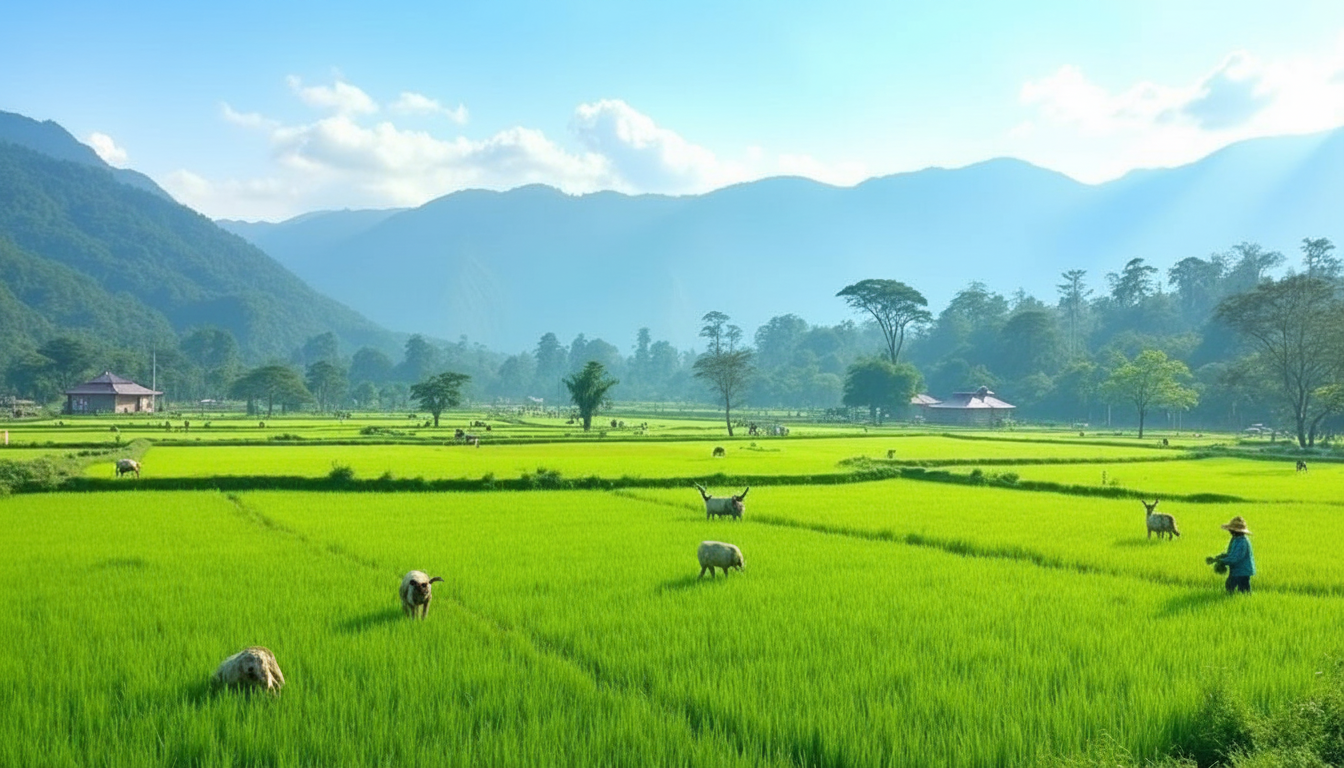
Climate-smart agriculture (CSA) represents a critical approach to enhancing resilience and productivity in the face of climate change impact, especially in regions like Arunachal Pradesh. This innovative farming strategy not only seeks to increase agricultural yields but also supports sustainable farming practices that address the unique challenges faced by tribal communities. As climate conditions continue to shift, the integration of CSA practices emerges as essential for safeguarding food security in the region. By aligning agricultural methods with climate adaptability, we can secure the livelihoods of farmers while ensuring the health of ecosystems. Encouragingly, CSA also holds the potential to improve income diversification among tribal populations, fostering a more resilient agricultural sector.
In recent discussions about sustainable land management, the concept of climate-smart agriculture stands out as an emerging solution to agricultural challenges. Alternative terms such as adaptive farming and climate-resilient practices are frequently used to encapsulate the principles behind this approach. These methods aim to harmonize agricultural productivity with ecological sustainability, crucial for communities facing the adverse effects of changing weather patterns. Particularly in places like Arunachal Pradesh, these farming techniques can empower local tribal communities to thrive amidst climate uncertainties. Moreover, the focus on enhancing food security through innovative practices can ultimately transform the agricultural landscape into one that is more resilient and productive.
The Importance of Climate-Smart Agriculture for Tribal Communities in Arunachal Pradesh
Climate-smart agriculture (CSA) is a critical approach for enhancing the resilience of tribal communities in Arunachal Pradesh, especially in the face of escalating climate change impacts. The unique geographical features and ecological diversity of the region make its agricultural practices particularly vulnerable to climate variability. CSA empowers local farmers by introducing innovative techniques that not only increase productivity but also stabilize their livelihoods amidst unpredictable weather patterns. These practices include crop diversification, improved water management, and the integration of agroforestry, which have proven to enhance soil health and increase yield even under climatic stress.
Furthermore, the adoption of CSA practices among tribal populations in Arunachal Pradesh aids in safeguarding food security, a pivotal element for these communities. Evidence suggests that CSA not only boosts household incomes but also allows for a more sustainable use of natural resources. By focusing on environmentally friendly practices, these methods ensure that food production systems remain intact for future generations. As local farmers progressively embrace these strategies, the potential for improved economic stability and enhanced food availability increases, thereby transforming the overarching agricultural landscape in the region.
Challenges to the Adoption of Climate-Smart Agriculture
Despite the evident benefits, the wider adoption of climate-smart agriculture in Arunachal Pradesh encounters various challenges. One of the primary barriers is the issue of insecure land tenure, which deters farmers from investing in long-term CSA practices. When farmers lack guaranteed rights to land, their motivation to improve agricultural productivity decreases. Additionally, tribal communities often face sociocultural hurdles that hinder the acceptance of new farming techniques, which are essential for cultivating a climate-resilient future. Education and awareness campaigns are crucial to demystifying these practices and encouraging their implementation.
Another significant challenge is the limited access to credit for small-scale farmers. Without sufficient financial resources, it becomes increasingly difficult for these farmers to adopt necessary technologies or invest in training and education that would facilitate the transition to CSA. Furthermore, training programs on modern agricultural practices and sustainable farming techniques are infrequently available in remote areas of Arunachal Pradesh, resulting in a knowledge deficit that further impedes the adoption of CSA. Addressing these barriers requires a comprehensive strategy that includes land reform, better access to financial services, and tailored training initiatives to build the capacity of local agriculturalists.
The Role of Education and Training in Promoting Sustainable Farming Practices
Education plays a pivotal role in promoting sustainable farming practices within tribal communities in Arunachal Pradesh. Farmers equipped with knowledge about climate-smart techniques are significantly more likely to adopt and implement effective agricultural methods. Educational programs that focus on the impacts of climate change on agriculture can help raise awareness and sensitivity among the farmers. Workshops and field training sessions can empower these communities with the skills needed to transition towards more sustainable farming strategies, thereby enhancing their resilience against climate threats.
Furthermore, integrating traditional agricultural knowledge with modern scientific practices can produce a holistic approach to education in the region. Collaborations between educational institutions and local farmer organizations can create curricula that are not only relevant to the local context but also innovative in addressing climate change issues. This synergy between tradition and progress can lead to a more robust agricultural framework, improving food security and empowering tribal communities through agriculture that is both sustainable and adaptive to ongoing climate challenges.
Impact of Climate Change on Agricultural Productivity in Arunachal Pradesh
The impact of climate change on agricultural productivity in Arunachal Pradesh is profound and multifaceted. Rising temperatures, erratic rainfall patterns, and increased occurrences of pest outbreaks are already affecting crop yields and production stability. Farmers in the region report declines in harvest volumes and quality, directly linked to these climatic shifts. The situation is exacerbated by the region’s heavy reliance on monsoon rains, rendering it particularly vulnerable to the fluctuations brought about by climate change.
Moreover, water scarcity due to unpredictable rainfall has emerged as a serious concern for farmers. As water availability diminishes, it further complicates irrigation practices necessary for maintaining crop health. The accelerating impacts of climate change have begun to threaten the food security of populations dependent on agricultural output. Strengthening adaptation strategies, including the adoption of climate-smart methodologies, remains crucial to mitigating losses and ensuring that agricultural productivity can keep pace with the demands of a growing population.
Integrating Indigenous Practices with Modern Agricultural Techniques
In Arunachal Pradesh, integrating indigenous agricultural practices with modern techniques could dramatically enhance the effectiveness of climate-smart agriculture. Local farmers possess a wealth of knowledge about their ecosystems, gained over generations, that can inform sustainable farming methods. By harnessing this indigenous wisdom alongside contemporary agricultural research, there is potential for creating a uniquely adapted agricultural practice that respects cultural traditions while addressing modern climatic challenges.
One example of this integration could involve the use of traditional mixed cropping systems that have historically supported agricultural diversity in the region. Incorporating modern scientific insights into pest management or soil health could significantly bolster these systems. This symbiotic relationship between traditional and modern practices can help build resilient agricultural systems capable of sustaining local food security and economic stability, amidst the context of climate change.
Government Support for Climate-Smart Agriculture Initiatives
Government initiatives are crucial in supporting the transition to climate-smart agriculture in Arunachal Pradesh. Policies that promote research and development in this field can play a significant role in equipping farmers with the necessary tools and education to adapt to climate change. Collaborative efforts involving local governments, NGOs, and agricultural experts can lead to tailored interventions that address the specific needs of tribal communities facing unique challenges.
Additionally, financial investments aimed at enhancing infrastructure for water management and irrigation can provide farmers with the security needed to adopt climate-smart practices. By offering subsidies, low-interest loans, and access to training workshops, the government can actively encourage farmers to explore sustainable farming methods that ultimately contribute to climate resilience. Engaging in proactive strategies at the governmental level ensures that support structures are in place to help farmers navigate the complexities of changing climatic conditions.
Community Engagement and Participation in Sustainable Agricultural Practices
Community engagement is a cornerstone of the successful promotion of sustainable agricultural practices among tribal communities in Arunachal Pradesh. Engaging locals in decision-making processes helps to ensure that solutions are culturally relevant and practically applicable within their distinct socioeconomic contexts. Initiatives designed to foster participation—such as community workshops and collaborative farming projects—create a sense of ownership while also enhancing collective knowledge about climate-smart agriculture.
When communities work together to share experiences and techniques, they can better address the barriers to adopting innovative farming practices. This collective effort not only fosters social cohesion but also encourages the spread of information on effective strategies for managing the impacts of climate change. Empowering local voices and integrating their insights into broader agricultural policies can significantly enhance the sustainability of farming practices in Arunachal Pradesh.
The Future of Food Security in the Context of Climate Change
The future of food security in Arunachal Pradesh and beyond hinges on the effective adoption of climate-smart agricultural practices. As climate change continues to challenge agricultural viability, it is imperative to develop adaptive strategies that prioritize resilience and sustainability. The integration of innovative farming methods is essential to counteract the adverse effects of climate variability, thereby ensuring that food systems remain robust in the face of environmental stressors.
Looking forward, mobilizing resources toward research and training in climate-smart practices will be pivotal in enhancing food security for vulnerable populations. The collaboration between national and local governments, educational institutions, and farming communities will foster an environment conducive to sustainable agricultural development. Strengthening food security through proactive measures is not just crucial for individual communities but is vital for the global challenge of feeding a projected population of 9 billion by 2050.
Innovations in Agricultural Technology to Combat Climate Change
Innovative agricultural technologies are at the forefront of addressing the challenges posed by climate change in Arunachal Pradesh. Technological solutions such as precision farming, drought-resistant crop varieties, and integrated pest management systems not only increase productivity but also enhance the sustainability of agricultural systems. Such innovations can significantly mitigate the adverse impacts of climate change while ensuring that farmers are adequately equipped to adapt to shifting climatic conditions.
Incorporating advanced technologies in farming also allows for better data collection and analysis, enabling farmers to make informed decisions regarding crop choices and resource allocation. The adoption of these technologies requires investment in infrastructure and training; therefore, partnerships between farmers, tech companies, and governmental organizations will be essential in facilitating this transition. Empowering farmers with technological innovations will play a crucial role in fostering climate resilience and food security in a rapidly changing environment.
Frequently Asked Questions
What is climate-smart agriculture and how does it relate to Arunachal Pradesh agriculture?
Climate-smart agriculture (CSA) refers to practices that increase agricultural productivity while enhancing resilience to climate change. In Arunachal Pradesh agriculture, CSA is vital for adapting to environmental changes and securing food supplies for tribal communities.
How does climate change impact sustainable farming practices in Arunachal Pradesh?
Climate change negatively affects sustainable farming in Arunachal Pradesh by altering weather patterns, leading to reduced crop yields and increased vulnerability of tribal communities to food insecurity.
What role do tribal communities play in the adoption of climate-smart agriculture in Arunachal Pradesh?
Tribal communities in Arunachal Pradesh are essential in adopting climate-smart agriculture as they rely heavily on traditional farming practices. Enhancing their access to education and resources can promote broader adoption of CSA methods.
How can climate-smart agriculture enhance food security for tribal communities in Arunachal Pradesh?
By implementing climate-smart agriculture, tribal communities in Arunachal Pradesh can improve crop resilience, increase yields, and ultimately enhance food security, ensuring that they meet their nutritional needs despite climate challenges.
What barriers do tribal communities face in adopting climate-smart agriculture in Arunachal Pradesh?
Barriers to adopting climate-smart agriculture among tribal communities in Arunachal Pradesh include insecure land tenure, limited training opportunities, and sociocultural challenges that hinder effective CSA practices.
What training initiatives can support climate-smart agriculture in Arunachal Pradesh?
Training initiatives that focus on sustainable farming practices, climate risk management, and improved agricultural techniques can significantly support the adoption of climate-smart agriculture among the tribal communities in Arunachal Pradesh.
Why is access to credit important for climate-smart agriculture in Arunachal Pradesh?
Access to credit is crucial for implementing climate-smart agriculture in Arunachal Pradesh as it enables farmers to invest in sustainable practices and technologies that enhance productivity and resilience against climate change.
How does climate-smart agriculture contribute to household income in Arunachal Pradesh?
Climate-smart agriculture contributes to household income in Arunachal Pradesh by improving crop yields, diversifying income sources, and increasing the overall efficiency of farming practices among tribal communities.
What is the impact of climate change on food security in Arunachal Pradesh?
Climate change threatens food security in Arunachal Pradesh by causing erratic weather patterns, diminishing arable land, and increasing the risk of harvest failures among tribal farming communities.
What potential solutions exist to enhance the adoption of climate-smart agriculture in Arunachal Pradesh?
Solutions to enhance the adoption of climate-smart agriculture in Arunachal Pradesh include land reform, improving access to training, increasing credit availability, and fostering community-based initiatives that encourage sustainable farming practices.
| Key Points | Details |
|---|---|
| Adoption Factors | Education level, access to credit, and climate risk perceptions influence the adoption of climate-smart agriculture (CSA) among tribal hill communities. |
| Impact of CSA | CSA practices have a positive effect on household income and vegetation health. |
| Barriers to Adoption | Insecure land tenure, limited training opportunities, and sociocultural barriers hinder broader adoption of CSA. |
| Recommendations | Enhancing training, improving credit access, and implementing land reforms could support CSA and promote sustainable agricultural development. |
Summary
Climate-smart agriculture is an essential strategy for addressing the various challenges posed by climate change on food production and security. As demonstrated in Arunachal Pradesh, the adoption of CSA practices significantly benefits local communities by improving their income and vegetation health. However, to fully realize the potential of CSA, it is crucial to overcome barriers such as land tenure insecurity and lack of training. Addressing these issues through targeted interventions will not only enhance agricultural resilience but also contribute to sustainable development, ensuring that farmers can adapt to the adverse effects of climate change effectively.



























