

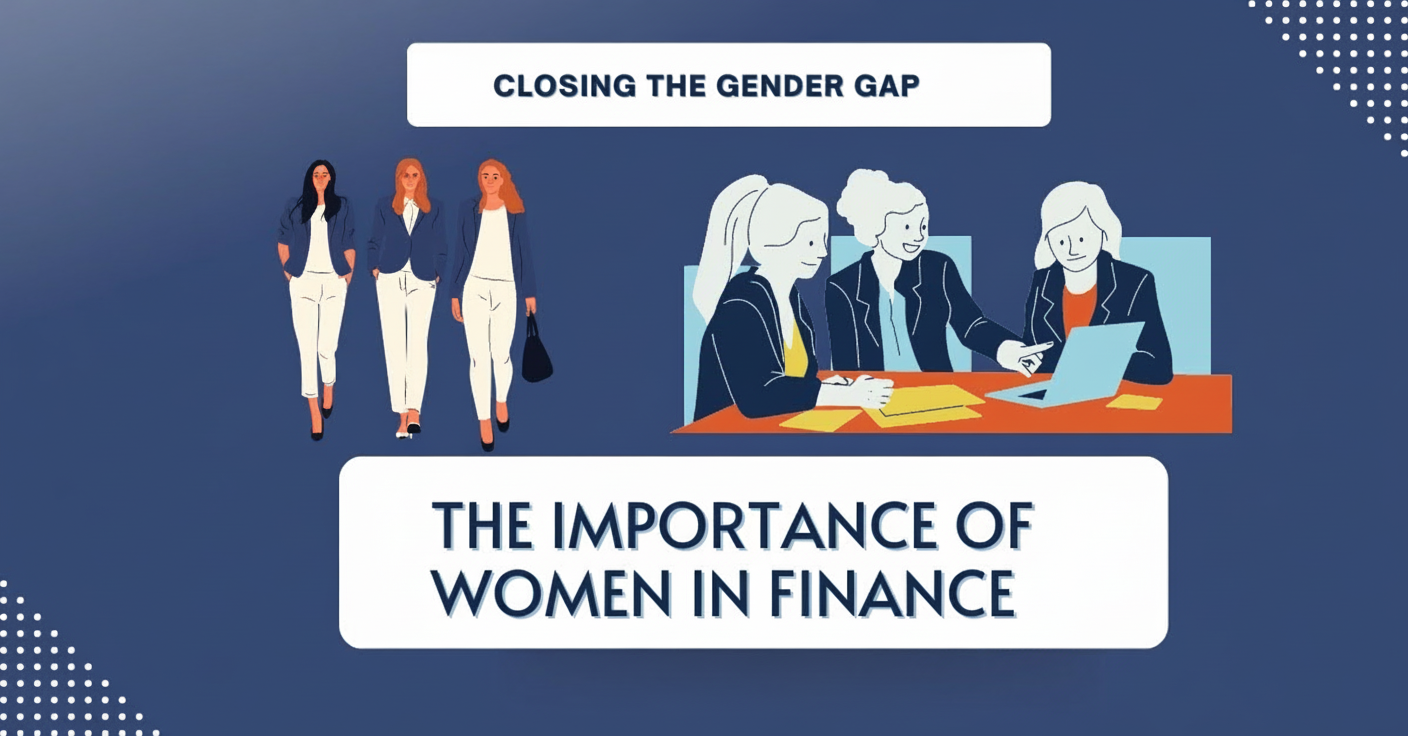
Financial literacy for women is essential in paving the way towards economic independence and empowerment in today’s society. Despite significant progress, the gender gap in financial education remains a persistent issue, affecting women’s ability to make informed financial decisions. By providing women with the tools and knowledge they need, we can effectively close the gender gap in finance and transform their financial futures. Understanding the barriers to women’s financial education, such as cultural norms and educational limitations, is crucial for creating effective strategies that promote financial literacy. Ultimately, the importance of financial literacy cannot be overstated; it is key to ensuring that women not only participate in but also thrive in the financial landscape.
Unlocking the secrets of effective money management is vital to achieving gender parity in financial acumen. It is widely recognized that fostering an environment where women engage with personal finance can lead to wider economic implications. Acknowledging the challenges faced by women—including sociocultural restrictions and lack of access to educational resources—can help address the disparities in financial competence. By emphasizing the importance of financial education for women, we empower them to overcome historical barriers and take control of their financial destinies. As society shifts towards greater financial inclusivity, investing in women’s financial literacy emerges as a cornerstone for sustainable community and economic development.
The Importance of Financial Literacy for Women
Financial literacy is crucial for everyone, but it holds a unique significance for women, particularly in societies where traditional gender roles limit their access to financial decision-making. Understanding financial concepts enables women to take control of their finances, make informed choices regarding investments, savings, and budgeting, and ultimately secure their financial future. As women increasingly take on roles as earners or heads of households, the need for financial education becomes more pressing. A strong foundation in financial literacy empowers women not only to manage their personal finances effectively but also to contribute more significantly to their families’ welfare and economic stability.
Furthermore, imparting financial literacy to women can have a ripple effect, benefiting not just individuals but entire communities. Educated women tend to invest more in their children’s education and health, which leads to better socio-economic outcomes for future generations. Studies show that women reinvest around 90% of their income back into their families compared to men, who invest around 30-40%. This means that when women have better financial knowledge and skills, it creates a more nurturing environment for children and a stronger societal framework overall.
Cultural Barriers to Women’s Financial Education
Cultural conditioning plays a significant role in the persistent gender disparity in financial literacy. Traditional norms often dictate which genders are responsible for managing finances, leading to a societal mindset that excludes women from financial discussions. Consequently, when women are deprived of the opportunity to engage actively in money management, it hampers their understanding of financial principles and builds a psychological barrier to pursuing knowledge in this area. This exclusion not only diminishes women’s confidence in their financial capabilities but perpetuates stereotypes that finance is a male-dominated field, discouraging many women from seeking education or career paths related to finance.
Moreover, these cultural stereotypes can create a self-reinforcing cycle that limits women’s access to resources that could enhance their financial literacy. When women do not see financial education as a priority due to societal expectations, they may lack the motivation to seek out educational resources, workshops, or mentorships that can help them bridge the financial literacy gap. Overcoming these cultural barriers requires not only targeted educational programs but also a shift in societal perceptions that recognize and celebrate women’s contributions to financial management and economic growth.
Strategies for Empowering Women Financially
To effectively empower women financially, a multifaceted approach is essential. First, integrating financial literacy programs into the education system can lay a strong foundation for young girls, teaching them vital skills from a young age. Schools should consider offering workshops on budgeting, savings, and investment decisions, making financial education a standard component of the curriculum. Additionally, implementing community-based programs that provide mentorship and support for women can foster a culture of financial engagement and encourage women to share their experiences and learning.
Another effective strategy involves leveraging digital tools and technology to enhance accessibility to financial education. Online platforms that offer free resources, budget planning tools, and financial webinars are crucial in reaching women who may not have access to traditional financial education. Mobile applications that facilitate peer learning provide a space where women can navigate financial concepts collaboratively. By building a supportive digital community, women can access information that aids their financial independence while also promoting a sense of belonging and empowerment.
Addressing Barriers to Women’s Financial Education
To successfully address the barriers hindering women’s financial education, it is essential to first recognize and analyze the specific obstacles they face. Factors such as limited transportation, safety concerns, inadequate facilities, and even time constraints due to household responsibilities significantly affect women’s ability to pursue financial literacy programs. Recognizing these barriers enables organizations and educational institutions to develop targeted solutions, such as mobile learning initiatives or flexible course timings that cater to women’s schedules. These adjustments can make a significant difference in ensuring that women have the opportunity to learn about finance.
Furthermore, proactive outreach initiatives are crucial in raising awareness about the importance of financial education among women. Workshops and events should be designed to create inclusive environments that welcome women from all backgrounds and cultural stories. By promoting relatable role models and success stories within the community, potential barriers may be diminished, allowing women to see themselves as capable financial stewards. Engaging the broader community in these discussions can also help challenge traditional norms and create a more favorable environment for women’s financial literacy.
The Economic Impact of Financially Empowering Women
Empowering women through financial literacy has profound implications for economic growth and sustainability. When women are equipped with the necessary skills to manage their finances effectively, they are more inclined to participate actively in the economy. This participation not only boosts household income but also contributes to broader economic development. For instance, nations that invest in women’s education and empowerment witness significant increases in GDP and reductions in poverty levels. This correlation underscores the critical role that financial literacy plays in fostering a resilient economy.
Additionally, financially empowered women are better positioned to make decisions that positively affect their communities. Women who understand how to manage finances bring stability to their households, which, in turn, leads to healthier families and contributes to lower levels of domestic violence. This creates a ripple effect across communities. When women control financial resources, they are more likely to invest in social initiatives, healthcare, and education, leading to collective better outcomes and breaking the cycle of poverty.
Creating Inclusive Financial Education Spaces
Building inclusive spaces for women to engage in financial education is paramount in overcoming disparities in knowledge and access. These spaces, whether physical or virtual, should prioritize comfort, respect, and cultural sensitivity to ensure that all women feel encouraged to participate. Community centers, local libraries, and even online forums can serve as venues for workshops and discussion groups focused on personal finance. Providing resources in diverse languages and incorporating various cultural perspectives will enable greater participation and understanding among women from different backgrounds.
Additionally, facilitators and educators should be trained to recognize and address the specific challenges women face in these educational settings. This personalized approach can help create not only a supportive learning atmosphere but also foster peer relationships among participants. By encouraging networking and collaboration, these inclusive spaces can empower women to share their experiences and learn from one another, reinforcing the idea that financial literacy is a collective journey rather than an isolated endeavor.
Long-Term Benefits of Financial Literacy for Women
The long-term benefits of financial literacy for women extend beyond immediate financial management; they shape the trajectory of their lives and those of their family members for generations. Educated women can plan for retirement, manage investments wisely, and avoid unnecessary debt, leading to improved financial health and stability. This knowledge empowers them to approach future financial challenges with confidence and resilience, reinforcing a cycle of self-sufficiency and independence that influences their children and the community.
Furthermore, women who engage in informed financial planning are more likely to pursue opportunities that lead to upward mobility, such as entrepreneurship or higher educational attainment. These ambitions not only enhance their economic standing but also contribute to the broader economy by creating jobs and fostering innovation. In this way, financial literacy becomes a catalyst for change that not only transforms individual lives but also paves the way for more equitable, prosperous societies.
Overcoming Psychological Barriers through Education
Psychological barriers, such as fear of making mistakes or feeling incompetent in financial discussions, can significantly hinder women’s progress in achieving financial literacy. To combat these fears, educational programs must emphasize the importance of learning through experience and understanding that mistakes are a natural part of the learning process. Encouraging women to ask questions, engage in discussions, and participate in group learning can help alleviate self-doubt and build confidence. Programs should also include practical exercises where women can apply financial concepts in a safe and supportive environment.
Moreover, mentorship initiatives can play a critical role in addressing these psychological barriers. Pairing women with mentors who have successfully navigated financial challenges can provide the encouragement and guidance needed to build self-confidence. Sharing success stories and practical tips can motivate women to push past their fears and embrace financial learning. Over time, this support can lead to a renewed sense of empowerment as women gain control over their financial futures and emerge as advocates for financial literacy within their own circles.
The Role of Technology in Advancing Financial Literacy for Women
Technology has the potential to revolutionize financial education for women by providing accessible and innovative learning resources. Online platforms and mobile applications can offer tailored financial courses that cater to women’s unique needs and schedules. For instance, interactive content, webinars, and virtual workshops simplify the learning process and allow women to engage at their own pace. Additionally, technology can facilitate networking opportunities among women, enabling them to share resources, experiences, and advice on financial matters.
Furthermore, technology can help in breaking down the geographical barriers that often restrict women’s access to financial education. Digital literacy initiatives can equip women in rural areas with the necessary skills to utilize financial apps and online resources. By creating a community of learners, technology fosters not only financial knowledge but also empowerment and solidarity among women. As they gain confidence and skills, women are more likely to seek further educational opportunities and inspire others in their networks to do the same.
Frequently Asked Questions
Why is financial literacy for women important in closing the gender gap in finance?
Financial literacy for women is crucial as it empowers them to manage their finances effectively, make informed economic decisions, and contribute to their households and communities. This empowerment leads to greater participation in the economy, helps close the gender gap in financial understanding, and fosters long-term economic resilience for families and societies.
| Key Points | Details |
|---|---|
| The Gender Gap in Financial Literacy | Indian women face a significant gap in financial literacy due to several interconnected factors. |
| Barriers to Education | Barriers include educational, physical, infrastructural, and time constraints that hinder women’s understanding of basic financial principles. |
| Cultural and Psychological Factors | Cultural stereotypes limit women’s participation in financial discussions, while psychological barriers erode confidence. |
| Benefits of Financial Literacy | Empowered women can manage their finances better, positively impacting families and communities. |
| Solutions for Empowerment | Education, technology, and inclusive networks are essential in breaking the cycle of financial illiteracy. |
Summary
Financial literacy for women is crucial in confronting and closing the gender gap in money management skills. The barriers women face in accessing financial education extend beyond mere lack of knowledge; they are deeply rooted in cultural, psychological, and infrastructural factors. As we look towards the future, it becomes evident that empowering women with financial literacy will not only foster individual confidence and capability but also contribute to the economic development of communities and nations alike. When women are informed and educated financially, they can take charge of their financial futures, make sound investment decisions, and significantly impact their families and society. The call for equitable access to financial education remains urgent, and through collective action, we can ensure that all women are equipped to achieve financial independence.



























