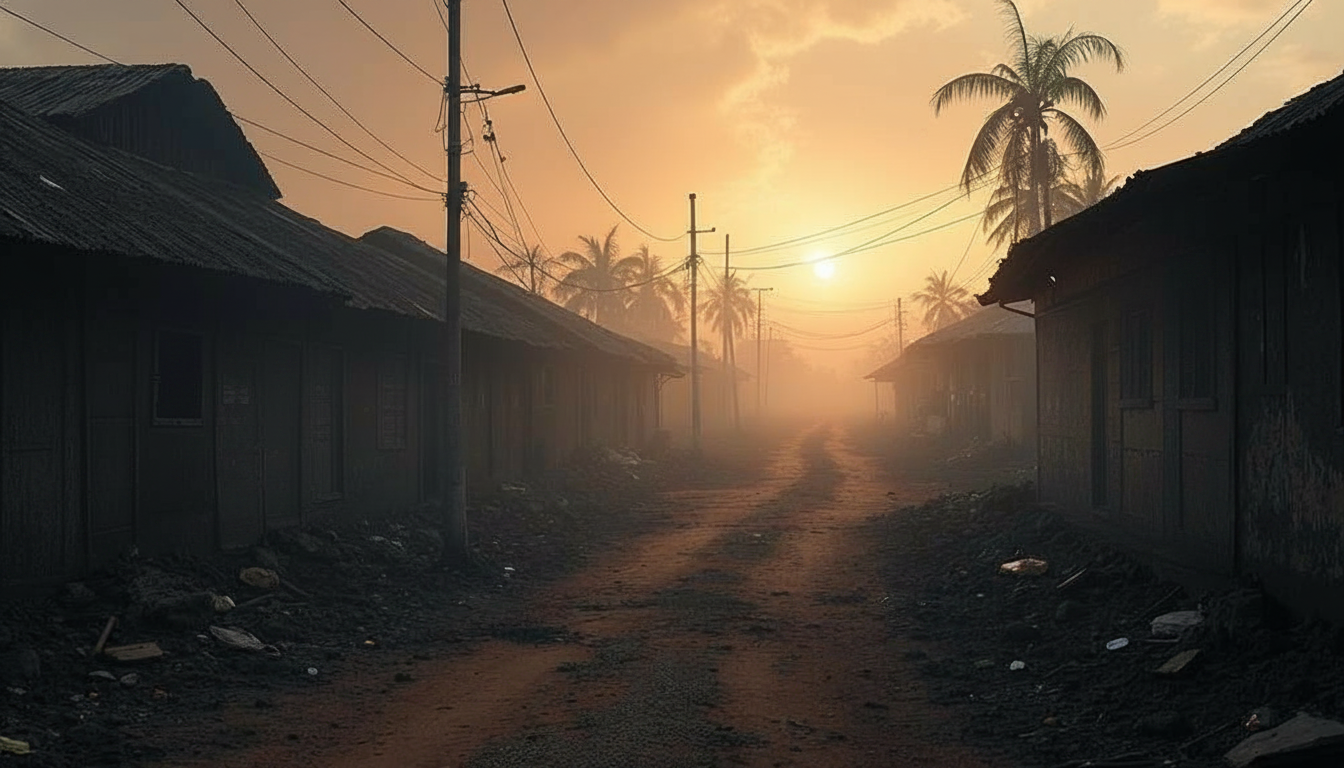
The Kharam Vaiphei fire incident, which occurred on May 30 in Manipur’s Kangpokpi district, has sparked alarm and unrest within the community. Reports indicate that multiple houses were damaged when unidentified individuals allegedly set them ablaze during the afternoon. This troubling event coincided with significant rallies organized by Kuki-Zo groups advocating for justice in recent violent conflicts, further heightening tensions in the region. In light of these developments, Kuki organizations have demanded a thorough investigation into the circumstances surrounding the Kharam Vaiphei incident, emphasizing that swift legal action is essential to maintain peace. With growing concerns about the overall security situation in Manipur, community leaders are urging authorities to take proactive measures to protect residents and prevent anything similar from escalating in the future.
The recent fire outbreak in Kharam Vaiphei village has raised significant issues among the local populace, primarily focused on safety and accountability. As investigations unfold regarding this Kangpokpi district incident, the call for transparency and justice from various Kuki organizations has become a crucial theme. Following the fire, which reportedly may have involved armed aggression, community voices have amplified their concerns regarding the broader implications for stability and security in the region of Manipur. The context of this incident, especially amid tense political rallies, highlights a critical juncture for Kuki and other local communities striving for harmony amid unrest. As residents seek clarity and assurance, the government faces increasing pressure to address both the immediate and underlying issues affecting the security landscape.
Kharam Vaiphei Fire Incident: Understanding the Aftermath
On May 30, a devastating fire engulfed several houses in Kharam Vaiphei village, situated in the Kangpokpi district of Manipur. This unfortunate incident, which seems to have involved unidentified armed assailants, has left the community in shock. Reports suggest that the fire began around 2:15 PM, coinciding with a day of significant socio-political activism by Kuki-Zo organizations across the region. Eyewitness accounts highlight that the rapid spread of the flames rendered significant property damage, although there were no immediate reports of casualties.
The response from local organizations has been swift, with the Kuki Inpi Manipur (KIM) condemning the arson and demanding accountability. These organizations are calling for a thorough investigation into the circumstances surrounding the fire, asserting that the government must act to secure the area and protect its residents. The incident raises urgent questions about the current security situation in Manipur, particularly in its vulnerable villages, and the role that armed factions may play in exacerbating local tensions.
The Broader Impact of the Kharam Vaiphei Incident on Manipur’s Security Situation
The fire incident in Kharam Vaiphei highlights the precarious nature of security in Manipur, particularly within the context of ongoing ethnic conflicts and community tensions. On the day of the Kharam Vaiphei fire, various Kuki-Zo organizations were rallying across the Kangpokpi district, advocating for justice in connection with the recent killings of community leaders. This backdrop underscores a tumultuous phase for the residents of the area, as they navigate the complexities of violence and calls for justice that resonate throughout their lives.
In light of the Kharam Vaiphei incident, community leaders like the Kuki Students’ Organization (KSO) are pressing authorities for not just answers, but actionable measures that enhance security protocols in the region. These developments have ignited a call to action among security forces and government entities to reassess their strategies in managing ethnic tensions and ensuring community safety. Such steps are essential if authorities hope to mitigate the risk of future incidents and foster a sense of peace and security among the local population.
The collective voice of Kuki organizations has sent a clear message: the Kharam Vaiphei fire incident not only symbolizes the immediate threats facing residents but also serves as a call for systemic change within the security framework of Manipur.
Community Response to the Kharam Vaiphei Fire: A Call for Justice and Safety
In the wake of the Kharam Vaiphei fire incident, the community’s response has showcased resilience and a demand for justice. Local leaders and organization members have expressed profound dismay over the destruction of homes, emphasizing the urgent need for state intervention. The Kuki Inpi Manipur and other groups are actively seeking clarity regarding the events that led to the fire, as they believe that such incidents underline a broader issue of lawlessness in the region.
The push for enhanced security measures is evident as organizations like the Kuki Students’ Organization (KSO) actively engage with residents, collecting testimonies and demanding accountability from local authorities. Their concern reflects a community united not just in mourning but also in a commitment to prevent future tragedies. As the investigation into the Kharam Vaiphei fire unfolds, the plea for protection and justice resonates strongly among the local populace, highlighting the need for immediate and sustained efforts to foster peace and stability in the affected areas.
Investigation Demands Post-Kharam Vaiphei Incident: The Role of Kuki Organizations
Following the fire at Kharam Vaiphei, Kuki organizations have vehemently called for an exhaustive investigation to determine the individuals responsible for the arson. This demand has been echoed throughout the community, signifying a collective yearning for clarity in a situation clouded by fear and uncertainty. The Kuki Inpi Manipur’s statement on the matter highlights a crucial moment for local authorities to demonstrate their commitment to protecting the rights and safety of residents.
The insistence on an investigation is not just about accountability; it reflects the broader struggle of the Kuki community for recognition and respect within a complex socio-political landscape. The Kuki organizations aim to ensure that the voices of the affected remain heard, and that there is a concerted effort to uphold justice in Manipur. Their activism serves as a reminder of the ongoing challenges faced by communities in conflict, where securing safety and justice can often seem like an uphill battle.
Fire Incident in Kharam Vaiphei: Implications for Local Governance in Manipur
The fire incident in Kharam Vaiphei has spotlighted the critical need for effective local governance in Manipur. The event’s occurrence amid rallies advocating for justice signifies a timing that illustrates the juxtaposition of community activism and the failures of governance to maintain security. This situation has aroused significant public concern about the ability of local authorities to protect civilians, highlighting their responsibility to act decisively in the face of violence.
In the aftermath of the incident, it is imperative for local governance structures to reflect on their strategies regarding community safety. As Kuki organizations demand action, there is a growing awareness that effective governance must encompass proactive measures that not only address immediate threats but also build long-term trust within the community. The ongoing dialogues and community engagement fostered by organizations like KIM and KSO are essential as they may play a critical role in shaping future policies that prioritize human safety and community cohesion.
Rallies and Fires: A Day of Tension in Kangpokpi District
May 30 was marked by civil unrest as Kuki-Zo organizations organized rallies across Kangpokpi district, advocating for justice for various recent incidents while simultaneously facing the tragic news of the Kharam Vaiphei fire. This overlap of peaceful protest and violent eruption underscores the tension inherent in Manipur’s current socio-political climate. Frustrations simmering within the community about perceived injustices have culminated in events that demand urgent attention from local authorities.
The rallies aimed to shed light on the killings of community leaders, which have already put residents on edge, creating a volatile environment where peaceful advocacy can swiftly devolve into violence. The Kharam Vaiphei incident has served as a grim reminder of the delicate balance between advocacy for justice and the safety of community members, signifying the urgent need for comprehensive dialogue and action among all stakeholders in Manipur.
Kuki Organizations Unite for Response: Combating Violence in Manipur
In reaction to the Kharam Vaiphei incident, Kuki organizations have united in a collective call for peace and safety within their communities. This moment of crisis has prompted these groups to address not only the immediate aftermath of the fire but also the underlying factors contributing to rising violence in Manipur. Through joint statements and organized actions, these organizations are signaling a unified front against the forces that threaten their people’s safety and cohesion.
The collaboration among the Kuki organizations is aimed at fostering resilience within affected communities, promoting not only self-protection strategies but also community engagement to advocate for long-term solutions. Enhanced security for vulnerable populations and a focus on reconciliation efforts become necessary priorities as they work to ensure that the tragic blazes of Kharam Vaiphei and similar incidents are not repeated in the future.
Living with Fear: Kharam Vaiphei and the Need for Community Resilience
The aftermath of the Kharam Vaiphei fire has left residents grappling with fear and uncertainty. Living under the shadows of violence can deeply affect community morale, complicating daily life and interactions among local residents. The immediate need for recovery, both physically and emotionally, cannot be understated, as people work to rebuild their homes even as the specter of violence looms large. There is an acute realization that community resilience will play a critical role in overcoming these challenges.
Community resilience involves not only rebuilding properties but also fostering a renewed sense of hope among residents through collective action and mutual support. The Kuki organizations’ efforts to mobilize community resources in response to the fire serve as a testament to the strength that can arise from unity. Moving forward, it will be essential for community leaders and residents alike to engage in proactive dialogues about safety, justice, and collaboration to create a more secure living environment.
Examining the Role of Local Media in Reporting the Kharam Vaiphei Incident
In the age of information, local media plays a critical role in shaping narratives around incidents such as the fire at Kharam Vaiphei. Accurate reporting of the events can significantly influence community perception and government action, highlighting the importance of responsible journalism in times of crisis. As various organizations call for transparency and answers, media outlets can serve as vital watchdogs advocating for justice while holding officials accountable.
Moreover, the way in which the local media covers incidents in Manipur, including the Kharam Vaiphei fire, contributes to broader conversations around community safety and governance. By prioritizing balanced reporting that reflects community voices, media can facilitate meaningful dialogue, offering a platform for affected individuals and organizations to express their concerns. This relationship underscores the essential role of media in not just reporting news, but in helping to frame the broader discourse surrounding community safety and justice.
Frequently Asked Questions
What are the details of the Kharam Vaiphei fire incident in Manipur?
The Kharam Vaiphei fire incident occurred on May 30 in Kangpokpi district, Manipur, where at least five houses were damaged due to a fire reportedly set by unidentified armed individuals around 2:15 PM. Kuki organizations are demanding an investigation into the attack and surrounding circumstances, highlighting concerns over the security situation in Manipur.
| Point | Details |
|---|---|
| Incident Date and Location | May 30, Kharam Vaiphei village, Kangpokpi district, Manipur |
| Time of Incident | Approximately 2:15 PM |
| Extent of Damage | At least five houses damaged |
| Alleged Involvement | Unidentified armed individuals |
| Casualties | No immediate casualties reported |
| Community Response | Demand for investigation by Kuki organizations |
| Security Concerns | Calls for improved safety measures and investigations |
Summary
The Kharam Vaiphei fire incident, which occurred on May 30, has sent shockwaves through the local community in Manipur’s Kangpokpi district. Reports indicate that at least five houses in the village were set ablaze, prompting urgent demands from Kuki organizations for a thorough investigation. Local sources allege involvement by unidentified armed individuals amidst rising tensions in the area as Kuki-Zo organizations rallied for justice on the same day. The incident highlights serious security concerns and the need for governmental action to protect residents and prevent further violence. Community leaders have called for accountability and re-affirmed the importance of peace and coexistence among the people, emphasizing that urgent measures are necessary to safeguard the lives and properties of civilians in vulnerable regions.