

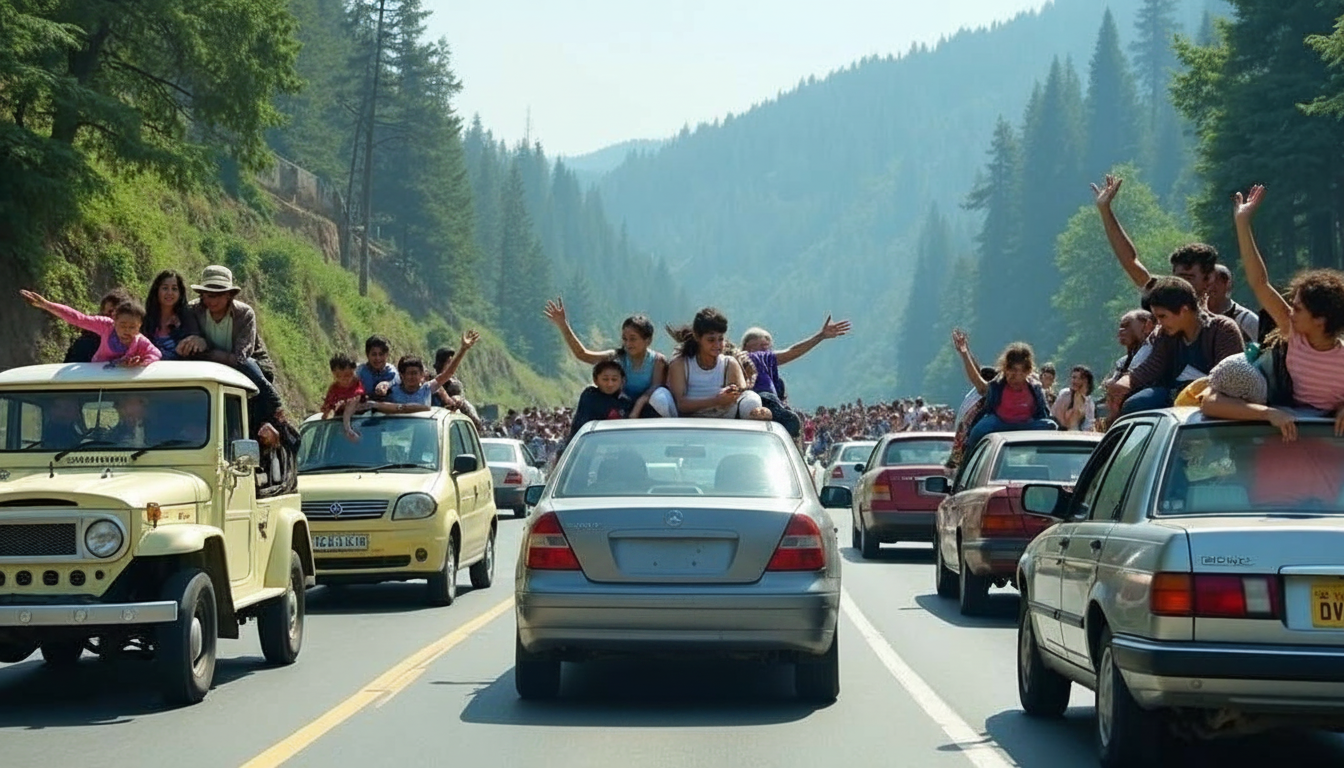
Shimla tourist traffic has drastically surged this summer as heatwave conditions in northern India push thousands of vacationers towards the cooler climes of the hill station. With soaring temperatures in major cities, travelers flock to Shimla, resulting in severe traffic jams that extend for kilometers along the roads leading to this beloved destination. Social media channels are abuzz with humorous and frustrating anecdotes from those stuck in these long queues, leading many to wonder if their vacations are turning into torturous hours spent in traffic instead of enjoyment. Travel experts are encouraging potential visitors to follow Shimla travel tips to navigate these unprecedented challenges and avoid getting caught in the chaotic congestion of hill stations traffic. As the influx continues, authorities are scrambling to manage this ever-increasing tourist influx, further complicating the already tense situation on the roads, especially when parallels to Sikkim’s tourist influx can be drawn.
The influx of tourists to Shimla and other neighboring hill stations during peak summer months signifies a broader trend known as heatwave tourism, where individuals flock to cooler high-altitude locales to escape the oppressive heat. This seasonal migration not only fuels traffic congestion but also poses significant challenges for local infrastructure, which struggles to cope with the sudden surge of vehicles and visitors. As families and groups journey into these mountainous escapes, the resulting bottlenecks and delays have become a common theme echoed across various social media platforms. The struggles of managing hill stations traffic has become a pressing concern for officials as occupancy rates in hotels remain high, mirroring similar patterns seen in popular destinations like Sikkim and Kodaikanal. Consequently, adequate planning and adherence to Shimla travel tips have become crucial for ensuring smoother travel experiences amid the increasing pressure of mass tourism.
Shimla Tourist Traffic: An Annual Challenge
During the summer months, Shimla experiences a surge in tourist traffic, which consistently results in extensive congestion on the roads leading to this picturesque hill station. With the rising temperatures across northern India, residents and visitors alike are drawn to the cooler climes of Shimla, often resulting in vehicles lining up for kilometers. Estimates suggest that over 154,000 vehicles entered the city in just a single week recently, causing frustrating delays for many travelers who find themselves trapped in traffic jams for hours on end. This relentless influx of tourists each summer underscores the correlation between regional heatwaves and increased tourist traffic, which has become a defining feature of Shimla’s appeal as a summer getaway.
The narratives surrounding this annual phenomenon are often fueled by social media posts, where accounts of grueling traffic conditions are widespread. Many travelers jest that their journeys are more about road time than sightseeing experiences, especially when caught in long lines of stationary vehicles. Despite these challenges, local businesses such as hotels continue to fill up rapidly, with occupancy rates peaking as visitors flock to the area to escape the sweltering heat. Shimla’s charm remains undeniable, yet its ability to accommodate this tourism surge raises concerns about sustainable travel practices and the long-term viability of its infrastructure.
Summer Heatwave and Hill Stations’ Strain
As temperatures soar past 45 degrees Celsius in various regions, hill stations like Shimla are inundated with tourists seeking relief from the heat. Sikkim and other similar high-altitude locales experience a notable uptick in visitors during this time, leading to severe traffic congestion and packed accommodations. The combination of heatwave-induced travel and limited access to these destinations means that traffic management strategies are critical to maintaining a flow through these narrow mountain roads. While travelers often anticipate breathtaking views, they frequently encounter a different reality: significant traffic snarls that can extend for hours.
Moreover, the surge in tourists sometimes surpasses the capabilities of local infrastructure, designed for far fewer vehicles and people. Reports indicate that other hill stations have echoed Shimla’s plight, experiencing similar traffic jams that frustrate visitors hoping for a quick getaway. The need for improved planning and infrastructure development in these popular mountain retreats becomes an urgent topic each summer as local authorities balance the pressures of tourism with the inherent limitations of their environments. Without proactive measures, the beauty and accessibility of these cherished destinations may be compromised further.
Travel Tips for Navigating Shimla’s Congestion
Traveling to Shimla during peak season requires careful planning, especially given the recent influx of tourists leading to congested traffic conditions. One of the most vital tips for visitors is to aim for early morning departures to avoid the long queues that typically build up as the day progresses. Not only does this strategy enable travelers to skim past the worst of the traffic jams, but it also allows for a chance to appreciate the spectacular landscape in the serenity of the morning hours. Additionally, staying informed about real-time traffic updates via social media can provide valuable insights regarding potential delays and help adjust travel plans accordingly.
Another effective approach for navigating traffic in Shimla is to consider alternative routes or methods of transportation. Local authorities recommend using public transport options like buses or shared taxis to reduce the number of vehicles on the road. Travelers may also want to inquire about off-peak travel options or stays at accommodations located further away from the main tourist hotspots. By implementing these travel strategies, visitors can enhance their experience and reduce the stress that often accompanies long stretches of road travel, ensuring that their trip to Shimla remains enjoyable amid the bustling tourist traffic.
The Impact of Social Media on Travel Trends
Social media platforms have significantly influenced travel trends, particularly in popular destinations like Shimla and Sikkim. The phenomenon of sharing travel experiences through images and videos has spurred a dramatic increase in tourist traffic, as individuals are motivated by the desire to capture and share similar memorable moments. However, this surge in attention often leads to overcrowding and logistical challenges, particularly during peak seasons when demand overwhelms local resources. Travelers are increasingly reliant on social media not just for inspiration but for real-time updates on traffic conditions and accommodations.
Moreover, the portrayal of these hill stations in social media posts can often exacerbate perceptions of chaos and congestion. While many influencers depict the idyllic aspects of mountainous retreats, the reality on the ground can be vastly different, with heavy traffic being a common sight during peak tourist seasons. Such exaggerated portrayals may lead to heightened expectations that do not match the traveler’s actual experience. Thus, visitors must approach these narratives with a critical eye, balancing the allure of picturesque social media representations with the practical realities inherent in travel logistics.
Shimla’s Summer Tourism: Pros and Cons
The summer tourism season in Shimla brings both significant benefits and challenges. On one hand, the influx of tourists generates revenue for local businesses, supports employment opportunities, and encourages the preservation of Shimla’s cultural heritage. Hotels, restaurants, and shops rely heavily on this seasonal boom to sustain their operations throughout the year. However, the overflow of visitors can lead to detrimental impacts on the environment and infrastructure, as narrow roads become choked with vehicles and the natural landscape struggles to cope with the increased foot traffic.
Additionally, the stress on local resources can compromise the visitor experience, as traffic bottlenecks mean less time spent enjoying the breathtaking views and cultural landmarks that Shimla has to offer. To strike a balance between economic sustainability and preserving the charming appeal of the town, authorities must develop efficient tourist management strategies. Addressing issues like traffic congestion through enhanced public transport options and visitor guidelines can significantly improve both the tourist experience and the town’s sustainability.
Addressing Infrastructure Limits in Tourist Hotspots
With the overwhelming growth in tourism during the summer months, Shimla’s infrastructure is frequently tested beyond its limits. The narrow mountain roads and limited parking facilities make it difficult to manage the increasing number of travelers effectively. Local authorities must grapple with how to enhance the existing infrastructure while ensuring that they do not compromise the environmental integrity of these beautiful hill stations. There is an urgent need for improved road connectivity and expanded public transportation systems to alleviate the traffic problems exacerbated by seasonal travel spikes.
Implementing sustainable tourism practices is crucial for sustaining the beauty and accessibility of Shimla and similar hill stations. Tourist management can be harmonious with environmental conservation if local governments are proactive in their planning. This includes promoting off-peak travel periods, regulating the number of vehicles allowed into sensitive areas, and investing in initiatives that encourage eco-friendly transport options. By addressing infrastructure limitations and actively developing strategies to enhance visitor experience without further straining local resources, Shimla can continue to flourish as a favorite summer destination.
Heatwave Tourism: Trends and Implications
The phenomenon of ‘heatwave tourism’ has emerged as a new trend, particularly evident in the increased traffic to destinations like Shimla as temperatures soar in the plains. Many travelers seek refuge in the cooler temperatures of the hills during summer months, leading to dramatic spikes in occupancy rates and visitor numbers. This trend brings to light critical discussions around the repercussions of such travel behavior. While it drives economic growth, it can also create unsustainable pressures on local communities and ecosystems.
This burgeoning trend necessitates smart tourism strategies where the influx of heatwave tourists can be managed effectively. Promotional campaigns encouraging off-peak travel or raising awareness of the environmental impacts can foster responsible tourism. Ultimately, by educating travelers on sustainable practices, Shimla can mitigate the negative consequences associated with this influx while continuing to provide refuge from the summer heat.
Managing Tourist Expectations Amidst Crowding
As tourists flock to Shimla seeking a respite from the blistering heat, managing expectations becomes crucial in enhancing their travel experience. Many travelers underestimate the congestion that often accompanies peak season travel. As traffic jams become part of the landscape in this popular hill station, it’s essential that authorities, as well as accommodation providers, clearly communicate the expected conditions. By informing travelers about potential delays and suggesting alternate itineraries, visitors can better prepare and mold their expectations to fit the realities of summer visits to Shimla.
Moreover, it’s beneficial for travelers to approach their trip to Shimla with an attitude of adaptability. By embracing flexible plans and a willingness to explore less congested areas, such as nearby hiking trails or scenic spots off the beaten path, visitors can discover the hidden gems that the region has to offer. This way, even while navigating the challenges of crowding and congestion, travelers can still enjoy a fulfilling experience that transcends the mere act of waiting in traffic.
The Future of Tourist Traffic in Shimla
The future of tourist traffic in Shimla presents both challenges and opportunities. As climate change continues to influence weather patterns, the frequency and intensity of summer heatwaves may result in even higher visitor rates drawn to cooler mountainous regions. To prepare for this growing trend, Shimla needs to invest in sustainable tourism measures and develop a robust transport network that can handle the increasing flow of vehicles and people. As the demand for travel to hill stations rises, balancing tourism growth with environmental sustainability will become increasingly critical.
Long-term solutions may involve enhanced public transport options and incentives for visitors to use shared transport or public systems instead of personal vehicles. Moreover, trends such as eco-tourism, which focus on preserving Shimla’s natural beauty while still welcoming visitors, must be prioritized. By adopting a forward-thinking approach and prioritizing infrastructure upgrades and effective traffic management solutions, Shimla can remain a prime destination for travelers while safeguarding its environment for future generations.
Frequently Asked Questions
What are the current traffic conditions for tourists traveling to Shimla?
Tourists heading to Shimla are currently facing significant traffic congestion, with reports of kilometers-long traffic jams due to a surge in visitors escaping the heatwave. The influx has led to severe traffic jams on roads leading to Shimla, particularly as over 154,000 vehicles entered the city in just a week.
How does the Sikkim tourist influx impact Shimla traffic?
The Sikkim tourist influx contributes to overall hill station traffic, with many travelers choosing scenic routes through Shimla on their way to popular destinations like Gangtok. This increased travel volume exacerbates existing traffic jams in Shimla during peak tourist seasons.
What travel tips can help avoid Shimla traffic jams?
To avoid Shimla traffic jams, travelers are advised to plan their journey during off-peak hours, utilize alternative routes, or consider public transport options. Staying updated on traffic conditions through local news or mobile applications can also aid in making informed travel decisions.
How does heatwave tourism affect traffic in hill stations like Shimla?
Heatwave tourism drives a significant increase in tourist traffic to hill stations like Shimla. As temperatures soar in neighboring plains, more visitors flock to cooler altitudes, resulting in overcrowded roads and severe congestion, which can lead to long delays for travelers.
What can tourists expect in terms of hotel availability in Shimla during peak tourist seasons?
During peak tourist seasons, Shimla’s hotels often experience near-full capacity, with occupancy rates exceeding 80 percent. Travelers should consider booking accommodations in advance to secure their stay.
What measures are being taken to manage traffic congestion in Shimla?
Authorities are enhancing traffic management measures to cope with the increased tourist traffic in Shimla. However, due to the limited infrastructure, they focus on managing the current conditions rather than significantly expanding parking or road capacity.
Are there any alternatives to driving for tourists visiting Shimla?
Yes, tourists can consider alternatives such as using public transportation services like buses or hiring local taxis to navigate within Shimla. These options can help reduce the number of vehicles on the road and lessen traffic congestion.
How has social media influenced tourist traffic trends in Shimla?
Social media plays a significant role in shaping tourist traffic trends in Shimla, as viral posts and reels showcasing the beautiful scenery attract more visitors. However, these media portrayals sometimes exaggerate the level of traffic chaos, potentially leading to misperceptions among prospective travelers.
| Key Point | Details |
|---|---|
| Tourist Traffic Surge | A significant increase in tourist influx to hill stations like Shimla and Manali due to a heatwave, leading to severe traffic jams. |
| Traffic Conditions | Reports of kilometers-long traffic jams and tourists spending excessive time in traffic rather than sightseeing. |
| Hotel Occupancy | Hotels in Shimla, such as Hotel Holiday Home, are experiencing over 80% occupancy, with no cancellations reported. |
| Challenges in Infrastructure | Inadequate infrastructure struggles to cope with the tourist influx, leading to calls for improved traffic management. |
| Exaggerated Online Narratives | Policing officials mention that social media often exaggerates the reality of the traffic situation on the ground. |
Summary
Shimla tourist traffic has dramatically worsened during the recent heatwave, with a significant influx of visitors leading to hours-long traffic jams. As temperatures soar, travelers from various regions flock to the cooler hill stations, overwhelming local infrastructure. Although social media portrays chaotic scenes, authorities indicate that the situation is more controlled than depicted online. The challenges faced by Shimla and similar destinations underscore the need for sustainable management of tourist flows during peak seasons.



























