

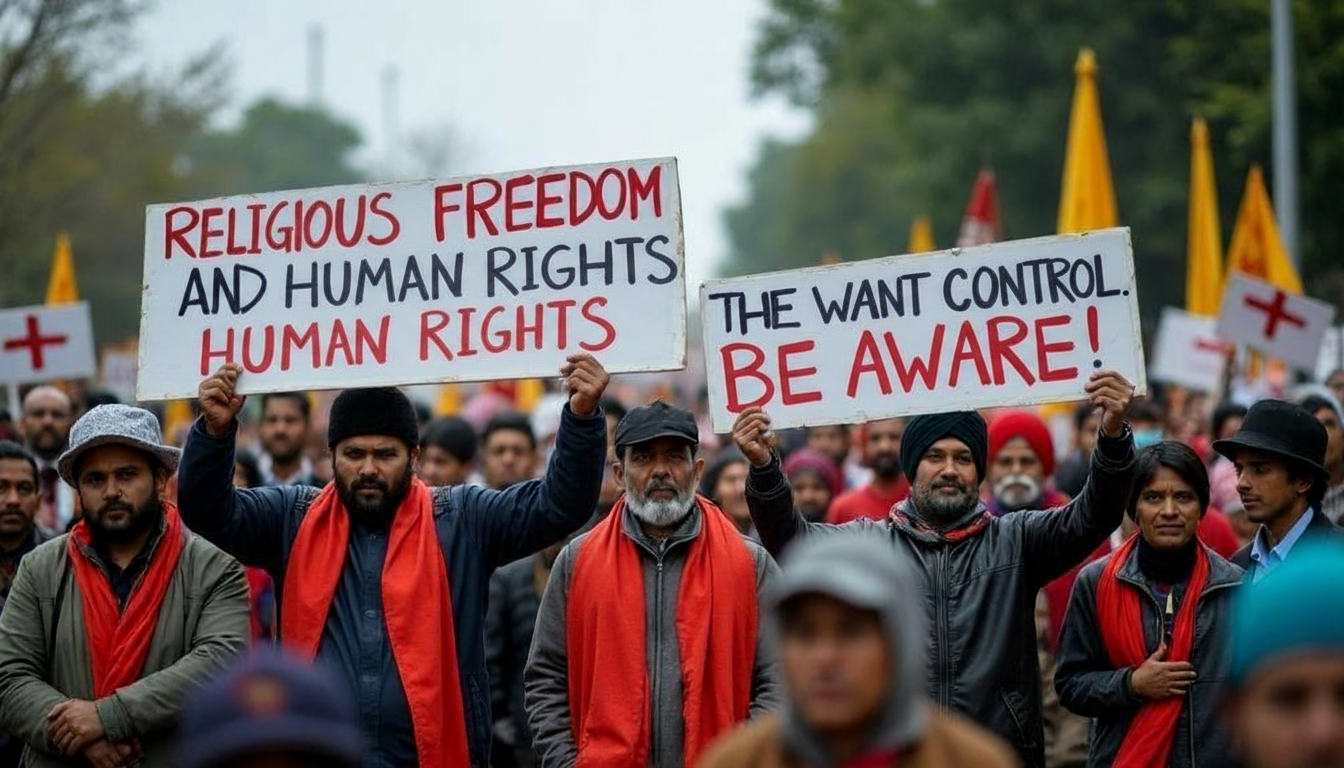
The Arunachal Pradesh Freedom of Religion Act (APFRA) has come under intense scrutiny recently, as the Arunachal Christian Forum (ACF) calls for the suspension of its rule-making process. This demand emphasizes profound concerns within the Arunachal Pradesh Christian community regarding potential threats to religious freedom in the region. The forum has voiced its strong opposition to the High-Powered Committee’s rapid progression in framing rules under this decades-old law, fearing repercussions for social harmony and peaceful coexistence among the state’s diverse religious groups. With rising tensions and calls for meaningful consultation amidst the continuing state religion act controversy, the ACF encourages the government to halt its current trajectory in the interest of fostering unity. As the situation unfolds, the spotlight continues to shine on how this act could reshape religious dynamics and the discourse surrounding religious freedom in Arunachal Pradesh.
Debates around the Arunachal Pradesh Freedom of Religion Act have resurfaced, with numerous stakeholders emphasizing the need to assess its implications for religious liberty across the state. Alternative phrasing related to this topic includes discussions on laws governing religious practices and the intricacies of freedom of belief within this northeastern region of India. The Christian Forum in Arunachal Pradesh has emerged as a significant voice advocating for the rights of Christians, raising alarms about any operational framework that could infringe upon their right to worship freely. Community leaders express alarm over the potential impact of the APFRA suspension demand on social stability and the broader discussions surrounding community relations. As calls for widespread dialogue continue, the expected clash between governmental authority and religious freedom advocates raises critical questions about the future of interfaith coexistence in Arunachal Pradesh.
Overview of the Arunachal Pradesh Freedom of Religion Act (APFRA)
The Arunachal Pradesh Freedom of Religion Act (APFRA), enacted in 1978, aims to regulate religious conversions in the state. It holds a significant position in the legislative framework of Arunachal Pradesh and has projected itself as a measure to maintain social harmony among the diverse tribal communities. However, the Christian Forum Arunachal Pradesh (ACF) now expresses concerns that the current framing of rules under this act might not only jeopardize religious freedom but may also regenerate communal tensions within a historically peaceful state.
The ACF’s position reflects a critical viewpoint among stakeholders regarding the Act’s implications. They argue that the hasty actions undertaken by the High-Powered Committee signify a lack of sensitivity towards the concerns of the Christian community in Arunachal Pradesh. By attempting to implement rules within the APFRA without comprehensive discussions, the government risks alienating significant portions of the population, thus challenging the very objective of social harmony that the Act was initially intended to promote.
Concerns Raised by the Arunachal Christian Forum
The Arunachal Christian Forum has articulated its fears that the proposed implementation of the APFRA rules could infringe upon the rights and freedoms guaranteed under the Indian Constitution. They emphasize that any legislative modifications impacting religious practices must follow extensive dialogue with affected communities to foster understanding and avoid conflict. The ACF’s opposition is thus deeply rooted in a commitment to protecting both the legal rights of individuals and the larger ethos of communal peace.
Further, the forum’s memorandum highlights the perceived unilateral approach taken by the state government in progressing with APFRA regulations. This lack of collaborative engagement has led to growing mistrust between the government and various religious communities, particularly the Arunachal Pradesh Christian community. The ACF warns that the failure to halt the rule-making process could provoke organized protests and a potential statewide bandh, implications that could escalate the already fragile peace in the state.
The Call for Suspension and Dialogue
In light of the current situation, the Arunachal Christian Forum has made a clarion call for the suspension of all proceedings related to the framing and notification of APFRA regulations. Their demands are not only aimed at safeguarding religious freedoms but also at fostering an environment conducive to peaceful discussions among all sects within the state. By urging the government to revise its approach to stakeholder consultation, the ACF is striving to instill a sense of trust and cooperative governance in Arunachal Pradesh.
The forum’s three key demands encapsulate their aim for transparency and inclusiveness as prerequisites for any legislative action. The call for a public declaration to cease current processes underlines a desire for a more democratic engagement in decision-making. This significant shift in focus reflects an understanding that fostering communal harmony requires the active participation and consent of diverse religious and community groups within Arunachal Pradesh.
Impact on Religious Freedom in Arunachal Pradesh
The ongoing debate around the Arunachal Pradesh Freedom of Religion Act has inevitable implications for religious freedom across the state. The concerns raised by the ACF resonate with many individuals who value the democratic principles enshrined in the Constitution, particularly the right to practice one’s religion freely. As the dialogue continues, it is crucial to consider the balance between maintaining social order and protecting individual rights of religious expression.
If the government’s approach to implementing the APFRA rules proceeds without adequate consultation and consensus, it could lead to widespread unrest. The ACF’s fears highlight that suspending the current rule-making process is essential not just for the Christian community, but for preserving the cultural and religious fabric of Arunachal Pradesh as a whole. Achieving an inclusive dialogue could pave the way for a harmonious coexistence of different faiths while upholding mutual respect and understanding.
Response from Arunachal Pradesh Government
The Arunachal Pradesh government, led by Chief Minister Pema Khandu, has found itself at a contentious crossroads regarding the APFRA. As the ACF presents its demands, the government’s response will likely indicate its commitment to honoring democratic principles and engaging with diverse community perspectives. The administration’s handling of this situation will be scrutinized, particularly in terms of its ability to foster dialogue without alienation.
In a state known for its rich tapestry of tribal communities and beliefs, the government’s moves will hold significant weight in shaping public opinion and community relationships. Following the pressure from the ACF, stakeholders across Arunachal Pradesh are keenly watching how the government navigates these discussions, with their decisions poised to either bridge gaps in communal trust or exacerbate existing divides.
Future of Religious Legislation in Arunachal Pradesh
Looking ahead, the future of religious legislation in Arunachal Pradesh hinges on collaborative governance and responsiveness to community needs. The APFRA may need to undergo critical evaluation and possible reform to ensure it aligns with the contemporary values of equality and freedom enshrined in the Constitution. A collaborative approach characterized by meaningful stakeholder dialogues, as advocated by the ACF, could pave the way for a new legislative framework that honors both religious freedoms and communal harmony.
As discussions regarding the APFRA progress, there is an opportunity for leaders and community representatives to come together to craft solutions that genuinely reflect the aspirations of the people. Initiatives that involve stakeholder collaborative workshops or community forums may be beneficial in achieving a well-rounded legislative approach that respects diverse faiths while emphasizing social cohesion across Arunachal Pradesh.
The Role of the Christian Community in Advocating Religious Rights
The Arunachal Pradesh Christian community, represented by organizations such as the ACF, plays a vital role in advocating for the protection of religious rights and freedoms within the state. Their activism highlights the importance of voice and representation in the discourses surrounding religious legislation and community welfare. Addressing grievances through organized lobbying and formal memoranda, they serve not only as advocates for their community but as contributors to the broader discussion on human rights and peace.
Moreover, the Christian community in Arunachal Pradesh exemplifies resilience in the face of regulatory challenges. By standing united in their demands for suspended APFRA regulations, they emphasize the necessity of inclusive governance. Through their advocacy, they inspire other marginalized groups in the state to raise their voices and assert their rights while ensuring that the principles of justice and equity are upheld.
Navigating Controversies Surrounding the State Religion Act
The controversies surrounding legislative actions like the Arunachal Pradesh Freedom of Religion Act necessitate careful navigation by political leaders to avert social strife. The reactions from groups such as the ACF underscore the potential conflict between state policies and community sentiments. As discussions unfolds, it becomes increasingly important for the government to ensure that the legislative processes are transparent and inclusive.
Failure to address these controversies with due diligence can set a precedent that clouds future governance in Arunachal Pradesh. Hence, the need for a deliberate approach in reconciling differing viewpoints cannot be overstated. Active and inclusive dialogue can serve to redefine the relationship between the state and its diverse citizenry while promoting respect for religious freedoms.
The Significance of Stakeholder Engagement in Governance
The current demands for the suspension of APFRA rules serve as a reminder of the significance of stakeholder engagement in governance. The ongoing discourse illustrates that policies affecting religious and cultural dynamics in Arunachal Pradesh must be formulated with substantial input from the communities they impact. The ACF’s initiatives spotlight the importance of establishing frameworks for continuous dialogues where the government remains accountable to its citizenry.
Incorporating feedback from various religious organizations, including the Christian Forum, ensures that the legislative process is genuinely representative of the needs of all Arunachal Pradesh citizens. Rather than being seen as a mere bureaucratic obligation, stakeholder engagement can enhance the trust levels between communities and government. This foundational change holds the potential to transform how governance is perceived and enacted in the state.
Frequently Asked Questions
What is the Arunachal Pradesh Freedom of Religion Act and why is it controversial?
The Arunachal Pradesh Freedom of Religion Act (APFRA), 1978, is a law intended to regulate conversions and maintain religious harmony in the state. The controversy arises from concerns that its implementation may threaten the constitutional rights and religious freedom of various communities, particularly the Arunachal Pradesh Christian community, leading to social unrest.
Why is the Arunachal Christian Forum demanding the suspension of rules under the Arunachal Pradesh Freedom of Religion Act?
The Arunachal Christian Forum (ACF) demands the suspension of rule framing under the APFRA due to fears that it could infringe on religious freedom and disrupt social harmony. They argue that the process has been rushed without adequate consultation with stakeholders, which could worsen community relations in Arunachal Pradesh.
How might the Arunachal Pradesh Freedom of Religion Act impact religious freedom in Arunachal Pradesh?
Implementation of the Arunachal Pradesh Freedom of Religion Act may significantly impact religious freedom by imposing regulations on conversions and religious activities. This has raised concerns among the Arunachal Pradesh Christian community about potential restrictions on their faith and practices, leading to fears of increased tension among different religious groups.
What steps has the Arunachal Christian Forum proposed regarding the Arunachal Pradesh Freedom of Religion Act?
The ACF has proposed three key actions: immediate suspension of rule framing under the APFRA, no notification or enforcement of the proposed rules, and a public declaration from the government to halt the process. They emphasize the need for comprehensive consultations with all stakeholders before any action is taken regarding religious freedom.
What are the implications of the ACF’s ultimatum to the government regarding the Arunachal Pradesh Freedom of Religion Act?
The ACF’s ultimatum suggests increased potential for protests if the government does not respond favorably to their demands concerning the Arunachal Pradesh Freedom of Religion Act. This could lead to widespread demonstrations aimed at safeguarding the rights of the Christian community and ensuring their religious freedom while aiming to maintain communal harmony in Arunachal Pradesh.
How has the state government responded to concerns about the Arunachal Pradesh Freedom of Religion Act?
The state government has not yet made a formal response to the concerns raised by the Arunachal Christian Forum. The ACF has requested that the government engage in meaningful dialogue and consultation before proceeding with any implementation or changes to the rules of the Arunachal Pradesh Freedom of Religion Act.
| Key Point | Details |
|---|---|
| Demand to Suspend APFRA Rules | The Arunachal Christian Forum (ACF) demands the immediate suspension of the rules framing under the Arunachal Pradesh Freedom of Religion Act (APFRA), 1978. |
| Concerns Over Religious Freedom | ACF fears that the implementation of the Act through rule formulation threatens religious freedom and social harmony. |
| Criticism of High-Powered Committee | The forum criticizes the HPC for rushing the rule-making process without adequate consultation with stakeholders. |
| Three Key Demands | 1) Immediate suspension of framing rules; 2) No notification or enforcement of proposed rules; 3) A public declaration to halt the process and consult stakeholders. |
| Deadline for Government Response | ACF has given the government fifteen days to respond to their demands, warning of potential protests if ignored. |
Summary
The Arunachal Pradesh Freedom of Religion Act has come under intense scrutiny as the Arunachal Christian Forum raises significant concerns regarding its implementation. The ACF’s demands highlight the fears surrounding religious liberty and social peace in the region, advocating for immediate suspension and broader stakeholder engagement before any rules can be enacted. This ongoing debate emphasizes the critical need for collaboration and discussion in matters of religious and community relations in Arunachal Pradesh, ensuring the rights of all citizens are respected and protected.



























