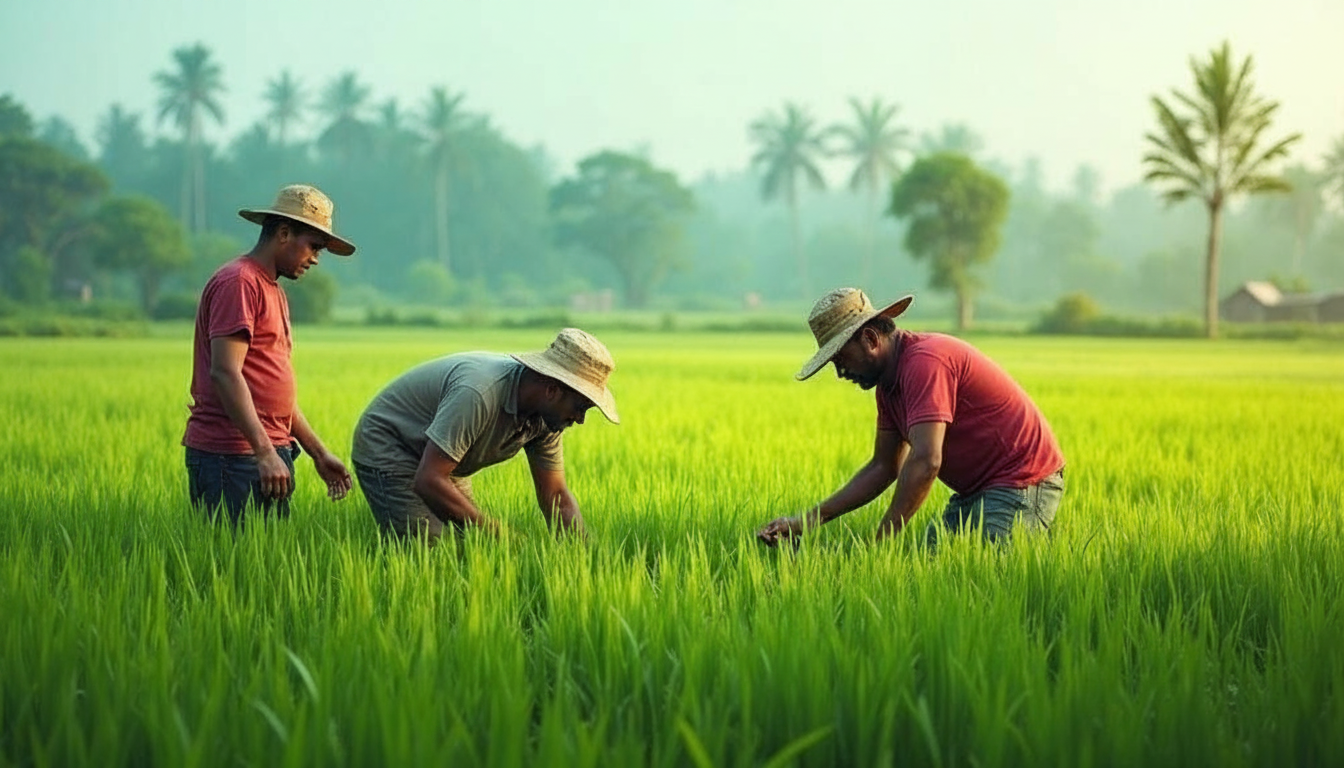
The Assam Meghalaya border dispute has been a long-standing issue, particularly highlighted in recent developments in the Tapat-Lapangap sector. This area, situated along an uncertain inter-state boundary, has become a flashpoint for tensions related to access to agricultural lands, crucial for both Assamese and Meghalaya farming communities. Recently, villagers from both states have resumed border agricultural activities after a temporary arrangement that aimed to ease conflicts. Under this agreement, farmers from the Karbi community in Assam will temporarily cultivate fields claimed by Meghalaya, while Khasi-Pnar farmers from Meghalaya will work on Assamese-held lands. This cooperative approach not only sustains livelihoods but also fosters trust between neighboring communities grappling with historical disputes over land use.
The ongoing tensions along the boundary shared between Assam and Meghalaya highlight the complexities of regional land disputes in India. Known informally as the Assam-Meghalaya border conflict, the matter involves intricate negotiations over agricultural territories that are vital for the Karbi and Khasi-Pnar communities. In the disputed Tapat-Lapangap sector, recent efforts have facilitated a return to farming activities, demonstrating a proactive strategy to alleviate long-standing grievances. The resolutions achieved through local cooperation underscore a significant commitment to harmonious inter-state relations while navigating the challenges posed by overlapping claims. As this evolving narrative unfolds, the importance of collaborative solutions to border agricultural activities becomes ever more critical in fostering regional stability.
Understanding the Assam Meghalaya Border Dispute
The Assam Meghalaya border dispute has persisted for decades, stemming from the unclear delineation of inter-state boundaries established during the formation of Meghalaya in 1972. Unlike many other states, Meghalaya was carved out with inherent complexities due to legacy territorial claims dating back to colonial times. This complexity has led to multiple contentious sectors, with the Tapat-Lapangap sector being one of the focal points of conflict due to its agricultural significance.
Over the years, the lack of clarity in land ownership along the Assam Meghalaya border has resulted in conflicts between local communities, particularly over issues related to farming and land cultivation. The stalled negotiations and physical assertions by various groups, like the Karbi and Khasi-Pnar communities, show how deeply the border dispute is intertwined with the identity and livelihoods of these people. This ongoing strife often threatens stability in the region, necessitating political and social interventions.
Recent Developments in the Tapat-Lapangap Sector
Recently, in a move aimed at fostering peace and sustainability, villagers from Assam and Meghalaya have resumed farming in the contested Tapat-Lapangap sector. This decision came after weeks of conflict, highlighting local communities’ resilience to prioritize agricultural activities over disputes. The revival of farming indicates a shift towards mutual understanding despite the existing tensions related to the inter-state boundary.
This temporary arrangement that allows Karbi farmers from Assam and Khasi-Pnar farmers from Meghalaya to share and cultivate fields claimed by each other signifies a progressive step towards resolving ongoing hostilities. By facilitating inter-state agricultural collaboration, both governments aim to diminish misunderstandings while reinforcing community ties. Moreover, this cooperative approach not only helps in sustaining the livelihoods of farmers but also acts as a groundwork for broader negotiations regarding the remaining disputed sectors.
The Impact of Agricultural Activities on Community Relations
Agricultural activities along the Assam Meghalaya border are not just a means of livelihood; they also play a crucial role in shaping inter-community relations. The recent resumption of farming in the Tapat-Lapangap sector represents a vital opportunity for the Karbi and Khasi-Pnar communities to improve their interactions and foster a spirit of cooperation. When farmers from both sides collaborate, they can cultivate a sense of shared purpose and community interdependence, which is pivotal for long-term peace.
Moreover, engaging in joint farming activities helps in mitigating histories of mistrust and conflict prevalent between the communities. By working side by side, farmers can learn from each other’s agricultural practices, leading to enhanced techniques and productivity. This harmonious coexistence can ultimately lay the groundwork for a more peaceful resolution of the border dispute as it emphasizes the importance of agriculture in sustaining social fabric, enhancing food security and promoting economic stability in the region.
Political Measures towards Conflict Resolution
In light of the continuing challenges posed by the Assam Meghalaya border dispute, political measures have been initiated to foster dialogue and resolution. The recent 2022 agreement marked a significant milestone in addressing the conflict across six disputed sectors, offering hope for a more permanent resolution in the remaining areas, including the Tapat-Lapangap sector. Such political interventions underscore the necessity of governmental involvement in resolving local tensions that directly affect the lives of communities.
The commitment shown by both State governments in negotiating terms to allow agricultural operations in disputed areas illustrates a strategic focus on conflict resolution through engagement rather than confrontation. This reflects a broader recognition that local disputes should be addressed with sensitivity to community livelihoods and cooperation. The progress made so far highlights that while political solutions are critical, they must be complemented by grassroots efforts to foster peace among communities living along these complex inter-state boundaries.
Cultural Significance of Border Agricultural Activities
Agricultural practices in the Assam Meghalaya border areas are imbued with cultural significance, reflecting the heritage and traditions of the local communities. The Tapat-Lapangap sector, despite its disputed status, is rich in cultural narratives that influence farming practices and community life. For the Karbi and Khasi-Pnar communities, agriculture is not only about sustenance but also about identity, as traditional methods and crops form part of their cultural identity.
By allowing these communities to engage in border agricultural activities, there is potential for cultural exchange, where practices and traditions can intermingle and enrich both groups. Such interactions foster a sense of belonging and mutual respect, which can be crucial in dissipating long-standing resentments arising from territorial disputes. Emphasizing cultural ties enhances the possibility of peaceful cohabitation and conflict resolution, showcasing how agriculture can weave the social fabric of the regions involved.
Challenges of Farming Along the Disputed Borders
Farming along the Assam Meghalaya border, particularly in sectors like Tapat-Lapangap, presents several challenges that stem from the ongoing border dispute. Uncertainty regarding land ownership complicates agricultural planning for farmers, as they must navigate not only seasonal changes but also the sociopolitical environment that dictates their access to land. Issues such as shifts in government policies and inter-community tensions can severely disrupt agricultural productivity, leaving farmers vulnerable.
Additionally, the threats of potential conflicts over land usage can deter farmers from investing in their fields or adopting innovative agricultural techniques. The fluctuating legal status of claims over land leads to a climate of fear and uncertainty that directly impacts food security for both the Assam and Meghalaya communities. Promoting stability in these regions through effective conflict resolution strategies is crucial to support sustainable agricultural practices and establish long-term community livelihoods.
Future Prospects for Collaborative Farming Initiatives
Looking ahead, there is significant potential for collaborative farming initiatives along the Assam Meghalaya border that could foster stronger ties between the Karbi and Khasi-Pnar communities. With an increasing recognition of the interdependence required in agricultural practices, these communities can build upon recent temporary arrangements to explore more permanent collaborative frameworks for land sharing and joint cultivation. Such initiatives could lead to an innovative approach that not only addresses disputes but enhances agricultural output as well.
Establishing collective agricultural efforts could include initiatives like joint crop planning, shared resources, and cooperative marketing strategies which could strengthen economic ties while easing tensions linked to boundary disputes. As communities increasingly participate in joint farming efforts, they may also resonate with broader peace-building initiatives that extend beyond agriculture, potentially leading to a more stable and harmonious coexistence along the contested borders of Assam and Meghalaya.
Role of Government in Mediating Conflicts
The government plays a crucial role in mediating conflicts that arise from the Assam Meghalaya border dispute, especially in agricultural contexts like the Tapat-Lapangap sector. State governments must strive to create conducive environments for dialogue between affected communities. By facilitating meetings and discussions, the government can alleviate tensions stemming from land claims and ensure that voices from both the Karbi and Khasi-Pnar communities are heard.
Moreover, effective governance entails creating and enforcing policies that promote fair access to natural resources while fostering trust among community members. By prioritizing transparent strategies for land-sharing agreements and conflict resolution, the government has a unique opportunity to mitigate potential flashpoints and foster collaboration. This proactive approach can pave the way for sustainable development, ensuring that agricultural activities can thrive within a framework of peace and cooperation.
The Economic Implications of Agricultural Disputes
The economic implications of the Assam Meghalaya border dispute, particularly in agricultural zones like Tapat-Lapangap, are profound. When farmers are embroiled in conflicts over land, not only is food security jeopardized, but the economic viability of entire communities is also at stake. The disruption of farming activities could lead to decreased agricultural output and subsequently increase dependency on external food sources, which could destabilize local economies.
Furthermore, prolonged conflict can hinder investments from both the state and private sectors, limiting access to essential agricultural technology and markets. To break this cycle of economic stagnation, it is vital to address the local disputes comprehensively, promoting agricultural productivity while recognizing the need for fair and equitable land use practices. By investing in agricultural collaboration initiatives and conflict resolution strategies, the economic landscape can be significantly enhanced for the community as a whole.
Frequently Asked Questions
What is the Assam Meghalaya border dispute and how does it relate to the Tapat-Lapangap sector?
The Assam Meghalaya border dispute involves territorial disagreements between the two states over an 855-km border, with 12 disputed sectors, including the Tapat-Lapangap sector. This region has been affected by tensions over agricultural access, as both states claim rights to certain lands, particularly affecting farming communities.
What are the recent developments regarding farming activities in the Tapat-Lapangap sector of the Assam Meghalaya border?
Recently, villagers from Assam and Meghalaya resumed farming activities in the disputed Tapat-Lapangap sector after a temporary arrangement was established. This agreement allows farmers from both states to cultivate fields claimed by the other for one agricultural season, promoting cooperation amid ongoing border disputes.
How do inter-state boundary issues impact farming in the Assam Meghalaya border region, particularly in the Tapat-Lapangap sector?
Inter-state boundary issues significantly impact farming activities in the Assam Meghalaya border region, especially in the Tapat-Lapangap sector. Ongoing tensions over land claims can disrupt agricultural practices, but recent agreements have sought to stabilize farming through temporary arrangements between the Karbi and Khasi-Pnar communities.
What role do the Karbi and Khasi-Pnar communities play in the Assam Meghalaya border dispute?
The Karbi and Khasi-Pnar communities are integral to the Assam Meghalaya border dispute, especially regarding farming rights in the Tapat-Lapangap sector. Recent agreements allow Karbi farmers from Assam to work lands claimed by the Khasi-Pnar community from Meghalaya, fostering collaboration and reducing conflict.
What is the significance of the recent temporary arrangements made regarding the Assam Meghalaya border agricultural activities?
The recent temporary arrangements regarding Assam Meghalaya border agricultural activities are significant as they ensure continuity of livelihoods for farmers, strengthen trust among the Karbi and Khasi-Pnar communities, and reflect a cooperative approach to resolving inter-state boundary issues.
What agreements have been made to resolve the Assam Meghalaya border dispute, especially in the Tapat-Lapangap sector?
In 2022, Assam and Meghalaya signed an agreement to resolve disputes in six out of twelve sectors, although the Tapat-Lapangap sector remains unresolved. Recent temporary arrangements allow for agricultural cultivation by both Assam and Meghalaya farmers, contributing to conflict reduction.
Why is the Tapat-Lapangap sector critical in discussions about the Assam Meghalaya border dispute?
The Tapat-Lapangap sector is critical in discussions about the Assam Meghalaya border dispute due to its agricultural significance and the history of conflict over land claims. It symbolizes the ongoing tensions in the inter-state boundary and showcases efforts to find collaborative solutions for local communities.
What challenges remain in the resolution of the Assam Meghalaya border dispute concerning agricultural activities?
Challenges that remain in resolving the Assam Meghalaya border dispute concerning agricultural activities include the management of claims in six sectors, including the Tapat-Lapangap sector, ongoing inter-community tensions, and the need for sustainable agreements to ensure the livelihoods of farmers.
How does the Assam Meghalaya border dispute affect agricultural practices in the region?
The Assam Meghalaya border dispute adversely affects agricultural practices by creating uncertainty over land ownership, impacting farmers’ ability to cultivate their fields, especially in disputed areas like the Tapat-Lapangap sector. However, recent agreements aim to mitigate these issues and promote cross-community farming.
What can be done to foster peace in the Assam Meghalaya border region amid the ongoing disputes?
To foster peace in the Assam Meghalaya border region, it is essential to enhance dialogue between the Karbi and Khasi-Pnar communities, establish clear and respected inter-state boundaries, and implement sustainable agricultural agreements that prioritize local livelihoods and cooperation.
| Key Point | Details |
|---|---|
| Resumption of Farming Activities | Villagers from Assam and Meghalaya have resumed farming in the Tapat-Lapangap sector after weeks of conflict. |
| Temporary Arrangement | Representatives from both states reached a temporary agreement to mitigate tensions and allow farming. |
| Community Roles | Assam’s Karbi farmers can use fields in Meghalaya, while Meghalaya’s Khasi-Pnar farmers can use fields in Assam for one agricultural season. |
| Background of Dispute | The Assam-Meghalaya border stretches 855 km with 12 disputed sectors since 1972. |
| 2022 Agreement | An agreement was signed to resolve issues in six of the twelve disputed sectors. |
| Pending Areas | Six sectors, including Tapat-Lapangap, remain unresolved. |
| Significance of Arrangement | The interim arrangement supports livelihoods and builds trust between communities, showing a cooperative dispute resolution approach. |
Summary
The Assam Meghalaya border dispute has seen significant developments as villagers from both states have resumed their farming activities in the Tapat-Lapangap sector. This reflects a collaborative effort aimed at mitigating conflict and supporting community livelihoods. The established temporary arrangement not only allows for agricultural continuity but also fosters trust between the Karbi and Khasi-Pnar communities. With a background of unresolved territorial issues dating back to 1972, the recent agreements demonstrate a positive step towards resolving inter-State disputes amicably.