

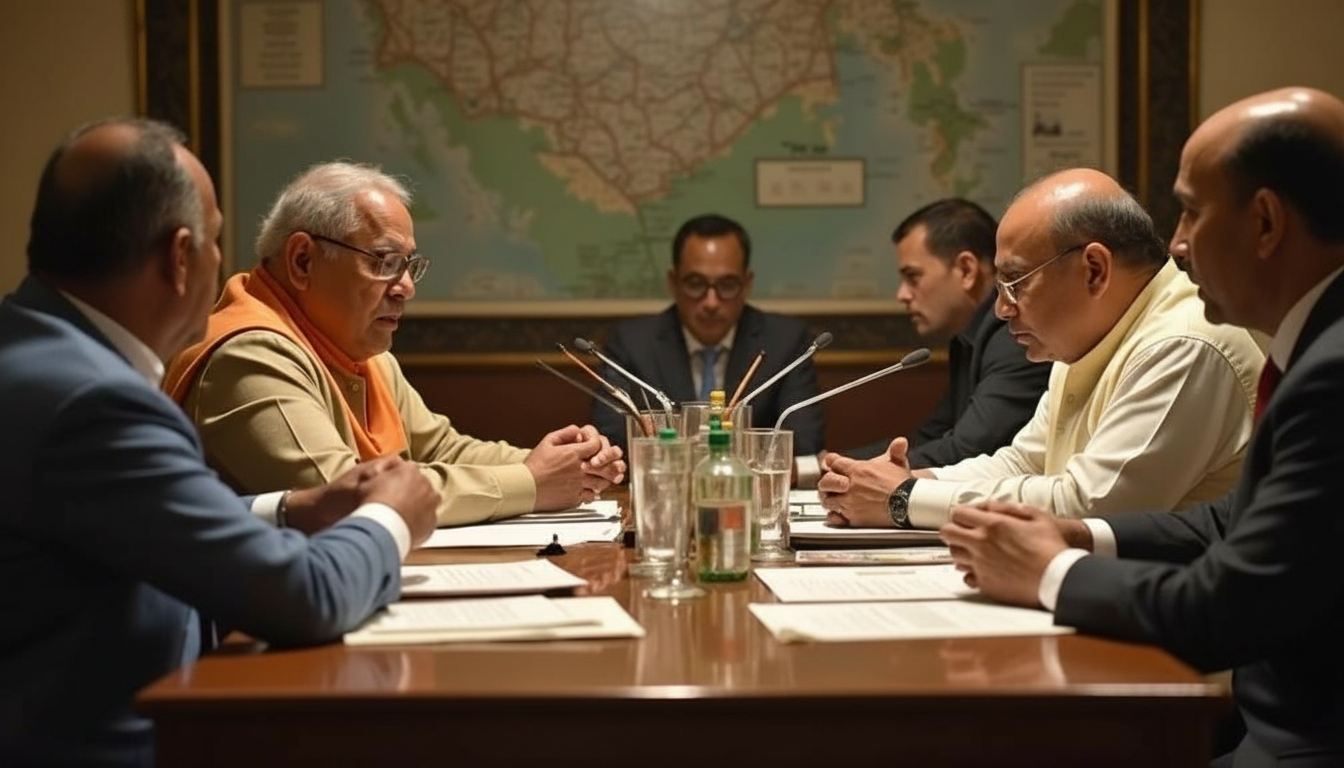
In recent discussions around Meghalaya illegal immigration issues, Chief Minister Conrad K. Sangma has raised significant concerns regarding the growing influx of unauthorized immigrants into the state. He emphasizes the urgent need for strengthened measures to protect the integrity of local tribal communities, particularly under the frameworks of the Sixth Schedule amendment and the Eighth Schedule of the Constitution. With an appeal for official recognition of the Khasi and Garo languages, Sangma aims to preserve the cultural identity and heritage of Meghalaya’s indigenous populations. Furthermore, the Chief Minister has advocated for the implementation of the Meghalaya Residents Safety and Security Act, a crucial step towards regulating this pressing issue. Through his memorandum to Union Home Minister Amit Shah, he seeks collaborative solutions that ensure safety and uphold constitutional rights for the people of Meghalaya.
Addressing the challenges of unauthorized settlements and migration, the focus on Meghalaya’s immigration concerns reveals deeper implications for the region’s governance and cultural preservation. Chief Minister Conrad K. Sangma calls for vital legislative changes that prioritize the rights of local tribes and their languages amid increasing demographic shifts. The proposed amendments to the Sixth Schedule highlight a need for greater autonomy and representation for indigenous groups. With an eye on inclusivity, Sangma’s initiatives underscore the importance of safeguarding regional identities while navigating complex immigration dynamics. Such discussions not only reflect on immediate legislative needs but also signify a broader commitment to maintaining the unique social fabric of Meghalaya.
Addressing Illegal Immigration in Meghalaya
Meghalaya has increasingly become a focal point for discussions surrounding illegal immigration issues, a matter that has raised concerns across various segments of society. Chief Minister Conrad K. Sangma has made significant efforts to highlight the importance of tackling this issue by proposing legislative measures like the Meghalaya Residents Safety and Security Act and advocating for the enforcement of the Inner Line Permit system. These initiatives aim not only to curb illegal immigration but also to fortify regional security, ensuring that indigenous communities can continue to thrive without the encroachment of undocumented immigrants.
The challenge of illegal immigration is particularly sensitive in Meghalaya due to the state’s unique demographic composition. The influx of immigrants threatens to disrupt the cultural and social fabric of local communities. Therefore, Sangma’s call to action for the Government of India is urgent: to bolster protective mechanisms for the state and enhance collaboration with tribal leaders. Emphasizing the need for comprehensive solutions, he seeks a cooperative approach that respects the rights and identities of the indigenous populations throughout the state’s varied regions.
The Importance of Tribal Communities Protection
Protecting tribal communities in Meghalaya is paramount to preserving their cultural heritage and ensuring their rights. Chief Minister Conrad K. Sangma’s memorandum to Union Home Minister Amit Shah underscores the necessity for constitutional protections tailored specifically for these communities. By advocating for amendments to the Sixth Schedule of the Constitution, Sangma aims to secure frameworks that empower local governance and enhance the agency of indigenous groups. These protections are crucial as they not only safeguard their land and resources but also promote their involvement in developmental dialogues.
The request for constitutional amendments is driven by a vision of enhanced autonomy for tribal communities, allowing them more significant control over their governance and cultural preservation. This includes decisions regarding land use, resource management, and the ability to enact local laws that reflect their customs. Such sovereignty is essential in ensuring that the voices of Meghalaya’s indigenous peoples, especially the Khasi and Garo tribes, are heard in national conversations, thus bridging the gap between local needs and broader policies.
Recognition of Khasi and Garo Languages
The linguistic landscape of Meghalaya is richly diverse, with languages like Khasi and Garo serving as vital components of cultural identity. In his discussions with the Union Home Minister, Chief Minister Conrad K. Sangma emphasized the significance of including these languages in the Eighth Schedule of the Constitution. Such recognition would not only validate the heritage of these languages but also enhance their status and promote their use in educational and governmental contexts. This step is essential for fostering a sense of pride among indigenous communities and ensuring that their linguistic rights are upheld.
The inclusion of Khasi and Garo in the Eighth Schedule would facilitate additional resources and support for educational programs that teach these languages, encouraging their usage among younger generations. Additionally, it would help in cultural preservation efforts, as language is a key carrier of traditions and histories. By advocating for this recognition, Sangma is not only addressing an immediate cultural need but also reinforcing the importance of linguistic diversity in India’s multicultural tapestry.
Amendment to the Sixth Schedule: A Step Towards Better Governance
The proposed amendment to the Sixth Schedule of the Constitution has significant implications for the governance of tribal communities in the Northeast, particularly in Meghalaya. Chief Minister Conrad K. Sangma’s discussion with the Union Home Minister highlighted the need for these amendments to enhance local governance structures and ensure that they align with the aspirations of indigenous communities. By calling for a consultation process with all relevant states, Sangma aims to curate a participatory dialogue that leads to meaningful reforms.
These proposed changes seek to bolster the authority of local councils, allowing for tailored governance solutions that reflect the unique cultural, social, and economic realities of the tribal population. This approach not only respects the heritage of communities but also empowers them to have a greater voice in developmental policies affecting their lives. Ultimately, the amendment serves as a crucial step toward achieving equitable representation and enhancing the overall well-being of Meghalaya’s tribal populations.
Concerns Over Foreign Contribution (Regulation) Act Amendments
Chief Minister Conrad K. Sangma has raised significant concerns regarding the recent amendments to the Foreign Contribution (Regulation) Act, particularly how these changes affect the operations of various organizations in Meghalaya. Many of these organizations play vital roles in community development and support for tribal rights, making it imperative to ensure that regulatory measures do not hinder their ability to operate effectively. Sangma’s efforts to communicate these concerns to the Union Home Minister reflect a deep commitment to safeguarding the interests of local communities.
The implications of these amendments are far-reaching, as they could restrict the flow of necessary resources to NGOs and community organizations crucial for social and cultural initiatives in Meghalaya. By advocating for a review of these changes, Sangma highlights the importance of maintaining a conducive environment for civil society, which is essential for fostering democratic engagement and accountability within tribal communities. This dialogue between state leaders and the central government is vital for finding a balance that allows for regulatory oversight without stifling essential support systems.
The Role of Social Media in Advocacy
Social media has become an essential tool for advocacy, allowing leaders like Meghalaya’s Chief Minister Conrad K. Sangma to communicate pressing issues directly with the public and stakeholders. By sharing updates about the memorandum submitted to Union Home Minister Amit Shah on platforms like Twitter and Facebook, Sangma engages citizens and raises awareness about critical topics such as illegal immigration and the need for constitutional protections for tribal communities. This approach not only informs the public but also galvanizes support for legislative measures that are vital for local governance.
Furthermore, social media enables rapid dissemination of information and mobilization of community action, providing a platform for residents to voice their opinions and concerns. It empowers individuals and organizations to participate in discussions surrounding policies that affect their lives, especially regarding the rights of indigenous people in Meghalaya. Sangma’s strategic use of these platforms exemplifies how modern technology can be harnessed for civic engagement, creating a more informed and involved electorate.
Collaboration with Central Government to Resolve Local Issues
The relationship between state leaders and the central government is crucial for addressing local concerns effectively. Chief Minister Conrad K. Sangma has been proactive in fostering collaboration with the central authorities, particularly regarding issues of illegal immigration, tribal rights, and cultural recognition in Meghalaya. By approaching the Union Home Minister with a well-prepared memorandum, Sangma underscores the importance of a cooperative strategy that ensures local perspectives are incorporated into national policies. This collaboration is essential for creating effective solutions to the challenges faced by Meghalaya.
Such partnerships allow for a more thorough understanding of the unique socio-political landscape of Meghalaya, enabling the central government to tailor its policies in ways that effectively address the needs of the state. Moreover, this joint effort can promote resource sharing and technical assistance, facilitating programs that enhance the governance and welfare of tribal communities. As both levels of government work together, it can lead to the implementation of impactful solutions that promote equality and respect for Meghalaya’s indigenous peoples.
Future Prospects for Meghalaya’s Indigenous Communities
Looking ahead, the future of Meghalaya’s indigenous communities hinges on proactive governance and effective policy implementation. The advocacy efforts led by Chief Minister Conrad K. Sangma, particularly regarding illegal immigration and the protection of tribal rights, set the stage for potential improvements in the future. As the government considers amendments to critical legislative frameworks—such as the Sixth Schedule—there lies an opportunity to reinforce the rights and identities of communities that have often been marginalized.
The focus on integrating Khasi and Garo languages into the Eighth Schedule further reflects a commitment to cultural preservation and empowerment. By fostering an environment where indigenous languages and cultural practices can flourish, Meghalaya can ensure that its unique heritage is not only respected but celebrated. As the state navigates toward a more equitable future, the interplay of state and central government policies will be vital in realizing the aspirations of its tribal populations.
Community Response to Legislative Changes
The response from indigenous communities in Meghalaya to proposed legislative changes, such as the amendments to the Sixth Schedule and the Foreign Contribution (Regulation) Act, is overwhelmingly one of anticipation and concern. Many tribal leaders are hopeful that these changes will empower their communities and enhance their governance structures. However, there are apprehensions about potential adverse effects these amendments may have on their traditional rights and the operational capabilities of local organizations that provide essential services to these communities.
Public forums and discussions have illuminated the voices of the Khasi and Garo tribes, emphasizing the importance of adequate consultation with community leaders before enacting any changes that could impact their cultural and social fabric. The collective hope is to foster a legislative environment that not only supports indigenous rights but also upholds the aspirations of all ethnic groups in Meghalaya while combating illegal immigration and ensuring their cultural heritage is preserved effectively.
Frequently Asked Questions
What steps is Meghalaya Chief Minister Conrad K. Sangma taking to address illegal immigration issues in Meghalaya?
Meghalaya Chief Minister Conrad K. Sangma is taking significant steps to combat illegal immigration by proposing the implementation of measures such as the Meghalaya Residents Safety and Security Act and the Inner Line Permit. These initiatives aim to strengthen mechanisms for regulating immigration into Meghalaya, ensuring that the rights of local tribal communities are protected amidst rising concerns regarding illegal border crossings.
| Key Issue | Details |
|---|---|
| Illegal Immigration | Chief Minister Conrad K. Sangma urged for stronger measures against illegal immigration into Meghalaya, proposing the implementation of the Meghalaya Residents Safety and Security Act and the Inner Line Permit. |
| Tribal Protections | Sangma requested constitutional protections for tribal communities, emphasizing the need for consultation with states regarding amendments to the Sixth Schedule. |
| Indigenous Languages | He requested the inclusion of Khasi and Garo languages in the Eighth Schedule of the Constitution to preserve the cultural identity of Meghalaya’s indigenous communities. |
| Foreign Contribution Regulation Issues | Concerns were raised about amendments to the Foreign Contribution (Regulation) Act that could affect operations and assets of various organizations in the state. |
Summary
Meghalaya illegal immigration issues are increasingly important as Chief Minister Conrad K. Sangma highlights the urgent need for enhanced measures to combat this issue in his memorandum to Union Home Minister Amit Shah. By advocating for tools such as the Meghalaya Residents Safety and Security Act and the Inner Line Permit, Sangma emphasizes not only the present struggles with illegal immigration but also the broader impacts on tribal communities and cultural identity in Meghalaya. His efforts seek to foster recognition and constitutional protections for indigenous languages and uphold the rights of tribal populations, addressing significant barriers faced by these communities. The discussion surrounding these issues is not only crucial for Meghalaya but resonates throughout the Northeast, where maintaining cultural integrity and governance protections for indigenous peoples remains a pressing challenge in the face of evolving regulatory frameworks.



























