

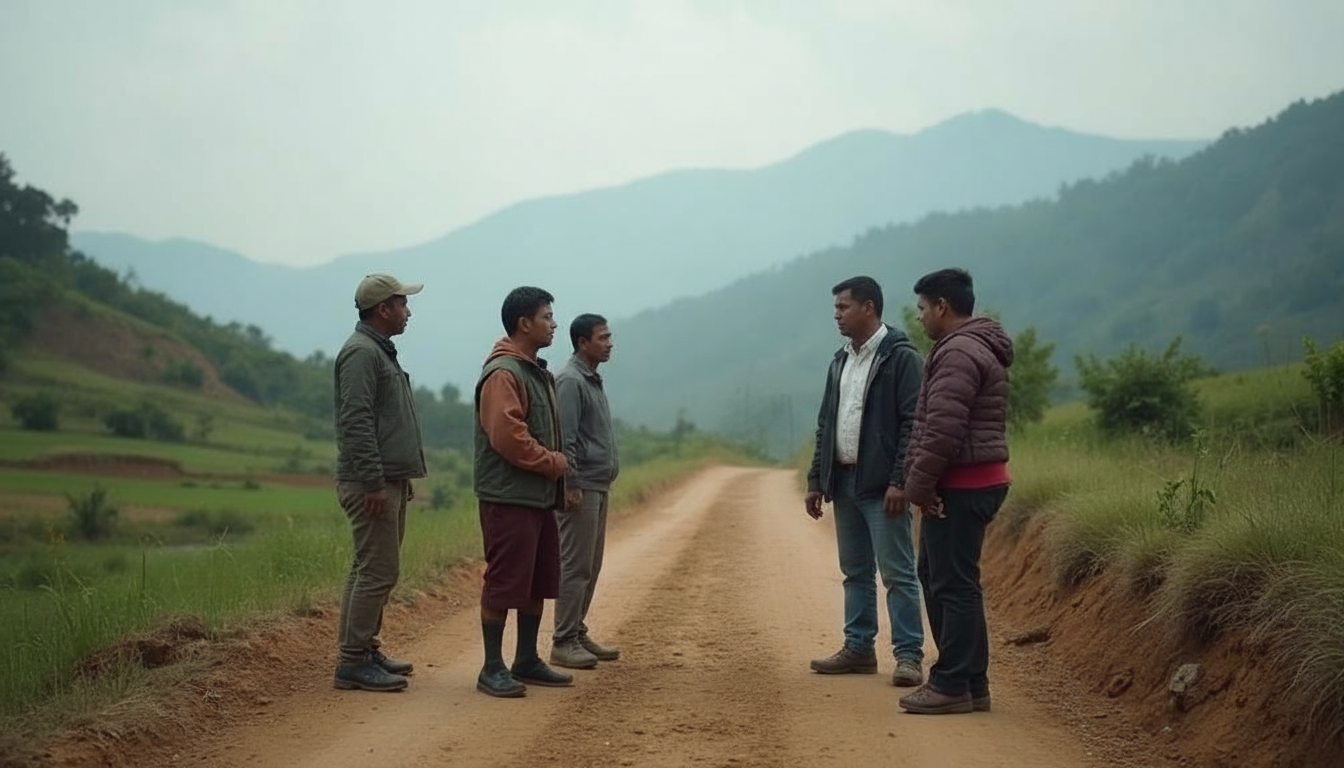
The Mizoram refugee crisis has drawn significant attention as the state grapples with an influx of Myanmar refugees in Mizoram fleeing escalating violence and instability in their homeland. Chief Minister Lalduhoma has raised alarms about the strain this humanitarian surge places on local resources, describing it as a burden that is only expected to grow with the worsening geopolitical situation in Myanmar. With thousands of displaced persons from Myanmar crossing into Mizoram, the state faces not just administrative and financial challenges, but also the pressing duty of providing necessary humanitarian assistance to those in need. The connection between Mizoram and Myanmar has deep historical and cultural roots, making the arrival of these refugees a poignant issue for local communities. As discussions regarding the proper management of this crisis intensify, the focus remains on ensuring that the welfare of these individuals is prioritized amid the unfolding challenges.
The ongoing humanitarian emergency involving refugees from Myanmar has emerged as a critical issue for the northeastern region of India, particularly in Mizoram. This unfolding situation encapsulates the desperate plight of individuals seeking refuge from turmoil and conflict, creating a complex web of challenges for state officials and citizens alike. The Chief Minister of Mizoram has acknowledged the rising numbers of individuals displaced due to the dire circumstances in their country, indicating that many communities are experiencing stress due to this influx. Given the deep-rooted historical and ethnic ties between the two regions, Mizoram’s response to this refugee flow highlights both the moral obligation to assist and the logistical obstacles faced. As local resources are increasingly strained, the need for sustainable solutions and coordinated support from the central government is more critical than ever.
Understanding the Mizoram Refugee Crisis
The Mizoram refugee crisis stems from ongoing turmoil in Myanmar, which has led to a significant influx of displaced individuals seeking safety across the border. As stated by Chief Minister Lalduhoma, the rising number of refugees has become a considerable burden on Mizoram. This crisis is not just a local issue; it reflects the exacerbating geopolitical landscape in Myanmar, characterized by armed conflicts and political unrest. The demographic inclinations and cultural ties between the people of Mizoram and the refugees amplify the sense of urgency in addressing their plight.
Mizoram’s geographical location, sharing a porous border with Myanmar, has made it a frontline state in the humanitarian response to this crisis. Thousands of Myanmar refugees have sought asylum within its borders. The state’s commitment to assisting these displaced persons showcases the enduring legacy of solidarity and shared heritage between the two regions. However, this influx poses challenges for Mizoram’s resources, including healthcare, education, and housing, which necessitate an in-depth examination of both immediate and long-term strategies for sustainable support.
Lalduhoma’s Statement on Refugee Influx
Chief Minister Lalduhoma highlighted the state’s growing concerns regarding the influx of refugees in his recent statements, indicating that the prevailing conditions in Myanmar are likely to lead to more individuals fleeing their country. The acknowledgment of this humanitarian crisis is a call to action for local and national authorities. The challenges to Mizoram extend beyond mere numbers; they represent a pressing need for assistance in managing the vital resources required by new arrivals while maintaining the welfare of the existing population.
Accompanying the humanitarian responsibilities is the need to engage with the central government for comprehensive support measures. Lalduhoma’s statements reflect a growing consensus among local policymakers about the necessity of a coordinated approach to alleviate the pressures faced by Mizoram. The state’s ability to provide effective humanitarian assistance hinges not only on its internal capacities but also on external support and collaborative strategies aimed at addressing the root causes of displacement in Myanmar.
Humanitarian Assistance in Mizoram
Mizoram has taken significant steps in extending humanitarian assistance to the refugees from Myanmar, reflecting a deep-rooted commitment to help those in dire need. The local government and various non-governmental organizations have mobilized to provide food, shelter, and medical aid. The state’s proactive stance in supporting displaced persons is a testament to its strong community values and cultural affinity with the affected populations. Providing help under challenging circumstances showcases Mizoram’s resilience and solidarity.
However, the increasing number of displaced individuals poses administrative and logistical challenges. Local resources are being stretched, as the state grapples with the need for adequate infrastructure to support both the residents and newly arrived refugees. Ensuring that humanitarian assistance is effectively delivered requires careful planning and coordination with broader humanitarian networks, emphasizing the importance of not only addressing immediate needs but also developing sustainable solutions in response to the evolving crisis.
The Geopolitical Situation in Myanmar and Its Impact
The ongoing geopolitical situation in Myanmar is a critical factor influencing the refugee crisis in Mizoram. Armed conflicts and political instability continue to drive populations to seek refuge in neighboring states. The international community is increasingly aware of the implications of Myanmar’s issues, which not only affect the immediate region but also contribute to global discussions on refugee rights and responsibilities. The plight of these refugees serves as a reminder of the political decisions that precipitate humanitarian crises.
Mizoram finds itself at the crossroads of this geopolitical turmoil, experiencing firsthand the impacts of displaced populations on local systems. The long-standing ethnic and cultural ties between communities across the border complicate the state’s response, as addressing the needs of refugees becomes intertwined with broader regional dynamics. Understanding the complexities of the geopolitical landscape is essential for crafting effective responses that not only provide immediate relief but also foster long-term solutions for those affected.
Long-term Solutions for Refugees from Myanmar
Addressing the long-term needs of Myanmar refugees in Mizoram requires a strategic approach that encompasses integration, support services, and sustainable development. As the crisis becomes a protracted situation, local authorities and NGOs must collaborate to find effective ways to integrate refugees into the community while respecting their rights and cultural identities. This integration should include access to education, healthcare, and employment opportunities that would enable displaced persons to rebuild their lives and contribute positively to the host society.
Moreover, the central government plays an essential role in facilitating long-term solutions. The federal support can help Mizoram manage the refugee influx more strategically, ensuring that the state isn’t overwhelmed by the growing challenges. Programs that promote vocational training and cultural exchange can foster mutual understanding and strengthen community ties, ultimately leading to a more harmonious coexistence between Mizoram’s residents and the displaced persons from Myanmar.
Political Responses to the Refugee Crisis in Mizoram
The refugee crisis has prompted various political responses from both state and national leaders, with Chief Minister Lalduhoma’s statements serving as a catalyst for renewed discussions on the urgent need for coordinated action. Local government officials have been vocal about the strain on resources, pushing for more substantial interventions from the central government. These discussions serve not just to highlight the challenges faced by Mizoram but also to advocate for broader policies that address the root causes of displacement in Myanmar.
Political dialogue surrounding the refugee situation also underscores the need for a sustainable framework to handle future inflows. This involves not only humanitarian assistance but also strategic planning for long-term implications on local governance and resource management. By prioritizing proactive political solutions and engaging in conversations at higher levels of government, Mizoram can better position itself to manage the complexities of the refugee crisis while maintaining stability and security.
Community Support for Myanmar Refugees
Community-driven support is vital for the effective handling of the refugee crisis in Mizoram. Local organizations and volunteers have mobilized to provide immediate relief and foster a welcoming environment for refugees from Myanmar. This grassroots approach exemplifies the deep-seated cultural connections that exist between the two communities, often leading to innovative solutions that meet diverse needs. The synergy between state efforts and community mobilization sets a commendable precedent for how humanitarian crises can be addressed cooperatively.
However, community-based efforts must be complemented by formal support structures to ensure that refugees receive adequate assistance. Establishing partnerships between local, national, and international organizations can enhance the quality and effectiveness of humanitarian responses. By aligning community initiatives with broader relief frameworks, Mizoram can mitigate potential tensions and enhance cooperation, ultimately leading to a more sustainable and inclusive environment for both residents and refugees.
Challenges of the Ongoing Refugee Influx
The ongoing refugee influx from Myanmar presents myriad challenges for Mizoram, influencing every aspect of life in the state. With border dynamics shifting and the geopolitical situation remaining volatile, the state is experiencing increased pressures on its infrastructure, including health services, education, and housing. The strain these challenges place on local resources can lead to frayed relations between host communities and refugees, highlighting the urgency of creating an effective support system.
Additionally, the scale of the humanitarian response necessitates a reevaluation of current strategies. Local authorities, recognizing these pressures, are seeking more support and coordination from the central government. It’s imperative that leaders in Mizoram are equipped not only to manage immediate needs but also to anticipate future challenges as new waves of refugees may continue to arrive. Effective disaster response models could be adapted to ensure that the needs of both locals and displaced persons are met amid evolving circumstances.
The Role of the Central Government in Refugee Management
The central government’s involvement in managing the refugee crisis in Mizoram is crucial for any meaningful resolution. While state authorities are on the front lines, they require robust support from national entities to effectively address the ongoing influx of displaced persons from Myanmar. This includes adequate funding, logistical support, and comprehensive strategies to manage humanitarian assistance while ensuring the well-being of local communities impacted by the refugee crisis.
Furthermore, the central government can play an essential role in shaping policies that govern the legal status of refugees, which may mitigate some of the anxiety among local populations. This provides a framework for integration that respects the needs and rights of displaced individuals while ensuring a collaborative approach to resource distribution. By fostering a transparent dialogue between state and national leaders, a more cohesive strategy can be established that addresses both immediate humanitarian imperatives and long-term development goals.
Frequently Asked Questions
What is the current state of the Mizoram refugee crisis involving Myanmar refugees?
The Mizoram refugee crisis, driven by the geopolitical situation in Myanmar, has led to a significant influx of displaced persons seeking safety across the border. Mizoram Chief Minister Lalduhoma has highlighted that the increasing number of Myanmar refugees is becoming a burden on the state’s resources and infrastructure. As conditions in Myanmar remain unstable, more individuals are likely to seek refuge in Mizoram, which is already accommodating thousands of displaced persons from Myanmar due to longstanding ethnic and cultural ties.
| Key Points |
|---|
| Mizoram Chief Minister Lalduhoma warned of a growing burden from the influx of displaced individuals from Myanmar. |
| The geopolitical situation in Myanmar has led to many people seeking refuge in Mizoram. |
| Mizoram shares a porous border with Myanmar and has strong cultural ties, making it a common refuge for Myanmar refugees. |
| Local resources, infrastructure, and welfare services are strained due to the continuous arrival of refugees. |
| Despite challenges, Mizoram provides humanitarian assistance, highlighting a commitment to those fleeing conflict. |
| Discussions on increased support from the central government are necessary to alleviate the situation. |
Summary
The Mizoram refugee crisis has arisen due to the ongoing conflict in Myanmar, leading to an influx of displaced individuals seeking safety in the state. Chief Minister Lalduhoma has expressed concern over the strain this situation places on local resources, infrastructure, and welfare services. With strong ethnic ties across the border, Mizoram has become a significant sanctuary for those fleeing political turmoil, facing a growing humanitarian challenge. As the situation evolves with more refugees expected, the need for central government support is crucial to manage the implications of this crisis effectively.



























