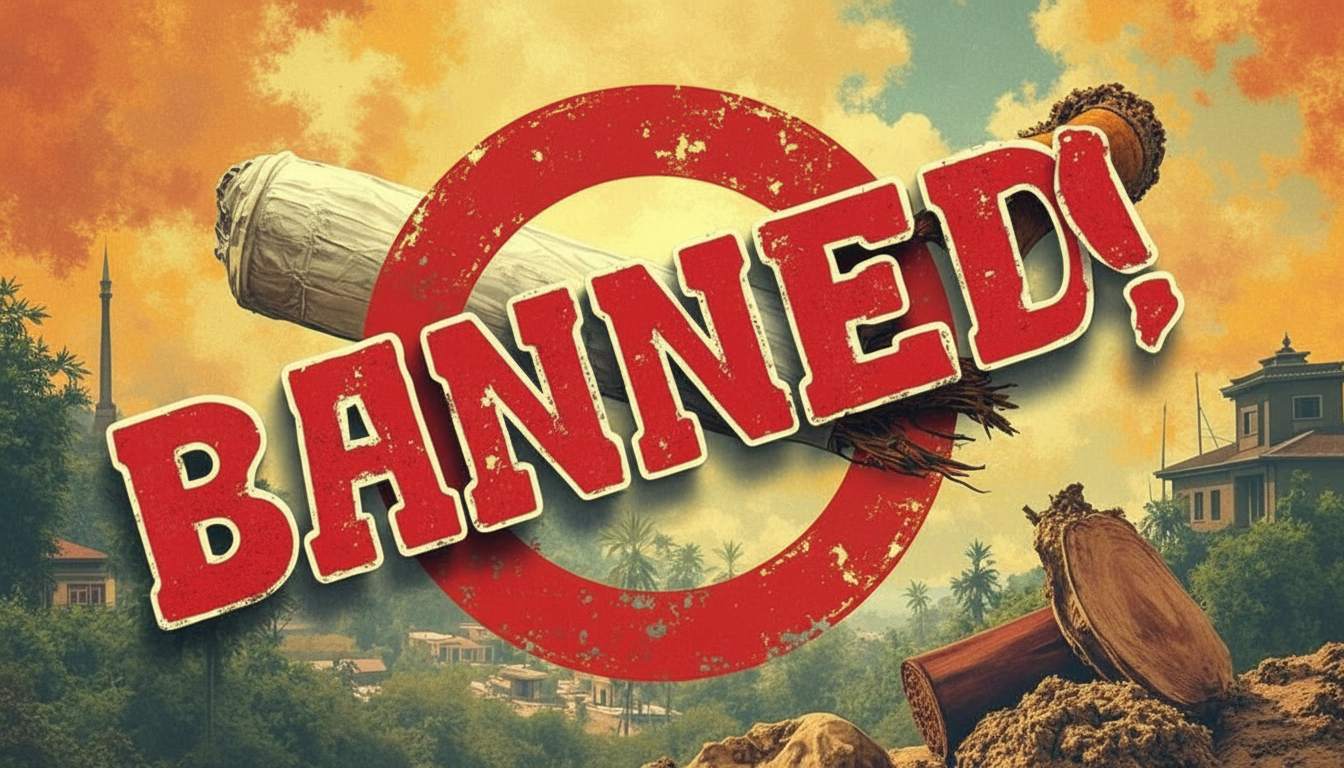
In a groundbreaking move for public health, the Nagaland tobacco ban has set a precedent by prohibiting the manufacture, distribution, and sale of all food products containing tobacco and nicotine. This decisive action, taken by the Commissioner of Food Safety in response to the alarming rise in smokeless tobacco usage, particularly among young adults, aims to mitigate the health risks of tobacco that have plagued the region. The ban specifically targets popular products like gutkha and pan masala, which have been linked to serious health consequences. By enforcing strict regulations under the Food Safety and Standards Act, the government is not only combating tobacco regulation in Nagaland, but also sending a strong message about the dangers of tobacco addiction. As community members rally behind this initiative, it shines a light on the urgent need for comprehensive measures to protect the youth from the detrimental effects of tobacco consumption.
The recent enforcement of a tobacco prohibition in Nagaland marks a significant advancement in health policies aimed at curbing tobacco-related issues within the state. This initiative comes as a response to the burgeoning consumption of smokeless products, especially among younger demographics, highlighting the urgent need for effective tobacco regulation. With a focus on banning items like flavored chewing tobacco and gutkha, authorities aim to address the critical health risks associated with these substances. By restricting access to products featuring tobacco and nicotine, the government seeks to safeguard public health and create a healthier environment, particularly for young adults vulnerable to addiction. This regulation exemplifies a key step towards a comprehensive tobacco control strategy that prioritizes the well-being of the community.
Understanding the Nagaland Tobacco Ban
In a bid to combat the public health crisis posed by tobacco use, Nagaland has implemented a comprehensive ban on the manufacture and sale of all food products containing tobacco or nicotine. This decisive action reflects growing concerns over the rising trend of smokeless tobacco consumption, particularly among children and young adults. The statewide prohibition not only targets gutkha and pan masala but also any food items that include tobacco as an ingredient, aiming to protect the health of the state’s most vulnerable demographics.
The regulation is grounded in robust legal frameworks, such as the Food Safety and Standards Act, 2006, and is reinforced by directives from the Food Safety and Standards Authority of India (FSSAI). Such legislative measures underscore the seriousness of this initiative, signaling a unified effort to diminish tobacco usage and its harmful health impacts across Nagaland.
Health Risks of Tobacco Consumption
Tobacco consumption, especially in smokeless forms, is linked to numerous health risks that have been extensively documented in scientific literature. The use of products like gutkha and pan masala can lead to severe ailments, including oral cancers and cardiovascular diseases. These health repercussions are particularly notable among young adults who are often unaware of the long-term effects of nicotine addiction and tobacco-related diseases.
Additionally, the health risks are compounded by the psychological aspects of addiction. Young users often engage in tobacco use without fully understanding the dangers associated with it. This lack of awareness, coupled with the increasing accessibility of tobacco products, creates a concerning trend that the Nagaland tobacco ban aims to address.
The Need for Smokeless Tobacco Regulation
The growing prevalence of smokeless tobacco products, especially among youth, has necessitated stringent regulations. Research has shown that early exposure often leads to lifelong addiction, making the regulation of these products critical in reducing overall tobacco use. The nagging issue of vendors bypassing existing restrictions by creating workaround sales practices has demonstrated the need for more comprehensive enforcement measures.
In response to these challenges, the Nagaland government has enacted a one-year ban on the manufacture, distribution, and sale of food products containing tobacco. By eliminating these products from the market, the regulation seeks to not only deter initial use but also to dismantle the ingrained culture of tobacco consumption that is prevalent among young consumers.
Combating Tobacco Addiction in Young Adults
The consumption of smokeless tobacco among young adults poses significant societal challenges, reflecting broader issues related to addiction and public health. Addressing these concerns is crucial for promoting healthier lifestyles and creating a tobacco-free generation. The ban in Nagaland is specifically targeted at curbing access to these addictive products, thus reducing the likelihood of young individuals starting to use tobacco.
Programs aimed at educating young adults about the dangers of tobacco use and the benefits of a smoke-free life are essential in complementing the regulatory framework. The initiative by Nagaland’s health authorities not only focuses on prohibition but also instills awareness, emphasizing the importance of prevention strategies in tackling tobacco addiction among youth.
Implementation and Compliance Measures
For the successful enforcement of the tobacco ban in Nagaland, compliance from manufacturers, distributors, and retailers is paramount. The government has made it clear that strict penalties will be imposed on those who violate the provisions set out under the Food Safety and Standards Act. By reinforcing these rules, authorities hope to reinforce the seriousness of the initiative and ensure widespread adherence throughout the state.
Moreover, ongoing monitoring and public reporting will play critical roles in the implementation process. The government is expected to conduct regular inspections to ensure that the ban is upheld effectively, with the tight regulation of products containing tobacco and nicotine being a top priority.
Impact of Tobacco Prohibition on Community Health
The tobacco ban in Nagaland is anticipated to have far-reaching consequences for community health. By reducing the availability of tobacco products, the initiative aims to lower consumption rates, particularly among susceptible populations. Improved public health outcomes, including decreased incidences of tobacco-related illnesses, are expected as communities adjust to this new policy framework.
Furthermore, this proactive measure is likely to foster a culture that prioritizes health and wellness over tobacco use. As awareness grows regarding the health risks associated with tobacco, communities can progressively towards a smoke-free environment and improved overall health.
Public Reactions to the Tobacco Ban
The response from the public regarding the Nagaland tobacco ban has been largely supportive, as many citizens recognize the importance of safeguarding public health. Community leaders and health advocates have praised this initiative, viewing it as a necessary step to combat the growing tobacco crisis among youth. The solidarity shown by various sectors of society indicates a collective desire for positive health outcomes.
Despite this support, some individuals and business owners express concerns about the economic impact of such restrictions. However, proponents argue that prioritizing health over profits will yield long-term benefits for Nagaland’s overall well-being and economic stability, as a healthier population can contribute more effectively to society.
Future of Tobacco Control in Nagaland
Looking ahead, the tobacco ban in Nagaland represents a significant milestone in the state’s tobacco control efforts but is just the beginning of a broader strategy. The government plans to enhance public awareness campaigns, further strengthen enforcement measures, and potentially explore additional regulations to combat tobacco use in all its forms.
The aim is not just to enforce compliance but to foster a societal shift towards reducing the acceptance and prevalence of tobacco use. By creating environments that prioritize health, Nagaland can envision a future with significantly diminished tobacco-related health issues, ultimately contributing to a healthier, more vibrant community.
Conclusion: The Path Forward for Tobacco Regulation
In conclusion, the tobacco ban in Nagaland is a courageous step forward in promoting public health and combating tobacco-related health risks. With a clear focus on regulations against smokeless tobacco products, this initiative not only reflects the government’s commitment to health preservation but also calls for active participation from the community.
As the state paves the way for a healthier future, all stakeholders, including the government, health authorities, and the public, must collaborate and remain vigilant in enforcing these regulations. The path forward requires ongoing dedication and comprehensive strategies to ensure the vision of a tobacco-free Nagaland is realized.
Frequently Asked Questions
What is the Nagaland tobacco ban?
The Nagaland tobacco ban is a statewide prohibition on the manufacture, storage, distribution, and sale of all food products containing tobacco or nicotine, including gutkha and pan masala. This initiative aims to reduce the health risks of tobacco consumption, particularly among young adults.
What prompted the enactment of the smokeless tobacco ban in Nagaland?
The smokeless tobacco ban in Nagaland was enacted in response to the increasing use of tobacco products, particularly among children and young adults. It addresses public health concerns regarding the severe health risks associated with tobacco, such as oral cancer and cardiovascular diseases.
How does the tobacco regulation in Nagaland affect local businesses?
Tobacco regulations in Nagaland prohibit the manufacture and sale of food products containing tobacco, impacting local manufacturers, distributors, and retailers. Compliance is compulsory, and violations can result in penalties under the Food Safety and Standards Act.
What are the specific products banned under the Nagaland tobacco prohibition?
The Nagaland tobacco prohibition bans gutkha, pan masala, and any flavored or processed chewable products mixed with tobacco or nicotine. It applies to all food products with tobacco as an ingredient, regardless of how they are marketed.
What health risks are associated with tobacco products banned in Nagaland?
Tobacco products pose significant health risks, including the potential for oral cancer, heart disease, and nicotine addiction. The ban aims to mitigate these health issues, particularly among the youth, who are often vulnerable to these products.
How long will the tobacco ban in Nagaland last?
The Nagaland tobacco ban is in effect for one year, during which local authorities will enforce regulations to ensure the compliance of tobacco prohibition measures.
What measures are taken to enforce the Nagaland tobacco ban?
The Food Safety and Standards Authority of India has instructed strict compliance with tobacco regulations in Nagaland. Authorities will monitor manufacturers and vendors to prevent violations and ensure adherence to the ban.
Can individuals still use smokeless tobacco products during the Nagaland ban?
No, the Nagaland tobacco ban prohibits the sale and distribution of smokeless tobacco products, making them illegal to obtain during the ban’s duration.
What actions can be taken against violations of the Nagaland tobacco ban?
Violations of the Nagaland tobacco ban can result in penalties under the Food Safety and Standards Act. Authorities are committed to enforcing the ban strictly to protect public health.
How does the Nagaland tobacco ban contribute to public health initiatives?
The Nagaland tobacco ban contributes to public health initiatives by aiming to reduce tobacco use among young adults, thereby decreasing the associated health risks and promoting a healthier community overall.
| Key Points |
|---|
| Nagaland has implemented a one-year statewide ban on tobacco-containing food products to combat increasing tobacco use, especially among youth. |
| The ban includes the manufacture, storage, distribution, transportation, and sale of all products with tobacco or nicotine. |
| Products such as gutkha, pan masala, and flavored chewables mixed with tobacco are included. |
| The order aligns with the Food Safety and Standards Act, 2006, and the Supreme Court’s directives. |
| Enforcement is critical due to prior infractions by manufacturers circumventing bans. |
| Health authorities warn of serious health risks posed by smokeless tobacco, including cancer and heart disease. |
| The ban aims to protect public health, particularly the younger population, from nicotine addiction. |
| Violators of the ban risk penalties under the Food Safety and Standards Act. |
Summary
The Nagaland tobacco ban represents a vital public health initiative aimed at reducing the consumption of harmful smokeless tobacco products among the population, especially the youth. This comprehensive ban not only addresses the manufacture and sale of traditional products like gutkha and pan masala but also targets all food products containing tobacco or nicotine. By enforcing strict regulations and emphasizing the dangers associated with nicotine, Nagaland is taking significant steps to curb tobacco use and safeguard its community’s health.