

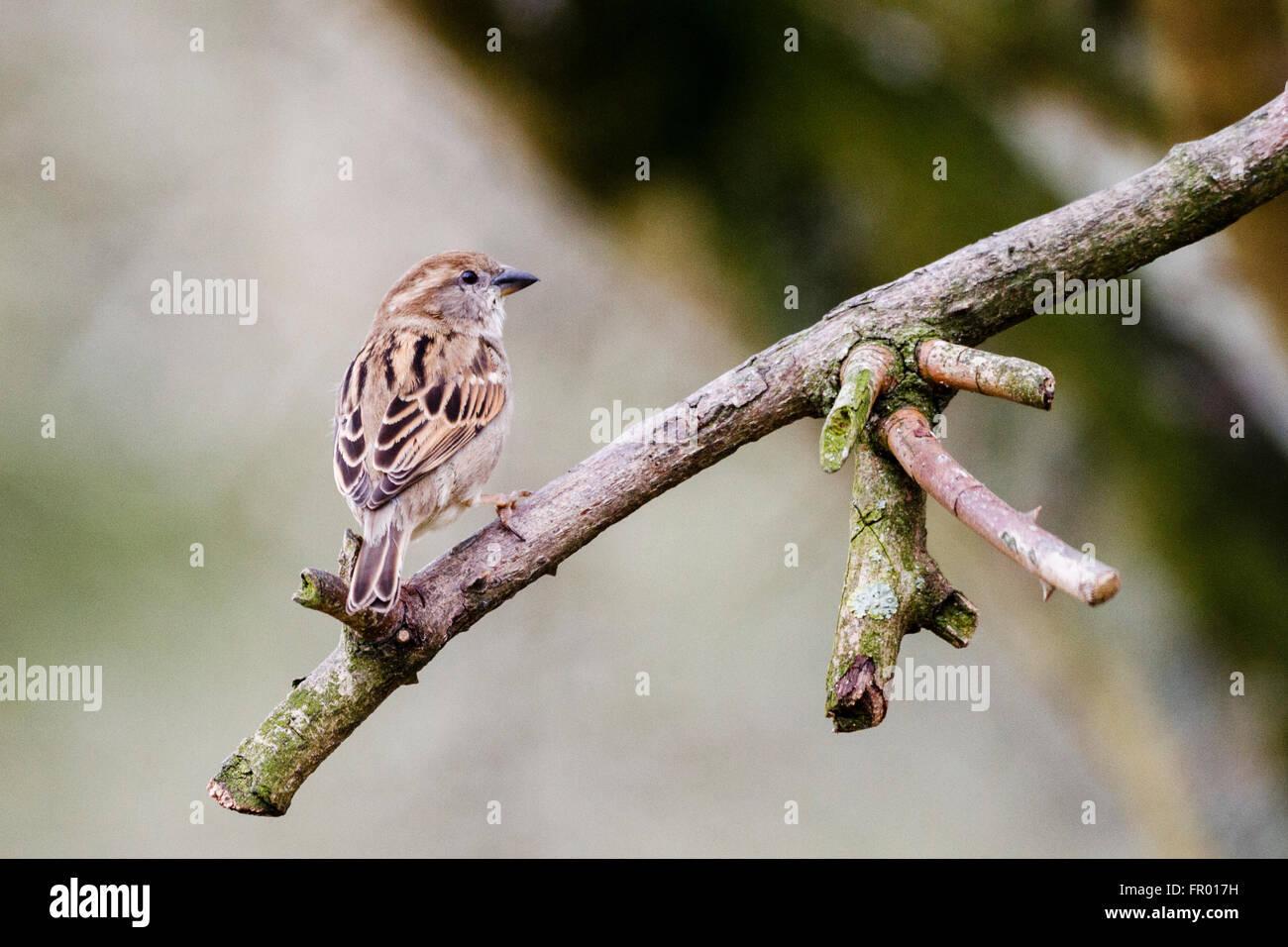
In our bustling urban environments, the phenomenon of sparing sparrow silence has become increasingly evident. Once a common sight flitting around our gardens and streets, the house sparrow’s presence has dwindled dramatically, signaling a decline in urban bird populations. As cities expand and modern architecture takes over, the conditions necessary for sparrows’ survival are rapidly disappearing. This loss can be linked to factors such as habitat destruction, increased pesticide use, and the competition from other bird species like crows. Nevertheless, efforts to bring back sparrows through conservation initiatives highlight the importance of fostering a balanced ecosystem essential for both wildlife and human health, urging us to address the impact of cities on wildlife before it’s too late.
As we delve into the troubling trend of diminishing local birdlife, particularly the house sparrow, it becomes crucial to understand the consequences for our natural environment. The retreat of these small but significant birds reflects broader ecological shifts that accompany urban development. The conversion of green spaces into concrete jungles not only diminishes habitats but disrupts the intricate balance that allows various species to thrive. Efforts to revitalize sparrow populations can pave the way for improving urban biodiversity, emphasizing the need for community-driven conservation projects. By reimagining urban landscapes to include bird-friendly elements, we can restore the vibrant ecosystems that once echoed with the cheerful chirping of sparrows.
Understanding the Sparing Sparrow Silence
The silence of the sparrow has become increasingly noticeable in urban environments where their cheerful chirping used to be a staple of morning routines. As cities expand and modernize, the once-bustling habitats of these small birds have dramatically changed, leading to a decline in their population. Research indicates that the house sparrow decline can largely be attributed to urbanization and habitat loss. With the rise of concrete jungles, sparrows lose not just their nesting spots but also the vegetation that previously provided them with food and shelter.
In understanding the sparing sparrow silence, we must consider the broader implications of their absence. Urban bird populations, including sparrows, are indicators of ecological health, and their decline reflects underlying environmental issues. Factors such as increased use of pesticides removal of natural vegetation, and the expansion of urban areas exacerbate the situation. We must assess and mitigate the impact of cities on wildlife to bring back the melodies of sparrows to the urban soundscape.
The Role of Sparrows in Urban Ecosystems
Sparrows, particularly the house sparrow, play a vital role in urban ecosystems. These birds contribute to pest control and help pollinate plants, forming a critical part of the urban food web. Their decline not only signifies a loss of biodiversity but also raises concerns about the overall ecological balance. The importance of sparrow conservation cannot be overstated; preserving their presence is necessary for maintaining the health of our urban environments.
Moreover, sparrows have established a unique relationship with urban dwellers, often being seen as a symbol of community and warmth. Their cheerful presence can enrich the human experience, and various initiatives aimed at sparrow conservation highlight this connection. Educating city residents on the significance of sparrows and encouraging practices that promote their return is essential to reversing the trend of bird populations in urban settings.
Impacts of Urbanization on Sparrow Populations
Urbanization has transformed landscapes that were once rich in biodiversity into sterile environments unfriendly to species like the sparrow. The architecture of absence, as seen in the design of modern buildings, actively works against these small birds by eliminating nesting spaces and natural food sources. This profound shift has resulted in significant pressures on sparrow populations, radically altering their living conditions.
Furthermore, the impact of cities on wildlife extends to the broader ecological web. As food sources diminish due to increased pesticide usage and the homogenization of urban gardens, sparrow chicks often go hungry, leading to decreased survival rates. The diminishing interaction between sparrows and their environment illustrates a critical need for strategies that integrate wildlife conservation within urban planning to bring back sparrows and restore ecological balance.
Creating Habitats for Sparrows: A Community Effort
Rebuilding habitats for sparrows requires concerted efforts at the community level, bringing together local residents, schools, and organizations dedicated to conservation. Initiatives such as installing nest boxes or planting bird-friendly gardens not only benefit sparrows but also foster a sense of community and stewardship. By encouraging locals to engage in sparrow conservation, we can effectively raise awareness about the importance of these small birds and their role in a healthy ecosystem.
Community involvement is crucial in ensuring that sparrows return to urban settings. Projects that educate the public about the needs of sparrows and how to create conducive environments for them can be instrumental. For instance, schools can organize workshops on building nest boxes, highlighting how children can contribute to sparrow conservation efforts. Such hands-on experiences create a lasting impact on young minds and encourage a love for nature and wildlife.
Strategies to Bring Back Sparrows
To revitalize urban bird populations, it is essential to devise strategic plans aimed at mitigating the factors leading to the decline of sparrows. One effective approach is to advocate for more green spaces within cities, including gardens, parks, and community landscapes that support biodiversity. By planting native vegetation and reducing plastic waste, urban landscapes can again become friendly ecosystems for sparrows and other urban wildlife.
Moreover, implementing urban policies that promote the use of environmentally friendly landscaping practices can significantly aid in the recovery of sparrow populations. Community initiatives focused on creating wildlife corridors, reducing pesticide usage, and providing nesting materials can bolster sparrow numbers. Such collective actions not only aim to restore the joyous chirps of the sparrow but also contribute to a more vibrant and biodiverse urban environment.
The Connection between Sparrows and Human Health
The link between biodiversity, particularly the presence of birds like the sparrow, and human health is becoming increasingly acknowledged. Studies suggest that diverse bird populations can help reduce the prevalence of diseases carried by insects, such as the West Nile Virus. Maintaining sparrow populations in urban areas could thus be crucial for public health, offering a natural buffer against mosquito-borne illnesses.
Additionally, engaging with nature can have significant psychological benefits for individuals living in urban settings. The sounds of chirping sparrows not only create a pleasant atmosphere but also promote mental well-being through the connection with nature. As communities work to bring back sparrows, they also invest in creating healthier, happier living environments that foster both ecological and human health.
Addressing the Food Scarcity for Sparrows
One of the most pressing issues facing sparrow populations in cities is the scarcity of their food sources. Sparrows thrive on a diet rich in seeds, grains, and insects, all of which have dwindled in urban landscapes due to modern agricultural practices and urban development. To reverse the decline of house sparrows, it is imperative to prioritize their dietary needs and work towards restoring these vital resources.
Community-driven projects that promote the planting of native flora and the cessation of harmful pesticide usage can significantly benefit sparrow populations. By creating a food-rich environment, we can help ensure that sparrows have sufficient sustenance, especially during critical breeding seasons when young sparrows rely heavily on insects for growth. Implementing these changes not only aids sparrows but enriches the urban ecosystem as a whole.
The Psychological Impact of Sparrow Decline
The pervasive silence of sparrows in urban settings goes beyond ecological markers; it affects our mental and emotional landscape as well. The chirping of sparrows has long been intertwined with the daily rhythms of human life, and their absence can lead to a sense of loss within communities. This silence leaves a void that can contribute to the feeling of disconnection from nature, possibly impacting urban residents’ overall well-being.
Moreover, the decline of familiar wildlife can lead to increased anxiety regarding environmental degradation. As people witness the decreasing presence of sparrows and other wildlife, concerns about climate change and habitat loss often arise. Encouraging local efforts aimed at the conservation of sparrows can thus not only enhance biodiversity but also rekindle the comforting sounds and sights of nature, promoting mental health and environmental awareness within urban populations.
Future of Sparrows in Urban Environments
The path forward for sparrows in urban environments hinges on a multifaceted approach that includes robust conservation efforts, community engagement, and urban planning that prioritizes wildlife needs. Organizations, researchers, and volunteers play crucial roles in conducting studies, creating awareness, and implementing programs that aim to protect these charming birds.
Looking ahead, achieving a sustainable coexistence between urban development and wildlife will require innovative solutions that embrace biodiversity. By integrating sparrow conservation strategies into planning processes and fostering community spirit, we can cultivate environments where sparrows can thrive once again, signaling a return to the vibrancy and harmony of our urban soundscapes.
Frequently Asked Questions
What are the main reasons for the sparrow silence in urban areas?
The sparrow silence in urban areas can be attributed to several factors, including the loss of natural habitats due to modern architecture, which provides fewer nesting sites and reduces food sources. Increased pesticide use has depleted insect populations, crucial for sparrow chicks, while paved gardens eliminate bathing grounds for these birds. In addition, rising urban crow populations compete with sparrows for resources, ultimately contributing to the decline of house sparrows in the urban environment.
| Key Point | Explanation |
|---|---|
| Decline of Sparrows | Sparrows are disappearing from urban areas due to habitat loss and environmental changes. |
| Modern Architecture | Construction designs are preventing sparrows from nesting and accessing food sources. |
| Food Scarcity | Overuse of pesticides has decreased bug populations, a primary food source for sparrows. |
| Impact of Crows | Crows outcompete sparrows for resources, thriving in urban waste conditions. |
| Conservation Efforts | Community initiatives are planting native species and providing nesting boxes to attract sparrows. |
| Importance of Sparrows | Sparrows play a critical role in pest control and ecological balance, affecting human health. |
| Future Changes Needed | Urban planning needs to focus on creating bird-friendly environments. |
Summary
Sparing sparrow silence has become an urgent call for action as these once-vibrant birds fade from our cities. The tranquility of the dawn, which was once filled with the melodious chirps of sparrows, now echoes with silence, warning us of a troubling ecological imbalance. As urban development continues to reshape the landscapes, sparrows lose their natural habitats, access to food, and vital nesting sites. This situation not only threatens the survival of sparrows but highlights a broader issue of biodiversity loss that ultimately impacts our health and environment. To reverse this trend and restore the joyful presence of sparrows, we must integrate nature into our urban planning and embrace conservation efforts.



























