

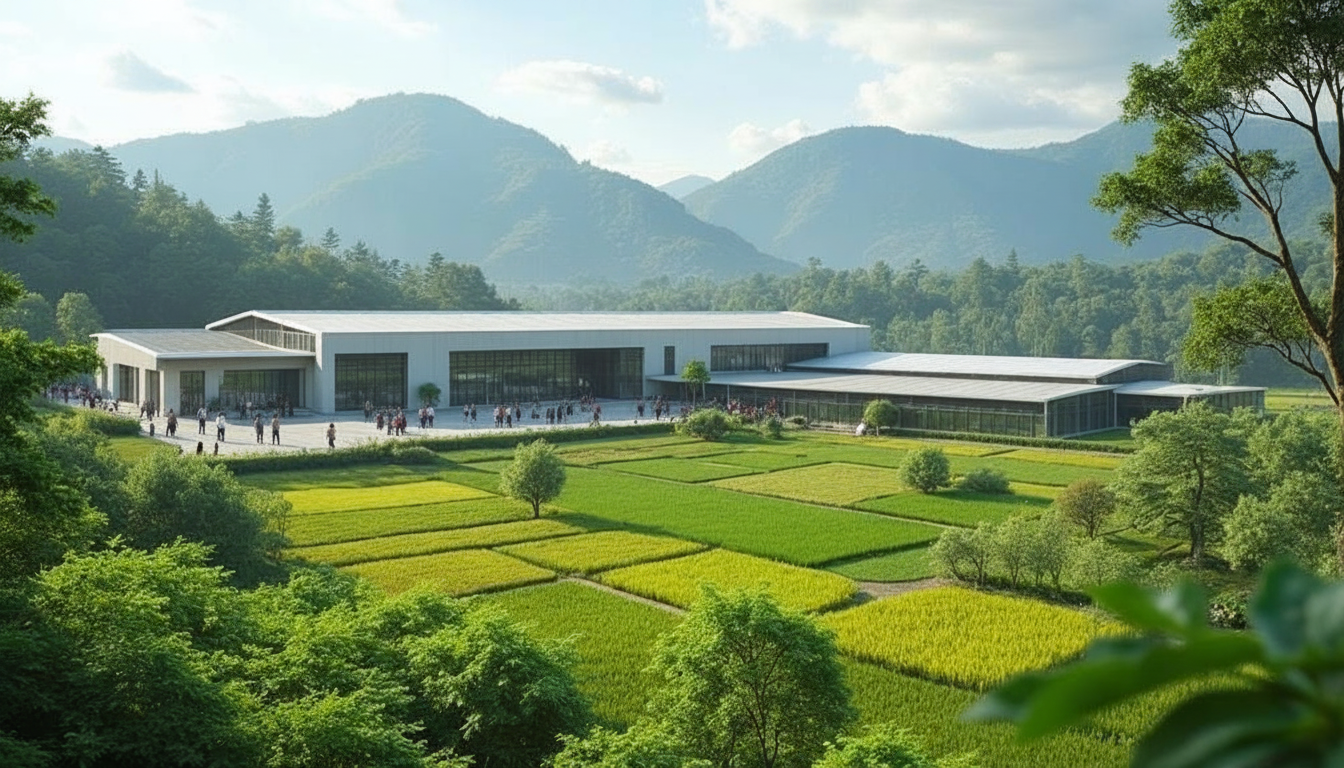
Food processing centers in Nagaland play a pivotal role in transforming the state’s agricultural landscape and fostering economic growth. Recently inaugurated by Chief Minister Neiphiu Rio, these facilities serve as hubs for food entrepreneurship and are designed to strengthen market linkages for local farmers. With a focus on small scale industries, the initiative aims to enhance rural development in Nagaland by creating employment opportunities, especially for the youth. By optimizing local resources, these centers not only promise improved income generation for farming communities but also align with the national vision of a developed India. As Nagaland progresses towards a thriving economy, these food processing centers stand at the forefront, ready to elevate the agricultural sector and support the growth of a sustainable food ecosystem.
The recent establishment of food processing hubs across Nagaland marks a significant advancement in the state’s agricultural industry. These facilities are designed to integrate local farmers into the food supply chain and elevate their economic prospects through innovative practices. With a keen emphasis on food entrepreneurship and bolstering small-scale industries in Nagaland, the initiative promises to stimulate rural development and ensure better market access for agricultural products. As these processing centers become operational, they will not only reshape the local economy but also provide invaluable support to entrepreneurs who are keen to merge traditional farming techniques with modern food production methods. This holistic approach to food processing serves to connect agriculture and industry, creating a robust framework for sustainable economic growth in the region.
The Rise of Food Processing Centers in Nagaland
Nagaland is witnessing a transformative phase in its agricultural landscape, primarily driven by the emergence of food processing centers across the state. Recently inaugurated by Chief Minister Neiphiu Rio, these centers aim to bridge the gap between local farmers and markets. Located in strategically selected areas such as Dimapur, Tuensang, and Mokokchung, these facilities represent crucial infrastructure for boosting food entrepreneurship in Nagaland. By facilitating the processing and preservation of agricultural products, these centers not only empower farmers but also enhance the overall ecosystem of small-scale industries in the state.
With the state’s rich agricultural diversity, the food processing centers are expected to play a pivotal role in economic growth in Nagaland. They are designed to create employment opportunities for the youth, aligning with the Central Government’s vision of a ‘Viksit Bharat’. The focus on local resources and market opportunities reflects a tailored approach that aids rural development in Nagaland. By embracing modern processing techniques while honoring traditional practices, these centers will increase the value addition of local crops, ultimately leading to improved income for farming communities.
Empowering Rural Entrepreneurs Through Food Processing Initiatives
The establishment of food processing and incubation centers aligns perfectly with Nagaland’s vision of fostering rural entrepreneurship and economic self-sufficiency. As emphasized by Chief Minister Rio, these projects are not merely about processing food but represent a comprehensive value chain that connects farmers with processing units and market outlets. This integrated approach is vital in nurturing the entrepreneurial spirit among the youth, equipping them with the skills and resources to start and manage sustainable businesses in the food industry.
Furthermore, the government’s plans to replicate such centers throughout the districts highlight the commitment to enhancing agricultural productivity and supporting rural startups. By focusing on innovative practices and enhanced market linkages, these initiatives are expected to trigger a ripple effect in rural development across Nagaland. As more farmers engage with these centers, the potential for economic growth within small-scale industries becomes apparent, improving living standards and empowering communities.
Impact of Food Processing on Nagaland’s Agricultural Sector
The new food processing centers not only cater to immediate market demands but also set the stage for long-term impacts on Nagaland’s agricultural sector. By identifying crops best suited to local agro-ecological conditions, these centers will encourage farmers to diversify their produce, thereby enhancing resilience against market fluctuations. The emphasis on ecological compatibility ensures that agricultural practices remain sustainable, contributing to the healthy cultivation of resources that are both profitable and environmentally sound.
As noted by various stakeholders, including State Advisors and Ministers present at the inauguration, strengthening the agricultural value chain is paramount for Nagaland’s economic growth. Food processing, which links production to retail through manufacturing processes, is crucial in ensuring that farmers get fair prices for their produce. This value addition helps stabilizing income generation, leveraging local agricultural strengths while projecting Nagaland as a significant player in the regional economy.
Cultural Significance of Food Processing in Nagaland
The food processing initiatives happening in Nagaland underscore a cultural renaissance within the agricultural sector, providing a platform for traditional practices to coexist with modern techniques. As young entrepreneurs are encouraged to innovate with their local knowledge, there is an opportunity to revitalize traditional cuisines and agricultural practices. This fusion of tradition and innovation not only preserves the unique heritage of Nagaland’s food systems but also transforms them into viable economic opportunities.
The process of integrating modern food processing practices alongside age-old traditions can have a profound social impact, reinforcing community identity and pride. As local products gain prominence in regional and national markets, the cultural narrative of Nagaland is further enriched, fostering tourism and culinary interest. This cultural reawakening paired with economic empowerment showcases Nagaland as a vibrant tapestry interwoven with rich agricultural diversity and entrepreneurial spirit.
Future Prospects of Food Processing in Nagaland
Looking toward the future, the prospects for food processing in Nagaland appear promising with the establishment of dedicated centers throughout the state. The commitment to expanding these facilities by 2028 indicates a strong belief in their potential to revolutionize local economies through food entrepreneurship. By producing processed goods that cater to both local and national markets, Nagaland can position itself as a key player in the Northeast’s agricultural narrative.
Moreover, the government’s strategic focus on involving multiple stakeholders—ranging from farmers to technology providers—will enhance collaborative efforts in driving sustainable growth in the food processing sector. Engaging communities and keeping them informed will play a critical role in this journey, ensuring that economic gains are equitably distributed and contribute to the overarching goal of rural development in Nagaland.
Challenges and Opportunities in Nagaland’s Food Processing Sector
Despite the vast potential, the food processing sector in Nagaland faces significant challenges that need addressing to fully harness its capabilities. Key hurdles include inadequate infrastructure, limited access to technology, and a need for more skilled professionals in food processing techniques. Addressing these challenges requires concerted efforts among policymakers, educational institutions, and the private sector to build a robust framework that nurtures the expertise required to thrive in food entrepreneurship.
On the other hand, opportunities abound for proactive stakeholders willing to innovate within this sector. For instance, utilizing local produce can reduce transportation costs and improve freshness in processed goods. The emphasis on organic practices aligns well with the growing trend towards sustainability, providing Nagaland farmers with an edge in the market. By leveraging local resources and innovative processing methods, stakeholders can explore new markets, expand entrepreneurial ventures, and ultimately contribute to Nagaland’s economic growth.
The Role of Government in Supporting Food Processing Initiatives
The government plays a crucial role in fostering the success of food processing centers throughout Nagaland. By providing the necessary financial support and policy backing, the state can create a conducive environment for innovation and entrepreneurship. The launch of the SASCI scheme specifically aims to bolster capital investment, ensuring that infrastructure development in food processing is adequately prioritized. This commitment to small-scale industries can yield significant dividends in terms of job creation and rural development.
Additionally, the government’s focus on capacity building among farmers and aspiring entrepreneurs is instrumental in ensuring the effective utilization of these newly established food processing centers. Ongoing training programs and workshops offer farmers the skills needed to maximize their produce’s value, thus aligning local agricultural practices with modern market demands. Such initiatives not only empower the local workforce but also ensure that long-term benefits flow back into the rural economy, enhancing community resilience and growth.
Innovative Approaches in Food Processing for Nagaland
Innovation is at the heart of the new food processing initiatives in Nagaland, aiming to position the state as a leader in this growing sector. By focusing on modern techniques such as cold chain storage, advanced packaging solutions, and value-added product development, these centers will help farmers enhance the quality and shelf-life of their produce. The use of technology in processing can also significantly reduce waste, ensuring that more of the harvest reaches consumers and generates profit for local producers.
Furthermore, encouraging entrepreneurs to think outside the box can lead to the development of unique processed products that highlight Nagaland’s distinct agricultural offerings. This not only fosters creativity but also aids in building brand recognition for Nagaland’s products in broader markets. As innovative businesses emerge from these food processing centers, they will contribute to building a strong ecosystem that supports the growth of agricultural value chains within the state.
Community Engagement in Food Processing Projects
The success of food processing centers in Nagaland hinges on strong community engagement and collaboration. The initiatives were developed after meticulous research into local resources and market opportunities, highlighting the importance of involving local communities in the planning and execution phases. Active participation from farmers ensures that the centers are aligned with their needs, thus increasing the likelihood of sustainable success.
Involving community members not only fosters trust and strengthens relationships but also enhances the sense of ownership over these initiatives. As farmers engage with the centers, they are more likely to contribute ideas based on their unique experiences, leading to continuous improvement in processes and outputs. This community-driven approach can significantly boost rural development, making Nagaland’s food processing sector not just a source of economic growth, but also a pillar of social cohesion.
Frequently Asked Questions
What are the newly inaugurated food processing centers in Nagaland and their purpose?
The newly inaugurated food processing centers in Nagaland include a Food Processing Center in Dimapur, an Incubation Center for Entrepreneurs in Chümoukedima, an Incubation Center for Food Processing in Tuensang, and a Modern Aggregation Center in Mokokchung. These centers aim to strengthen market linkages for farmers, promote food entrepreneurship in Nagaland, and create employment opportunities for the youth. This initiative is part of a broader effort to enhance rural development in Nagaland and bolster small-scale industries.
| Key Points | Details |
|---|---|
| Inauguration of Food Processing Centers | Nagaland Chief Minister Neiphiu Rio inaugurated four food processing and incubation centers on June 8, 2024, under the SASCI scheme. |
| Location of Centers | New centers include locations in Dimapur, Chümoukedima, Tuensang, and Mokokchung. |
| Economic Importance | The centers aim to strengthen market linkages for farmers and promote entrepreneurship, creating jobs for youth. |
| Government Vision | The centers support the Central Government’s vision of a Developed India (Viksit Bharat) and facilitate rural entrepreneurship. |
| Future Plans | The government intends to establish similar facilities in every district by 2028, enhancing local production and processing. |
| Integrated Value Chain | The initiative focuses on creating a value chain linking farmers, processors, and markets. |
| Focus Areas for Growth | The department emphasizes six key pillars: Production, Processing, Preservation, Packaging, Pricing, and Patenting. |
| Collaboration Needed | Success relies on collaboration among farmers, villages, and stakeholders to bolster Nagaland’s economy. |
Summary
Food processing centers in Nagaland represent a significant step towards economic development in the region. These newly inaugurated facilities aim to empower farmers, boost local entrepreneurship, and create job opportunities for the youth. By providing essential infrastructure for food processing, the government of Nagaland aligns its efforts with the national vision of a Developed India while promoting sustainable agricultural practices. The focus on integrating market linkages with local resources highlights a strategic approach to rural development, promising a brighter economic future for the farming communities in Nagaland.



























