

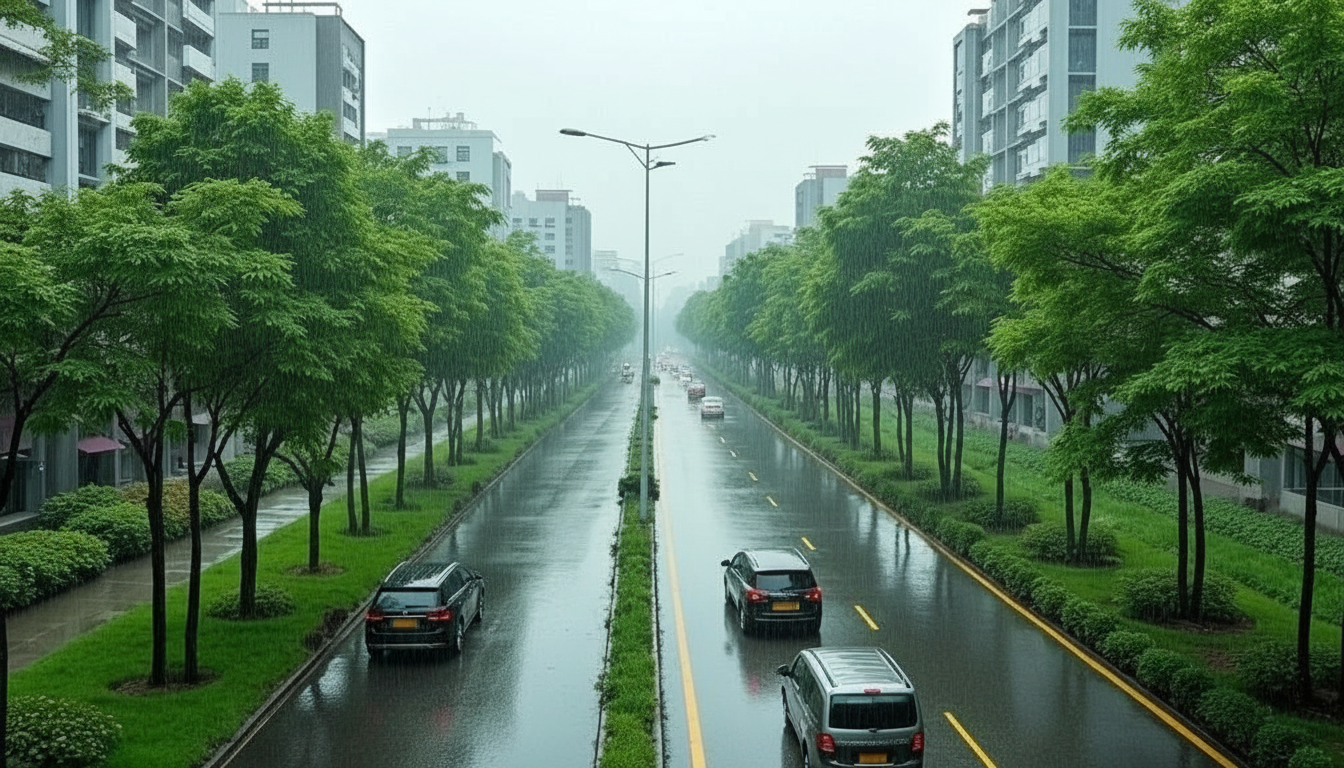
The Gurgaon plantation plan is an ambitious initiative launched by the GMDA, focusing on enhancing the city’s green cover through extensive plantation efforts. Set to unfold during the monsoon season, this project targets key arterial roads, junctions, and green belt developments throughout the area. With a goal to plant over three lakh trees, shrubs, and hedge plants, officials are committed to transforming Gurgaon into a greener, more vibrant urban landscape. Notable areas include the bustling MG Road and Vyapar Kendra Road, along with vital connections between sectors 51 to 57. This initiative not only aims to improve air quality but also promises to enhance public spaces, contributing to ongoing urban greening projects that support ecological balance.
Known for its rapid urbanization, the initiative to enhance Gurgaon’s greenery through a comprehensive plantation strategy is both timely and necessary. This plan, which includes extensive tree planting along major thoroughfares and public areas, is part of a larger movement towards sustainable urban development. By focusing on green belt enhancements and the strategic planting of flora, the GMDA is facilitating a healthier environment for the residents of Gurgaon. The efforts align with various initiatives aimed at nurturing urban ecosystems and restore the balance between infrastructure and nature, ultimately leading to better living conditions. Through these measures, Gurgaon not only aims to beautify its landscape but also champions the importance of ecological conservation.
Gurgaon Plantation Plan: Enhancing Urban Greenery
The Gurgaon plantation plan laid out by the GMDA is a significant initiative aimed at transforming the urban environment through strategic greenery. With the monsoon season providing the perfect backdrop for such an ambitious undertaking, the plan focuses on enhancing the beauty and sustainability of key areas across Gurgaon. Targeting major arterial roads and junctions, the initiative is set to plant over three lakh new trees, shrubs, and hedge plants, breathing new life into the urban landscape. By leveraging the natural rainwater that the monsoon brings, the project aims to establish a robust green belt that not only beautifies but also stabilizes the ecosystem.
Moreover, the careful selection of sites like MG Road and the stretch from IFFCO Chowk to Southern Peripheral Road highlights the GMDA’s commitment to integrating nature into urban life. This focus on green belt development aims to improve air quality and provide ecological benefits, which are essential in combating urban pollution. It is anticipated that the newly planted Gurgaon trees will flourish, contributing to habitat creation for local wildlife, enhancing residents’ quality of life, and setting a precedent for future urban greening projects in the region.
Monsoon Plantation: A Strategic Approach for Gurgaon
The timing of the Gurgaon plantation plan aligns remarkably with the onset of the monsoon season, which is vital for the successful establishment of new plants. Monsoon plantation not only maximizes the survival rates of the young saplings but also promises to enrich the soil, making it fertile for growth. With proper irrigation provided by the natural rains, the GMDA can ensure that the trees and shrubs take root effectively, leading to a more sustainable urban habitat. This timely approach underlines the importance of seasonality in urban greening efforts, positioning the efforts of GMDA as both strategic and forward-thinking.
Furthermore, this initiative also involves community engagement, where local residents can participate in the planting and maintenance processes. Such involvement fosters a sense of ownership and responsibility among the inhabitants, making this monsoon plantation more than just a project—it becomes a movement towards a greener Gurgaon. With an estimated expenditure of Rs 25 crore dedicated to this endeavor, the GMDA is not just focusing on aesthetic aspects but is also committed to long-term urban sustainability and environmental conservation.
Green Belt Development Initiatives in Gurgaon
As Gurgaon continues to urbanize, the importance of green belt development has become increasingly apparent. The GMDA’s initiatives are geared towards establishing lush green belts that will serve multiple functions: they will act as buffers against pollution, enhance biodiversity, and create recreational spaces for citizens. The areas identified for development, such as sectors 51-57, are prime zones for this green infrastructure, ensuring that even amidst urban density, nature retains its place within the city.
By fostering extensive green belts, Gurgaon not only aims to mitigate heat effects caused by urban sprawl but also to enhance the overall quality of life for its residents. The integration of public spaces with greenery supports mental health and encourages outdoor activities. As these green belts develop, they will also facilitate wildlife movement, supporting urban biodiversity. The continuous efforts by GMDA illustrate a comprehensive approach to urban greening that can serve as a model for other rapidly developing cities.
Impact of GMDA Initiatives on Urban Greening
The GMDA initiatives focusing on urban greening in Gurgaon are set to reshape the environment significantly. With over three lakh shrubs and trees planned, the impact on air quality is expected to be profound. Increased vegetation translates to enhanced oxygen production and reduced carbon dioxide levels, helping combat the adverse effects of urban pollution. These green upgrades along vital stretches such as Vyapar Kendra Road and Galleria Market Road are poised to serve as lungs for the city, rejuvenating the urban environment.
Additionally, the maintenance teams deployed by GMDA emphasize the need for sustained care of these plantations. Regular upkeep ensures that the young plants can grow to maturity and flourish, establishing a long-lasting green infrastructure within Gurgaon. This proactive approach allows the city to continue expanding its ecological footprint, not just through tree planting but by fostering a culture of environmental stewardship among its residents.
Role of Gurgaon Trees in Combating Urban Heat
The incorporation of Gurgaon trees into the urban landscape plays a vital role in reducing the heat island effect experienced in densely populated areas. Trees provide shade, lower surface temperatures, and improve the overall microclimate of their surroundings. As part of the GMDA’s planting strategy, the choice of species is critical, prioritizing those known for their cooling properties and adaptability to urban conditions. This thoughtful selection will enable the city’s green cover to effectively combat rising temperatures, especially during the hot monsoon transition.
Moreover, these trees facilitate better stormwater management, with their root systems helping to absorb runoff. This function is particularly crucial during the monsoon season, where sudden heavy rains could lead to flooding. Developing areas of tree canopies across roadways and junctions not only beautifies the city but also mitigates potential waterlogging issues, fostering a more resilient urban ecosystem.
Sustainable Practices in Urban Plantations
The GMDA’s comprehensive approach to the Gurgaon plantation plan includes a focus on sustainable practices which are vital for long-term success. From selecting native species that thrive in the local environment to incorporating rainwater harvesting techniques, the initiative aims to create a self-sustaining ecosystem that thrives with minimal intervention. These practices ensure that the selected plants not only survive but also grow to enhance the urban landscape effectively.
Moreover, community involvement in sustainable practices is also being embraced. Educational programs encouraging residents to participate in the planting and caring for these trees against the backdrop of Gurgaon’s monsoon season can empower citizens to take active roles in ecological conservation. Such initiatives exemplify the blend of community engagement and sustainability that can serve as a blueprint for future urban greening projects across India.
Public Engagement in Greening Initiatives
The success of the Gurgaon plantation plan depends significantly on public engagement and awareness. The GMDA recognizes that involving the community in greening initiatives leads to greater success rates for planted trees and shrubs. Engaging local residents through workshops and volunteer programs can foster a sense of connection to their environment, encouraging them to care for the urban forest being established. This grassroots approach reinforces the message that achieving a greener Gurgaon is a collective effort.
Additionally, public engagement extends beyond participation in planting; it encourages feedback and suggestions from the community on how to enhance green spaces. The GMDA’s willingness to involve citizens in the discourse around urban greening strengthens community ties and promotes stewardship for the environment. Creating pockets of green interspersed among urban developments can instill pride in residents and ensure that ecological enhancement becomes a lasting part of Gurgaon’s urban identity.
Challenges in Urban Greening and Sustainable Solutions
Despite the promising outlook of the Gurgaon plantation plan, challenges remain in the path of urban greening initiatives. Issues such as limited space, pollution, and the urban heat island effect could hinder the growth of newly planted trees. The GMDA is keenly aware of these challenges and is actively working to tailor their planting strategies to address them. By selecting drought-resistant species, designing bio-swales for stormwater management, and fostering community involvement, the GMDA aims to implement sustainable solutions.
Moreover, continuous monitoring and maintenance pose another layer of complexity in maintaining the health of the plants. Ensuring proper irrigation during dry spells and protecting the young plantations from pests and disease is crucial for their survival. The deployment of dedicated field teams to oversee these aspects is part of GMDA’s strategy, focusing on creating an environment where the urban greening efforts can thrive in harmony with the city’s developmental goals.
Future of Urban Greening in Gurgaon
The future of urban greening in Gurgaon looks promising, buoyed by the ambitious plans set forth by the GMDA. As more green spaces are developed, the city is likely to see improvements in biodiversity and public health. The sustained efforts in plantation and community engagement will not only beautify Gurgaon but create an environment that is resilient to the pressures of urbanization. There’s an important trend emerging: urban spaces should not just accommodate growth but also coexist harmoniously with nature.
In the years to come, it’s crucial for the GMDA to monitor these initiatives closely, adapting strategies as challenges arise. This continuous improvement mindset will ensure that Gurgaon can serve as a role model for other urban centers looking to enhance their green cover. Through persistent dedication to green belt development and community involvement, Gurgaon is positioning itself as a leading example in urban greening across India.
Frequently Asked Questions
What is the objective of the Gurgaon plantation plan this monsoon?
The Gurgaon plantation plan aims to enhance urban greening projects by planting over three lakh shrubs, hedge plants, and trees along key arterial roads and junctions. Initiatives by the GMDA focus on improving green belt development in areas such as MG Road, Vyapar Kendra Road, and Galleria Market Road, contributing significantly to the green cover in Gurgaon.
| Location | Planned Vegetation | Estimated Cost | Maintenance Strategies |
|---|---|---|---|
| Arterial Roads & Junctions | Over 3 lakh shrubs, hedge plants, and trees | Approx. Rs 25 crore | Multiple field teams for maintenance |
| MG Road, Vyapar Kendra Road | Various shrubs and trees | Enhancing public spaces | |
| Galleria Market Road, Sector Roads | New greeneries along roads | Collaboration with environmental officials | |
| Dwarka Expressway | Increased green cover | Ministerial intervention for support |
Summary
The Gurgaon plantation plan is a significant initiative aimed at enhancing the city’s green cover by strategically planting over three lakh shrubs, hedge plants, and trees across various vital locations. By focusing on areas such as MG Road, Vyapar Kendra Road, and the Galleria Market Road, this plan is set to transform urban spaces into greener environments, enhancing the aesthetic appeal and ecological health of Gurgaon. With an estimated budget of Rs 25 crore allocated for these efforts, the GMDA is proactively deploying multiple teams to ensure the proper upkeep of these plantations, ensuring that they thrive and contribute positively to the community. Additionally, the involvement of Haryana’s environment minister signifies the commitment towards promoting sustainable and environmental-friendly practices in the region.



























