

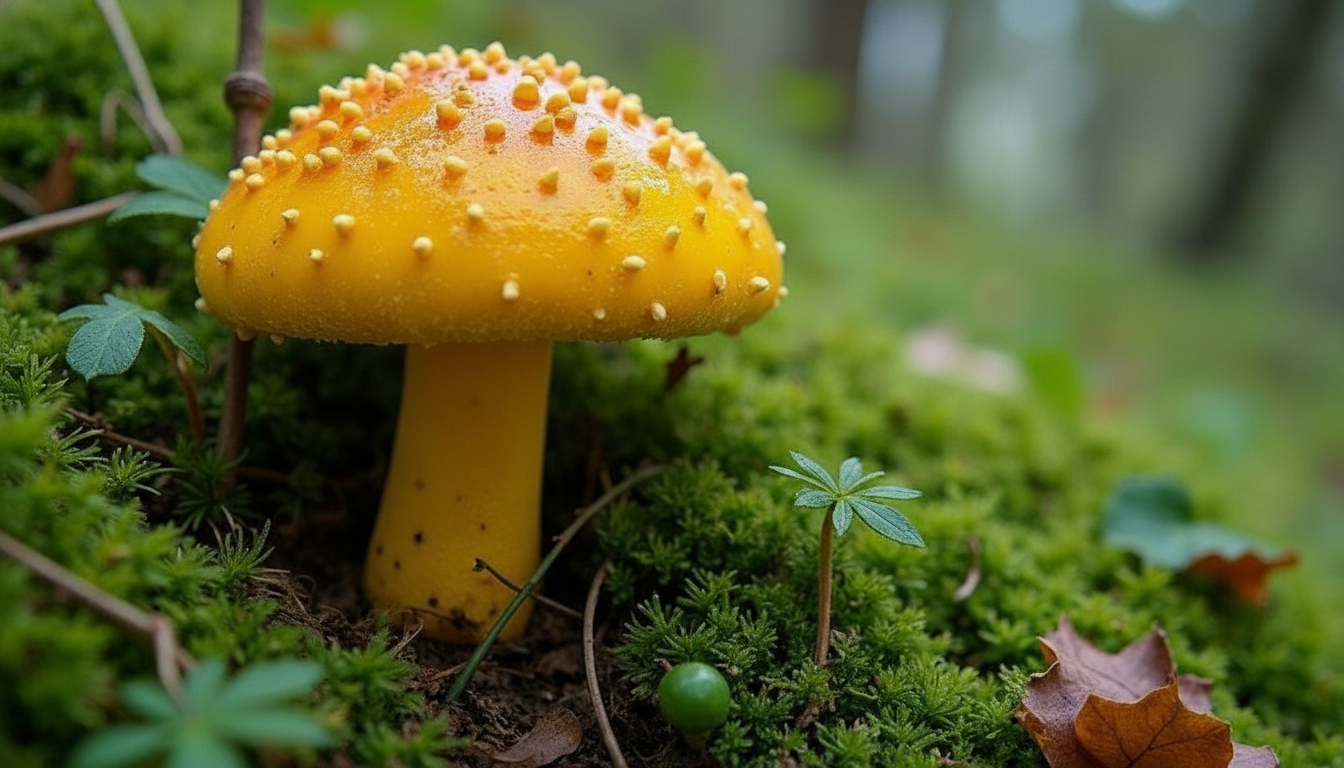
The yellow puffball mushroom, a rare and exciting discovery, has recently captured the attention of mycologists and nature enthusiasts alike, particularly in Arunachal Pradesh. This vibrant species, recorded by a team from the Longding Krishi Vigyan Kendra, marks a notable addition to the region’s already rich fungal diversity. Sighted during a routine survey in Zedua village, this may represent one of the first documented instances of this particular puffball mushroom species within the district. Such findings highlight the potential for discovering even more unique mushrooms in India, especially in regions like Arunachal Pradesh known for their incredible biodiversity. As researchers continue to explore the rich ecosystems here, the yellow puffball mushroom stands as a symbol of the ongoing efforts to document and understand rare mushrooms in this fascinating corner of the world.
Often referred to as the golden puffball, the yellow puffball mushroom is a standout addition to the fascinating array of fungi found in the rich landscapes of Arunachal Pradesh. This mushroom variant not only intrigues mycologists but also underscores the critical efforts in documenting fungal species within India’s diverse ecological tapestry. Recent discoveries from the Longding Krishi Vigyan Kendra have shed light on less-known puffball mushroom varieties, adding layers to our understanding of fungal diversity in the region. As researchers delve deeper into the ecosystem, these explorations reveal a treasure trove of rare fungi, enhancing our appreciation for the unique biological wealth present in the forests of Arunachal Pradesh.
Significance of the Yellow Puffball Mushroom in Arunachal Pradesh
The yellow puffball mushroom, recently discovered in Longding district, represents a remarkable addition to the rich tapestry of fungal diversity in Arunachal Pradesh. This state is known for its unique biodiversity, with the presence of various rare mushroom species, many of which are yet to be documented. The sighting of this particular puffball not only draws attention to the local ecosystem but also highlights the importance of preserving such biodiversity, which is crucial for maintaining ecological balance.
Moreover, the identification of the yellow puffball adds to the inventory of recorded fungi in the region, which can stimulate further research and exploration. The findings of the Longding Krishi Vigyan Kendra (KVK) emphasize the need for continued investigation into the rare mushrooms of India, which have numerous ecological and potential medicinal benefits. Increased awareness and study of these fungal species can pave the way for conservation efforts, ensuring that Arunachal’s rich mycological heritage is preserved for future generations.
Exploring Fungal Diversity in Longding District
Longding district, part of the northeastern state of Arunachal Pradesh, is home to diverse ecological zones that contribute to its rich fungal diversity. The recent discovery of the yellow puffball mushroom signifies just a fraction of the vast variety of fungi that thrive in this area. With its mixed forests and varying altitudes, Longding provides the perfect environment for a plethora of fungal species to flourish. This aspect makes the district a hotspot for mycologists and researchers alike.
Investigations by local institutions such as the Longding KVK have uncovered numerous fascinating fungi, providing insights into the intricate relationships these organisms maintain within their ecosystems. The potential for future discoveries remains enormous, as many mushroom species, including some that might be rare or endemic to Arunachal, await documentation. By exploring the fungal diversity in Longding, researchers can not only catalog these species but also assess their roles in biodiversity conservation and local culture.
Conservation Efforts for Rare Mushrooms in Arunachal
The conservation of rare mushrooms in Arunachal Pradesh, including unique finds like the yellow puffball, is essential not just for biodiversity but also for cultural and traditional practices in local communities. The growing awareness surrounding these fungi can lead to better protection strategies that preserve their habitats. Organizations such as the KVK play a critical role in this regard, conducting surveys and awareness campaigns that highlight the importance of these organisms in local ecosystems.
Implementing effective conservation efforts requires collaboration between local communities, researchers, and policymakers. By educating residents on the ecological value of rare mushrooms and involving them in preservation initiatives, Arunachal Pradesh can ensure that its remarkable fungal diversity, including the illustrious puffball mushroom species, continues to thrive in harmony with its natural environment.
Research Opportunities in Fungal Ecology
The discovery of the yellow puffball mushroom presents valuable research opportunities in the field of fungal ecology. Mycology, the study of fungi, has gained momentum in recent years, with a growing interest in unraveling the roles these organisms play in ecosystems. Researchers can delve into various aspects, such as the ecological interactions between mushrooms and their surroundings, or the potential applications of rare mushrooms from Arunachal Pradesh in pharmacology and biotechnology.
Longding’s ecologically rich environment serves as a living laboratory for investigating how climate change and human activities affect fungal populations. The unique adaptations of fungi to their environment can inform broader ecological studies and conservation strategies. This research not only contributes to academic knowledge but also empowers local communities by recognizing the economic potential of their natural resources.
Culinary Uses of Yellow Puffball Mushroom
The culinary world often embraces unique ingredients, and the yellow puffball mushroom, with its distinct appearance and delicate flavor, holds potential as a gourmet delicacy. Traditionally, mushrooms have played a significant role in many regional cuisines, and the growing interest in foraged foods has sparked excitement around incorporating local varieties, including those from Arunachal Pradesh. Chefs and food enthusiasts may find culinary inspiration in this rare species, thereby elevating its status and highlighting the importance of sustainable foraging.
Experimenting with dishes featuring yellow puffball can bring attention to the rich mycological diversity of the region. As word spreads about this mushroom, local chefs can collaborate with growers and foragers to create unique recipes that celebrate regional flavors. In this way, promoting the culinary use of rare mushrooms reinforces the connection between local culture, gastronomy, and biodiversity.
Economic Potential of Fungal Diversity
Recognizing the economic potential of fungal diversity in Arunachal Pradesh, particularly with rare species like the yellow puffball mushroom, is crucial for local development. Mushrooms can be a source of income for many communities if cultivated or harvested sustainably. The increasing global interest in exotic and rare fungi opens up avenues for exports and local markets, which can significantly contribute to the livelihoods of local populations.
Encouraging mushroom farming can lead to a dual benefit of economic growth and environmental conservation. Education and training programs can equip local farmers with the necessary skills for sustainable cultivation practices. By tapping into the region’s rich fungal resources, Arunachal Pradesh can position itself as a unique player in the mushroom industry, bringing attention both nationally and internationally to its rare mushrooms.
The Cultural Importance of Mushrooms in Northeast India
Mushrooms hold significant cultural value in Northeast India, rich in traditions and diverse societies. The yellow puffball mushroom is no exception, featuring in local folklore and traditional practices. Understanding how various tribes and communities utilize mushrooms in their ceremonies or daily life deepens the appreciation for these organisms beyond their ecological roles.
Documenting the cultural ties associated with mushrooms contributes valuable insights into the sustainable relationship between the environment and local customs. By recognizing and honoring these traditions, initiatives can promote cultural heritage while advocating for the preservation of fungal diversity in Arunachal Pradesh. This socially integrated approach can foster a sense of pride and stewardship within communities, encouraging the conservation of their rich mycological legacy.
Longding KVK’s Role in Fungal Research
The Longding Krishi Vigyan Kendra (KVK) has taken a proactive role in the documentation and study of fungal species in Arunachal Pradesh. By recently identifying the yellow puffball mushroom, the KVK has reaffirmed its commitment to enhancing knowledge about the region’s rare mushrooms. Their efforts bring much-needed attention to the importance of investing in mycological research, especially in regions with unexplored biodiversity.
Through workshops and outreach initiatives, the KVK not only contributes to scientific knowledge but also engages the local community in conservation activities. Their research efforts serve as a platform for raising awareness about the ecological significance of preserving unique mushrooms, fostering a collaborative effort to maintain and protect Arunachal Pradesh’s rich fungal diversity.
Challenges in Documenting Mycological Diversity
Despite the importance of documenting mycological diversity, several challenges persist in effectively cataloging various mushroom species in Arunachal Pradesh, including the yellow puffball. One of the primary issues is the limited access to remote areas, which makes field studies and collection efforts difficult. Furthermore, the rapid changes in land use and climate can threaten existing habitats, making timely documentation all the more urgent.
Moreover, a lack of awareness and resources for mycological research hampers the potential for discovering and preserving these unique species. Collaborations between governmental and non-governmental organizations, along with academic institutions, are essential to overcome these challenges. By pooling resources and efforts, stakeholders can create a comprehensive approach to study and protect the fungal biodiversity of Arunachal Pradesh.
Frequently Asked Questions
What is the significance of the yellow puffball mushroom in Arunachal Pradesh’s fungal diversity?
The yellow puffball mushroom represents an important addition to the fungal diversity in Arunachal Pradesh, highlighting the rich variety of rare mushrooms found in the region. This species was recently recorded by the Longding Krishi Vigyan Kendra team during their explorations, marking it as one of the earliest documented sightings in Longding district.
Where was the rare yellow puffball mushroom discovered in Arunachal Pradesh?
The rare yellow puffball mushroom was discovered in Zedua village, Arunachal Pradesh, by a team from the Longding Krishi Vigyan Kendra. This finding is significant as it contributes to the understanding of puffball mushroom species within the state.
How does the discovery of the yellow puffball mushroom enhance our knowledge of Arunachal Pradesh mushrooms?
The discovery of the yellow puffball mushroom enhances our knowledge by adding a new species to the already diverse fungal landscape of Arunachal Pradesh. It underscores the ongoing research into fungal diversity in Arunachal, which is home to numerous rare mushrooms that have yet to be fully documented.
Are yellow puffball mushrooms edible or toxic?
While some puffball mushroom species are edible, it’s important to correctly identify the yellow puffball mushroom before consuming it. Consulting local mushroom foraging guides or experts in the field, particularly in regions like Arunachal Pradesh, is advised for safety.
What role does the Longding KVK play in discovering fungi like the yellow puffball mushroom?
The Longding Krishi Vigyan Kendra plays a crucial role in discovering and documenting mushrooms, including the yellow puffball mushroom. Their field studies contribute significantly to understanding the region’s fungal diversity, helping to identify and catalog rare mushrooms in Arunachal Pradesh.
What are some other rare mushrooms found in Arunachal Pradesh?
In addition to the yellow puffball mushroom, Arunachal Pradesh is home to a variety of rare mushrooms, reflecting the state’s rich fungal diversity. Ongoing research continues to uncover new and rare species, enhancing the understanding of this biodiverse region.
How does the discovery of the yellow puffball mushroom impact conservation efforts in Arunachal Pradesh?
The discovery of the yellow puffball mushroom can significantly impact conservation efforts in Arunachal Pradesh by highlighting the need to protect its unique fungal ecosystems. Increased awareness of rare mushrooms can lead to more focused conservation initiatives aimed at preserving these vital habitats.
What are the characteristics of the yellow puffball mushroom?
The yellow puffball mushroom is known for its distinctive bright yellow color and spherical shape. It typically grows in specific habitats found in Arunachal Pradesh and can be identified by its texture and growth patterns, which are indicators of its species.
Can the discovery of the yellow puffball mushroom attract more research on fungal diversity in Arunachal?
Yes, the discovery of the yellow puffball mushroom can attract more research attention to fungal diversity in Arunachal Pradesh. As scientists and mycologists investigate this unique species, it may lead to broader studies on other lesser-known fungi within the region.
What methods are used to document rare mushrooms like the yellow puffball mushroom?
Rare mushrooms like the yellow puffball mushroom are documented using field surveys and collection methods, which include photographing specimens, noting their ecological settings, and conducting genetic analyses. Such efforts contribute to understanding fungal diversity in areas like Arunachal Pradesh.
| Key Points |
|---|
| A rare yellow puffball mushroom has been documented in Arunachal Pradesh. |
| Discovered by a team from Longding Krishi Vigyan Kendra during a field visit to Zedua village. |
| This sighting is significant as it adds to the fungal diversity of Arunachal Pradesh. |
Summary
The yellow puffball mushroom, recently spotted in Arunachal Pradesh’s Longding district, represents an important contribution to the region’s biodiversity. This rare finding not only highlights the ecological richness of the area but also underscores the ongoing efforts in mycology to document and study lesser-known fungi. As researchers continue to explore these fungal species, the yellow puffball mushroom could pave the way for further scientific interest and conservation efforts in Bhutan and adjoining regions.



























