

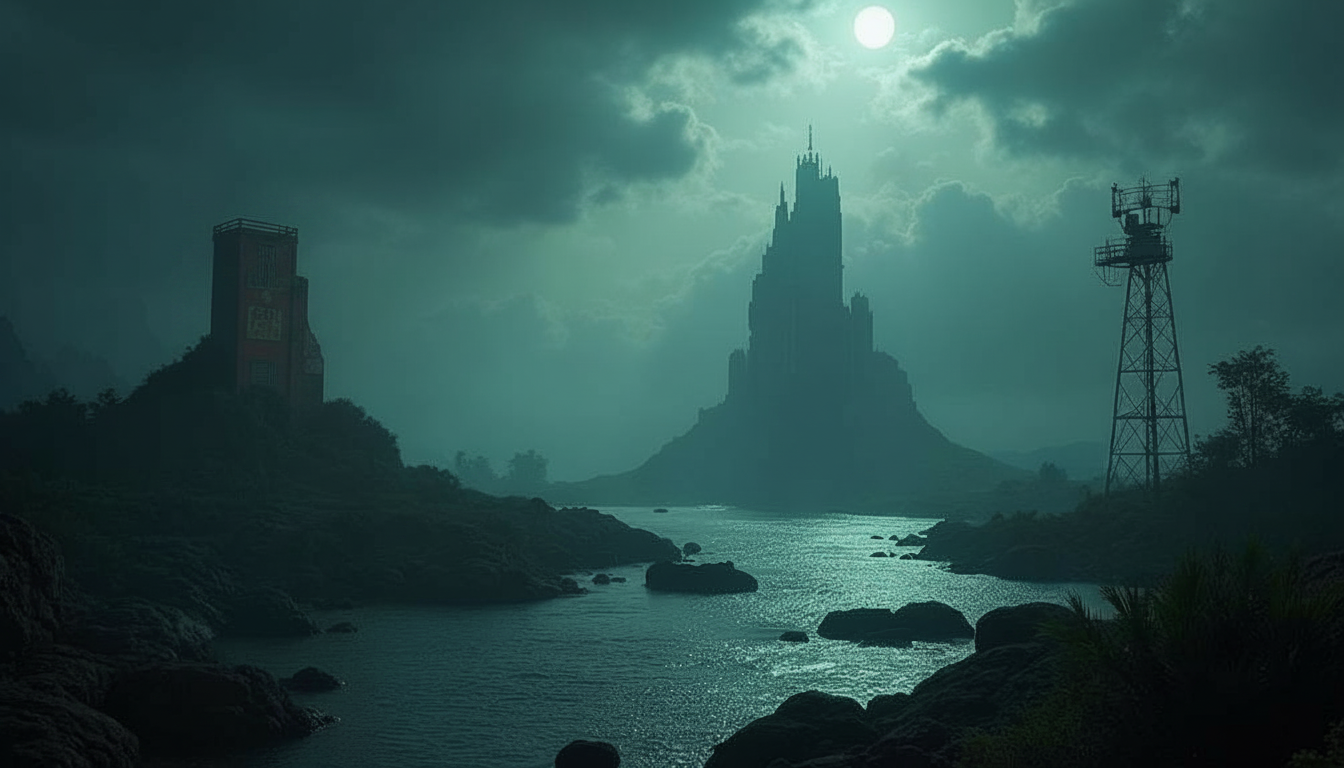
Mysterious places have a unique allure that captures the imagination and stirs wanderlust in adventurous souls. From forbidden locations entrenched in secrecy to unreachable destinations believed to hold ancient myths, these sites evoke a sense of wonder that few can resist. Often, they are hidden travel gems, shrouded in stories of lost civilizations or undiscovered wonders that remain out of reach for the average traveler. Places you can’t visit may harbor untold histories, enticing those who seek the thrill of the unknown. In this exploration, we delve into ten captivating sites around the globe that are surrounded by intrigue and steeped in enigma, where the only journey is one of discovery through imagination.
Exploring enigmatic sites around the world reveals a multitude of locations that simultaneously fascinate and baffle the curious traveler. These secret sites, often off-limits to the public, invoke a deep sense of curiosity and allure. They represent not just geographical destinations but also historical enigmas and cultural mysteries that remain untouched by modern civilization. As we embark on this journey through some of the most fascinating unreachable locations, we come to understand that some places are not just barriers for travel, but also gateways to the stories and legends that endure through time. Join us as we uncover the captivating tales of these extraordinary sites that capture the essence of the unknown.
Exploring the Allure of Mysterious Places
Mysterious places have always held a special intrigue, captivating the minds of adventurers and armchair travelers alike. These forbidden locations, often shrouded in secrecy or governed by strict regulations, draw people in with their alluring stories and the tantalizing idea that there are still corners of the Earth left unexplored. The very thought of encountering a place you can’t visit feeds the imagination, sparking desires for adventure and discovery. From the uncharted territories of North Sentinel Island to the enigmatic sites like Area 51, each location serves a purpose far beyond mere inaccessibility; they symbolize humanity’s deep-seated need for mystery and the unknown.
The reasons behind these travel restrictions vary widely. Some sites are veiled in governmental secrecy, like Room 39 in North Korea, while others aim to protect fragile ecosystems or indigenous cultures. This juxtaposition of allure and danger transforms these unreachable destinations into hidden travel gems, provoking thoughts about what lies beyond the reach of the ordinary traveler. Such places not only serve as reminders of the limitations of travel but also heighten the appeal of exploring the world, encouraging a unique form of tourism—wanting to see, even if only from afar.
Travelers often find themselves drawn to the edge of these mysterious places, yearning for a glimpse into the extraordinary. Enthusiasts will travel thousands of miles to stand at the borders of these spaces, peering through fences or binoculars to catch a glimpse of the unseeable. The sites become focal points of stories and legends, with countless conspiracy theories surrounding spots like Gangkhar Puensum in Bhutan, the world’s highest unclimbed peak, where deep respect for the mountains restricts access. This adds an element of reverence to such locations, as many appreciate the cultural significance embedded within their inaccessibility.
Social media also plays a role in perpetuating this fascination, as images of these mysterious places circulate widely, feeding curiosity and inspiring a sense of wonder. Moreover, people often share tales of their adventures around these forbidden locations, which adds layers to the narratives and amplifies the mystique. As these stories and legends continue to circulate, the forbidden nature of such places only grows, perpetuating an endless cycle of intrigue and fascination for generations of adventurers.
Understanding Why Certain Places Are Off-Limits
The reasons for restricting access to certain places can be multifaceted, deeply rooted in historical, environmental, and political contexts. For instance, locations like Snake Island in Brazil are off-limits due to the presence of deadly species that have evolved in isolation over millennia. Here, the golden lancehead viper reigns supreme, and the Brazilian government has deemed it necessary to protect both the wildlife and potential visitors from fatal encounters. This urgency emphasizes the importance of preserving unique ecosystems that are often on the brink of extinction, highlighting the boundary between human curiosity and nature’s untamed power.
Other sites, such as the Elephant’s Foot in Ukraine, arise from dire historical events that have left irreparable scars on the land. The remains of the Chernobyl disaster are emblematic of humankind’s hubris and the perils of technological advancement. Here, authorities have created strict zones to limit exposure to harmful radiation, acknowledging the immense dangers posed by remnants of human error. In this case, access is denied to protect public health and honor the lives affected by the catastrophe. Places like these serve as poignant reminders of our responsibilities towards our planet and highlight caution as a necessary measure for preserving history and nature.
In addition to environmental concerns, many mysterious places are off-limits due to cultural sensitivities and the protection of indigenous communities. North Sentinel Island is a prime example where local tribes have lived in total isolation for thousands of years. Attempting contact poses a risk to their survival, as they lack immunity to common diseases. As such, Indian law restricts access to the island, demonstrating respect for the indigenous way of life and the need to protect vulnerable populations from external threats. This highlights the ethical considerations travelers must navigate when discussing forbidden locations, balancing a desire for adventure with respect for cultural preservation and autonomy.
Ultimately, the myriad reasons behind these travel restrictions point to a larger conversation about our relationship with the planet, its inhabitants, and the value of boundaries. The allure of these inaccessible places carries with it a weight of responsibility; as curious wanderers, it is essential to honor the rules set forth by governments and communities. Respecting these boundaries allows individuals to appreciate and celebrate the existence of these mysterious places from afar, fostering a deeper understanding of the world we inhabit and the diverse stories woven within it.
The Thrill of Seeking Forbidden Locations
For many travelers, seeking out forbidden locations provides an unparalleled thrill, akin to being a modern-day explorer on a quest for the undiscovered. The adrenaline rush of standing at the border of a restricted site offers a unique kind of excitement that is hard to replicate. This sense of adventure is compounded by the stories and legends surrounding these mysterious places, each having its own genesis of intrigue that captivates the heart and mind of those interested in traveling to such unreachable destinations. The thrill within the confines of legality urges many to travel as close as possible, creating a new genre of tourism fueled by curiosity and wanderlust.
Moreover, the concept of “places you can’t visit” enhances the experience of travel by creating an air of exclusivity. The very act of yearning for what cannot be accessed unlocks creativity in how one sees the world. As visitors gather at nearby lookouts or along the shores, taking photographs and sharing stories about these forbidden locations captures their essence without infringing on the protective barriers set in place. This shared excitement often leads to a sense of community among travelers, who bond over an appreciation for the awe-inspiring elements of the world that remain hidden and protected.
Additionally, many adventurous souls invest time researching these enigmatic sites, diving into the rich history and cultural significance that make them so captivating. This research turns into a treasure hunt of sorts, where the thrill lies not just in the pursuit but also in uncovering knowledge previously concealed from the public eye. By understanding the backstories tied to these mysterious places—such as the tragedies marked by the past or the ecological wonders they harbor—travelers form a deeper connection to the destinations, even if direct access is out of reach. The knowledge gained adds another layer to their travel experiences, allowing them to appreciate the reasons behind the restrictions while still engaging in the thrill of exploration.
Ultimately, the mix of adventure, reverence, and respect for these mysterious places makes the pursuit of the unknown a thrilling endeavor. Rather than simply seeking to conquer every location on a list, this journey transforms into an appreciation of what remains untouched, deepening the connection between nature, culture, and the curious minds that seek to understand them.
The Impact of Social Media on Forbidden Travel
In today’s digital age, the allure of mysterious places is amplified by social media, creating an unprecedented interest in forbidden travel. Platforms like Instagram and TikTok showcase stunning visuals of unreachable sites, sparking countless conversations and generating curiosity among potential travelers. This dynamic exchange of images and stories fosters a global community of adventure seekers who dream of standing before these forbidden locations, even if they never set foot inside. As pictures of extraordinary landscapes circulate online, they embody the essence of exploration, drawing more viewers into the mystique of places shrouded in secrecy.
This digital fascination has ignited a new form of travel—one where the thrill is derived not solely from visiting destinations but from experiencing them vicariously through others. Many users curate their feeds around these locations, sharing tales of proximity and adventure without ever actually breaching the boundaries. It sparks imagination and inspires countless discussions about what lies beyond the fences of these hidden travel gems, encouraging deeper reflections on our fascination with the unknown and what it means to seek adventure in a world where some places remain just out of reach.
On the flip side, the portrayal of mysterious places on social media carries risks as well. As awareness grows, so does the potential for irresponsible behavior, where thrill-seekers might attempt to trespass or find ways to get closer to these sites. Such attempts can lead to legal repercussions and can threaten the preservation of both cultural and natural heritage. This highlights the critical need for responsible sharing and consumption of content related to forbidden locations. As travelers engage with social media, they possess the power to promote awareness about the importance of respecting boundaries while fostering appreciation for these unique sites.
Ultimately, the impact of social media on the fascination for forbidden travel serves both as a double-edged sword and a powerful tool for advocacy. By using these platforms to highlight not just the allure but also the importance of respecting and preserving our world’s mysterious places, travelers can cultivate a more conscious and respectful travel culture that honors the spirit of adventure without compromising the sanctity of the locations they long to explore.
The Stories Behind the World’s Most Restricted Areas
Every mysterious place has its own story, weaving together layers of history, culture, and reason why it remains off-limits. For instance, the untold tales of the Chernobyl Exclusion Zone center around a catastrophic event that transformed an entire landscape and community. Today, the haunting remnants of the past present a stark reminder of humanity’s mistakes and the fragile balance between progress and safety. The Elephant’s Foot at Chernobyl stands as a chilling testament to the fallout of a disaster that reshaped lives and environments—making it a place with stories that echo through time, even while access remains restricted.
Likewise, the enigmatic Room 39 in North Korea encapsulates the secrets of a reclusive regime that seeks to maintain power while navigating a complex international landscape. The very name incites curiosity, drawing attention to the mishmash of wealth accumulation strategies at play behind closed doors. Despite its proximity to the public backdrops of North Korean tourism, this hidden site fuels discussion aimed at uncovering the truth behind its operations while emphasizing the lengths to which governments will go to guard their secrets.
Additionally, each of these stories sheds light on broader themes of humanity, culture, and preservation. The sacred Gangkhar Puensum peak in Bhutan represents not just a natural marvel but a deep respect for the spiritual beliefs that inform the country’s cultural fabric. Such reverence for nature offers a different perspective on exploration, challenging conventional definitions of adventure and daring to tread upon areas deemed sacred. The decisions surrounding access to these mysterious places provoke conversations about time-honored traditions versus the desire for human exploration and interaction.
As travelers learn the stories behind these locations, they gain a deeper appreciation for why certain places are deemed inaccessible. These narratives encourage a thoughtful approach to adventure, recognizing the delicate balance between exploration, respect, and the importance of preserving the integrity of unique cultures and ecosystems.
Frequently Asked Questions
What are some examples of mysterious places that are forbidden locations for tourists?
Mysterious places like Area 51 in the United States and North Sentinel Island in India exemplify forbidden locations that travelers cannot visit. These sites are shrouded in secrecy and often surrounded by military protection or legal restrictions, attracting fascination and speculation from around the world.
| Mysterious Place | Location | Description | Visitable |
|---|---|---|---|
| Area 51 | United States | A highly secret military base known for testing aircraft and rumored alien technology, deeply shrouded in secrecy. | No |
| Cheyenne Mountain Complex | United States | An impenetrable military installation engineered to survive nuclear attacks, crucial for military operations. | No |
| Room 39 | North Korea | A secretive government department linked to foreign financial schemes, its exact operations are unknown. | No |
| The Elephant’s Foot | Ukraine | A highly radioactive mass from the Chernobyl disaster, dangerously toxic to near. | No |
| Snake Island | Brazil | Home to the golden lancehead viper, the island is a restricted area due to its deadly wildlife. | No |
| North Sentinel Island | India | Isolated home to the Sentinelese people, resistant to outside contact to preserve their way of life. | No |
| Gangkhar Puensum | Bhutan | The highest unclimbed peak in the world, revered as sacred in local traditions, forbidding any ascents. | No |
| Ise Grand Shrine | Japan | A sacred Shinto shrine dedicated to the sun goddess, with sealed inner sanctums not open to the public. | Partly (outer grounds only) |
| The Tomb of Qin Shi Huang | China | The hidden mausoleum of China’s first emperor with a sealed burial chamber, high mercury levels detected around it. | No |
| Poveglia Island | Italy | An abandoned island notorious for its dark history as a quarantine site and mental asylum, linked to ghost legends. | No (generally) |
Summary
Mysterious places around the world evoke a sense of fascination and intrigue, drawing the curious hearts of adventurers even when they are off-limits. Locations like Area 51 and North Sentinel Island remain cloaked in secrecy, protected by laws and natural barriers, inviting a surge of myths and legends. These enigmatic sites represent not just restrictions, but also the thin veil between the known and unknown, whispering tales of ancient traditions, military secrets, and the raw power of nature. As these locked doors capture our imaginations, they remind us that some places are meant to be left untouched, where mystery reigns supreme.



























