Black panthers are enigmatic figures in the animal kingdom, captivating wildlife enthusiasts and casual observers alike. These stunning big cats, often depicted as the embodiment of power and mystery, are actually melanistic leopards and jaguars, which display an all-black coat due to a genetic mutation. Despite their dark exterior, black panther facts reveal that their unique spots remain faintly visible, making each encounter a thrilling spectacle for those fortunate enough to witness one in its natural habitat. With their extraordinary camouflage skills, these magnificent creatures blend seamlessly into the shadows, enhancing their ability to stalk prey undetected. A black panther sighting is a rare event, evoking awe and fascination, and leaving a lasting impression on anyone lucky enough to catch a glimpse of these elusive big cats in the wild.
Often shrouded in mystery, the so-called black leopards or black jaguars, commonly known as black panthers, are famed for their striking appearance and elusive nature. These distinct wildlife beings possess a remarkable trait called melanism, which not only enhances their beauty but also their survival capabilities in dense jungles and shaded territories. The pigment-rich coats of these big cats significantly aid in their camouflage, allowing them to remain undetected by both prey and predators. When these shadowy hunters navigate their habitat, it becomes a thrilling moment for wildlife watchers hoping to catch rare glimpses of their elusive forms. Encounters with these majestic animals reveal much about the hidden complexities of their behavior and the fascinating adaptations that define their existence.
Understanding the Myth of the Black Panther
The term “black panther” often evokes images of a sleek, shadowy figure silently prowling through the night. However, it’s essential to note that black panthers are not an independent species. This name generally refers to the melanistic variations of leopards and jaguars, two well-known big cat species. The gorgeous black coat is a result of increased melanin, which can often lead to some confusion among wildlife enthusiasts and casual observers alike. When considering black panther facts, it’s crucial to remember that these magnificent creatures embody a fascinating blend of natural evolution and genetic mutation.
The allure of the black panther lies not only in its striking appearance but also in the complex genetic background from which it comes. The term itself adds an air of mystery, often leading people to believe they are encountering a unique species. In reality, understanding the variety of leopards and jaguars provides insight into this captivating melanistic phenomenon. This calls into question the accuracy of popular culture representations, which tend to simplify the truth about these big cats and their extraordinary adaptations.
The Hidden Patterns of the Black Panther’s Coat
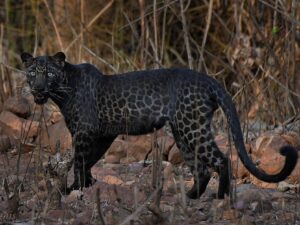
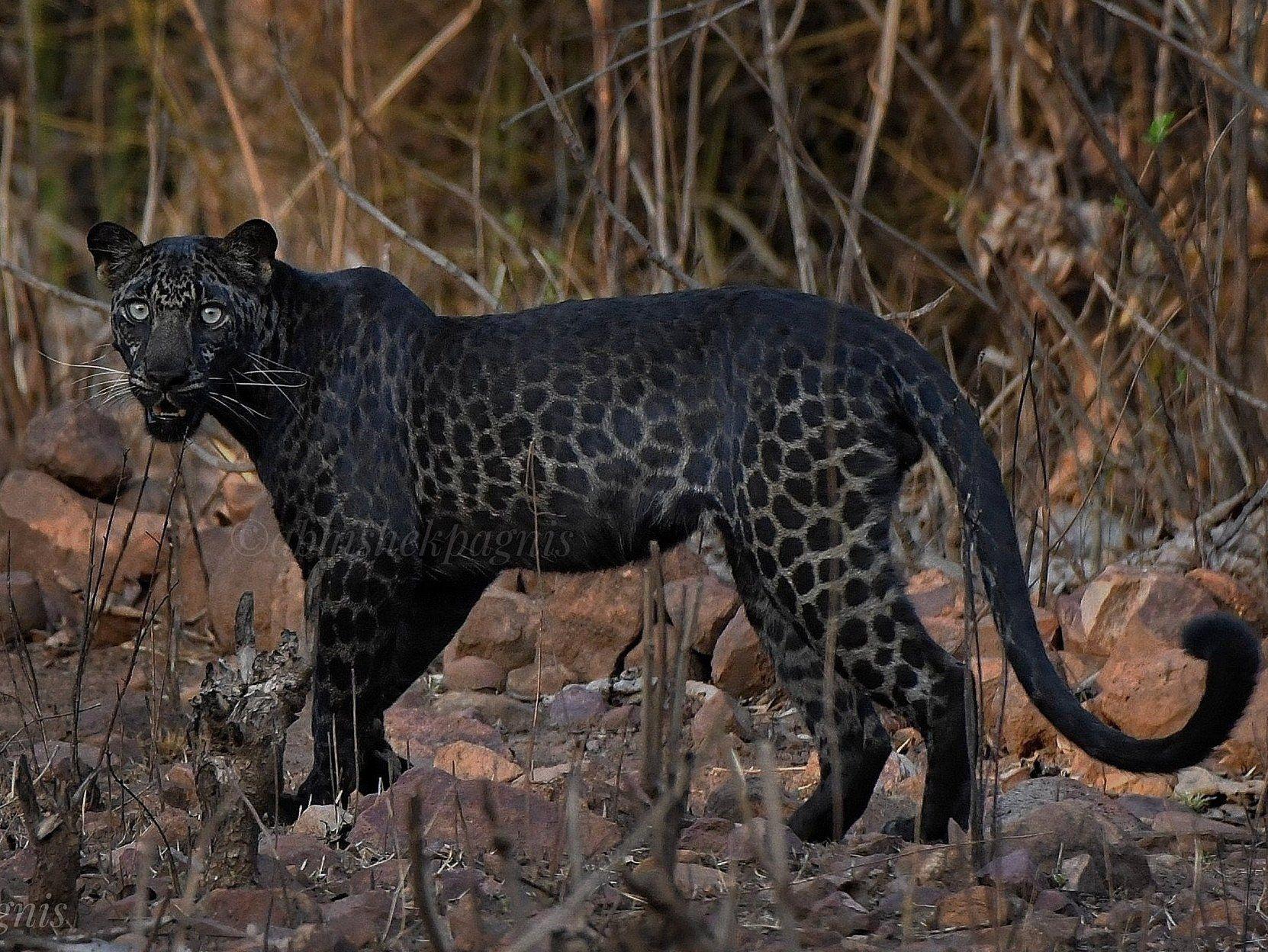
Despite their dark appearance, black panthers do not entirely lack patterns. The elusive spots that characterize leopards and jaguars are still present in these melanistic cats, albeit much less conspicuously. Under certain lighting conditions, particularly in direct sunlight, the spots reveal themselves, proving that nature’s design is never truly uniform. This unique adaptation aids in wildlife camouflage, allowing them to blend seamlessly into their environments during various activities, from stalking prey to resting in the foliage.
The visibility of these patterns not only contributes to their camouflage but also reflects the remarkable evolutionary traits that these big cats possess. Nature often blurs the lines of color to create intricate designs, providing camouflage that goes beyond just a solid hue. For those lucky enough to catch a glimpse of a black panther in the wild, witnessing these hidden spots can reinforce the awe that surrounds such majestic creatures, reminding us of the intricacies of wildlife and adaptation.
The Genetics Behind Melanism in Big Cats
Melanism in animals, particularly in big cats like leopards and jaguars, is more than just a coat color—it’s a genetic complexity that raises numerous questions about evolutionary advantages. This condition is defined by the overproduction of pigment in the skin, which grants black panthers their distinctive appearance. While many may marvel at their beauty, it is important to understand that this genetic trait occurs as a response to environmental factors, such as the need for enhanced camouflage in their natural habitats.
The genetics of melanism are not only fascinating but also crucial for survival. In densely forested areas, for instance, black coloration provides a strategic advantage during night hunts, allowing them to remain undetected by both prey and other predators. This rarity offers insight into the adaptability of species, demonstrating how variations can lead to significant survival benefits. For wildlife enthusiasts and researchers, uncovering these genetic secrets behind black panthers helps deepen the appreciation for biodiversity’s complexity.
Stealth: The Art of Being Unseen
Black panthers are celebrated for their impeccable stealth, a trait that is finely tuned over generations. Their dark coats serve a significant purpose, facilitating their ability to blend into the shadows of the forest. Coupled with their natural hunting instincts, these big cats have evolved to become masters at evading detection, not just from their prey, but also from potential threats. Understanding how they achieve this stealth is vital for appreciating their role in the ecosystem as apex predators.
This ability to remain unseen is enhanced by various factors in their environment—dense vegetation, dappled lighting, and an acute sense of awareness. Observing a black panther in its natural habitat can be a rare experience, primarily due to their skill in remaining hidden. Many wildlife enthusiasts cherish these fleeting moments when nature reveals the secretive lives of big cats, especially when witnessing a black panther’s graceful movements as it silently prowls through the underbrush.
The Impact of Black Panther Sightings on Wildlife Conservation
Sightings of black panthers are not just thrilling moments for observers; they also play a crucial role in wildlife conservation. When these enchanting big cats are spotted, they often captivate public interest, leading to increased awareness and appreciation for their habitats and the challenges they face. Conservationists leverage this fascination to highlight the importance of protecting the natural environments that sustain black panthers and many other species, creating a ripple effect of environmental consciousness in communities.
Moreover, such sightings can provide invaluable data for researchers studying population dynamics and ecosystem health. By understanding where and how frequently black panthers are seen, conservation efforts can be tailored to maximize impact. Thus, every sighting goes beyond the mere thrill of witnessing a magnificent animal; it becomes a catalyst for deeper environmental engagement and efforts to ensure the survival of these stunning creatures in the wild.
The Mysterious Allure of Black Panthers
There’s something profoundly captivating about black panthers that resonates with people, transcending cultures and geography. Their elusive nature, coupled with a stunning appearance, often embeds these big cats deeply in folklore and myth. From their embodiment of strength and independence to their role as symbols of mystery and elegance, black panthers command a unique place in our cultural consciousness. This fascination fuels ongoing discussions about wildlife and the need for conservation.
This magnetic allure has serious implications for wildlife tourism. Many enthusiasts travel great distances to catch a glimpse of a black panther, drawn by the thrill of encountering one of nature’s most enigmatic beings. Wildlife tours often highlight these magnificent creatures, raising funds and awareness for conservation while allowing people to connect on a deeper level with the natural world. Such experiences are awe-inspiring and serve as a reminder of the beauty and fragility of life that we must work together to protect.
How Black Panthers Enhance Biodiversity
As apex predators, black panthers play a critical role in maintaining the balance of their ecosystems. By controlling populations of prey species, they indirectly support a healthier habitat for various organisms. The presence of these big cats ensures that no single species overtakes the environment, promoting the rich biodiversity that wildlife enthusiasts cherish. Black panthers also contribute to the ecological dynamic of their habitats by influencing prey behavior, which can create diverse interactions within the food web.
Furthermore, the survival of black panthers encourages conservation initiatives that support broader habitat preservation. Protecting the environments that black panthers rely upon extends to safeguarding numerous other species that share their ecosystem. Thus, celebrating the existence of black panthers is not just about one species; it is about fostering a thriving, interconnected web of life that enhances our planet’s biodiversity.
Legends and Myths Surrounding Black Panthers
Throughout history, black panthers have inspired countless legends and myths, earning a revered status in various cultures around the world. From their associations with power and protection to their symbolism in spirituality, these intriguing felines have a rich narrative that enhances their mysterious charm. Many cultures regard the sight of a black panther as omens or as guardians, reflecting how deeply ingrained these creatures are in our collective consciousness and folklore.
Such narratives not only highlight humanity’s fascination with black panthers but also bring focus to the importance of conserving them. As stories and legends continue to be passed down, they can raise awareness about the realities these animals face in the wild today. By intertwining the mythologies of black panthers with modern conservation efforts, we create a holistic approach that appreciates their history while advocating for their survival in the present.
The Future of Black Panthers in the Wild
The future of black panthers hangs in the balance as they face increasing threats from habitat loss and poaching. Conservation efforts around the world strive to protect these majestic big cats, emphasizing the importance of preserving their habitats and implementing anti-poaching laws. Ensuring their survival is not just about a single species; it involves promoting the stability of entire ecosystems that rely on such pivotal animals.
By fostering community engagement and education, we can create a future where black panthers roam freely and safely in the wild. Efforts to conserve these awe-inspiring creatures must also link to broader environmental campaigns, recognizing that the existence of black panthers is intrinsically tied to the health of our planet. As stewards of the land, we share a responsibility to advocate for these magnificent big cats and ensure they continue to inspire future generations.
Frequently Asked Questions
What are some fascinating black panther facts that highlight their unique traits?
Black panthers are not a separate species but melanistic leopards or jaguars, possessing a rare genetic trait that gives them their deep black coloration. Their unique spots remain visible under certain lighting, showcasing their true nature as big cats. Interestingly, this coloration aids in wildlife camouflage, allowing them to stealthily hunt in dense forests. These elusive creatures are skilled at hiding, making black panther sightings rare and unforgettable experiences in the wild.
| Key Point | Description |
|---|---|
| 1. The name doesn’t tell the whole story | Black panthers are not a distinct species; they are melanistic leopards or jaguars. |
| 2. Their spots are still there | Despite their black coats, their species-specific spots can be seen under certain lighting. |
| 3. A rare genetic trait gives them their colour | Melanism is a rare genetic trait that aids in better camouflage for hunting. |
| 4. They are masters of staying unseen | Their dark fur allows black panthers to blend into their surroundings effectively. |
| 5. A sighting is something few people forget | Seeing a black panther in the wild is a rare and unforgettable experience. |
Summary
Black panthers embody a captivating mystique that drives fascination and intrigue. While commonly known by this moniker, the term refers specifically to the melanistic versions of leopards and jaguars, showcasing their unique beauty cloaked in dark fur. Despite their solid black appearance, these magnificent big cats still possess the distinctive spots of their species, visible under adequate lighting. Their rare genetic trait, melanism, enhances their ability to blend into dense environments, making them exceptional hunters. Often elusive, their gifted stealth allows them to thrive in the wild, evading both prey and predators. Witnessing a black panther in its natural habitat is an extraordinary moment, leaving an indelible mark on those fortunate enough to experience it.