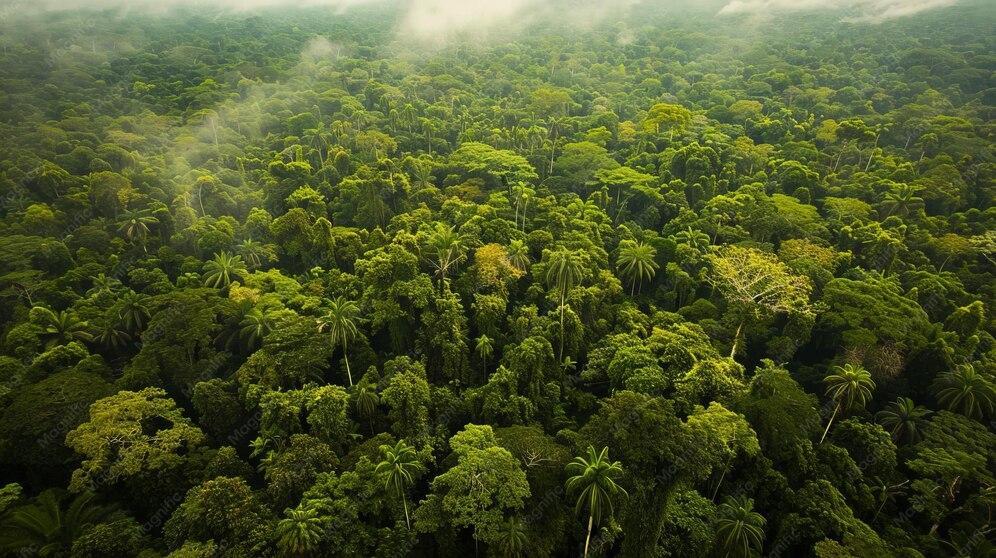
Deforestation in Brazil has emerged as a critical issue, attracting global attention due to its profound implications for biodiversity and climate change. Recent reports have indicated a substantial decline in Brazil deforestation rates, signaling a government commitment to sustainability and environmental conservation. The Lula administration’s environmental policies are pivotal, aiming for the preservation of the Amazon rainforest, which plays a crucial role in regulating climate patterns worldwide. With deforestation statistics for 2025 showing promising trends, there is cautious optimism about reversing past losses of this vital ecosystem. As the world grapples with the effects of climate change, Brazil’s efforts in forest conservation are being closely monitored, underscoring the intersection of local actions and global environmental health.
Brazil’s ongoing struggle with forest depletion highlights a pressing environmental crisis that affects not only the nation but the entire planet. The alarming rates of forest loss in this region, particularly in the Amazon, speak to broader challenges in achieving ecological balance and sustainability. The recent push for Amazon rainforest preservation showcases renewed efforts from the Brazilian government, particularly under the leadership of President Lula da Silva. As various studies and deforestation statistics project future trends, it becomes essential to understand the governmental strategies and measures being implemented to combat this pressing issue. This battle against deforestation underscores the interconnected nature of environmental policies and their impact on global climate stability.
The Recent Trends in Deforestation in Brazil
Recent data released by the National Institute for Space Research (INPE) indicates a remarkable reduction in Brazil’s deforestation rates, particularly in the Amazon rainforest. In a report presented this week, officials highlighted that deforestation had plummeted by 61.4% compared to the same period last year, showcasing a significant victory for environmental policies implemented by the current administration. This decline is not just an isolated event; it represents a broader trend towards sustainable practices in the nation as Brazil grapples with climate change effects on its ecosystems.
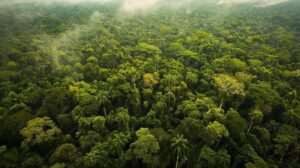
The reduction in deforestation rates is pivotal, especially given Brazil’s status as home to the largest portion of the Amazon rainforest. This massive ecosystem is often dubbed the ‘lungs of the Earth’ due to its vital role in absorbing carbon dioxide and releasing oxygen. The Lula administration’s commitment to environmental preservation and sustainability is encapsulated in these significant figures, and they play a crucial role in altering the narrative surrounding Brazilian environmental policies on the global stage.
Impact of the Lula Administration on Forest Preservation
Under President Luiz Inacio Lula da Silva, Brazil has seen a renewed focus on environmental policies aimed at preserving the Amazon and curbing deforestation. Initiatives launched during his administration emphasize not only the enforcement of environmental regulations but also community engagement in conservation practices. This holistic approach aims to balance economic development with ecological stewardship, addressing the pressing challenge of climate change. By reinforcing anti-deforestation laws and promoting sustainable agricultural practices, Lula’s government is setting a precedent for how developing nations can navigate economic pressures while maintaining environmental integrity.
The Lula administration’s strategies have yielded promising outcomes, demonstrating that measured and disciplined environmental policies can indeed produce tangible results. The continued commitment to addressing deforestation aligns with Brazil’s goals to meet international climate agreements, striving to reach significant emission reductions as set forth in the Paris Agreement. As the world looks ahead to 2025, the deforestation statistics being monitored will be crucial in assessing the effectiveness of these policies and Brazil’s role in global climate change mitigation.
Deforestation Statistics and Future Projections in Brazil
Analyzing current deforestation statistics is vital for understanding Brazil’s environmental trajectory as we approach 2025. The recent figures indicate a stark contrast to previous years when deforestation rates were alarmingly high, triggering global concern and criticism. The Lula administration’s proactive measures have not only resulted in more immediate reductions but have also laid a framework for sustainable land use policies that could persist well into the future. Experts suggest that with continued support for these initiatives, Brazil could achieve a deforestation rate close to zero by 2025.
Looking ahead, it is crucial for both Brazilian officials and global stakeholders to monitor these trends closely. As advocate measures for Amazon rainforest preservation are adjusted and refined, the implications of these decisions resonate widely, influencing climate policies and biodiversity conservation efforts around the globe. Collectively, it is a race against time to protect this critical biosphere, making it imperative for the government and society to unite in their efforts to ensure the sustainability of Brazil’s rich natural resources.
Climate Change Effects on the Amazon Rainforest
The Amazon rainforest plays a critical role in regulating the earth’s climate, absorbing vast amounts of carbon dioxide and hosting an incredible diversity of life. However, climate change has begun to impose severe stress on this delicate ecosystem, leading to destabilization in weather patterns and an increase in forest fires. The repercussions of these changes are multifaceted, threatening both the biodiversity within the Amazon and the livelihoods of indigenous communities who rely on the forest’s resources. As rising temperatures and altered precipitation patterns escalate, urgent action is required to mitigate these climate change effects.
Brazil has recognized these immediate threats and is working towards enhancing the resilience of the Amazon through comprehensive environmental policies. Notable initiatives under the Lula administration tackle not only deforestation but also focus on ecosystem restoration and community-based conservation. By establishing protected areas and incentivizing sustainable practices, Brazil aims to combat climate change while preserving its rich natural heritage, which is essential for the wellbeing of the planet.
Economic Growth vs. Environmental Sustainability in Brazil
The tension between economic growth and environmental sustainability is a central theme in Brazil’s approach to natural resource management. As one of the world’s largest economies, Brazil faces the dual challenge of fostering economic development while complying with environmental regulations that aim to protect the Amazon and other vital ecosystems. The Lula administration seeks to address this conflict by promoting sustainable agricultural techniques that allow for productive farming without resorting to deforestation. The emphasis on sustainability is expected to attract eco-conscious investments and strengthen Brazil’s position in global markets.
A critical aspect of achieving this balance involves engaging local communities and ensuring that they benefit from conservation efforts. By fostering collaboration between agricultural producers, environmentalists, and government entities, Brazil can create an economically viable model that does not compromise its rich biodiversity. The path forward requires innovative solutions and firm commitments to both preserving natural habitats and stimulating economic growth.
International Concerns Regarding Deforestation in Brazil
Brazil’s deforestation rates have long been a concern for the international community, particularly due to their implications for global biodiversity and climate change. As discussions surrounding environmental responsibility continue at international forums, Brazil’s policies under the Lula administration are under scrutiny. The nation’s proactive steps to lower deforestation rates have begun to shift perceptions, illustrating that commitment to conservation can align with economic interests. However, international observers remain vigilant, emphasizing the necessity for Brazil to uphold its promises in the fight against deforestation.
The ongoing dialogue between Brazil and its international partners is critical in fostering a cooperative approach to addressing climate change. Many countries depend on the Amazon rainforest for its numerous environmental benefits, making it imperative for Brazil to maintain transparency in its deforestation statistics and reinforce its commitments to preservation. This cooperation not only aids in technological and financial support for sustainable practices but also helps Brazil establish itself as a leader in global environmental stewardship.
Preserving the Amazon: A Global Imperative
The Amazon rainforest’s preservation is not solely a national concern for Brazil; it is a global imperative. As one of the biggest carbon sinks in the world, the Amazon significantly influences global climate patterns. Its protection is essential for mitigating the effects of climate change, showcasing the interconnectedness of ecosystems across the globe. The Lula administration acknowledges that safeguarding the Amazon requires collective efforts that transcend borders, calling for international collaborations that support reforestation and sustainable land-use policies.
In response to this global need, various international initiatives aim to bolster efforts for Amazon rainforest preservation. Organizations and countries are increasingly investing in projects that promote sustainable practices and support local communities within the Amazon. Through cooperative agreements and funding mechanisms, the world can contribute to maintaining this vital ecosystem, emphasizing that the health of the planet is a shared responsibility. Protecting the Amazon is not just about Brazil; it is about ensuring a sustainable future for generations to come.
The Role of Indigenous Communities in Deforestation Mitigation
Indigenous communities play a pivotal role in the fight against deforestation in Brazil, serving as guardians of the Amazon rainforest. Their deep-seated knowledge of the land and sustainable resource management practices position them as key stakeholders in environmental preservation efforts. The Lula administration recognizes the importance of including indigenous voices in policymaking, ensuring that these communities are empowered and supported in their conservation initiatives. Involving indigenous groups not only enhances the effectiveness of these efforts but also fosters cultural respect and allows for the preservation of traditional ecological knowledge.
As Brazil moves towards its 2025 environmental targets, the collaboration with indigenous communities offers unique opportunities to implement sustainable land-use projects effectively. Their insights can lead to innovative strategies that harmonize ecological health with community development, addressing both environmental and socioeconomic aspects of deforestation. By supporting these initiatives, the government can strengthen its deforestation mitigation strategies while honoring the ancestral ties these communities have with their land.
Evaluating Brazil’s Environmental Policies: A Future in Balance
Brazil’s environmental policies will significantly shape the future of the Amazon rainforest and its deforestation rates. The Lula administration’s shift towards more rigorous environmental regulations has invigorated discussions about sustainable approaches to land management. With heightened focus on climate change effects and their broader implications, the government is tasked with demonstrating that economic growth can coexist with environmental preservation. Evaluating these policies through the lens of success will be vital in determining their efficacy and the overall health of the Amazon by 2025.
In conclusion, as Brazil works towards striking a balance between economic development and ecological sustainability, the effectiveness of its policies will depend on multi-stakeholder collaboration and adherence to international commitments. Policymakers must remain vigilant and adaptable to changing conditions while leveraging the latest scientific insights to inform their approaches. The path Brazil chooses today will be critical in shaping not only its future but also the global climate landscape.
Frequently Asked Questions
What are the current deforestation statistics in Brazil, particularly in 2025?
As of the latest reports, Brazil’s deforestation rates have significantly declined, with a staggering 61.4% reduction compared to the same month in 2025. This achievement is attributed to effective environmental policies implemented by the Lula administration, aimed at preserving the Amazon rainforest and combating climate change effects.
| Key Point | Details |
|---|---|
| Decline in Deforestation Rates | Recent announcement revealed a significant 61.4% decrease in Amazon deforestation compared to the same month in 2025. |
| Official Sources | The information was provided by the National Institute for Space Research (INPE) and the Ministry of Environment. |
| President’s Response | President Luiz Inacio Lula da Silva acknowledged these improvements, highlighting the government’s commitment to environmental policy. |
| Impact of the Decline | This decline counters arguments by the Trump administration regarding tariffs on Brazil. |
| Lowest Levels in a Decade | Deforestation reached its lowest level in a decade last year under Lula’s administration. |
Summary
Deforestation in Brazil has seen a remarkable turnaround in recent times. Brazilian officials announced a significant reduction in deforestation rates, marking a 61.4% decrease compared to previous figures from 2025. This drop reflects the positive efforts made by the government under President Luiz Inacio Lula da Silva, who has emphasized the importance of environmental policies and sustainability. Notably, this reduction also serves to counter arguments previously made by the Trump administration regarding tariffs on Brazil, further showcasing the country’s commitment to combating environmental degradation. With deforestation reaching its lowest point in a decade, Brazil’s renewed efforts signify a vital step towards preserving the Amazon rainforest and addressing climate change.