HPV vaccination in Assam is making significant strides, as the state government intensifies its efforts towards cervical cancer prevention. Recently, Chief Minister Himanta Biswa Sarma announced that over 107,000 girls have already received the HPV vaccine, an essential component of the initiative focused on improving women’s health in Assam. This program not only aims to combat preventable diseases like cervical cancer but also fosters the health and well-being of young girls throughout the region. By committing to vaccinate 327,000 girl children, Assam’s HPV vaccination statistics reflect an ambitious and vital endeavor for the future of Assam girls’ health. Such proactive measures are paving the way for a healthier, more secure future, underscoring the importance of vaccination in reducing the burden of cervical cancer and empowering women in the state.
The initiative to provide HPV immunization in Assam marks a significant advancement in the fight against cervical cancer. This vaccination program is part of a broader strategy to enhance women’s health and tackle the challenges posed by preventable illnesses. With a focus on community health, the region is aiming to ensure that young females are safeguarded against the risks associated with HPV infections. The state’s commitment to vaccinating young girls is a clear indication of its dedication to fostering a health-conscious environment and ensuring they have the opportunity to thrive. As health authorities publish regular HPV vaccination statistics, the mobilization of resources and awareness campaigns serves as a critical pillar in building a healthier future for the women of Assam.
The Importance of HPV Vaccination in Assam
HPV vaccination in Assam has emerged as a vital public health initiative aimed at cervical cancer prevention. With over 107,000 girls vaccinated, this program is not only providing essential immunization but also fostering awareness about women’s health in the region. As cervical cancer remains one of the most prevalent cancers affecting women, targeted vaccination plays a crucial role in reducing incidence rates and protecting future generations. By focusing on young girls, the Assam government is emphasizing the need to address reproductive health issues early, thus setting a foundation for healthier communities.
The initiative is a part of a larger strategy to enhance women’s health in Assam, aligning with global efforts to eliminate diseases caused by the Human Papillomavirus (HPV). Health authorities are continuously working on improving HPV vaccination statistics, which reflects the community’s response and acceptance of the vaccine. As more families recognize the importance of the HPV vaccine program, the initiative is expected to gain momentum, ultimately leading to a significant decline in cervical cancer cases.
HPV Vaccine Program: A Commitment to Assam Girls’ Health
The HPV vaccine program in Assam represents a powerful commitment to promoting the health and well-being of young girls in the state. Chief Minister Himanta Biswa Sarma’s dedication to vaccinating 327,000 girl children highlights the government’s proactive stance on preventive health measures. The campaign not only aims for immediate health benefits but also fosters a culture of health awareness among families, encouraging them to prioritize the health of their daughters. This progressive approach addresses a critical gap in women’s healthcare and emphasizes the need for continuous support and education on cervical cancer prevention.
Furthermore, the government’s comprehensive strategy for the HPV vaccination program includes outreach efforts to educate communities about the benefits of vaccination. This involves collaboration with local health workers and schools to ensure that families are informed about the significance of the HPV vaccine. By focusing on improving girls’ health, the program also seeks to empower young women and uplift their overall societal standing, thus contributing to a brighter future for Assam. Investment in such health initiatives is fundamental not only for individual well-being but also for the collective health advancement of the entire state.
Addressing Cervical Cancer Through State Health Initiatives
Cervical cancer remains a leading health concern in Assam, particularly for women. The effective dissemination of the HPV vaccine is essential for cervical cancer prevention and aligns with the global health agenda focused on combating this disease. The Assam government’s initiative to vaccinate a substantial number of young girls is a proactive measure that seeks to change the narrative around women’s health in the region. Continuous collaboration with health organizations is vital to monitor the long-term effects of the HPV vaccination program and ensure that it meets the goals set forth by the health department.
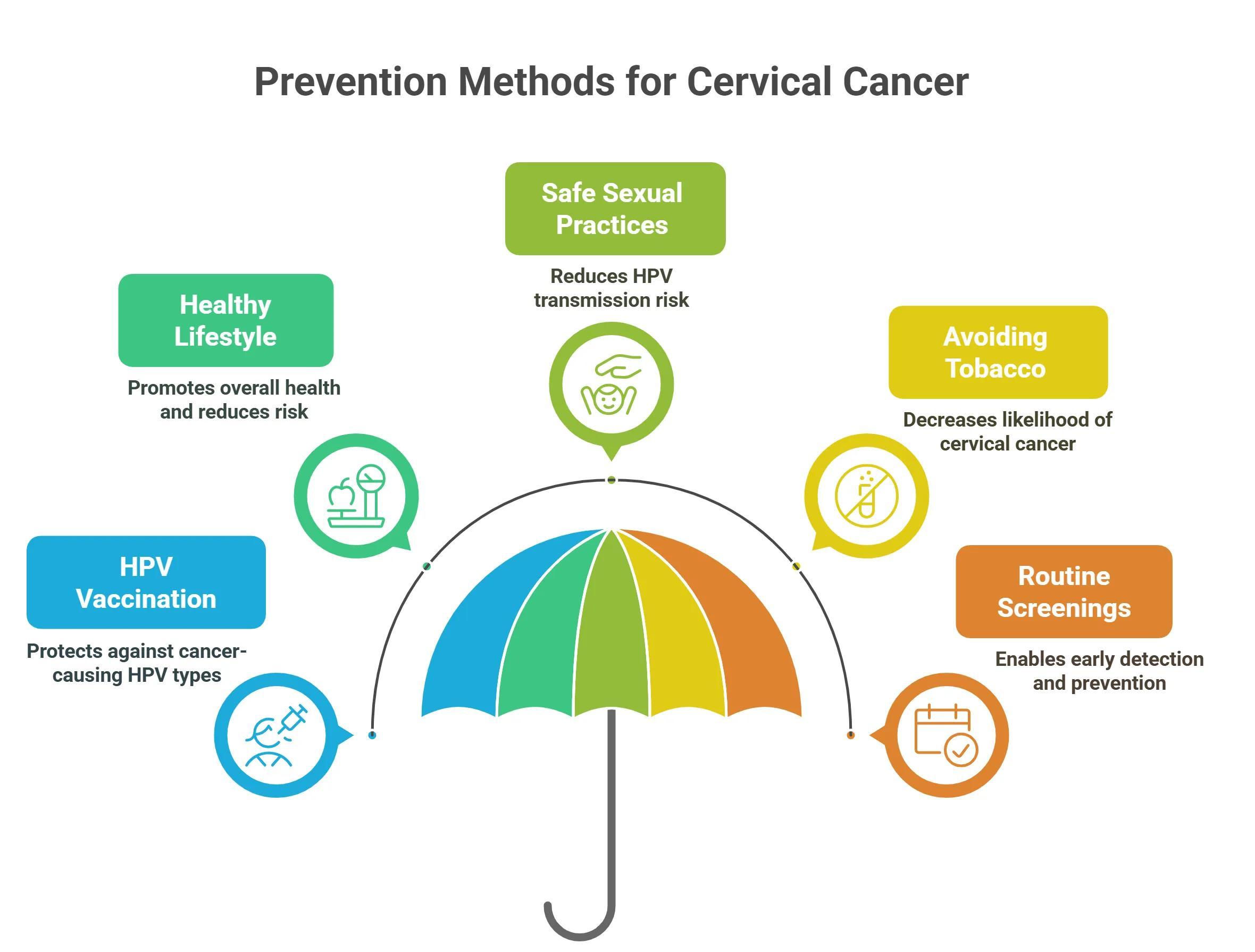
In addition to vaccination, comprehensive education on cervical cancer risk factors and prevention strategies is crucial. The state must implement awareness campaigns that not only promote HPV vaccination but also inform women about regular health screenings and lifestyle adjustments that can reduce their risk. By combining education with vaccination efforts, Assam can create a more informed and health-conscious society, significantly decreasing the rates of cervical cancer cases and advancing overall women’s health.
The Future of Women’s Health in Assam: A Holistic Approach
Looking ahead, the future of women’s health in Assam hinges on a holistic approach that encompasses not just vaccinations but also broader health education. The HPV vaccination program is a stepping stone towards creating a comprehensive healthcare framework. By integrating various health services, the state can address not only the prevention of cervical cancer but also other reproductive health issues that women face. This integrated approach will further empower women, enabling them to make informed decisions about their health and well-being.
Moreover, the government’s focus on statistics surrounding HPV vaccination indicates a commitment to not only tracking progress but also ensuring accountability in health initiatives. Data-driven strategies can guide future campaigns and health policies, allowing the state to respond effectively to the health needs of its population. By prioritizing women’s health, Assam can pave the way for healthier communities and a brighter future where young girls have the right to dream and prosper, free from the threat of preventable diseases.
Community Involvement in HPV Vaccination and Health Advocacy
Community involvement plays a pivotal role in the success of the HPV vaccination program in Assam. Engaging local leaders, educators, and health workers fosters trust and encourages families to participate actively in the vaccination efforts. Advocacy at the grassroots level is essential for addressing concerns and misconceptions about vaccines, thereby increasing acceptance and participation rates. Through community meetings and workshops, women and families can receive accurate information and support, reinforcing the importance of cervical cancer prevention.
As local champions emerge within the community, they can create a ripple effect, motivating others to prioritize health and engage more actively in initiatives that promote women’s well-being. This grassroots mobilization is vital for sustaining the momentum of the HPV vaccination program and ensuring it resonates with the diverse cultural contexts of Assam. Ultimately, creating a robust support network around young girls’ health will lead to more significant health improvements across the state.
Monitoring and Analyzing HPV Vaccination Impact in Assam
To ensure the success of the HPV vaccination program, continuous monitoring and analysis of its impact on women’s health in Assam is critical. Establishing a robust data collection system allows health officials to track vaccination rates, assess community outreach effectiveness, and analyze health outcomes over time. This data-driven approach not only keeps stakeholders informed but also fosters transparency and accountability in the program’s implementation.
Regular assessment helps identify areas requiring additional support or adjustment in strategy, ensuring that the program aligns with its health goals. By engaging healthcare professionals and researchers in the evaluation process, Assam can refine its approach to maximize the impact of the HPV vaccination initiative. Ultimately, a commitment to understanding and improving the program will lead to sustained health benefits for girls and women throughout the region.
Challenges and Solutions in HPV Vaccination Rollout
The rollout of the HPV vaccination program in Assam faces several challenges, including logistical hurdles, vaccine hesitancy, and misinformation. Addressing these issues is critical for achieving the program’s ambitious goal of vaccinating 327,000 girls. Ensuring adequate supply chain management and accessibility to remote areas will play a crucial role in the vaccination campaign’s success. Community health workers must be equipped with the resources and training necessary to effectively communicate the importance of the HPV vaccine.
Furthermore, targeted communication strategies to combat misinformation can empower communities to recognize the HPV vaccine’s safety and efficacy. Engaging trusted local figures in outreach efforts will help alleviate fears and build confidence in the vaccination initiative. By addressing these challenges head-on and implementing strategic solutions, Assam can enhance the uptake of the HPV vaccine, facilitating a significant reduction in cervical cancer risk among its female population.
Integrating HPV Vaccination with Comprehensive Health Education
Integrating HPV vaccination efforts with comprehensive health education is essential for promoting women’s health in Assam. The government must prioritize educating families about not only the HPV vaccine but also the broader aspects of sexual and reproductive health. Building a curriculum that includes information on cervical cancer prevention, routine health screenings, and healthy lifestyle choices will empower young girls and their families to make informed health decisions.
Moreover, educational institutions can serve as critical platforms for this initiative, reaching a diverse audience. Collaborating with schools and local organizations can further amplify the reach and impact of health education programs, ensuring that the information is accessible and culturally relevant. By fostering an environment where health education is prioritized alongside vaccination, Assam can create a more informed and proactive populace that champions women’s health and well-being.
Support Systems for Families Participating in HPV Vaccination
Support systems play a crucial role in encouraging families to participate in the HPV vaccination program in Assam. Establishing community-based support networks can alleviate concerns and provide assistance throughout the vaccination process. Support systems can include peer groups, local health worker outreach, and informational resources that guide families through the steps of vaccination while addressing any fears or hesitations they may have regarding the HPV vaccine.
Additionally, providing incentives for families who participate in health initiatives can help improve vaccination rates. These incentives, whether they be educational materials or health check-ups, can serve to motivate families to prioritize HPV vaccination. By surrounding families with supportive resources, Assam can create a robust environment for successful vaccination efforts, ultimately protecting more young girls from cervical cancer.
Frequently Asked Questions
What is the HPV vaccination program in Assam and how does it contribute to cervical cancer prevention?
The HPV vaccination program in Assam is a state initiative aimed at preventing cervical cancer by vaccinating young girls against the Human Papillomavirus (HPV). Launched by Chief Minister Himanta Biswa Sarma, the program has already vaccinated over 107,000 girls, with a goal of reaching 327,000. This effort is vital for women’s health in Assam, ensuring that future generations are protected from cervical cancer and can pursue their dreams without the fear of preventable diseases.
| Key Points | |||||
|---|---|---|---|---|---|
| The Chief Minister of Assam, Himanta Biswa Sarma, announced progress on the HPV vaccination program. | Over 107,000 girls have already been vaccinated against HPV. | The initiative aims to prevent cervical cancer in young girls. | A total of 327,000 girl children are targeted for vaccination in this program. | The government emphasizes the importance of women’s health and securing a healthier future. | The initiative underscores commitment to protecting girls from preventable diseases. |
Summary
HPV vaccination in Assam is seeing significant progress as the Chief Minister has reported over 107,000 girls immunized against the virus. This initiative is part of a broader effort to combat cervical cancer, a severe health concern for women. The state has set an ambitious target to vaccinate 327,000 girl children, highlighting the commitment to women’s health and a future free of cervical cancer. With a focus on enabling daughters to pursue their dreams unhindered by preventable diseases, the vaccination program serves not only as a health measure but also as a foundational step towards securing the well-being and health of future generations in Assam.