

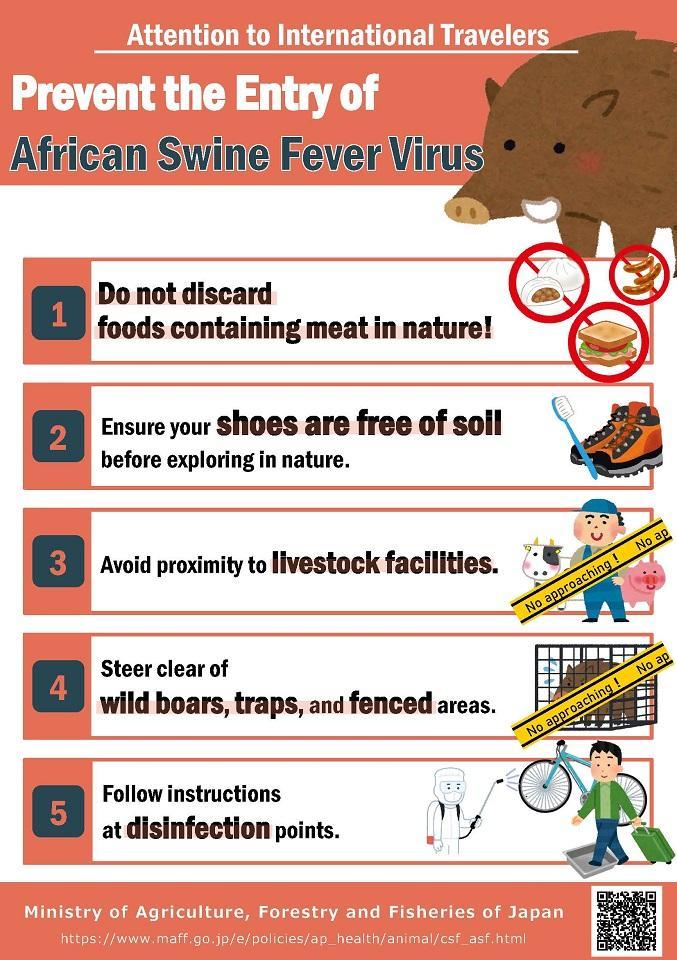
In response to the alarming outbreak of African Swine Fever (ASF) in the Charaideo district, strict restrictions have been implemented to safeguard local pig populations. District officials have acted swiftly, enforcing measures that include a comprehensive ban on the transportation of live pigs and pork products within the Mahmora Revenue Circle. This decisive action is critical to ensure effective ASW disease control and limit the spread of this contagious virus among swine. As part of these regulations, pig owners must adhere to stringent biosecurity measures to protect their livestock. The community is urged to stay informed about updates regarding these pig disease regulations in order to mitigate potential risks.
Following the recent health crisis affecting the swine population, local authorities have enacted severe regulations to combat the resurgence of this viral threat in the region. These measures, commonly referred to as African Swine Fever restrictions, are designed not just for immediate containment but also for long-term sustainability of pig farming. The restrictions include a total prohibition on the trade of pork and stringent oversight on animal movement, ensuring that only regulated biosecurity measures are followed. This comprehensive approach is crucial for both public health and agricultural stability, aiming to protect the interests of local breeders and consumers alike. As the community adapts to these necessary changes, staying updated with the evolving situation will be essential.
Understanding African Swine Fever Restrictions in Charaideo District
The Charaideo district administration has enacted stringent measures in response to the confirmation of African Swine Fever (ASF) cases among local swine populations. As mentioned in the official reports, the ban on the transportation and sale of pigs, pork products, and other related items is one of the critical steps taken to curb the epidemic. This decision reflects the urgency of biosecurity measures which are crucial in safeguarding the health of both domestic pigs and wild boars in the region. By limiting the movement of affected animals and products, authorities aim to minimize the risk of spreading the virus further and contain the outbreak within the Mahmora Revenue Circle.
The restrictions also include prohibitive actions against the slaughter and sale of pigs, which are pivotal to the local economy and food supply. This comprehensive approach demonstrates the district’s commitment to ASW disease control, emphasizing the role of timely response in disease management. Additionally, local pig owners are being urged to adhere to strict biosecurity measures, such as reporting any unusual deaths promptly to the Veterinary Department. Such protocols are designed to address the immediate risks posed by ASF and ensure that the public is informed and protected from potential health hazards.
Implementation of Biosecurity Measures for Pig Health
To combat the ongoing ASF crisis effectively, the Charaideo district administration has mandated the implementation of robust biosecurity measures for pig owners and breeders. These measures are especially crucial given the highly infectious nature of the virus, which not only threatens domestic pig populations but can also have serious ramifications for farm productivity and local economies reliant on pork distribution. Biosecurity protocols may include restricting access to pig farms, sanitizing equipment and vehicles that come into contact with pigs, as well as the proper disposal of carcasses to prevent contamination.
Moreover, the district health officials are actively monitoring the situation and have established channels for communication with local farmers. Pig owners are advised to increase their vigilance and adhere strictly to guidelines provided by veterinary authorities. This mutual effort to bolster surveillance and compliance will help mitigate the outbreaks and reduce the need for any further pork product bans in the future. Overall, these biosecurity measures serve as a foundational aspect of the strategy to combat pig disease regulations, ultimately aiming for a sustainable resolution to the ASF crisis in the Charaideo district.
Consequences of ASF on Local Pig Farming and Economy
The imposition of restrictions due to African Swine Fever (ASF) is not just a public health measure; it reverberates through the local economy, significantly impacting pig farming. Pig farmers in the Charaideo district are faced with the immediate consequences of the prohibition on the sale and transportation of pork products. This not only threatens their livelihoods but also disrupts the supply chain of pork to local consumers, leading to increased prices and reduced availability. The ripple effect of these restrictions could lead to a decline in local agricultural activities and economic instability in pig farming communities.
Additionally, farmers will be compelled to adapt by adopting stricter biosecurity measures and possibly diversifying their operations to mitigate losses. In the long term, these stringent regulations may encourage a shift toward more sustainable and resilient farming practices, ultimately benefiting the agricultural sector as a whole. However, for the present, the challenge remains significant, and farmers must navigate the complexities of compliance while seeking support from government initiatives aimed at disease control. Ultimately, the response to ASF will require collaboration among farmers, government authorities, and veterinary services to restore the health of the local pig population and safeguard public health.
The Role of Local Authorities in Managing ASF
Local authorities play a pivotal role in managing the crisis of African Swine Fever (ASF) in the Charaideo district as they are responsible for implementing and enforcing the restrictions necessary to control the spread of the disease. This includes not only issuing prohibitions against the movement of livestock and pork products but also ensuring compliance among pig owners and traders. The administration’s proactive stance demonstrates a commitment to safeguarding public health and the welfare of local economies reliant on pig farming.
In addition to enforcement, local authorities are also tasked with educating the community on the importance of biosecurity measures and the consequences of ASF spread. Through workshops, public notices, and collaborations with veterinary departments, officials can empower pig farmers with knowledge that helps them protect their livestock and maintain biosecurity on their farms. The effective management of ASF by local authorities reflects the significance of community awareness and cooperation in overcoming animal disease crises and restores trust in meat safety regulations and practices.
Importance of Reporting and Monitoring Pig Health
Prompt reporting and monitoring of pig health are critical components in the fight against African Swine Fever (ASF). The Charaideo district administration encourages all pig farmers to report any suspicious signs of disease or unusual deaths within their herds to the local Veterinary Department without delay. Early detection and reporting can significantly reduce the spread of ASF, allowing for timely interventions and containment measures, which are essential for the overall health of pig populations in the district.
Monitoring pig health is not only important for immediate disease containment but also plays a vital role in long-term livestock management. Farmers and veterinary services can utilize health monitoring data to track the efficacy of biosecurity measures and make informed decisions. This collaborative effort between farmers and authorities ensures that ASF does not pose a lasting threat to local pig farming and the broader agricultural sector, protecting both farmers’ livelihoods and consumer interests in pork production.
Economic Implications of Pork Product Bans
The economic implications of the pork product ban in the Charaideo district following the outbreak of African Swine Fever (ASF) are substantial. Farmers, who depend on the sale of pigs and pork products for their income, are seeing their revenue drastically impacted. With restrictions in place on transportation and sales, as well as the need to adhere to stringent biosecurity protocols, many farmers are faced with financial hardship. The pork product ban not only affects individual livelihoods but can also lead to reduced pork availability in the market, which could drive prices up for consumers.
In addition, the pork industry often has strong ties to various sectors, including feed suppliers and local restaurants. Consequently, the bans could lead to a cascading effect throughout the local economy, where businesses reliant on the pork supply chain experience significant losses. Addressing these economic ramifications will require comprehensive support systems from local government, including potential subsidies or support programs for farmers affected by the ASF outbreak. This investment in recovery will be essential for restoring economic stability in the region.
Collaboration for Effective Disease Control
Effective disease control for African Swine Fever (ASF) in the Charaideo district hinges on collaboration among various stakeholders, including local government agencies, farmers, and veterinary health departments. The collaborative efforts help to enhance surveillance programs, implement biosecurity measures, and facilitate quick response strategies in the event of suspected disease outbreaks. Community involvement is crucial in reporting health concerns swiftly, which aids in minimizing the potential spread of ASF and protects local pig populations.
Moreover, stakeholders are encouraged to work together to educate one another on best practices for pig farming and biosecurity. Joint workshops and training sessions can play a significant role in instilling a culture of disease awareness and proactive management. By fostering a unified approach to address the challenges posed by ASF, the Charaideo district can better protect its pig farmers, safeguard public health, and ultimately support the region’s economy.
Veterinary Support for Pig Breeders
Veterinary support is an invaluable resource for pig breeders in the Charaideo district during the ongoing challenge posed by African Swine Fever (ASF). Veterinary professionals play a key role in providing guidance on biosecurity measures, health monitoring, and emergency response actions. Pig owners are encouraged to consult with veterinarians regularly for health assessments, vaccinations, and advice on best practices in managing their livestock. This partnership is critical for ensuring that pig herds remain healthy and that any signs of disease are detected and addressed promptly.
Furthermore, veterinarians are instrumental in conducting training programs for pig breeders on the importance of biosecurity and disease reporting. These educational sessions help to equip breeders with the knowledge necessary to understand ASF, its transmission, and how to implement effective disease control measures on their farms. A robust veterinary support system ensures that pig farmers can maintain healthy herds, reinforcing the overall resilience of the local pig farming industry in the face of ASF threats.
Regulatory Framework for ASF Management
The regulatory framework established by the Charaideo district administration is designed to manage the threat posed by African Swine Fever (ASF) effectively. Under the Bharatiya Nagarik Suraksha Sanhita (BNSS), 2023, district officials have the authority to impose restrictions on the movement and sale of pigs and pork products. This legal foundation supports the administration’s efforts to prioritize public health and contain disease outbreaks. By empowering local government to take decisive action in the face of ASF, the regulatory framework provides a structured response aimed at protecting the community’s health and livelihoods.
Moreover, these regulations play a vital role in setting biosecurity standards for pig farming and establishing protocols for reporting and monitoring pig health. The legal framework not only enforces compliance among pig owners but also promotes a culture of responsibility within the farming community. By adhering to these regulations, farmers contribute to a collective effort in managing and controlling the ASF outbreak. Ultimately, the regulatory framework is essential in maintaining the integrity of the agricultural sector and ensuring the continuous availability of safe pork products to consumers.
Frequently Asked Questions
What are the current African Swine Fever restrictions in the Charaideo district?
The Charaideo district has implemented strict African Swine Fever (ASF) restrictions due to confirmed cases in pigs. Effective immediately, the administration has banned the transportation of live pigs, pig products, and pork meat within the Mahmora Revenue Circle. Additionally, the sale, slaughter, and purchase of pigs are prohibited, and pig owners must adhere to strict biosecurity measures. All pig deaths must be reported to the Veterinary Department, and carcasses should be disposed of through deep burial. These measures aim to prevent the spread of the disease.
| Key Point | Details |
|---|---|
| Location of Restrictions | Lukhurakhan Gaon, Mahmora Revenue Circle |
| Reason for Restrictions | Confirmed cases of African Swine Fever (ASF) in pigs |
| Transportation Ban | Ban on transportation of live pigs, pig products, and pork meat |
| Sale Prohibitions | Prohibition on the sale of pork and pork products, as well as slaughter, sale, and purchase of pigs |
| Biosecurity Measures | Strict biosecurity protocols to be followed; report any pig deaths to Veterinary Department |
| Disposal Protocol | Carcasses must be disposed of through deep burial according to biosecurity measures |
| Approval Requirement | Transporting pig feed requires prior approval from the Veterinary Department |
| Effectiveness of Order | Effective immediately and will remain until further notice |
| Penalties for Violations | Violations incur penalties under the BNSS provisions |
Summary
African Swine Fever restrictions have been enforced in the Charaideo district to curb the spread of this highly contagious disease among pigs. Following the alarming confirmation of ASF cases in Lukhurakhan Gaon, the district administration, led by District Magistrate Neha Yadav, has promptly implemented stringent measures. These restrictions include bans on the transportation and sale of live pigs and pork products within the Mahmora Revenue Circle. Additionally, pig owners are urged to adhere strictly to biosecurity protocols, including timely reporting of any pig deaths. Such comprehensive actions aim to safeguard the local pig population from further infection and prevent an outbreak. The situation remains under close scrutiny, with penalties in place for non-compliance.



























