

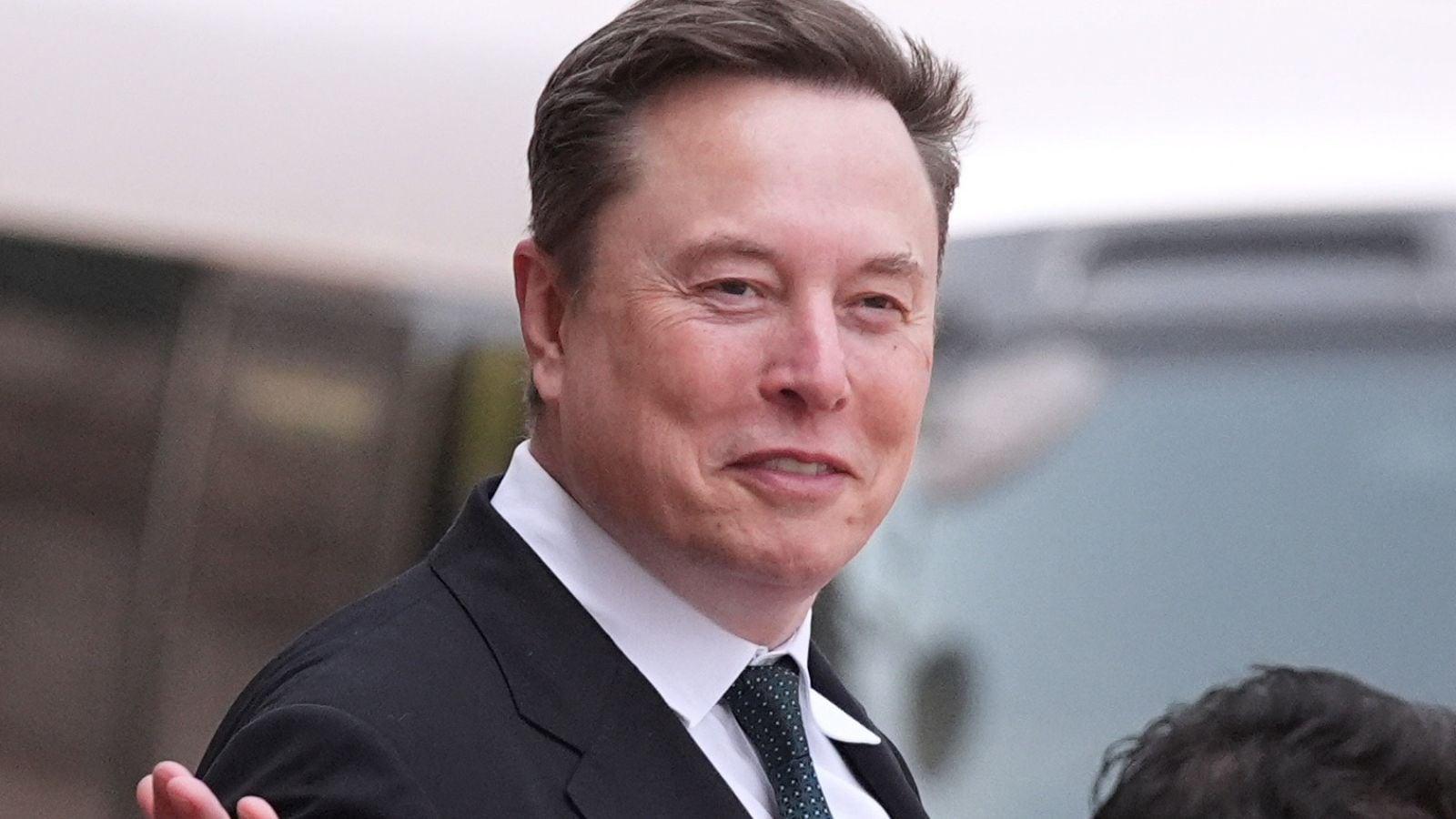
Elon Musk has taken the world by storm as he officially becomes the first trillionaire following the astounding surge in SpaceX shares. As the company concludes its trading day with a valuation soaring over $2 trillion, Musk’s wealth illustrates the growing divide marked by economic inequality. This new financial milestone not only fuels discussions about the implications of extreme wealth on society but also raises concerns about its potential impact on democracy. Critics from various political spectrums point to Musk’s staggering fortune as emblematic of a system that rewards few while many struggle. As the conversation around the economic landscape intensifies, the significance of Musk’s unprecedented wealth cannot be overlooked, especially as SpaceX navigates its monumental IPO.
In the realm of modern affluence, Elon Musk has emerged as a transformative figure, recently clinching the title of the world’s first trillionaire. The remarkable rise in his financial stature is closely tied to SpaceX, whose shares have seen an impressive uptick in value after its market debut. This phenomenon underscores a broader narrative concerning technological advancements and their role in exacerbating economic divides. Policymakers and economists alike are voicing concerns regarding the ramifications of Musk’s wealth on societal structures and democratic integrity. As the focus shifts towards the implications of such vast fortunes, the conversation invites a deeper examination of wealth concentration in the age of innovation.
Elon Musk’s Trillionaire Status and Economic Inequality
Elon Musk’s recent achievement of becoming the world’s first trillionaire has sparked significant discussions regarding economic inequality. Musk’s wealth, primarily driven by his substantial holdings in SpaceX and other ventures, underscores the vast disparities that exist within the modern economic landscape. As his wealth skyrockets, millions of Americans continue to struggle under the weight of stagnant wages and rising living costs. This juxtaposition highlights not only the extremes of wealth accumulation in the tech sector but also the systemic issues that allow such imbalances to flourish.
The unprecedented magnitude of Musk’s fortune has led economists and social commentators to question the broader implications for society. Critics argue that such concentration of wealth can hinder economic mobility and contribute to a polarized society, where the rich continue to gain while the average citizen falls further behind. The response from various political figures has echoed these sentiments, suggesting that Musk’s rise to trillionaire status is a glaring signal that reforms are needed to address the inequities that have only been exacerbated by concentrated wealth in the tech industry.
The Impact of SpaceX IPO on Market Dynamics
The recent IPO of SpaceX has transformed market dynamics effectively, creating ripples that extend far beyond the tech industry. With an astounding initial valuation of approximately $2 trillion, SpaceX’s success showcases the appetite investors have for innovative companies pushing the boundaries of technology. This IPO marks a significant moment in financial history, demonstrating how companies at the intersection of technology and innovation can garner unprecedented interest from stock market investors, ultimately influencing broader market trends.
However, the explosive growth of SpaceX shares and their impact on market dynamics raises questions about sustainability. Investors and analysts are closely watching to see whether this surge represents a stable and lasting shift or if it is merely a speculative bubble. As SpaceX continues to innovate in space exploration and satellite technology, the financial health and future strategies of the company will determine how its IPO impacts both shareholder wealth and the overall market landscape in the coming years.
Democratic Critique of Musk’s Wealth and Its Societal Implications
The response from many Democratic leaders regarding Elon Musk’s ascension to trillionaire status has highlighted concerns about the societal impact of extreme wealth. Prominent figures like Senators Bernie Sanders and Elizabeth Warren have vocalized their concerns about the inequality exemplified by Musk’s fortune. The critiques focus not only on individual wealth but also on systemic issues that allow such disparities to exist, calling for renewed discussions around wealth taxation and regulations that address these inequalities.
Moreover, this critique emphasizes the moral implications of wealth concentration in a democracy. As Musk accumulates wealth at an unprecedented rate, critics warn that such extremes could undermine the democratic principles that many Americans hold dear. Discussions surrounding the need for a wealth tax and other reforms are gaining traction, urging policymakers to take action to prevent a widening divide between the ultra-wealthy and everyday citizens. The implications of Musk’s financial rise extend beyond personal wealth, prompting a reevaluation of policies that govern economic equity and social justice.
The Potential Consequences of Musk’s Wealth on Democracy
Elon Musk’s unprecedented wealth raises pressing concerns about its ramifications for democracy. As a trillionaire, Musk’s financial power grants him a unique influence over societal decisions, including political outcomes and public policy. The concentration of wealth in the hands of a few has led to fears of oligarchy, where the interests of ordinary citizens may be overshadowed by the ambitions of the ultra-rich. Analysts argue that this trend threatens the very foundations of democratic governance and social equity.
Furthermore, experts contend that the rise in extreme wealth is not just a financial concern, but a pivotal issue for the preservation of democracy itself. The widening wealth gap could lead to increased disenfranchisement among the lower and middle classes while empowering those with immense wealth to shape policies that serve their interests. The ramifications of this shifting power dynamic could define the political landscape for generations, necessitating urgent discussions on how to balance wealth generation with societal welfare.
SpaceX’s Valuation and Its Economic Impact
The soaring valuation of SpaceX, now hovering around $2.2 trillion, underscores the company’s significant position within the global economy. As SpaceX continues to dominate in the aerospace sector, its success is likely to influence numerous related industries. The influx of capital from the company’s IPO not only benefits Musk but also generates substantial economic activity, with potential benefits spreading to suppliers, employees, and investors alike. This valuation sets a precedent for future tech companies looking to enter public markets.
However, there is a critical examination of what this unprecedented valuation means for the economy at large. While pronounced success in the tech sector can indicate growth and innovation, it also raises concerns about long-term sustainability. Should market conditions shift, questions arise over the stability of such inflated valuations and their potential to lead to significant financial repercussions for investors. Hence, while SpaceX may currently represent an economic boon, the future remains uncertain, compelling stakeholders to remain vigilant and informed.
The Role of Technology in Shaping Economic Fortunes
The intersection of technology and economics has never been more pronounced than in the case of Elon Musk and SpaceX. Technological advancements have facilitated the rapid accumulation of wealth, with innovators at the forefront benefiting enormously as their ideas and ventures reshape industries. In Musk’s case, innovations in space travel and his ventures in AI have not only propelled SpaceX’s financial success but have also contributed to an environment in which such wealth generation is not only possible but expected.
However, this shift raises essential questions about the broader implications for workers and job markets. As automation and AI continue to evolve, the spotlight is on how these technologies will impact employment across various sectors. The fear is that while a few may prosper wildly, many could find their jobs susceptible to displacement. Thus, the narrative surrounding technology is not simply about wealth creation but also about the socio-economic ramifications that follow in its wake.
SpaceX and the Future of American Economy
As SpaceX emerges as a dominant player in the aerospace industry, its future trajectory could have significant implications for the American economy. The company’s ambitions in space exploration promise not only to carve out new markets but also to inspire a revolution in industries related to technology, manufacturing, and telecommunications. The ripple effects of SpaceX’s innovations are likely to foster job creation and stimulate economic growth, potentially repositioning the United States as a leader in the next era of space exploration.
However, with this potential for economic transformation comes the need for careful policy considerations. As the space sector becomes more lucrative, there is a pressing need for the government and regulatory bodies to ensure equitable growth that benefits all Americans, rather than reinforcing existing inequalities. Balancing innovation with inclusive economic strategies will be crucial in leveraging SpaceX’s pioneering efforts for broader societal gain.
Elon Musk’s Influence on Stock Market Dynamics
Elon Musk’s influence extends beyond his personal wealth and directly impacts stock market dynamics. Following the surge in SpaceX shares, Musk’s decisions and statements can significantly sway market sentiment, leading to fluctuations in stock prices across various sectors. This phenomenon illustrates the power that individual billionaires can exert over market trends, raising concerns about market stability and fairness as retail investors react to media narratives surrounding such influential figures.
Moreover, the implications of Musk’s influence on the stock market highlight the intricate relationships between public perception and financial performance. As SpaceX’s valuation continues to climb, it sets a benchmark for other tech companies seeking to go public, establishing high expectations that may not always align with fundamental financial realities. This dynamic creates challenges for investors who must navigate not only the economic landscape but also the personalities and public personas that shape market perceptions.
The Future of Wealth Distribution in a Tech-Dominated Economy
As the tech industry continues to thrive, grappling with extreme wealth distributions becomes increasingly pertinent. Elon Musk’s rise to trillionaire status exemplifies the new blueprint for wealth accumulation in the digital age, where a handful of individuals control vast resources while others face economic hardships. This dynamic calls into question the efficacy of existing economic policies and invites debate on potential reforms aimed at ensuring a fairer distribution of wealth.
In considering the future of wealth distribution, it is vital to assess not only the drivers behind such inequality but also the systemic changes necessary to foster a more equitable landscape. Policymakers and industry leaders are tasked with reevaluating the structures that allow for such disparities, seeking innovative approaches to taxation, corporate responsibility, and social investment. The dialogues initiated by figures like Musk are essential, as they can illuminate pathways toward creating an economy that benefits a wider swath of society.
Frequently Asked Questions
How did Elon Musk become the world’s first trillionaire?
Elon Musk officially became the world’s first trillionaire following the surge in SpaceX shares, which skyrocketed to a valuation of approximately $2.1 trillion on its IPO debut. His significant stake in SpaceX, along with investments in Tesla and other ventures, contributed to his remarkable financial milestone.
What is the significance of SpaceX shares for Elon Musk’s wealth?
The increase in SpaceX shares directly impacted Musk’s wealth, elevating it to over $1 trillion. With SpaceX’s market value exceeding $2 trillion, Musk’s 38% share translated into an estimated $800 billion, marking a pivotal moment in the discussion around economic inequality.
What are the political implications of Elon Musk’s trillionaire status?
Musk’s rise to trillionaire status has sparked criticism from politicians, particularly Democrats like Bernie Sanders and Elizabeth Warren. They argue that his wealth epitomizes growing economic inequality and raises concerns about its effects on democracy, prompting calls for a wealth tax on the ultra-rich.
How does Musk’s wealth relate to economic inequality?
Elon Musk’s unprecedented wealth symbolizes stark economic inequality. As he becomes the first trillionaire amid a flourishing tech landscape, many economists warn about the societal consequences, highlighting that his fortune reflects a systemic disparity where a few accumulate massive wealth while most struggle.
What could SpaceX’s IPO mean for future economic trends?
The successful IPO of SpaceX and Musk’s ascension to trillionaire status may indicate a shift in economic trends, where tech and AI-driven companies could create more billionaires and trillionaires. This could exacerbate economic inequality and challenge democratic structures, as noted by economists.
What did analysts say about the potential impact of Musk’s wealth on democracy?
Analysts, including economist Gabriel Zucman, caution that Musk’s wealth could threaten the foundations of democracy. They argue that as extreme wealth accumulates, it risks creating an oligarchic society, where the interests of the wealthy overshadow the rights and needs of the average citizen.
How are SpaceX shares performing post-IPO?
After its IPO, SpaceX shares experienced a robust performance, opening at $150 and peaking around $176, ultimately stabilizing around $160. This strong market debut not only boosted Musk’s wealth but also cemented SpaceX as a key player in the tech industry.
What are the broader economic implications of the SpaceX IPO?
The SpaceX IPO, particularly its valuation exceeding $2 trillion, signals a trend where tech companies dominate wealth creation. This boom may raise questions about economic fairness and the distribution of wealth, highlighting the divide between tech magnates and the working-class population.
What are the criticisms related to Musk’s wealth accumulation?
Critics, including Democratic leaders, highlight that Musk’s wealth is a product of an economic system that favors the ultra-rich while neglecting broader societal needs. They argue that his status as a trillionaire exemplifies a flawed economy that perpetuates inequality and stifles democratic health.
How does Elon Musk’s wealth compare with the average American’s income?
Elon Musk’s wealth starkly contrasts the average American income, with estimates suggesting it would take over 11 million years for a typical household to amass his level of wealth. This disparity underscores the growing issues of economic inequality and the call for reforms to address extreme wealth concentrations.
| Key Points | Details |
|---|---|
| Elon Musk’s Trillionaire Status | Officially became the world’s first trillionaire as SpaceX shares surged, making his stake in SpaceX approximately $800 billion. |
| SpaceX’s Initial Public Offering (IPO) | SpaceX raised $75 billion in what is hailed as the world’s largest IPO, with shares opening at $150 and peaking at around $175 during trading. |
| Market Valuation | SpaceX closed its trading day with a valuation of around $2.1 trillion. |
| Impact on Democracy | Musk’s wealth raises concerns about economic inequalities and the potential implications for democracy, as highlighted by economists. |
| Political Reactions | Democrats have criticized Musk’s newly acquired wealth, emphasizing the need for wealth tax laws to address inequality. |
Summary
Elon Musk’s achievement of becoming the world’s first trillionaire underscores not only his incredible success with SpaceX but also the profound economic inequalities that have surfaced in modern times. The tech industry’s rapid growth has led to unprecedented wealth concentration, represented vividly by Musk’s fortune. As Musk continues to make headlines, the debates surrounding billionaires like him and their impact on society, the economy, and democracy are likely to intensify. Active discussions on wealth taxes and the need for systemic changes to address these inequalities are becoming increasingly relevant as we navigate this new era.



























