

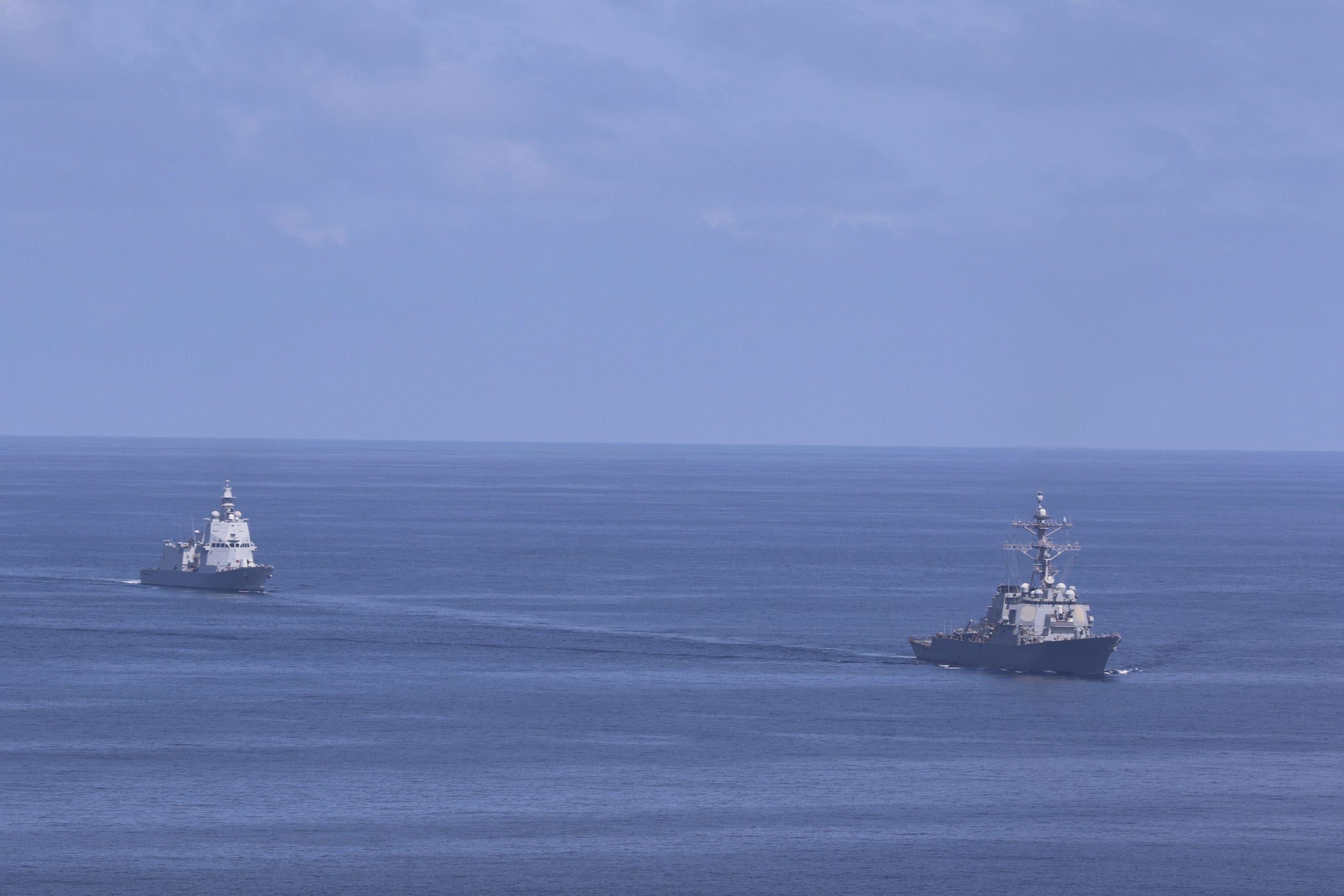
In a significant diplomatic move, Jaishankar protests US Navy actions, standing firm against recent attacks that have disrupted commercial shipping in the Gulf. These alarming incidents, which led to the tragic deaths of three Indian mariners, have sparked outrage in India and raised questions about the implications for India-US relations. During a critical conversation with US Secretary of State Marco Rubio, Jaishankar voiced India’s strong objections, emphasizing the need for accountability and protection of sailors’ lives. With rising tensions surrounding commercial shipping incidents in the region, this dialogue underscores the gravity of the situation and the impact on Indian interests. As India seeks to safeguard its maritime operators, the defense of Indian lives becomes paramount in the escalating discourse between allies.
Amid escalating tensions in maritime zones, Jaishankar raised concerns regarding US Navy operations that threaten commercial shipping safety in the Gulf. This issue highlights the delicate dynamics of international relations, especially between India and the United States, as both nations navigate the complexities of naval engagements in contentious waters. The recent discussions with Secretary of State Rubio reflect the urgent need to address safety protocols for Indian mariners impacted by such military actions. As incidents involving commercial shipping have escalated, India is keen on ensuring the protection of its sailors and advocating for responsible naval conduct. The discourse surrounding the deaths of Indian mariners emphasizes both humanitarian and political dimensions that must be addressed to foster stronger ties while safeguarding lives.
Jaishankar Protests US Navy Actions in the Gulf
During a recent conversation, India’s External Affairs Minister S. Jaishankar articulated strong objections to the actions of the US Navy in the Gulf region. This diplomatic exchange took place with US Secretary of State Marco Rubio and underscores the gravity of the situation. Jaishankar referred to the US Navy’s strikes on commercial vessels as ‘lethal actions’ that are unjustifiable. The incident, which resulted in the unfortunate deaths of three Indian mariners, has galvanized India’s diplomatic response, emphasizing the need for the safety of shipping routes and the protection of mariners engaging in trade.
The deaths of Indian nationals in the Gulf not only raise significant concerns for the families involved but also reflect the broader implications for India-US relations. This protest from the Indian government highlights the delicate balance that must be maintained in international maritime activities, specifically regarding the security of commercial shipping endeavors. As tensions rise, both nations must engage in constructive dialogue to avoid further incidents and ensure maritime safety for all nations involved in the region.
Impact of US Navy Attacks on India-US Relations
The recent US Navy attacks in the Gulf have sparked a significant diplomatic backlash from India, signaling a potential strain in India-US relations. Jaishankar’s strong protest, discussed in detail with Secretary of State Rubio, reveals India’s discontent over the perceived aggression shown towards commercial shipping that not only jeopardizes international trade but also the lives of innocent seafarers. Such incidents challenge the mutual respect and cooperation formed through decades of strategic partnership, raising concerns about future collaborations on security matters in the Indo-Pacific.
India has historically maintained a diplomatic stance favoring peaceful resolutions and principled engagements, particularly regarding maritime security. The protest issued by Jaishankar aligns with this ethos but also emphasizes India’s right to defend its citizens abroad. The repercussions of the US Navy’s aggressive tactics could extend beyond immediate reactions; they could reshape public perception in India about the reliability of US support, thereby influencing future military and economic partnerships.
Consequences of Commercial Shipping Incidents in the Gulf
Incidents involving commercial shipping in the Gulf, particularly those that result in loss of life, pose critical risks to international trade and maritime safety. The recent US Navy attacks highlight how geopolitical tensions can translate into tragic consequences for maritime operations. The fishing and commercial shipping industries rely on safe and navigable waters, and the loss of three Indian mariners depicts a troubling trend that could deter sailors and shipowners from operating in those waters, raising insurance costs and complicating trade relations.
The fallout from such incidents can be devastating not only for the families affected but also for the larger maritime community. Commercial vessels navigating contested waters must take extra precautions, often leading to increased operational costs that dissolve profit margins. Furthermore, these events underscore the necessity for multinational frameworks that prioritize maritime security and conflict de-escalation efforts to avoid repeated tragedies and maintain the safety of vital shipping lanes.
The Role of International Diplomacy in Maritime Incidents
International diplomacy plays a crucial role in addressing maritime incidents, as exemplified by Jaishankar’s recent discussions with US Secretary of State Marco Rubio. Diplomatic channels must be utilized to prevent escalation of conflicts attributable to military actions against commercial shipping. Effective communication and negotiation are paramount for averting misunderstandings that could lead to further casualties. Hence, fostering this dialogue becomes essential to reassure nations of their maritime rights and obligations.
Moreover, multilateral engagement in maritime security can help establish clearer guidelines for operations in international waters. Nation-states must come together to institute agreements that delineate rules of engagement, thereby building a framework that protects shipping lanes while promoting peace and stability. Robust international partnerships can also enhance surveillance and response mechanisms to safeguard mariners from potential threats.
Building Security Frameworks for Indian Mariners
The safety of Indian mariners is intricately linked to the broader geopolitical landscape, particularly in regions marred by conflict like the Gulf. In response to the tragic loss of lives, there is a pressing need for India to advocate for stronger security frameworks that defend its maritime interests. This involves engaging with allies such as the United States to craft policies that prioritize the protection of commercial vessels and their crews from hostile actions.
In addition to diplomatic negotiations, bolstering naval presence and conducting joint training exercises can significantly enhance the security of Indian mariners operating in volatile areas. Such comprehensive security strategies can mitigate risks and reinforce the commitment of countries involved to uphold the safety of navigational rights. Enhanced collaboration among maritime nations can pave the way for more robust defenses against future threats to merchant shipping globally.
India’s Response to the Gulf Maritime Tensions
India’s response to the escalating maritime tensions in the Gulf is essential not only for national security but also for reinforcing its global image as a responsible maritime power. Following the loss of three Indian mariners due to the US Navy’s actions, the Indian government is likely to intensify diplomatic efforts to ensure such incidents are not repeated, thereby signaling its commitment to protecting its citizens abroad.
In crafting this response, India may explore various avenues, including advocating for stronger international norms governing conduct at sea, and collaborating with international organizations to promote peace and security in maritime domains. It is an opportunity for India to reaffirm its dedication to maintaining peace in a critical shipping lane, crucial for global trade and economic stability.
The Importance of Maritime Safety Regulations
Maritime safety regulations are pivotal in safeguarding commercial shipping and ensuring the protection of lives at sea. The tragic event involving Indian mariners serves as a grim reminder of the consequences arising from insufficient maritime oversight and conflicts in international waters. Strengthening regulations and ensuring compliance among all maritime nations can significantly reduce the risk of similar occurrences.
By enhancing safety protocols and disaster response mechanisms, nations can collectively work towards mitigating the dangers associated with maritime operations. International maritime organizations must spearhead initiatives aimed at reinforcing safety standards, which can have a profound effect on maintaining the integrity of crucial shipping routes across the globe.
Revisiting India-US Naval Collaborations
In light of the recent incidents in the Gulf and the protest lodged by Jaishankar, it may be time for India and the US to revisit their naval collaborations. Although military cooperation has bolstered strategic ties between the two nations, safety concerns for commercial shipping merit a reassessment of current engagements. It is vital for both countries to realign their naval strategies to address the safety of commercial vessels while still promoting regional stability.
This reassessment could lead to a more comprehensive approach, integrating humanitarian considerations into military operations and fostering a framework that prioritizes civilian protections. Ensuring that naval operations do not inadvertently criminalize or threaten innocent commercial activities will help rebuild trust and ensure maritime operations contribute positively to international relations.
Future Implications for Maritime Trade Policies
The tragic incident in the Gulf may serve as a catalyst for future revisions in maritime trade policies, especially concerning protections for Indian mariners and other foreign nationals. Policymakers must consider the ramifications of military actions on unarmed commercial shipping and work towards creating a more stable trade environment. Transparency in maritime operations is vital for encouraging continued engagement of international shipping lines operating in high-risk areas.
Policy reform should include enhanced cooperation among nations to ensure standard protocols are followed in international waters. Strengthening the legal frameworks that govern maritime operations can serve as deterrents against aggressive actions, fostering an environment conducive to safe and secure trade routes for all countries involved.
Frequently Asked Questions
What did Jaishankar protest regarding US Navy actions in the Gulf?
External Affairs Minister S. Jaishankar strongly protested the US Navy’s lethal actions against commercial shipping in the Gulf, particularly following incidents that led to the deaths of three Indian mariners. During a conversation with US Secretary of State Marco Rubio, Jaishankar emphasized that these actions are not justified and called for a reassessment of US military engagements that affect India-US relations and the safety of Indian citizens.
| Key Points |
|---|
| Jaishankar expresses strong protest against US Navy actions |
| US Navy attacks in the Gulf resulted in deaths of three Indian mariners |
| Communication took place between Jaishankar and US Secretary of State Marco Rubio |
| India’s position emphasizes that lethal actions against commercial shipping are unjustified |
Summary
Jaishankar protests US Navy actions unequivocally, advocating for the protection of commercial shipping interests following the tragic incident that led to the deaths of three Indian mariners. In a recent dialogue with US Secretary of State Marco Rubio, India’s External Affairs Minister voiced his country’s strong objections to the US Navy’s strikes in the Gulf region, asserting that such lethal measures against commercial entities are not warranted. This incident has sparked significant diplomatic discussions, underscoring the need for mutual respect and adherence to international maritime laws to prevent future tragedies.



























