

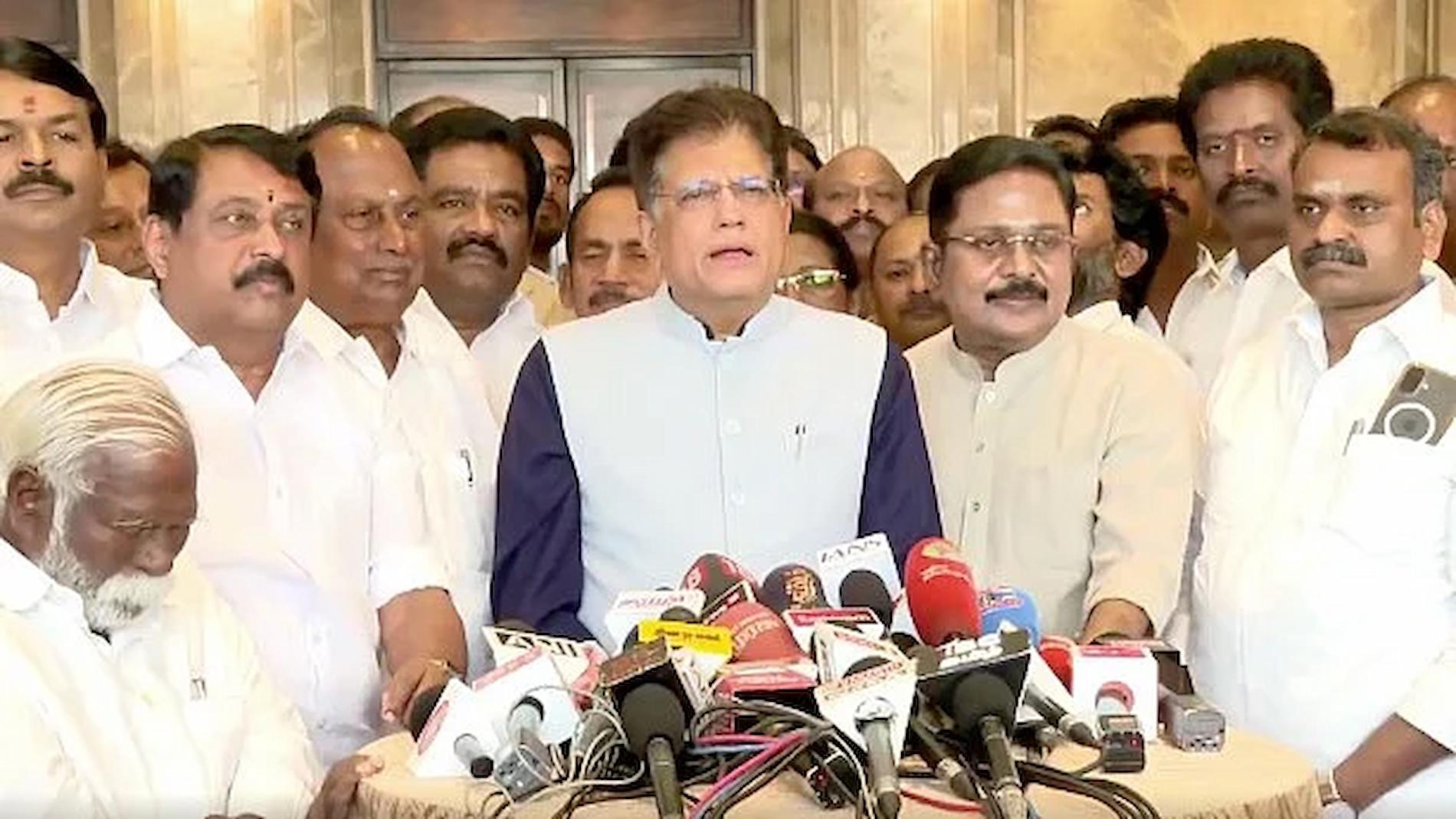
AIADMK electoral success has been a focal point in Tamil Nadu politics, reflecting the party’s strategic alliances and its leadership dynamics. Recently, senior AIADMK leader CV Shanmugam openly criticized party general secretary Edappadi K Palaniswami, attributing the recent victories to the partnership with the Pattali Makkal Katchi (PMK). This contention highlights the intricate interplay between party loyalty and coalition strategies that underpin the AIADMK’s influence in the region. As the party navigates its future, the implications of Shanmugam’s remarks underscore the sometimes contentious nature of leadership within the AIADMK. Keeping an eye on the unfolding AIADMK party news provides insights into how these alliances will shape upcoming election strategies and voter sentiment.
The recent triumphs of the AIADMK in electoral contests showcase the party’s resilience and strategic maneuvering within the political landscape of Tamil Nadu. Significant discussions have emerged, particularly surrounding CV Shanmugam’s critique of Edappadi K Palaniswami, which suggests a complex narrative about alliance management with the Pattali Makkal Katchi. Understanding the nuances of these relationships is crucial, as they not only influence internal dynamics but also affect voter perceptions and party strength. This examination sheds light on the evolving nature of Tamil Nadu politics, where alliances are pivotal for electoral gains. As the situation develops, closely monitoring AIADMK party news will be essential to grasp the implications of these intra-party confrontations.
AIADMK Electoral Success and Alliances
The recent electoral success of the AIADMK party has sparked considerable discussions within Tamil Nadu politics. Senior leader CV Shanmugam emphasized that a significant portion of this achievement can be attributed to the strategic alliance with the Pattali Makkal Katchi (PMK). Such partnerships in regional politics are crucial, as they not only bolster voter outreach but also enhance the party’s standing against formidable opponents. This collaboration could be viewed as a tactical maneuver that aligns with the broader dynamics of coalition politics prevalent in Tamil Nadu, demonstrating the importance of unity among regional parties.
Moreover, the electoral achievements have been met with mixed reactions, particularly from within the party ranks. Edappadi K Palaniswami, the party’s general secretary, stands at the center of this debate, with some factions praising the alliance while others, like Shanmugam, criticize the heavy reliance on coalition partners for electoral gains. The discussions surrounding AIADMK’s recent performances highlight not only the internal challenges of maintaining unity but also the need to navigate the shifting landscape of Tamil Nadu politics effectively. As the party prepares for future elections, these alliances will be pivotal in defining its strategic direction.
The Role of CV Shanmugam in AIADMK’s Strategy
CV Shanmugam’s recent remarks about the AIADMK general secretary reveal deeper tensions within the party’s hierarchy. As a seasoned politician, his insights reflect the complexities of party dynamics and leadership responsibilities. He has been known to advocate for a clear vision that emphasizes the party’s autonomy while also recognizing the significant role of alliances. His critique underscores the importance of maintaining a balance between drawing support from coalition partners like the PMK and fostering a strong, independent party identity.
Shanmugam’s comments illustrate a broader concern regarding electoral strategies in Tamil Nadu politics, where the reliance on alliances can often overshadow the party’s own narrative. He believes that while collaborations can amplify electoral success, the AIADMK must ensure that its core values and mission remain at the forefront. This highlights the dual approach needed: to cultivate external relationships while simultaneously strengthening internal structures to resonate with voters. Political analysts are closely observing these dynamics, considering how they might shape future electoral outcomes in Tamil Nadu.
Edappadi K Palaniswami’s Leadership Challenges
Edappadi K Palaniswami’s leadership within the AIADMK has been marked by significant challenges, particularly in light of recent electoral performances. His governance model and political strategies have come under scrutiny from various party members, including influential figures like CV Shanmugam. As the party navigates a series of state elections, the ability of Palaniswami to unite the factionalized leadership and strengthen party loyalty will be crucial for maintaining voter support and capitalizing on the recent successes.
The criticism directed at Palaniswami suggests that while he may have garnered some success through alliances, the party’s long-term viability relies on internal coherence. His leadership must not only respond to the pressures of coalition governance but also rejuvenate the AIADMK’s grassroots support. As Tamil Nadu politics evolve, maintaining a clear and compelling party message, while managing alliances, will test his capacity to lead effectively amidst rising competition from rival parties.
Impact of Pattali Makkal Katchi on AIADMK
The association with Pattali Makkal Katchi (PMK) has transformed the electoral landscape for the AIADMK. This relationship is essential for solidifying votes, particularly among rural populations that PMK traditionally represents. By aligning with PMK, the AIADMK benefited significantly in the last elections, expanding its reach and consolidating its voter base. Such partnerships illustrate the strategic importance of coalition politics in Tamil Nadu, where local parties must maneuver through intricate caste and community dynamics to secure electoral victories.
However, the alignment with PMK also raises questions regarding the AIADMK’s long-term strategy. Critics argue that over-dependence on coalition partners could dilute the AIADMK’s brand identity and alienate certain voter segments. To counteract this, party leaders must reinforce their core messaging that reflects both their independent ideologies and cooperative engagements. The future trajectory of the AIADMK’s influence in Tamil Nadu will largely depend on how well it manages its connections with its allies, ensuring that it remains a relevant and dominant force in state politics.
Future Prospects for AIADMK in Tamil Nadu Politics
As Tamil Nadu gears up for upcoming elections, the prospects for the AIADMK largely hinge on its ability to adapt to changing political currents and voter expectations. With senior leaders like CV Shanmugam voicing concerns over the party’s strategic alliances, the AIADMK faces a critical juncture where internal cohesion and effective leadership will be essential for maintaining its electoral foothold. The party must engage in proactive outreach efforts to ensure that it resonates with the diverse electorate while staying true to its foundational principles.
Furthermore, the future dynamics of AIADMK will likely be influenced by its response to the challenges posed by emerging competitors in the political landscape. As coalitions like that with PMK play a subtle role in shaping electoral outcomes, the party must also consider the implications of its alliance strategies for long-term sustainability. In this context, the AIADMK’s choice of leaders and their philosophical alignment with party values will determine how successfully it can navigate the complexities of Tamil Nadu politics in the years to come.
Challenges Ahead for AIADMK and Its Leaders
In the face of internal dissent and public scrutiny, the AIADMK must confront several challenges that could dictate its future. The recent comments from leaders such as CV Shanmugam underscore the fractures within the party, which could hinder effective governance and cohesion. The competition within Tamil Nadu politics is intensifying, with new players and shifting alliances reshaping the landscape. In this volatile environment, it is critical for AIADMK to foster unity among its ranks and articulate a clear political strategy.
Additionally, the ability of Edappadi K Palaniswami to strengthen his leadership in light of such criticisms will be a test of his political acumen. He must work towards not only healing divisions but also communicating a relatable vision that can inspire loyalty among party cadres and voters alike. The road ahead for AIADMK demands strategic foresight coupled with practical political maneuvers to adapt to the evolving Tamil Nadu political scene.
The Influence of Statewide Elections on AIADMK Strategy
The outcomes of statewide elections serve as pivotal moments for the AIADMK, shaping its strategies and influencing future political alignments. The party’s recent electoral successes, closely linked to its collaboration with PMK, provide insights into the electoral dynamics at play. Understanding these trends allows the AIADMK to refine its approach to governance and coalition-building as it prepares for the next electoral cycle. This adaptability will be crucial to not just preserving but also maximizing its influence in Tamil Nadu politics.
Moreover, the AIADMK’s engagement in statewide elections reflects a microcosm of broader political trends within Tamil Nadu, where regional parties must leverage every advantage to secure electoral victories. As the party reviews past performances, it must be mindful of the critiques regarding its reliance on alliances while also reaffirming its core values that resonate with the electorate. By balancing these elements, the AIADMK can strategize effectively for future elections, ensuring sustained relevance in the fiercely competitive political arena.
The Role of Grassroots Support in AIADMK’s Future
Grassroots support remains a cornerstone for the AIADMK’s political viability as it navigates the challenges of Tamil Nadu politics. The party’s ability to engage and mobilize its base effectively will dictate its success in future elections. Leaders like CV Shanmugam emphasize the importance of reconnecting with the party’s grassroots, advocating for initiatives that resonate with local concerns. Strengthening these foundational ties can empower the party to rally support and reinforce its position in contested constituencies.
Furthermore, revitalizing grassroots engagement requires the AIADMK to demonstrate tangible benefits to its supporters. This strategy involves not just campaigning during election seasons but also sustaining communication and involvement throughout non-electoral periods. By harnessing the voices and needs of its constituents, the AIADMK can enhance its credibility and shape policies that reflect the aspirations of the Tamil populace. In doing so, it positions itself not merely as a political entity, but as a responsive organization committed to serving the interests of its community.
Why AIADMK Must Focus on Internal Cohesion
Internal cohesion within the AIADMK is increasingly imperative as party leaders acknowledge the need for a united front in response to external challenges. The recent criticisms from figures like CV Shanmugam highlight the risks associated with factionalism, which can dilute the party’s strength in electoral contests. Reinforcing unity among party members not only prepares AIADMK to present a single narrative to voters but also enhances its operational effectiveness in managing campaigns and mobilizing support.
In this light, party leadership, particularly Edappadi K Palaniswami, must invest in fostering a collaborative atmosphere that embraces diverse viewpoints while aligning them towards a common objective. This commitment to unity can position the AIADMK favorably in Tamil Nadu politics, allowing it to respond aggressively to rival parties and capitalize on emerging opportunities. Ultimately, maintaining internal coherence will be vital for the AIADMK’s continued relevance and success in future electoral endeavors.
Frequently Asked Questions
How has AIADMK electoral success been influenced by alliances like Pattali Makkal Katchi?
AIADMK’s recent electoral success can be significantly attributed to strategic alliances, particularly with the Pattali Makkal Katchi (PMK). Senior AIADMK leader CV Shanmugam highlighted that these alliances have bolstered the party’s position in Tamil Nadu politics, enhancing voter support and coalition dynamics. The collaboration with PMK has allowed AIADMK to tap into new voter demographics and strengthen its electoral base, showcasing the importance of strategic partnerships in achieving electoral victories.
| Key Point | Details |
|---|---|
| AIADMK Leader’s Criticism | CV Shanmugam criticizes Edappadi K Palaniswami. |
| Electoral Success | Significant electoral success attributed to alliance with the PMK. |
Summary
AIADMK electoral success has been a focal topic among party leaders, especially highlighted by senior leader CV Shanmugam’s recent criticism of general secretary Edappadi K Palaniswami. The success of the AIADMK in recent elections, as noted by Shanmugam, is significantly tied to its strategic alliance with the Pattali Makkal Katchi (PMK). This partnership has proven to be a cornerstone in the party’s electoral strategy, suggesting that collaborative affiliations are essential for enhanced voter support in future contests.



























