

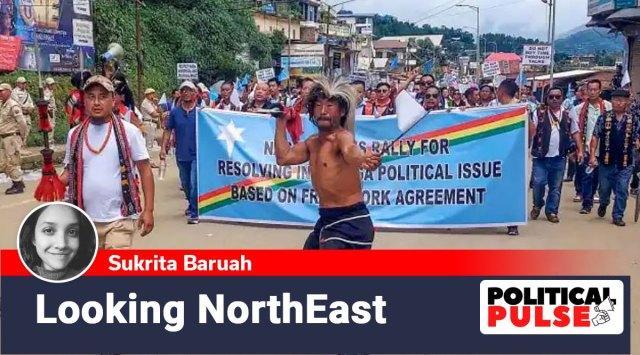
The Naga-Kuki conflict has emerged as a significant point of contention in northeastern India, particularly in Manipur, where tensions between ethnic communities have spiraled into violence. This long-standing dispute stems from complex issues surrounding territorial claims, particularly involving the Naga community’s aspirations for a greater Nagalim region that overlaps with Kuki inhabited areas. In recent months, the situation has escalated, leading to widespread violence, including the tragic deaths of over 260 individuals and displacing more than 60,000 people. As the Kuki issues intertwine with the broader Meitei tensions and ethnic conflict in India, the need for urgent resolution and dialogue between these communities has never been more crucial. Only through comprehensive engagement can the cycle of violence be halted and a peaceful coexistence fostered between the Nagas and Kukis in this volatile region.
The ongoing strife between the Naga and Kuki peoples underscores the intricacies of ethnic relations in India, particularly within the context of Manipur’s societal dynamics. This discord, often labeled as a regional conflict, highlights the deep-rooted grievances that have persisted over decades, shaped by historical events, territorial disputes, and demographic pressures. As rivalries heighten, the Kuki community raises pressing concerns regarding their security and identity amid perceived threats from Naga aspirations. Additionally, the rise of ethnic nationalism complicates the landscape, resulting in calls for separate administrative territories that further entrench divisions. Addressing these multifaceted issues requires not just political intervention but also grassroots dialogue aimed at reconciliation among the various stakeholders involved.
Understanding the Naga-Kuki Conflict in Manipur
The Naga-Kuki conflict, a significant aspect of ethnic tensions in Manipur, has escalated in recent years, leading to widespread violence and societal disruption. The ongoing strife is primarily rooted in historical grievances and territorial disputes, where both communities vie for control over land they claim as their own. As a result, violence has erupted, attributing to the deaths of over 260 individuals since the conflict reignited in May 2023. This situation embodies the broader ethnic conflict in India, highlighting the dire need for a comprehensive resolution to address the unmet aspirations of the Naga and Kuki communities.
Additionally, the urgency for dialogue between various stakeholders cannot be overstated. Given that both the Kuki and Naga communities have faced immense loss and displacement, addressing the concerns of each group while also considering the views of the Meitei population is vital in achieving peace. This triangular dynamic further complicates the dimensions of the Naga-Kuki conflict, as both ethnicities must navigate their agenda while tackling allegations of violence. As the tension mounts and understanding seem distant, it underscores the necessity for intervention from both government and community leaders to foster an environment conducive to reconciliation.
The Role of Ethnic Identity in the Manipur Violence
In the context of the Manipur violence, ethnic identity plays a crucial role, especially amid conflicts involving the Naga community and the Kuki issues. The competing narratives associated with land ownership, cultural preservation, and political recognition contribute to an escalating cycle of violence. For the Meiteis, who constitute a substantial demographic in Manipur, their demand for a National Register of Citizens (NRC) aims to protect their identity from perceived external threats, particularly labeling Kukis as illegal migrants. This has significantly fueled Meitei tensions with the Kukis, enforcing divisive narratives as identities clash amidst conflict.
Conversely, the Kuki identity challenges the infringement on their rights and territories, referred to as their ‘homeland’ by community leaders. The historical context of violence, including past conflicts in the 1990s, perpetuates a lingering mistrust and animosity, which compounds current tensions. As leaders from both the Kuki and Naga communities respond to these identity assertions, it raises questions about how each group can navigate their respective claims while seeking common ground in an increasingly polarized environment.
Consequences of the Ethnic Conflict in Manipur
The consequences of the ethnic conflict in Manipur extend far beyond immediate violence; they manifest in significant humanitarian challenges and socio-political disruptions. With over 60,000 individuals displaced due to ongoing clashes between the Nagas and the Kukis, the humanitarian response is essential in providing shelter, food, and health services to those affected. It is vital for both local and state authorities to coordinate efforts and address the needs of the displaced populace who now find themselves entrenched in a crisis beyond mere survival.
Moreover, the conflict hampers development and economic stability in Manipur, further entrenching ethnic divisions that can lead to long-term disruption. Businesses shutting down in conflict zones, coupled with community distrust, stifle economic opportunities and growth. The burden of conflict also extends to education, with schools closing due to safety concerns and children deprived of learning. This cycle of conflict not only perpetuates economic and social instability but can also lead to a generation that grows up with trauma and resentment, posing long-term risks for the peace and stability of the region.
Potential Pathways to Conflict Resolution
Navigating towards a peaceful resolution of the Naga-Kuki conflict requires a multifaceted approach that addresses the historical grievances, cultural narratives, and current needs of all community stakeholders. Active engagement between community leaders, backed by governmental support, can pave the way for dialogue aimed at constructive conflict resolution. Essential to this process is the establishment of confidence-building measures that can de-escalate tensions, such as joint peace committees involving representatives from the Meitei, Kuki, and Naga communities.
Furthermore, creating forums for continuous dialogue can foster understanding between the groups. Efforts such as cultural exchange programs and community workshops may significantly improve mutual respect and decrease longstanding prejudices. Only through shared experiences and collaborative problem-solving can the parties articulate their desires for autonomy, land claims, and community recognition in a manner that respects the identities of all ethnicities involved, ensuring a more cohesive approach to peace in Manipur.
The Historical Context of Naga-Kuki Relations
Understanding the Naga-Kuki relations requires exploration into the historical context that has shaped their current interactions. The roots of conflict date back many decades, making the Naga-Kuki relationship complicated and laden with historical grievances. Past confrontations, particularly noted in the 1990s, have set a precedent for suspicion and hostility between the two communities. The deaths of over 1,000 Kukis alongside hundreds of Nagas during this period fostered a cycle of retaliation that lingers today and continues to influence how both groups view each other.
Moreover, the historical narrative is often cited in the current struggles over land and identity. With the Kukis asserting rights over territories that overlap with aspirations for a larger Nagalim, or Greater Nagaland, tensions have built up, making dialogue increasingly essential. Understanding this intricate past informs the present dynamics and highlights the persistent need for a dialogue-centered approach aimed at reconciliation, to help bridge the divide that has caused so much suffering on both sides.
Ethnic Mobilization and Political Implications
The ongoing Naga-Kuki conflict significantly influences ethnic mobilization in Manipur, presenting a crucial intersection between identity politics and governance. Groups such as the Kuki Inpi Manipur have emerged, advocating not only for the rights of their community but also seeking political representation amid rising tensions. This mobilization reflects a broader trend within Manipur, where ethnic identities increasingly dictate political affiliations and support for various leaders. As ethnic communities push for recognition, their mobilization could alter the political landscape, prompting a reevaluation of policy considerations.
However, this heightened involvement in politics also poses risks of escalation if addressed poorly. Failing to adequately recognize the demands of ethnic groups may exacerbate grievances, leading to further conflict. Therefore, it’s essential for policymakers and government officials to engage with ethnic leaders sincerely, acknowledging their concerns to mitigate tensions while ensuring that political representation does not lead to exacerbated divisions. Constructive engagement offers a potential pathway for more inclusive governance, allowing ethnic identities to coexist peacefully within the larger fabric of Manipur.
Challenges in Humanitarian Aid Amid Conflict
The ongoing ethnic conflicts in Manipur, particularly involving the Naga and Kuki communities, pose significant challenges to humanitarian aid efforts. Access to displaced persons in conflict-affected areas remains a major obstacle, with ongoing violence hindering relief operations. Aid agencies must navigate complex political landscapes that often shift, influenced by tensions between ethnic groups and local sentiments. In regions where distrust is rife, humanitarian actors face the added challenge of ensuring that assistance is delivered equitably and does not favor one group over another, which could further inflame the situation.
Moreover, the overwhelming needs of the displaced population, struggling without adequate shelter, food, or health care, call for urgent and coordinated responses. Fostering collaboration among various NGOs and community members is critical to streamline relief efforts, ensuring the basic human rights of all affected parties are upheld. Promoting independent assessments and transparent processes can build trust and facilitate effective delivery of international assistance, helping pave the way for long-term recovery and rebuilding peace.
The Role of Local Governance in Conflict Mitigation
Local governance plays a pivotal role in mitigating conflicts like those witnessed between the Nagas and Kukis in Manipur. Effective local administration can serve as a buffer against escalating tensions, fostering dialogue among communities and facilitating resource distribution that satisfy all factions involved. However, ineffectual governance often exacerbates divisions, as local leaders may favor their respective communities, leading to feelings of disenfranchisement and hostility.
To improve local governance, initiatives aimed at inclusivity and representation are essential. Empowering community members from diverse backgrounds to participate in decision-making processes ensures that policies reflect the needs of all ethnic groups, thus creating a foundation for lasting peace. Additionally, training and capacity building for local officials on conflict-sensitive governance can enhance their ability to manage tensions proactively, paving the way for resilient communities capable of navigating and mitigating ethnic differences, thus fostering a climate of trust.
Future Prospects for the Naga-Kuki Relationship
Looking ahead, the prospects for the Naga-Kuki relationship depend heavily on the collective commitment to address historical grievances and contemporary issues with a spirit of cooperation. Acknowledging past conflicts as part of building a unified future is crucial in promoting healing and understanding. Although the ethnic divide remains pronounced, there are opportunities to foster bilateral exchanges that can lead to peaceful coexistence and mutual respect.
Moreover, continuous dialogue between various stakeholders, including government officials, community leaders, and civil society organizations, is essential in addressing concerns and creating a roadmap towards reconciliation. This collaboration could pave the way for long-term peace, potentially transforming the Naga-Kuki relationship into one characterized by empathy and collaborative progress rather than hostility and division. With sustained efforts and mutual recognition of rights and identities, the future holds the promise of healing and unity for these communities previously torn by conflict.
Frequently Asked Questions
What triggered the recent escalation of the Naga-Kuki conflict in Manipur?
The recent escalation of the Naga-Kuki conflict in Manipur was triggered by an alleged drunken brawl in Ukhrul in February 2023, which led to heightened tensions between the Naga community and the Kukis. This incident escalated further after the recovery of the bodies of abducted Nagas and the release of Kuki hostages, resulting in increased violence and retaliatory attacks.
How has the Naga-Kuki conflict impacted the population and stability in Manipur?
The Naga-Kuki conflict has significantly impacted Manipur, claiming over 260 lives and displacing more than 60,000 people. The ongoing ethnic conflict has created instability in both the Meitei-dominated Valley and Kuki-dominated hills, further complicating the social and political landscape of the region.
What are the historical roots of the Naga-Kuki conflict?
The historical roots of the Naga-Kuki conflict can be traced back to territorial disputes and ethnic tensions. Historical events, particularly conflicts in the 1990s, where over 1,000 Kukis and 400 Nagas were killed, contribute to the longstanding animosity between these communities, primarily concerning land ownership and governance.
Why are the Kukis demanding a Separate Administration in Manipur?
The Kukis are advocating for a Separate Administration as a potential solution to the ongoing ethnic conflict, arguing that their ‘homeland’ overlaps with the ambitions of Naga groups seeking greater territorial claims. They believe that a Union Territory comprising Kuki-dominated areas could provide better governance and address their concerns regarding safety and rights.
What role do the Meitei tensions play in the Naga-Kuki conflict?
Meitei tensions significantly exacerbate the Naga-Kuki conflict as the Meitei community, which constitutes over 53% of Manipur’s population, pushes for measures like a National Register of Citizens (NRC) to identify illegal immigrants, which the Kukis view as a direct attack on their identity and legitimacy in their homeland. This dynamic complicates relations and further fuels ethnic strife.
How have armed groups influenced the Naga-Kuki conflict?
Armed groups, particularly the NSCN-IM, have greatly influenced the Naga-Kuki conflict by asserting territorial claims and inciting hostilities between the communities. The Kuki Inpi Manipur (KIM) has accused the NSCN-IM of colluding with Meitei radical groups against the Kukis, thereby heightening suspicions and contributing to ongoing violence.
What measures are being discussed to resolve the Naga-Kuki conflict?
Measures to resolve the Naga-Kuki conflict include calls for peace talks led by government officials, interventions by community leaders, and proposals for a Separate Administration for Kuki areas. Additionally, there are efforts for unity between the Meiteis and Nagas to push for collective solutions to maintain stability in Manipur.
Are there any ongoing peace initiatives in the Naga-Kuki conflict?
Yes, there are ongoing peace initiatives in the Naga-Kuki conflict, including discussions among community leaders and government representatives aiming to facilitate dialogue. Efforts by local apex bodies like the United Naga Council (UNC) and Kuki Inpi Manipur (KIM) seek to de-escalate tensions and negotiate peaceful resolutions that account for the interests of both communities.
| Key Points | Details |
|---|---|
| Resurgence of Violence | Tensions rose after the recovery of six abducted Nagas’ bodies and the release of 14 Kuki hostages. |
| Casualties and Displacement | Over 260 lives lost and more than 60,000 displaced due to the ongoing conflict since May 2023. |
| Historical Context | The conflict has historical roots with significant violence in the 1990s, leading to the deaths of over 1,000 Kukis and 400 Nagas. |
| Land Disputes | Conflicting claims over land rights, particularly concerning Kuki homelands and Naga territorial aspirations. |
| Government Intervention | Calls for urgent measures from government officials to defuse the escalating tensions between Nagas and Kukis. |
| Potential Solutions | Kukis advocate for a Separate Administration or Union Territory for Kuki-dominated regions. |
Summary
The Naga-Kuki conflict represents an ongoing struggle characterized by significant violence and deep-rooted historical grievances. With over 260 fatalities and widespread displacement since May 2023, the tensions have escalated recently, highlighting urgent needs for resolution as calls from various community leaders and government officials intensify. The ongoing disputes over land rights and identities further complicate the path to peace, with both Kukis and Nagas entrenched in their positions. Acknowledging these complexities is crucial for stakeholders aiming to work towards lasting solutions in the Naga-Kuki conflict.



























