

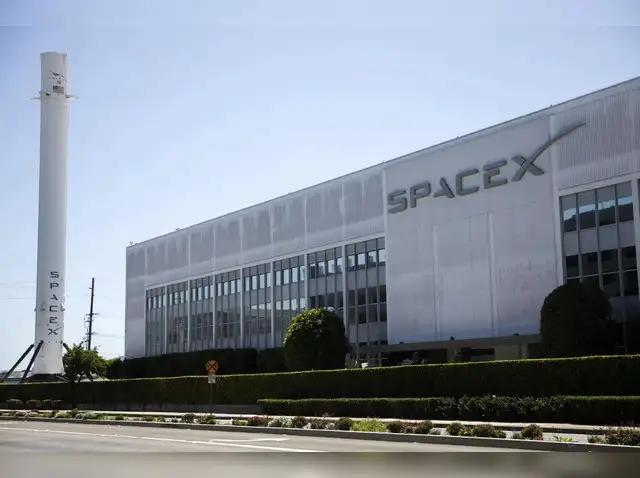
The recent SpaceX IPO marks a historic milestone in financial markets, heralding the company’s entry into public trading after nearly 25 years as a private entity. Launching its shares at $150, the stock quickly soared, propelling SpaceX’s valuation to over a staggering $2 trillion, and making CEO Elon Musk the world’s first trillionaire. This significant stock debut not only exemplifies the meteoric rise of SpaceX but also positions it as a powerhouse in the aerospace sector. Investors eagerly await to see how this unprecedented public offering, the largest IPO in history, will reshape the future of the company and potentially the overall market trends in technology. With Musk at the helm, SpaceX aims to innovate further and push boundaries, echoing its commitment to the lofty goal of human colonization beyond Earth.
The launch of SpaceX onto the stock market as a publicly traded entity has captivated investors and industry followers alike. This unprecedented move comes in the wake of a remarkable operational journey for the company, now seeking to redefine aerospace and technology sectors. With its astonishing valuation positioned at the forefront of the public markets, it stands as a testament to the transformative vision of its founder, Musk, known for his ambitions of advancing humanity’s presence in space. The implications of SpaceX’s stock becoming publicly available will resonate far beyond its immediate financial performance, potentially altering perceptions of what private ventures can achieve when going public. As the excitement surrounding this groundbreaking stock release continues to build, discussions about the next frontier of space exploration and technological advancements remain at the forefront.
The Historic SpaceX IPO: Revolutionizing Public Trading
SpaceX’s debut on the stock market marks an unprecedented milestone in financial history, as it launched with an astounding opening share price of $150. This initial figure quickly escalated, illustrating a strong positive response from investors and proving that public appetite for SpaceX stock is high. The company’s valuation soared past $2 trillion, affirming SpaceX’s position as a powerhouse in the tech and aerospace sectors. Such a valuation reflects not just the company’s current success but also the immense potential investors see in its future endeavors, particularly in space exploration and technology innovation.
Elon Musk, the mastermind behind SpaceX, has further solidified his status as the world’s first trillionaire through this historic IPO. His innovative visions, including making humanity multiplanetary, are key reasons for the overwhelming investor enthusiasm and confidence in SpaceX’s long-term growth. As the company embarks on this new chapter of public trading, it is poised to attract unprecedented interest not only from traditional investors but also from those captivated by the potential of space technology to revolutionize life on Earth and beyond.
Unpacking SpaceX’s Valuation and Market Impact
The staggering valuation of SpaceX, pegged at over $2 trillion at its initial public offering, is a strong testament to the company’s growth prospects and technological capabilities. Investing in SpaceX is seen as a unique opportunity, especially as it prepares to expand its projects involving satellite internet through Starlink, artificial intelligence through xAI, and deep-space exploration technology. The buzz surrounding the prospect of becoming part of the largest IPO in history reflects investor recognition of SpaceX’s innovative edge and the significant possibilities it represents, marking a new era in public trading.
Despite reporting losses in previous years, with revenues of $18.7 billion yet an operating deficit of $4.3 billion, the sky-high valuation post-IPO speaks volumes about investor optimism. Analysts suggest that SpaceX’s focus on long-term goals—like establishing human colonies on Mars—coupled with its existing contracts with NASA and other entities, will position it for sustainable profitability in the future. This contrasts its rivals, which are also eyeing the AI sector as a golden opportunity for growth, thereby intensifying competition and expectation in the market.
Elon Musk: The World’s First Trillionaire and His Vision
Elon Musk’s journey to becoming the world’s first trillionaire is intricately linked to the ambitious vision driving SpaceX. The successful IPO showcases not just his influential leadership but also the investment community’s belief in technological advancement as a catalyst for immense wealth creation. Musk sees SpaceX as more than just a business; it’s a vehicle to establish a human presence beyond Earth, aiming to spur innovations that could have ramifications for countless industries. His declaration of the company’s mission—to make life multiplanetary—ignites excitement around what such advancements could mean for humanity.
Musk’s stature in the realm of technology has empowered him to attract substantial investments, propelling SpaceX to its current valuation and status in the market. Potential investors are not just buying shares; they are buying into Musk’s audacious goals that promise to intertwine with humanity’s future in space. His dual role as both a visionary entrepreneur and now a trillionaire amplifies the public’s intrigue and confidence in SpaceX’s capabilities, thereby shaping its narrative in the cutthroat environment of public trading.
Investor Enthusiasm and Market Dynamics of SpaceX
The unparalleled enthusiasm for SpaceX’s IPO was evident from the fixed opening price of $150 per share, which significantly exceeded the pre-market pricing. This strategy, unusual in traditional IPO processes, demonstrated a confidence in the company’s brand and future potential, urging investors to commit without extensive price negotiation. The shares surged throughout the trading day, ultimately closing at $160—a 19% leap from the starting price. Such market dynamics indicate not only high demand but also a shift towards how future IPOs might be structured as investors look for more opportunities to back firms like SpaceX that push boundaries.
Furthermore, the IPO’s success is not merely a reflection of corporate performance but also highlights a growing trend among investors towards supporting innovative technology companies. This shift is crucial in an era where AI and aerospace intersect closely, as seen in the recent activities of competitors like OpenAI and Anthropic. As the market braces for a deluge of upcoming tech IPOs, SpaceX’s performance will likely set a precedent for those aimed at capturing the rapidly evolving technological landscape, providing a model of success that many new entrants will aspire to emulate.
The Role of SpaceX Employees in the IPO Windfall
With the successful IPO of SpaceX, over 4,400 current and former employees are set to reap significant financial rewards, becoming millionaires due to their shares in the company. This transformation not only signifies a substantial personal gain for those involved but also reflects the company’s trajectory and philosophy that space exploration can lead to wealth creation. SpaceX’s approach prioritizes its talent, showcasing a commitment to shared success among its team members who have played pivotal roles in its flourishing journey from a small startup to a mega entity.
The employee windfall from the IPO raises intriguing discussions about income disparity, especially in the tech sector, where such wealth creation can lead to societal contrasts. As the AI boom continues, creating billionaires and now trillionaires, the implications of extreme wealth on democracy and fair economic distribution come into sharp focus. However, Musk’s vision—rooted in collaboration and innovation—offers a hopeful narrative for those within SpaceX, empowering them to imagine and realize their financial futures while contributing to the grander goal of expanding human presence in the universe.
The Broader Implications of SpaceX’s Record-Breaking IPO
SpaceX’s record-breaking IPO is reshaping investor perceptions of space-related endeavors, highlighting the multi-billion dollar potential of the aerospace and AI sectors. This public trading venture not only supports SpaceX’s aspirations to enhance space exploration technologies but also signals to other tech firms the readiness of capital markets to support ambitious, high-risk projects. As such, other entities in the AI and tech lanes are taking notes, looking to follow in SpaceX’s footsteps by planning their public offerings as they anticipate a similarly enthusiastic market reaction.
Moreover, SpaceX’s valuation in the staggering trillion-dollar range sets a new benchmark for tech and aerospace startups aspiring to go public. This can inspire other companies to strive for elevated valuations, pushing innovation in technologies that drive significant economic and societal benefits. The financial community’s response to SpaceX serves as a barometer for future trends in interstellar investment and encourages venture capitalists to explore untapped areas within AI and space, with the promise of high returns mirroring the performance trajectory of SpaceX.
SpaceX’s Anticipated Role in the AI Investment Landscape
As Musk’s recent acquisition of xAI illustrates, SpaceX is also branching into the booming field of artificial intelligence, which is becoming pivotal in modern technology. This strategic move aligns with broader trends indicating that AI-related businesses are becoming increasingly appealing to investors, especially in light of the technology’s transformative potential across various sectors. As we gear up for a year filled with AI-driven IPOs, investors are keen to target stocks that promise not only immediate growth but long-term innovation—traits exemplified by SpaceX’s comprehensive tech portfolio.
The anticipation surrounding SpaceX’s role in the AI landscape is not without merit; coupled with its rocket operations and satellite technologies, SpaceX is positioned to lead breakthroughs that fundamentally alter the AI and tech landscape. The combination of space technology with AI could unlock new pathways for exploring and understanding our universe while simultaneously driving commercialization opportunities on Earth. As investor enthusiasm grows, the implications of such technological synergies could have extensive ramifications for future public offerings across both industries.
SpaceX’s Vision for the Future: Making Humanity Multiplanetary
SpaceX’s mission to make life multiplanetary showcases a vision that resonates strongly with investors who are eager to support causes believed to be crucial for humanity’s survival and expansion. The IPO offers a chance for investors to align with a company championing bold and innovative strategies for human survival and exploration beyond Earth, making them partners in a grand narrative of discovery. The company’s goals extend beyond mere profit, pushing boundaries and inspiring a collective quest for knowledge of the cosmos.
This visionary approach not only captures the imagination of the public and investors alike but also establishes SpaceX as a leader in the new space race. The momentum generated by this IPO, along with its unprecedented valuation and Elon Musk’s status as a trillionaire, symbolizes a pivotal moment in history that embraces a future where humanity can thrive on multiple planets. As this vision unfolds, the implications for global economic landscapes, sustainability, and technological advancement remain vast and profound.
Frequently Asked Questions
What are the key details of the SpaceX IPO and its impact on company valuation?
The SpaceX IPO, which launched public trading at $150 per share, marked the largest stock debut in history, valuing the company at over $2 trillion. This historic event not only solidified SpaceX’s position in the market but also made Elon Musk the world’s first trillionaire.
How did SpaceX’s stock perform on its debut day?
On the debut day of the SpaceX IPO, the share price surged from an opening of $150 to a high of $176 before closing at $160, reflecting a 19% increase. This remarkable performance highlighted the strong investor demand for SpaceX stock as it transitioned to public trading.
What was the reason behind SpaceX going public with its IPO?
SpaceX went public to raise significant capital for advancing space exploration and establishing human colonies on other planets. The IPO is part of Elon Musk’s vision of making humanity multiplanetary, underscoring the company’s ambition to innovate in the aerospace industry.
How does SpaceX’s IPO compare to other tech IPOs in terms of valuation?
With a valuation exceeding $2 trillion, SpaceX’s IPO surpasses other notable tech IPOs, making it the largest in history. This position places SpaceX alongside major players like AI companies, which are also pursuing public offerings this year.
What does the SpaceX IPO mean for Elon Musk’s financial status?
The SpaceX IPO has established Elon Musk as the world’s first trillionaire, significantly enhancing his wealth. As the majority shareholder, he stands to gain immensely from the soaring valuation of SpaceX in public trading.
What implications does the SpaceX IPO have for its employees?
The successful SpaceX IPO is expected to create over 4,400 current and former employees who will likely become millionaires, thanks to the substantial increase in the company’s share price and its record valuation.
What challenges might SpaceX face after its IPO?
Despite the excitement surrounding its IPO, SpaceX faces challenges, including its current lack of profitability, reporting revenues of $18.7 billion but an operating loss of $4.3 billion. Such financial dynamics could impact investor sentiment and future performance.
How does SpaceX’s IPO fit into the current trend of AI-related public offerings?
SpaceX’s IPO coincides with a wave of AI company public offerings, positioning it as a key player in an explosive growth sector. This trend is attracting significant investor interest and reinforces SpaceX’s innovative ventures in AI, particularly after acquiring Musk’s startup, xAI.
What was unique about the pricing strategy of the SpaceX IPO?
SpaceX’s IPO employed a unique pricing strategy by setting a take-it-or-leave-it offer of $135 per share, as opposed to a typical range. This approach, coupled with strong investor enthusiasm, significantly influenced the immediate trading activity and demand for SpaceX stock.
What are SpaceX’s long-term goals following its IPO?
Following its IPO, SpaceX aims to secure funding for ambitious long-term goals, including developing technologies for interplanetary living and expanding its satellite internet service, Starlink, further solidifying its role as a leader in the aerospace and technology sectors.
| Key Points |
|---|
| SpaceX made the largest IPO in history with public trading starting at $150 per share, raising its valuation over $2 trillion by market close. |
| CEO Elon Musk became the world’s first trillionaire as a result of the IPO, celebrating the company’s journey from a small warehouse to a public entity. |
| The opening bell was rung with ‘Rocket Man’ playing, coinciding with the launch of 29 Starlink satellites by SpaceX that same day. |
| Despite generating revenues of $18.7 billion last year, SpaceX reported an operating loss of $4.3 billion, highlighting its current unprofitability. |
| Musk’s goal with the IPO is to raise capital to further space exploration and establish human settlements on other planets, emphasizing a future of multiplanetary life. |
| More than 4,400 employees are expected to become millionaires due to the IPO, signaling a significant wealth shift within the company. |
| SpaceX’s unique IPO process featured a take-it-or-leave-it price of $135, reflecting high investor interest and enthusiasm. |
Summary
The SpaceX IPO has made headlines as the largest initial public offering in history, marking a remarkable milestone for the company and its founder, Elon Musk. Not only did trading start at a significant $150 per share, but the stock surged, resulting in a staggering valuation of over $2 trillion. This achievement not only highlights the immense potential of SpaceX but also aligns with the growing trend of public offerings in the AI sector. Despite facing challenges of profitability, SpaceX’s ambitions to promote human life across multiple planets and its strategic fundraising plans promise an exciting future. As hundreds of employees gain million-dollar valuations, the SpaceX IPO is set to influence the financial landscape significantly and capture the attention of investors and market watchers alike.



























