

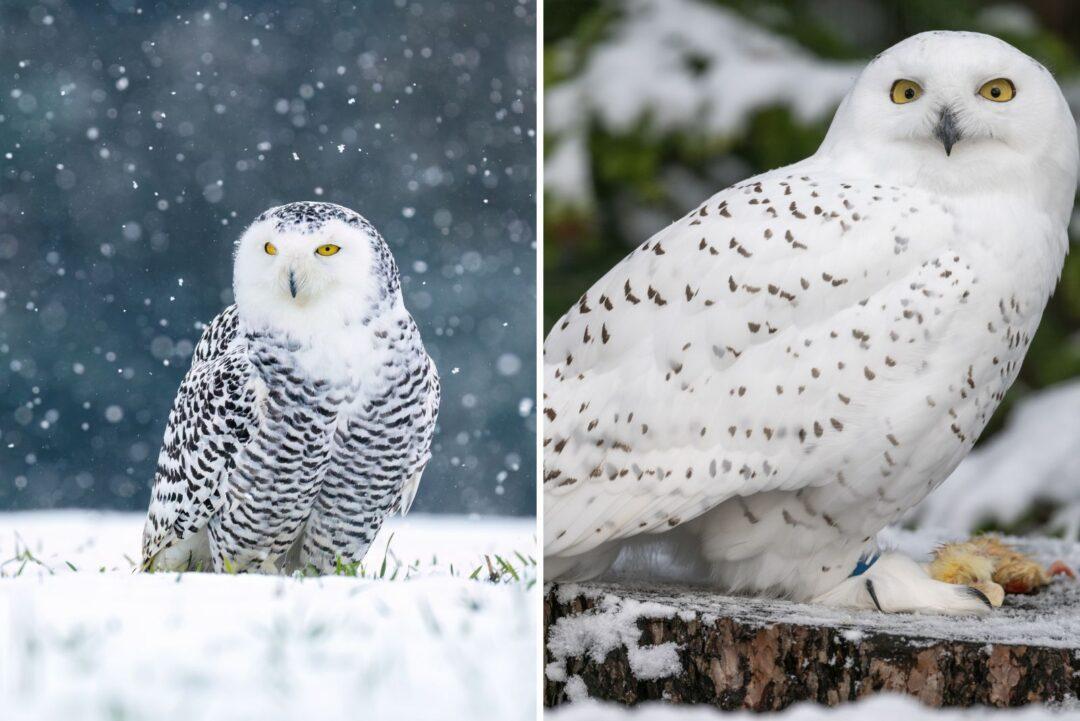
Many animals turn white in winter as part of their incredible adaptation to the harsh cold. This seasonal transformation, known as winter camouflage, allows species like the arctic fox and snowshoe hare to blend seamlessly into their snowy environments. As the chill sets in, each of these animals undergoes a remarkable change, enhancing their chances of survival by avoiding predators. Predatory threats often loom larger in the barren white landscapes, making their sneaky white coats a tactical advantage. The stoat transformation is another fascinating example, where the animal swops its reddish-brown fur for a stunningly pure white, echoing the strategies of the ptarmigan, which also changes colors with the seasons.
In the depths of winter, several creatures take on a starkly different appearance to deal with the chilly conditions. Animals like the arctic fox, known for its striking transformation, and the snowshoe hare showcase a beautiful adjustment that illustrates nature’s ingenuity. These mammals, along with the stoat and ptarmigan, exhibit remarkable color changes, not merely for aesthetics but for crucial survival advantages. This phenomenon of seasonal color adaptation enhances their camouflage in snowy habitats, providing safety from lurking predators. As winter blankets the landscape, the shift to white becomes a vital part of their life cycle.
Animals Turn White in Winter
In the icy grip of winter, some animals undergo a remarkable transformation—turning white to blend seamlessly into their snowy surroundings. This seasonal change is not merely aesthetic; it is a critical adaptation for survival. Among these creatures, the Arctic fox and the snowshoe hare are particularly notable for their striking color shifts. As winter blankets the landscape, their once vibrant brown coats fade into pure white, offering them exceptional camouflage against predators lurking in the winter landscape. This transformation not only enhances their ability to avoid detection but also plays a significant role in their hunting strategies during the harsh winter months.
The phenomenon of color change among animals during winter showcases nature’s incredible adaptability. The stoat, with its bold attitude, and the ptarmigan, a resilient bird, also display fascinating winter camouflage. The stoat, for instance, transforms from a rich reddish-brown to a bright white, keeping only the distinctive black tip of its tail—a clever way to retain some identity while remaining hidden in the snow. Similarly, the ptarmigan’s feathers shift from earthy tones to nearly all white, making it difficult to spot even when nearly right in front of observers. These adaptations not only protect them but also highlight the intricate relationship between environment and survival strategies in the animal kingdom.
The Science Behind Winter Camouflage
Winter camouflage is more than just a seasonal quirk; it is a vital survival mechanism finely tuned to the changing environment. Animals that turn white in winter do so as a direct response to the shifting seasons and the need to evade predators. The snowshoe hare, for example, is a master of adaptation, its transformation from brown to white allowing it to thrive in snow-covered forests. These changes are regulated by hormonal shifts that influence fur pigmentation and are often triggered by the length of daylight during different seasons.
Furthermore, this incredible ability is not limited to mammals. Birds like the ptarmigan also exhibit similar adaptations, seamlessly transitioning color with the seasons. These transformations are not just for predation avoidance; they also impact thermoregulation and behavioral patterns in winter. By adopting a white coat, these animals conserve warmth and energy while blending into the frosty landscape. Thus, the science behind winter camouflage combines genetics, environmental cues, and evolutionary strategies that have developed over countless generations.
Unique Transformations of Winter Animals
The unique transformations that animals undergo in winter are not simply about color shifts; they encompass a broader range of adaptive traits. The mountain hare, for example, displays a striking shift from brownish-gray to white, enhancing its camouflage against the winter backdrop. This adaptation helps the hare avoid predators and is critical for its survival in open areas where cover is limited. Its ability to transform its fur not only aids in concealment but also showcases the incredible diversity of nature’s adaptive strategies.
Each of these animals, including the stoat, undergoes one of nature’s most remarkable makeovers. The stoat’s shift from reddish-brown to white is a striking example of how color can affect survival. Predators, such as foxes and birds of prey, struggle to spot these animals in snowy conditions, which gives them a crucial advantage. The fact that these transformations occur annually speaks to their evolutionary significance and the capacity of these species to thrive in various environments, adapting their appearances to match seasonal changes.
Predators and Prey: The Winter Survival Game
In the heart of winter, the balance between predator and prey reaches a critical point, with animals’ seasonal transformations playing a significant role in this dynamic. Creatures like the Arctic fox have adapted to not only hunt but also survive due to their ability to blend effortlessly into snowy environments. Their white fur serves as an excellent camouflage, allowing them to approach prey like seabirds and lemmings with stealth and precision. The cleverness of their hunting strategy is underscored by their coat, which facilitates successful predation even in the harshest of winters.
Conversely, animals such as the snowshoe hare, stoat, and mountain hare have developed their own survival strategies to navigate this predator-rich environment. With their coats shifting to white, they effectively hide from their main threats, increasing their chances of survival. The intricate dance between predator and prey during the winter months underscores the importance of these adaptations, ensuring that both groups continue to thrive in their respective roles. Nature’s winter survival game is a delicate balance, underscored by the remarkable transformations of these animals.
Winter Adaptations in the Animal Kingdom
Winter adaptations among animals display an incredible range of strategies that enhance both survival and reproductive success in harsh climates. The transformations seen in species like the ptarmigan and stoat represent a fascinating intersection of behavioral and physiological changes. As snow covers the ground, these animals adapt not only by changing color but also by altering their behaviors to optimize food searching and predator avoidance. For instance, ptarmigans have been known to engage in a form of camouflage beyond their feather color, often using the environment to enhance their concealment.
Beyond coloration, winter adaptations extend to physiological changes, such as increased body fat or modified feeding habits. The snowshoe hare and mountain hare, for example, not only change colors but also burrow or seek shelter more rigorously to conserve heat and energy. These adaptations are critical for survival as food sources dwindle and the challenges of cold temperatures become amplified. The showcase of these winter adaptations offers a glimpse into the resilience of wildlife in the face of environmental challenges, emphasizing nature’s capacity for innovation.
The Role of Climate in Animal Color Change
Climate plays a pivotal role in the seasonal color changes observed in certain animals, particularly those that rely on winter camouflage to survive. As global temperatures fluctuate, the timings and effectiveness of these transformations can be affected. In areas experiencing warmer winters, the duration of snow cover may shorten, posing challenges for animals like the Arctic fox and snowshoe hare, whose survival strategies heavily rely on their ability to blend into snowy environments. This shift can lead to mismatches in timing between the onset of color change and the actual presence of snow, potentially reducing their effectiveness as predators and prey.
Additionally, changes in climate can alter predator-prey dynamics, as the timing of hibernation, migration, and food availability are tightly linked to weather patterns. For species like the mountain hare and ptarmigan, delayed snow cover can leave them vulnerable to predators, making it imperative that these animals adjust their behaviors and biological cycles in response to climate shifts. The interconnectedness of climate and animal adaptations reflects a broader trend in conservation biology, emphasizing the need for a heightened understanding of how environmental changes impact wildlife survival and the delicate balance of ecosystems.
Conservation Challenges for Winter-Camouflaged Animals
As climate change continues to alter habitats, the conservation of winter-camouflaged animals faces significant challenges. Species like the stoat and snowshoe hare find themselves in increasingly precarious positions as their camouflage becomes less effective due to inconsistent snowfall patterns. With climate variability disrupting traditional seasons, these animals may struggle to adapt in real-time, exposing them to greater predation and decreasing their survival rates during winter months. Conservation efforts must now consider how these environmental changes impact the life cycles and habitats of these unique animals.
Moreover, habitat destruction poses another threat to these winter specialists. Urban expansion and land use changes have profound effects on the winter ecosystems where these animals thrive. Protecting their habitats and ensuring adequate food sources during winter is essential for maintaining their populations. Conservation strategies must be tailored to address both the immediate threats posed by habitat loss and the long-term challenges associated with climate change. By prioritizing the protection of these vulnerable species and their environments, we can help secure a future for animals that rely on winter camouflage for their survival.
Understanding the Impact of Seasonal Changes
The impact of seasonal changes on wildlife is profound, with winter migrations, hibernation patterns, and color changes all influenced by the changing climate. Animals that turn white in winter, such as the Arctic fox and snowshoe hare, exhibit remarkable adaptations that are finely tuned to their environments. As seasons shift, these changes are critical for survival, highlighting the intricate relationship between an animal’s life cycle and the seasonal rhythms of their habitats. Understanding these seasonal changes helps us appreciate the resilience and adaptability of wildlife, offering insight into the complex workings of nature.
Furthermore, tracking patterns of seasonal change provides valuable data for conservationists and biologists alike, revealing how these animals respond to environmental stressors. The ability to adapt to seasonal changes is essential; animals like the stoat and ptarmigan illustrate how adaptation is a matter of survival in the face of winter’s challenges. By fostering a greater understanding of these dynamics, we can make informed conservation decisions that protect the unique adaptations of winter animals and ensure their continued presence in our ecosystems.
Frequently Asked Questions
Why do animals turn white in winter for camouflage?
Animals turn white in winter to enhance their winter camouflage, helping them blend into snowy environments and avoid predators. Species like the Arctic fox and snowshoe hare undergo this transformation, switching from brown or gray coats to white fur as winter approaches. This adaptation not only aids in survival by providing effective concealment but also keeps them warm during harsh conditions. When spring arrives, they switch back to their original colors as the snow melts.
| Animal | Summer Color | Winter Color | Purpose of Color Change |
|---|---|---|---|
| Arctic Fox | Brown/Gray | White | Camouflage and warmth |
| Snowshoe Hare | Brown | White | Evasion from predators |
| Stoat | Reddish-Brown | White (with black tail tip) | Hunting camouflage |
| Ptarmigan | Brown/Spotted | White | Blending into snowy environment |
| Mountain Hare | Brownish-Gray | White | Camouflage in snowy areas |
Summary
Animals turn white in winter for survival and camouflage. This incredible adaptation is observed in species such as the Arctic fox, snowshoe hare, stoat, ptarmigan, and mountain hare. Each of these animals experiences a remarkable transformation as seasons change, evolving from darker hues in summer to pristine white in winter. The primary purpose behind this drastic color change is to blend into their snow-covered surroundings, providing them with a crucial advantage in evading predators and enhancing their chances of survival. Moreover, this adaptation not only aids in concealment but also offers additional warmth during the frigid winter months, showcasing the exceptional evolutionary responses to harsh environmental conditions.



























