

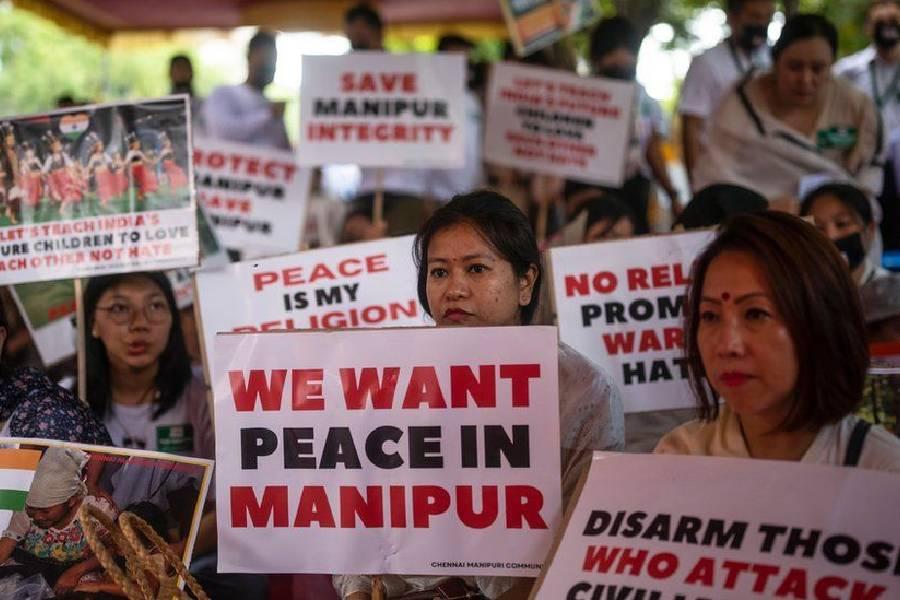
The Manipur crisis underscores a complex web of ethnic tensions that has intensified since May 3, 2023, when violence erupted between the Meitei and Kuki communities. This conflict has not only led to immense human suffering and displacement, but it has also exposed the deeper underlying issues of governance and representation in Northeast India. The Kuki community’s concerns regarding political equality and equitable development continue to fuel grievances, highlighting disparities between the valley and hill districts of Manipur. As the nation grapples with the implications of the ongoing Manipur violence, the urgent need for dialogue and reconciliation becomes increasingly evident. Addressing the root causes of this ethnic discord is crucial for restoring peace and stability in this historically rich but troubled region.
Navigating the tumultuous landscape of ethnic strife in Manipur reveals a dire situation that has implications beyond local borders. This ongoing dilemma involves escalating tensions between the diverse communities in the region, notably the Kuki and Meitei populations. As conflict escalates, several significant Northeast India issues come to the forefront, including political disenfranchisement and social inequities. The plight of the Kuki people, alongside their persistent calls for fair treatment and inclusion, mirrors a larger narrative of cultural confrontations that threaten the state’s stability. Without immediate and effective interventions, the specter of division looms large over this already fragile state.
Understanding the Underlying Causes of the Manipur Crisis
The tumultuous narrative of the Manipur crisis can be traced back to the deep-seated ethnic tensions between the Meitei and Kuki communities. As historical grievances rooted in political representation and resource allocation have continued to simmer, the current situation highlights an urgent need to address these systemic issues. The inequities perceived by the Kuki community, particularly in terms of development and fulfillment of socio-political rights, underscore the broader Northeast India issues that often go unnoticed in national discourse. A lack of equitable treatment disserves not only the Kuki people but also impedes the growth of harmony and coexistence in the region.
The political landscape in Manipur, characterized by the Meitei’s majority in the valley and the Kuki and Naga representation in the hills, adds complexity to the ongoing conflict. As calls for Scheduled Tribe status for the Meitei community grow louder, the Kuki community fears further marginalization. These tensions were starkly illustrated during the ATSUM rally which acted as a catalyst for the violence that erupted in 2023. Understanding these origins is pivotal for any dialogue aimed at achieving peace and stability, and to comprehend why grievances of ethnic communities like the Kuki must be addressed for a sustainable solution.
The Current State of Ethnic Tensions in Manipur
As of now, the fallout from the Manipur crisis continues to haunt its residents, with divisions hardening within communities. The violence that erupted in May 2023 marked a significant deterioration in relations between the Kukis and Meiteis, throwing into relief the intense mistrust and fear that characterize the current state of affairs. Internal displacements have left thousands without homes, while the ongoing attacks and retaliatory measures between ethnic groups signify an unsettling cycle of violence that betrays any notion of normalcy returning to the region. The scars from past conflicts have made resolving the ethnic tensions in Manipur even more challenging.
Moreover, sporadic incidents of violence, such as those recorded following the Thawai incident in March 2026, highlight the volatility that persists. Tensions escalated with reports of further killings and attacks on Kuki villages, which exacerbate the sense of insecurity among the community. Unfortunately, the involvement of militant groups adds another layer of complexity, further complicating avenues toward peace. As internal divisions see families and communities torn apart, the need for compassion, understanding, and equitable resolutions for both the Meitei and Kuki communities has never been clearer.
Frequently Asked Questions
What are the root causes of the Manipur crisis?
The Manipur crisis stems from longstanding ethnic tensions, primarily between the Meitei and Kuki communities, coupled with political disparities. The Meitei community, with a majority in the valley, has faced opposition from the Kuki and Naga communities, who feel marginalized and underrepresented. Key events like the ATSUM rally on May 3, 2023, highlighted these grievances, leading to violent outbreaks and a significant deterioration of trust and dialogue between communities.
| Key Points | Details |
|---|---|
| Inadequate Response from New Delhi | Perception of neglect towards the Northeast and Manipur’s suffering. |
| Ethnic Communities | Three major communities: Meitei, Kuki, and Naga, with significant political and social tensions. |
| Origins of Conflict | Disparity in political representation and governance issues among ethnic groups. |
| Post-Conflict Situation | Fragile peace with ongoing mistrust and discontent among communities. |
| Ongoing Violence | Reports of attacks and killings, particularly in Kuki communities. |
| Need for a Political Solution | Calls for separation and greater autonomy from Naga and Meitei control to resolve tensions. |
| Economic Impact | Blockades and protests have disrupted normal economic activities and supply chains. |
Summary
The ongoing Manipur crisis highlights a severe socio-political struggle involving ethnic communities and long-standing governance issues. With the situation remaining tense three years after the violence began, many Kuki community members feel a pressing need for a political resolution that addresses their insecurities and mistrust towards the Naga and Meitei populations. The inadequate response from New Delhi has only fueled frustrations, making it clear that this crisis does not solely impact the local context but has broader implications for India’s democratic fabric. Economic disruptions from blockades and protests illustrate how the ramifications extend beyond Manipur, indicating that urgent intervention is necessary to foster peace and ensure justice for all affected communities.



























