

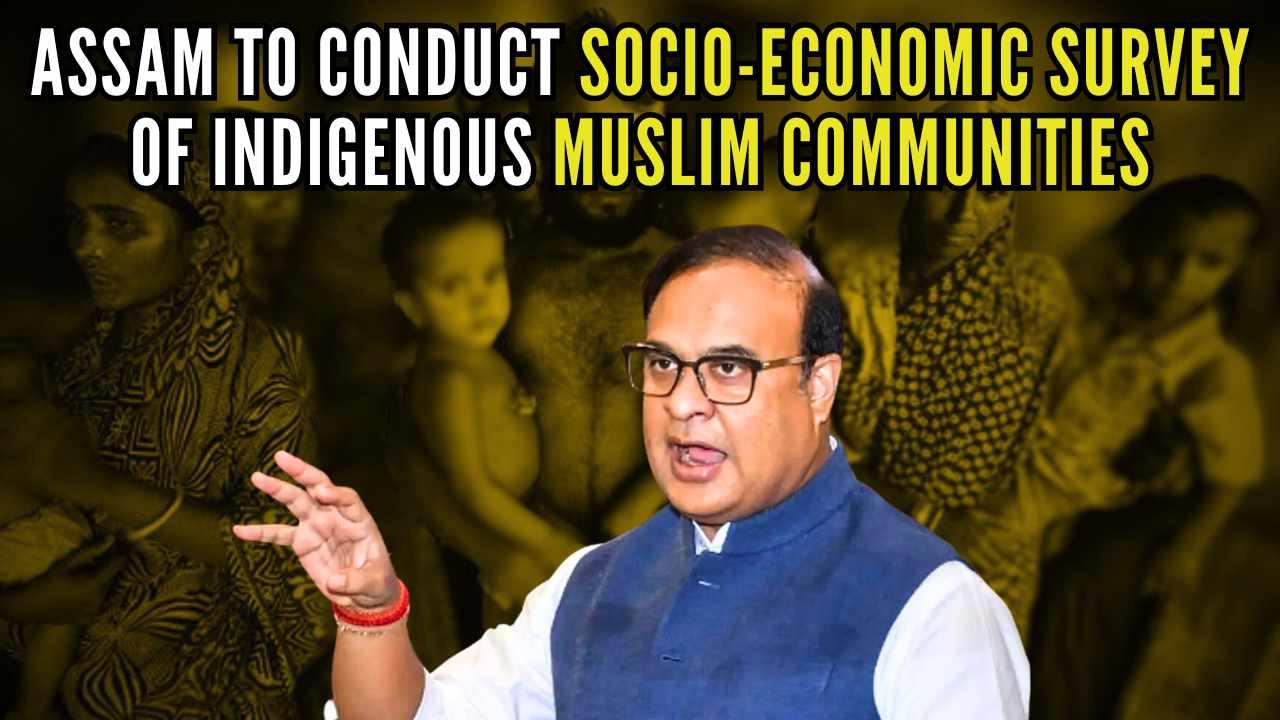
The Guwahati footpath survey marks a significant initiative by the Assam government aimed at reclaiming public spaces and enhancing urban development in the city. Scheduled to begin on August 16, this comprehensive survey seeks to identify unauthorized occupants of footpaths, including small businesses that have proliferated over time. The Bharatiya Janata Party (BJP) asserts that the eviction of footpath businesses is a crucial step towards restoring order and improving the city’s infrastructure. Highlighting the importance of effective urban management, party spokesperson Ranjib Kumar Sharma emphasized how this initiative aligns with broader efforts to enhance the quality of life for residents. As part of its ongoing urban development strategy, the government is determined to create a more organized and visually appealing Guwahati, making the footpath survey an essential component of this transformative vision.
The recent initiative to conduct a survey of footpaths in Guwahati represents a proactive approach by local authorities to address public space challenges in the region. This effort, linked to broader urban reorganization strategies initiated by the Assam government, is expected to facilitate the removal of unauthorized vendors operating on sidewalks. Amid allegations of past mismanagement where indigenous community spaces were compromised, this survey seeks to restore rightful usage of city infrastructure. The BJP’s commitment to reclaiming these critical public areas demonstrates a resolve to improve the urban landscape through effective policies and community-focused initiatives. By undertaking such measures, Guwahati aims to strike a balance between maintaining public access and supporting legitimate economic activities.
Guwahati Footpath Survey: A Step Towards Urban Improvement
The upcoming Guwahati footpath survey marks a significant initiative by the Assam government to revitalize urban spaces and improve the city’s infrastructure. This comprehensive survey is part of a broad urban development plan aimed at identifying unauthorized occupations of footpaths, which have become a common sight across the city. With the support of the Bharatiya Janata Party (BJP), the government intends to reclaim these public spaces for the benefit of the residents and enhance overall city management.
Conducted in association with BJP Guwahati initiatives, the footpath survey underscores a commitment to restoring public spaces that have been encroached upon. as stated by Assam BJP spokesperson Ranjib Kumar Sharma, this operation will not only facilitate the eviction of footpath businesses but also address the social fabric of the city, reclaiming rights for local communities that were previously marginalized. With the survey set to begin on August 16, the hope is that it will lead to a more organized urban layout, showcasing Guwahati’s potential as a well-managed city.
The Role of the Assam Government in Urban Development
The Assam government’s recent announcement regarding the footpath survey aligns with its broader goal of urban development and public space restoration. By emphasizing the need to remove unauthorized business operations on pavements, the government is taking a proactive approach to urban management. Under the leadership of Chief Minister Himanta Biswa Sarma, such initiatives reflect the administration’s vision to reshape Guwahati’s landscapes, creating environments that are more accessible and enjoyable for all residents.
Moreover, this initiative also serves to address concerns regarding the impact of haphazard street vending on the quality of life in Guwahati. Sharma’s remarks highlight the necessity of such surveys in reclaiming valuable sidewalk space that should remain accessible to pedestrians. By adopting such measures, the Assam government seeks not only to restore public spaces but also to uplift local businesses that have been affected by previous government policies, particularly those during the Congress-led tenure that transferred space from indigenous communities.
BJP Guwahati Initiatives for Public Space Restoration
The Bharatiya Janata Party’s initiatives in Guwahati reflect a commitment to restoring public spaces and enhancing urban aesthetics. By undertaking the Guwahati footpath survey, the BJP is sending a clear message about prioritizing community needs over unauthorized occupation of public pathways. The eviction of businesses operating on footpaths symbolizes a broader effort to reclaim urban areas for legitimate local use, ensuring that public spaces are available for all residents.
These initiatives are not isolated; they are part of a larger strategy aimed at transforming Guwahati into an organized urban center. The government’s focus on urban development encompasses various infrastructure projects, which are crucial in supporting the overall vision for the city. As the survey proceeds, it is anticipated that Guwahati will feature well-maintained sidewalks that enhance mobility and foster community interaction, reinforcing BJP’s promise of a better urban experience for citizens.
Challenges in Evicting Footpath Businesses
While the Guwahati footpath survey heralds a new chapter in urban development efforts, the eviction of footpath businesses presents notable challenges. Many of these small enterprises have established themselves over years, often becoming integral to the local economy and social fabric. This raises concerns about the livelihoods of those who rely on these businesses for their income, which may lead to resistance from affected parties during the eviction process.
Moreover, the proposed evictions may spark debates regarding the balance between city infrastructure improvements and socio-economic ramifications for business owners. The Assam government must carefully navigate these challenges to implement the survey’s findings effectively. Strategies that include offering alternative spaces for displaced vendors could mediate conflicts and allow for a more sustainable urban development approach that respects both public space and small business interests.
Public Reactions to the Guwahati Footpath Survey
As the Assam government prepares for the Guwahati footpath survey, public reactions are varied, revealing a mix of support and apprehension. Many residents view the survey as a necessary step toward reclaiming public spaces that have suffered from unauthorized encroachment. A smoother, cleaner urban environment is welcomed by those who navigate the city daily, as it promises enhanced safety and accessibility for pedestrians.
Conversely, some community members express concern about the potential fallout for local vendors who may rely heavily on footpath business for their livelihoods. This duality in public sentiment underscores the complexity of urban management in Guwahati, where every development initiative must weigh the benefits of improved infrastructure against the ethical implications for the local economy. As this focus on urban restoration unfolds, transparent communication with the affected communities will be crucial to achieving a balanced outcome.
Environmental Considerations in Urban Development
The intersection of urban development and environmental sustainability has become a focal point within the scope of the Guwahati footpath survey. By reclaiming footpaths and restoring public spaces, the Assam government has the opportunity to not only enhance city infrastructure but also to incorporate green spaces that contribute to environmental health. The memory of haphazard urban expansion can be mitigated by integrating eco-friendly practices within the survey’s findings.
In addition, the restoration of these spaces could promote biodiversity, contribute to cleaner air, and create inviting areas for community gatherings. With initiatives led by the BJP aimed at beautifying Guwahati, the incorporation of environmental stewardship will serve to model a holistic approach to urban development that values both nature and community needs alike. The survey represents a chance to redefine how urban landscapes can coexist with ecological considerations, ultimately benefiting the residents and the environment.
Economic Impact of Reclaiming Public Spaces
Reclaiming public spaces through the Guwahati footpath survey holds immense potential for positive economic impacts in the region. By removing unauthorized businesses, the government can pave the way for legitimate commercial activities in more organized formats, such as designated marketplaces or improved shopfronts. This would not only enhance the aesthetic appeal of Guwahati’s streets but also support regulated trade that contributes to local tax revenues and economic growth.
Evolving public spaces into vibrant urban areas enhances the overall attractiveness of Guwahati, potentially drawing tourists and boosting the local economy. Additionally, with infrastructure projects initiated alongside the survey, the overall investment in urban renewal could result in job creation during construction and through future business opportunities, laying a foundation for long-term economic resilience. This intertwined approach to urban and economic development aligns with the BJP’s vision for a prosperous Guwahati.
Community Involvement in Urban Reconstruction
The success of the Guwahati footpath survey hinges on active community involvement in the urban reconstruction process. The government’s call for support from BJP workers indicates the necessity of collaborative efforts to engage local residents in discussions about their public spaces. Encouraging community participation not only fosters a sense of ownership over urban changes but also ensures that the residents’ voices are represented in decision-making.
By organizing public forums, workshops, and feedback sessions, authorities can gather valuable insights on how to better utilize reclaimed spaces. Community involvement can lead to innovative ideas that enhance the functionality and appeal of public areas, ultimately contributing to a cohesive urban experience. Ensuring that the voices of those directly impacted by footpath evictions are heard is essential in realizing a city that caters not just to business but to the overarching needs of its residents.
The Future of Guwahati’s Urban Landscape
Looking ahead, the Guwahati footpath survey serves as a pivotal step in shaping the city’s urban landscape. As urban development efforts unfold, the focus on reclaiming pedestrian pathways will transform Guwahati into a more organized and visually appealing environment. The concerted efforts led by the Assam government and the BJP will set a foundation for ongoing improvements in infrastructure, ultimately attracting more investments and enhancing the quality of life for citizens.
Furthermore, as the urban space is redefined, there may emerge opportunities for innovative public projects that expand on beautification and community engagement. A future where pedestrian-friendly streets thrive in an environmental context will not only benefit local businesses but will also promote a stronger sense of community identity. With the anticipation surrounding the footpath survey and the potential for reallocating resources effectively, Guwahati is poised for a vibrant and inclusive urban renaissance.
Frequently Asked Questions
What is the purpose of the Guwahati footpath survey being conducted by the Assam government?
The Guwahati footpath survey aims to identify individuals illegally occupying footpaths and facilitate the eviction of unauthorized businesses as part of the Assam government’s broader urban development and public space restoration efforts. This initiative, supported by the BJP, seeks to reclaim public spaces, improve urban management, and enhance the city’s infrastructure.
| Key Point | Details |
|---|---|
| Government Survey | A survey will be conducted by the Assam government to identify footpath occupants in Guwahati. |
| Eviction Measures | The survey will lead to eviction of unauthorized footpath occupiers to restore public spaces. |
| Urban Development Initiative | This initiative is part of the BJP’s broader plan for urban management and infrastructure improvement. |
| Involvement of Local Communities | The government intends to reclaim areas previously occupied by native businesses. |
| Survey Start Date | The survey is expected to begin on August 16. |
| Support from BJP Workers | BJP party members will assist in the implementation of the survey and subsequent eviction. |
Summary
The Guwahati footpath survey is a significant step undertaken by the Assam government aimed at addressing the pressing issues of unauthorized footpath occupations in the city. Scheduled to begin on August 16, this initiative highlights the government’s commitment to reclaiming public spaces, enhancing urban aesthetics, and ensuring that local communities can return to using these areas effectively. With the backing of BJP workers, the survey seeks not only to facilitate a clean and organized urban environment but also to confront social issues associated with previous governance. As the survey progresses, residents of Guwahati can expect improved accessibility and a revitalized public domain.



























