

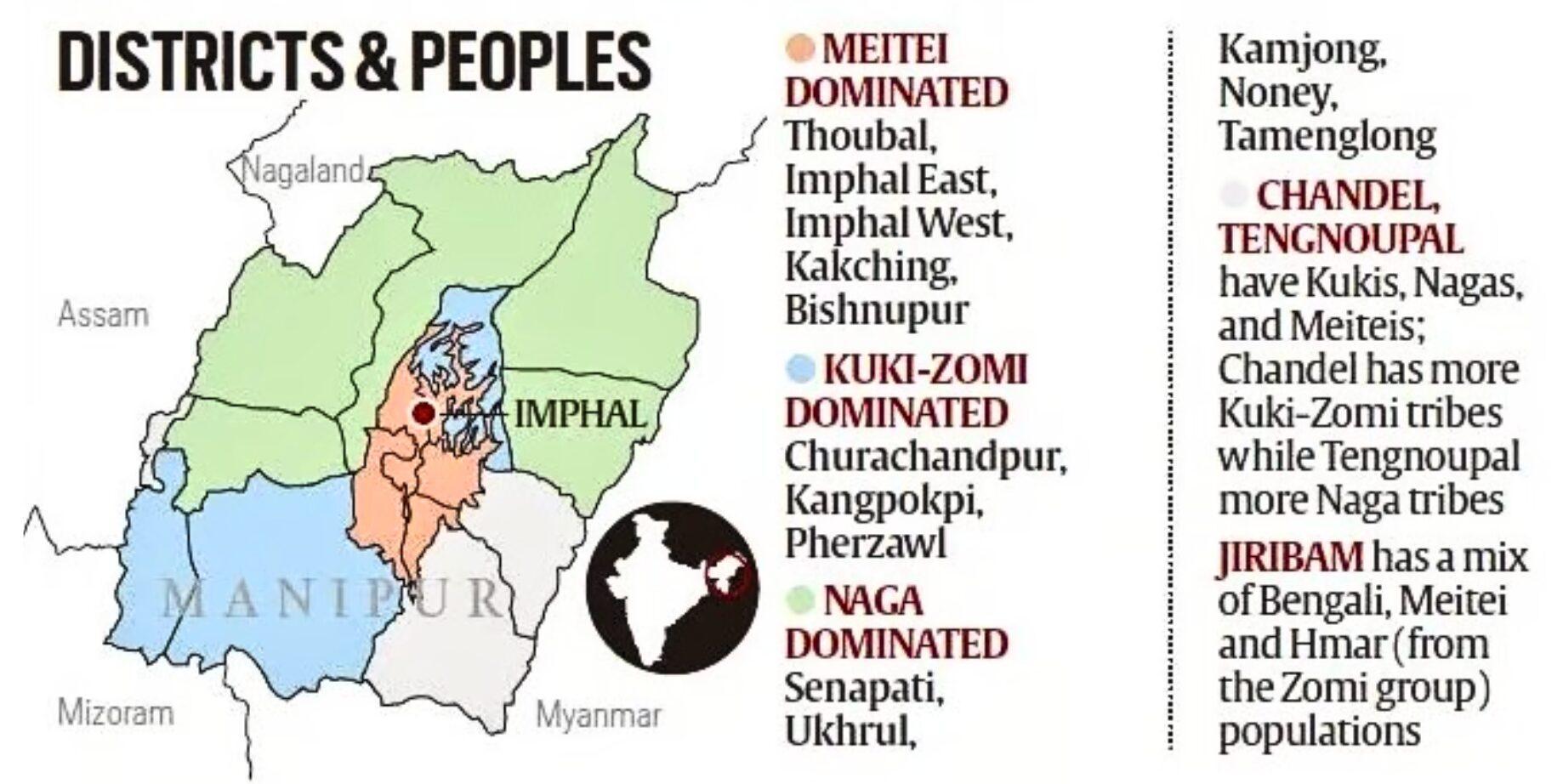
The Manipur ethnic conflict stands as a poignant reminder of the complex relationship between diverse communities in India. Rooted in historical grievances and fueled by recent violence, this escalating strife has drawn national attention, particularly due to events like the Kuki protests and the tragic RIMS Hospital protest. Reports from Imphal reveal shocking instances of violence and counterviolence, further complicating an already volatile situation. The friction has not only polarized communities but also spurred humanitarian crises, with thousands displaced from their homes. As the conflict unfolds, the implications of the Kuki-Naga conflict continue to resonate deeply, making it a focal point in discussions surrounding peace and resolution in Manipur.
The turmoil in the northeastern Indian state of Manipur involves intense ethnic hostilities that have disrupted the lives of many inhabitants. Comprising a blend of cultural identities, this region faces unprecedented challenges in maintaining communal harmony amidst ongoing tensions. The clashes between the Meitei population and the Kuki-Zo tribes have spiraled into a widespread humanitarian emergency, further exacerbated by incidents like the RIMS Hospital protest. The ongoing strife has drawn scrutiny not only for its immediate impact on the local populace but also for its deeper implications on regional stability. Understanding this complex landscape requires examining the underlying tensions and the historical context that shapes the experiences of those affected by the violence.
Understanding the Manipur Ethnic Conflict
The Manipur ethnic conflict has deep historical roots, reflecting long-standing tensions between the state’s diverse communities. Beginning in May 2023, this strife primarily involves the Meitei people of the Imphal Valley and the Kuki-Zo tribes residing in the hilly areas. The nature of the conflict is complex, with issues such as political representation, cultural preservation, and resource allocation underpinning the discord. In recent months, the situation escalated dramatically, leading to violent confrontations, such as the unfortunate gunfight that injured three Kuki youths, triggering widespread protests and condemnation.
As the violence unfolds, the Kuki resistance movements have intensified, opposing what they perceive as systemic marginalization. The Kuki Inpi Manipur (KIM) and other tribal organizations have been vocally advocating for their rights, describing incidents like the recent RIMS Hospital protests as emblematic of their struggle. The KIM’s condemnation of the assaults on civilians not only illustrates the grim reality on the ground but also raises questions about law and order amidst persistent ethnic clashes. The ongoing fighting threatens to exacerbate existing tensions and result in further bloodshed if a resolution is not found.
The Impact of Kuki Protests on Community Relations
In the context of the Kuki protests, community relations have been severely tested. Following the recent violence at RIMS Hospital in Imphal, protests erupted as locals objected to medical treatment being afforded to Kuki individuals deemed ‘extremists.’ This stance reflects broader societal divisions, with many blaming Kuki groups for ongoing violence while Kuki leaders assert their right to defense against mounting threats. Such protests reinforce existing prejudices and further alienate communities, complicating the already fractured landscape of relationships between different ethnic groups in Manipur.
Open hostility, as demonstrated during the RIMS protests, poses a significant challenge for peace-building efforts in the region. The cries of condemnation from both sides demonstrate the polarized perspectives on the ethnic conflict. Kuki organizations, citing the necessity of protection for their people, call for understanding and respect from the wider populace, whereas the opposing groups portray the Kukis as instigators of violence. Reconciling these differing narratives demands a robust dialogue rooted in empathy and understanding, as any attempts at community healing are further undermined by vocal protests that escalate tensions instead of fostering unity.
Fatalities and Displacements from Manipur Violence: An Ongoing Crisis
The ethnic violence in Manipur has claimed over 270 lives and has led to the displacement of more than 62,000 individuals, highlighting an ongoing humanitarian crisis. This turmoil has not only displaced families but also disrupted social and economic structures within affected communities. The fear and insecurity stemming from violence, including the recent ambush that claimed the lives of Thadou church leaders, have created mistrust among ethnic groups that historically coexisted. As instances of violence continue, the situation has only grown more dire, necessitating urgent intervention from local authorities and humanitarian organizations.
The devastating outcomes of this conflict reflect the need for proactive measures to address underlying grievances. Displacement often exacerbates community tensions, as those forced to flee carry with them stories of trauma and loss. The plight of the displaced serves as a potent reminder of the importance of conflict resolution strategies that focus on reconciliation and restorative justice. Moving forward, it is essential to provide aid not only to those affected but also to engage in dialogues that address the root causes of the ethnic strife plaguing Manipur.
RIMS Hospital Protests: A Flashpoint in the Kuki-Naga Conflict
The protests that erupted outside the Regional Institute of Medical Sciences (RIMS) serve as a pivotal flashpoint in the ongoing Kuki-Naga conflict. These demonstrations were largely fueled by the perception that the Kuki youths, injured in a recent gunfight, were receiving preferential treatment amid a backdrop of community tensions. As protesters clashed with security forces, the situation escalated into chaos, invoking images of past conflicts over medical resources during civil unrest. Such incidents raise critical questions about the politicization of healthcare in conflict zones.
In addition to the immediate confrontation at RIMS, these protests underscore the larger narrative of mistrust and fear between the Kuki and Naga communities. The historic grievances stemming from the Kuki-Naga conflict have led to an environment where medical assistance can become a contentious issue. As health facilities become battlegrounds for ideological disputes, addressing the psychological impact on communities is no less important than negotiations on political fronts. Moving forward, peace-building initiatives must include frameworks that seek to de-escalate tensions not just through policy, but also through healing the divisions that persist in healthcare settings.
The Role of Imphal News in Reporting Ethnic Conflicts
News reports from Imphal have played a crucial role in shaping public perception and understanding of the ethnic conflict in Manipur. The coverage of events, from the early skirmishes to the intensified protests surrounding the treatment of the injured Kuki youths, provides vital context for the ongoing strife. Reliable reporting highlights the voices of affected community leaders, such as those from the KIM, who stress the need for a balanced representation of their narrative amidst a crisis that often sees polarizing coverage.
However, media outlets also face challenges in navigating the sensitive landscape of ethnic conflict reporting. The potential for misinformation or sensationalism can exacerbate tensions, making it essential for journalists to approach their reporting with nuance and accuracy. Prioritizing ethical journalism and understanding the stakes involved not only leads to more responsible media coverage but also plays a part in fostering peace. Community engagement in journalism, therefore, becomes necessary, as it enables the media to better reflect the complex realities on the ground in Manipur.
Kuki-Zo Rights and the Future of Manipur
The struggle for Kuki-Zo rights highlights a critical aspect of the ethnic conflict in Manipur, where issues of identity, autonomy, and self-determination are increasingly coming to the forefront. The Kuki Inpi Manipur, representing the Kuki tribes, has called for greater recognition of their rights amid a backdrop of systematic neglect and marginalization. This push for rights stems from a shared history of grievances and the need to assert their identity against dominant narratives that often overshadow their plight.
The future of Manipur hinges on the acknowledgment and respect for the rights of all ethnic groups, including the Kuki-Zo population. The growing unrest and calls for self-governance reflect a broader demand for equitable treatment and representation in state matters. Engaging in constructive dialogue between the ethnic communities and the government can pave the way forward, enabling a shared vision that fosters coexistence and peace, rather than deepening divisions. Only through recognizing and addressing these rights can Manipur hope to heal and secure a more stable future.
Political Solutions to End the Ethnic Violence in Manipur
Addressing the ethnic violence in Manipur requires a multifaceted political solution that transcends mere emergency response measures. Involvement from various stakeholders, including local leaders, government officials, and civil society organizations, is crucial for developing a strategy that addresses the root causes of the conflict. Dialogues must focus on historical grievances, equitable representation in governance, and shared resource management to create a conducive environment for peace.
Moreover, fostering trust among the communities involved in the conflict is vital for ensuring that political solutions are sustainable. Initiatives that promote inter-community dialogue, reconciliation programs, and restorative justice can play significant roles in rebuilding relationships damaged by years of strife. Efforts must also be made to empower local voices in decision-making processes to ensure that the interests of marginalized communities, such as the Kuki and Naga, are adequately represented. A comprehensive approach that prioritizes inclusivity and justice is essential for breaking the cycle of violence in Manipur.
Humanitarian Assistance in Times of Conflict
In the wake of growing ethnic violence in Manipur, humanitarian assistance has become imperative to support those affected by the ongoing conflict. The displacement of over 62,000 individuals necessitates immediate intervention to address refugees’ basic needs, including shelter, food, and medical care. Non-governmental organizations and local community groups play an essential role in delivering aid, often stepping in where the government response falters. Their involvement not only provides crucial support but also emphasizes solidarity among communities devastated by the ongoing crisis.
As humanitarian organizations mobilize resources and aid, they must also focus on longer-term assistance and rehabilitation efforts that address the root causes of displacement and conflict. Building resilience in affected communities involves not only immediate relief but also creating opportunities for dialogue and coexistence among divided groups. Empowering local leaders to participate in the planning and execution of aid programs ensures that the support is contextually relevant and tailored to the needs of the community. In doing so, the humanitarian response can evolve from merely addressing symptoms of the conflict to fostering pathways toward peace and reconciliation.
Media Influence and the Politics of Representation in Manipur
The media plays a pivotal role in shaping public opinion regarding the ethnic conflict in Manipur. Coverage of incidents like the Kuki protests outside RIMS Hospital reveals the intricacies of identity politics, where differing narratives can lead to heightened tensions between communities. Various media outlets have sometimes misrepresented the Kuki people’s plight, which can contribute to further marginalization and misunderstandings. Accurate representation is crucial to fostering dialogue and empathy between the conflicting groups, enabling the possibility of peace and reconciliation.
Furthermore, the dynamics of media representation also highlight the responsibility journalists have in reporting on sensitive topics. Balancing narratives of conflict with stories of resilience and community solidarity is essential for reshaping perceptions and encouraging constructive discourse. When media focuses on the human aspects of these conflicts—the lives, stories, and struggles of the individuals involved—it sets the stage for greater public understanding and potential healing. Engaging with the community and prioritizing objective reporting can significantly influence the discourse around Manipur’s ethnic tensions.
Frequently Asked Questions
What sparked the recent Kuki protests in Manipur?
The recent Kuki protests in Manipur were sparked by an incident on June 15, 2026, when security personnel clashed with a mob outside the Regional Institute of Medical Sciences (RIMS) in Imphal. The protest erupted against the medical treatment of three Kuki youths injured during a reported gunfight, illustrating the ongoing tensions related to the Manipur ethnic conflict.
How did the Kuki-Naga conflict escalate in Manipur?
The Kuki-Naga conflict in Manipur escalated significantly in May 2023, following violent incidents such as the ambush and killing of Thadou church leaders. This incident increased hostilities between the Kuki-Zo people and the Naga community, resulting in kidnappings and retaliatory violence, further complicating the existing ethnic tensions in the region.
What role did RIMS Hospital play during the Manipur violence?
RIMS Hospital became a focal point during the Manipur violence when a mob protested against the treatment of three injured Kuki youths there. The situation underscored the growing conflict as protestors opposed medical aid to those they labeled as extremists, reflecting the polarized views stemming from the ongoing ethnic strife in Manipur.
What are the implications of the Kuki protests for local communities in Manipur?
The Kuki protests highlight the heightened community tensions in Manipur, affecting both Kuki and Naga populations. The protests and ongoing violence pose risks for local safety and wellbeing, as indicated by statements from the Kuki Inpi Manipur advocating for the protection of civilians and condemning attacks against them.
How has the Manipur ethnic conflict affected the community’s safety?
The Manipur ethnic conflict has severely impacted community safety, with reports of over 270 fatalities and more than 62,000 displacements due to violence. As armed groups operate with impunity, many people in affected regions live in fear, prompting calls from community leaders for more decisive government action to protect innocent civilians.
What measures are being demanded by the Kuki organizations in response to the violence in Manipur?
Kuki organizations are demanding immediate and effective governmental measures to identify and prosecute individuals responsible for attacks on civilians. They are advocating for safe medical care for the injured and the establishment of a secure environment to prevent further violence as part of addressing the ongoing ethnic conflict in Manipur.
How has the local population responded to the ongoing ethnic tensions in Manipur?
The local population has responded with protests and calls for justice amidst rising ethnic tensions in Manipur. Groups like the Kuki Inpi Manipur have condemned violence against their communities and advocated for peaceful resolutions, reflecting the urgent need for dialogue and reconciliation amid the conflict.
What is the current situation in Imphal regarding the Manipur ethnic conflict?
The current situation in Imphal is tense, with sporadic protests linked to the Manipur ethnic conflict. Following violent incidents, the community remains deeply divided between the Meitei and Kuki populations, with ongoing clashes contributing to the turmoil in the region and complicating efforts toward peace.
| Date | Location | Incident | Groups Involved | Outcome |
|---|---|---|---|---|
| June 15, 2026 | RIMS Hospital, Imphal | Protest against medical treatment for Kuki youths | Kuki groups, NSCN, Security forces | Protests ensued, highlighting tensions and violence in the region. |
| May 2023 – Present | Kangpokpi district and vicinity | Ethnic conflict between Meitei and Kuki-Zo communities | Kuki, Meitei, Naga groups | Over 270 fatalities and 62,000 displacements reported. |
Summary
The Manipur ethnic conflict has escalated significantly since May 2023, marked by violent incidents and deepening tensions between the non-tribal Meitei community and the Kuki-Zo ethnic groups. The recent protest at RIMS Hospital, where security forces used tear gas against demonstrators opposing the treatment of injured Kuki youths, exemplifies the ongoing hostility and challenges of maintaining peace in the region. With more than 270 lives lost and countless displacements, the conflict underscores the urgent need for a resolution that addresses the underlying issues and promotes reconciliation among the communities involved.



























