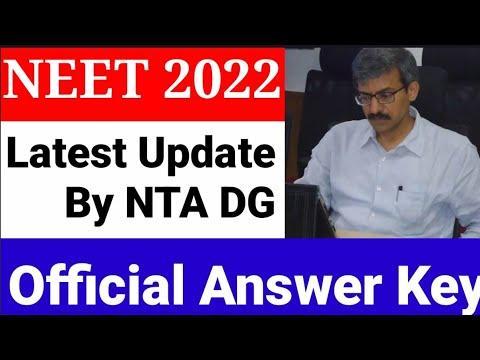
The recent Telegram ban imposed by the National Testing Agency (NTA) has sparked significant conversation among students preparing for the re-NEET exam scheduled for June 21. Authorities cite concerns over Telegram misuse, primarily due to its role in facilitating the distribution of fake question papers that mislead candidates and contribute to examination fraud. This decisive action, which led to the blocking of over 200 channels, underscores the NTA DG’s commitment to maintaining the integrity of the examination process and safeguarding students from deception. The focus is not merely on preventing fraud; it also aims to instill confidence in the fairness and transparency of the re-NEET framework. As stakeholders rally around the initiative, the NTA is taking substantial steps to ensure that examination fraud prevention remains a top priority in the digital age.
In the wake of the re-NEET examination, authorities have found themselves compelled to take strong measures against perceived threats to academic integrity. The prohibition of the popular messaging service, Telegram, is a bold initiative aimed at curbing illegal activities associated with the dissemination of misleading educational materials. With numerous channels providing illicit access to fraudulent question sets, this crackdown reflects the NTA’s serious commitment to enhancing examination security. Furthermore, the recent statements from the NTA DG about the necessity of such actions highlight the growing concerns regarding examination malpractice and the need for stringent safeguards. By enforcing this Telegram ban, the NTA seeks not only to address current challenges but also to pave the way for a more trustworthy examination environment.
Understanding the Telegram Ban During the re-NEET Examination
The National Testing Agency (NTA) recently took a firm stand by temporarily banning access to Telegram in response to rampant misuse of the platform during examination periods. This decision stems from alarming reports indicating that fraudsters have been utilizing Telegram channels to disseminate fake question papers and other misleading information that could compromise the integrity of the re-NEET examination. By blocking over 200 channels associated with these fraudulent activities, the NTA aims to safeguard the examination process, ensuring a fair opportunity for all students participating in the exam.
Moreover, this ban is a proactive measure in a broader strategy to combat examination fraud and bolster the credibility of the National Testing Agency’s assessments. The NTA DG emphasized the agency’s commitment to maintaining the sanctity of the examination system amidst rising concerns over Telegram misuse. This action reflects a decisive approach not only to prevent examination irregularities but also to reassure students and parents that the agency is resolutely focused on upholding standards to facilitate a legitimate testing environment.
Impact of Examination Fraud Prevention Measures
The NTA’s decision to block Telegram is part of its comprehensive strategy to enhance examination fraud prevention measures. As the use of digital communication channels proliferates, it has become increasingly crucial to stay ahead of potential sources of examination misconduct. The agency’s emphasis on preventing distribution of fake question papers via platforms like Telegram highlights the challenges faced in moderating information shared online. By implementing these strict regulations, NTA aims to cultivate an atmosphere of trust and confidence in its examination processes, ensuring that all candidates are subjected to the same level of scrutiny.
Additionally, the NTA DG’s public statements underline the importance of collaborative efforts between education authorities and technology platforms to address these issues comprehensively. Transparency in examination methods and an urgent response to fraud attempts reflect a growing awareness of academic integrity. As students navigate the complexities of competitive exams such as NEET, these preventative measures are essential not only for protecting examination integrity but also for fostering a culture that values honesty and hard work.
The Role of Digital Platforms in Academic Integrity
Digital platforms like Telegram have transformed how information is shared, but they have also opened avenues for academic dishonesty. The NTA’s actions highlight the need for both students and educational authorities to remain vigilant against misuse of technology. As communication tools evolve, so do the methods employed by those attempting to exploit them for fraudulent purposes. The decision to implement a temporary ban illustrates a critical recognition of the potential threats posed by unrestricted access to such platforms during sensitive academic periods.
Furthermore, students are encouraged to be discerning about the information they consume online, particularly in the context of competitive examinations. Awareness about the existence of fake question papers circulated through channels can empower students to rely on legitimate sources for their preparation. Collaborating with technology companies to develop tools that can detect and deter such fraudulent activities will be vital moving forward. By doing so, the NTA is not only addressing immediate concerns but is also setting a precedent for future examination conduct.
Student Reactions and Stakeholder Perspectives
The temporary ban on Telegram has elicited varied responses from students preparing for the re-NEET examination. While some commend the NTA’s efforts to combat academic dishonesty, others express frustration over the perceived limitations placed on communication avenues. Many students feel that Telegram serves as a valuable tool for study groups and peer discussions, and its ban could hinder collaborative learning experiences. Therefore, striking a balance between preventing fraud and facilitating legitimate student communication is a challenge that stakeholders must navigate carefully.
Educators and examination authorities are also weighing in on the matter, acknowledging the complexities surrounding technology use in academic settings. There is a consensus that while digital tools have the potential to aid study efforts, they can also create environments conducive to malpractice. Effective dialogue between students, educators, and examination bodies will be crucial in formulating policies that not only safeguard examination integrity but also promote an educational ecosystem that encourages responsible technology use.
Future Considerations for Examination Governance
The NTA’s recent actions underscore the urgency of evolving examination governance in response to digital age challenges. As educational institutions and governing bodies adapt to new technologies, it is imperative to implement robust frameworks that ensure integrity throughout examination processes. The temporary ban on Telegram could serve as a prototype for future measures aimed at regulating other platforms that may similarly facilitate examination fraud, thereby shaping a comprehensive approach to maintaining academic standards.
Looking ahead, it is essential for the NTA and similar organizations to engage in research regarding the patterns of examination fraud and adapt their strategies accordingly. This may include collaborating with cybersecurity experts to develop advanced monitoring systems that can track suspicious activity online. Building a multifaceted strategy that encompasses both preventative measures and educational programs will be critical in equipping future generations of students with the necessary tools to navigate the complexities of examinations ethically.
Combating the Spread of Fake Question Papers
The NTA’s decisive action against Telegram misuse demonstrates a proactive stance in combating the distribution of fake question papers. The proliferation of such fraudulent materials poses a significant threat to the examination ecosystem, undermining confidence in assessments like the re-NEET. By shutting down over 200 channels known for circulating fake content, the NTA is making a statement that such practices will not be tolerated, reinforcing the commitment to fair and equitable testing for all candidates.
Moreover, this issue has garnered the attention of various stakeholders in the education sector, prompting a collective effort to raise awareness about the dangers of engaging with unverified sources. Educational institutions can play a pivotal role in educating students about how to recognize legitimate study materials. There is a clear need for collaboration between examination authorities and educational institutions to develop informative campaigns aimed at reducing the allure of shortcuts offered by dishonest entities.
The Importance of Integrity in Competitive Examinations
Integrity is the cornerstone of any competitive examination, and the NTA’s enforcement of the Telegram ban exemplifies an unwavering commitment to uphold this principle. Ensuring that all candidates are evaluated fairly based on their merit is essential for fostering trust in the educational system. By identifying and severing channels that propagate dishonesty, authorities are not only protecting the credibility of examinations but are also sending a strong message about the value of ethical conduct in academia.
In a landscape where competition is fierce and stakes are high, it becomes imperative for all stakeholders to prioritize integrity over expedience. The NTA’s approach highlights the fact that responsible testing environments are essential for maintaining the quality of education and the value of qualifications awarded. As discussions around academic honesty continue to evolve, encouraging a culture of integrity will be crucial for shaping future educational frameworks.
Technology’s Double-Edged Sword in Education
While technology has enriched educational resources and access to information, it also presents challenges that institutions must manage carefully. The NTA’s ban on Telegram spotlighted the darker aspects of technological advancements, such as how they can be manipulated for dishonest gain. This incident reveals the necessity of adopting a mindful approach to technology use in academic settings, ensuring that while students benefit from digital tools, they are not inadvertently participating in or facilitating examination fraud.
Going forward, educational governance frameworks must balance the empowering aspects of technology against its potential pitfalls. Authorities must engage in ongoing conversations about the role of digital platforms in education, establishing guidelines that foster responsible use while being vigilant against malicious activities. By creating a culture that encourages ethical digital citizenship, the educational sector can safeguard its integrity while fully embracing the benefits that technology offers.
Collaborative Efforts for a Safer Examination Environment
The NTA’s response to Telegram misuse signifies a broader collaborative effort required to create a safer examination environment. Communication between regulatory bodies, educators, and students will be vital in addressing the issue of examination fraud collectively. By sharing insights and strategies, stakeholders can develop improved policies that not only limit the spread of fake question papers but also promote the ethical use of technology in education.
Collaboration extends beyond just immediate responses to fraud; it encompasses education on the consequences of engaging with fraudulent practices and building a support system for students. Workshops, seminars, and online resources can equip students with knowledge about the threats of examination fraud and instill a sense of responsibility. Together, these efforts can pave the way for a legitimate examination landscape where integrity reigns supreme, and all students are given a fair chance to succeed.
Frequently Asked Questions
Why did the NTA impose a temporary Telegram ban during the re-NEET examination?
The National Testing Agency (NTA) imposed a temporary Telegram ban to combat the misuse of the platform by fraudsters who were distributing fake question papers. This measure aims to ensure the integrity of the re-NEET examination scheduled for June 21 and prevent examination fraud.
| Key Points | Details |
|---|---|
| Reason for Telegram Ban | Temporary block due to misuse by fraudsters distributing fake question papers. |
| Impact of the Ban | More than 200 Telegram channels have been blocked. |
| Concerns Addressed | The issue goes beyond examination fraud, indicating a wider problem. |
Summary
The recent Telegram ban, instituted by the National Testing Agency (NTA) during the re-NEET examination process, highlights ongoing efforts to combat examination fraud. This temporary restriction was implemented as a direct response to the alarming misuse of the platform by criminals distributing counterfeit question papers, thus threatening the integrity of the examination process. With over 200 channels disabled, the NTA aims to safeguard students from deception and misinformation, demonstrating a proactive stance against proliferating academic malpractices. While focused on re-NEET, the concerns raised point towards broader challenges faced by educational authorities in the digital age.