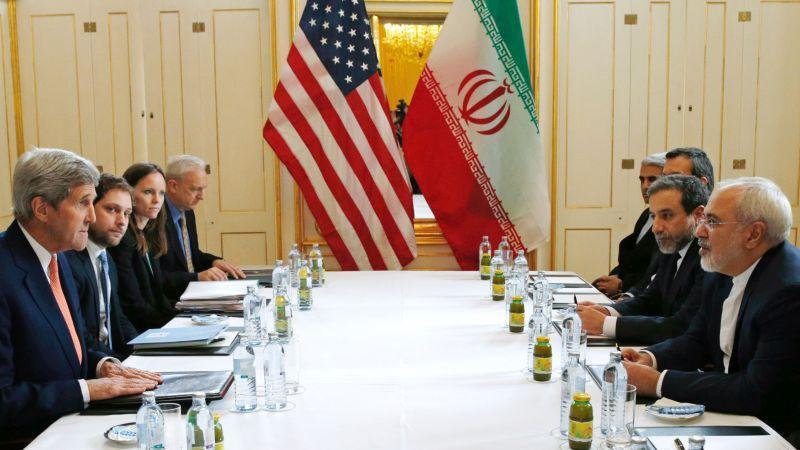
The US-Iran agreement marks a crucial development in the ongoing pursuit of peace in West Asia, with the potential to reshape the geopolitical landscape. Prime Minister Narendra Modi has openly welcomed this understanding, viewing it as a significant step towards ending long-standing conflicts in the region. By facilitating discussions aimed at addressing outstanding issues, this agreement aims to foster stability and ensure freedom of navigation—a vital component of international commerce. The implications for Indian foreign policy are profound, as a stable West Asia can enhance India’s strategic interests and strengthen regional ties. As leaders gather to negotiate the finer details, hopes are high that this endeavor will lead to lasting peace and cooperation.
The recent understanding between the United States and Iran represents a pivotal shift in diplomatic relations, potentially heralding a new era of collaboration in West Asia. This agreement, if successfully implemented, could facilitate a reduction in hostilities and restore vital maritime routes, thereby ensuring the freedom of navigation for countless nations. Prime Minister Modi’s endorsement underscores India’s commitment to promoting stability in the region and highlights the broader implications for Indian foreign policy. As discussions unfold, it invites optimism about crafting a comprehensive solution to ongoing tensions. Overall, this newfound diplomatic rapprochement offers a promising avenue for addressing core issues impacting peace in the broader West Asia region.
US-Iran Agreement: A Step Towards Peace in West Asia
The recent agreement between the US and Iran marks a significant milestone aimed at reducing tensions in West Asia. This understanding has been welcomed by global leaders, including Indian Prime Minister Narendra Modi, who emphasizes its potential to restore peace and stability in a region long riddled with conflict. The successful implementation of this agreement could pave the way for improved relations among nations in West Asia, fostering an environment conducive to diplomacy and cooperation. Moreover, it is crucial for maintaining the freedom of navigation, a key concern for international trade and commerce that traverses these waters.
In his statement, Modi expressed optimism that this agreement could serve as a foundation for sustainable negotiations on remaining issues, ultimately fostering a climate of security and economic growth. Such developments align closely with India’s foreign policy strategy, which prioritizes stability in West Asia as integral to its national interests. A stable West Asia not only benefits India economically but also enhances security through a collaborative approach to regional challenges, demonstrating how interconnected global diplomacy can lead to fruitful outcomes.
The Impact of Indian Foreign Policy on West Asia Conflict
India’s foreign policy has evolved significantly in the context of the West Asia conflict, particularly with its proactive engagement in diplomatic dialogues aimed at peacebuilding. As tensions have historically affected not only regional stability but also trade routes vital to India, the Modi government’s approach emphasizes balancing relationships with key players in the region, including Iran and the US. This diplomatic engagement reflects India’s broader strategy of fostering robust ties while advocating for resolutions that ensure the freedom of navigation and economic security, which are paramount for Indian interests.
Additionally, Modi’s welcoming remarks regarding the US-Iran agreement highlight India’s role as a potential mediator in West Asia’s complex geopolitical landscape. By positioning itself as a nation that promotes peaceful resolutions, India can not only contribute to the region’s stability but also leverage its relationships to enhance its standing as a significant actor in global affairs. The aim is clear: to create a West Asia where peace is the norm rather than the exception, which in turn benefits India by securing vital energy supplies and fostering economic partnerships that are essential for its growth trajectory.
Navigating Challenges: Freedom of Navigation in West Asia
Freedom of navigation in West Asia remains a critical concern amidst ongoing conflicts and geopolitical tensions. This strategic waterway is essential for global trade, including vital supply routes for energy resources that power economies, such as India’s. The Modi government underscores the importance of international cooperation to ensure that these maritime pathways remain open and secure. The US-Iran agreement could significantly bolster efforts toward this end, as reduced tensions would likely lead to increased shipping safety and stability in the region, directly benefiting nations reliant on these routes.
Furthermore, ensuring freedom of navigation aligns with India’s commitment to fostering a rules-based order in international waters. By supporting frameworks that prioritize peace and stability, India aims to position itself as a responsible stakeholder in the region, actively contributing to collaborative efforts. Modi’s recognition of the US-Iran understanding as a positive development reflects a nuanced understanding of how enhancing security in West Asia can yield broader economic benefits, showcasing India’s proactive stance on global maritime affairs and enhancing its diplomatic leverage.
The Role of Narendra Modi in West Asia Diplomacy
Prime Minister Narendra Modi’s approach to diplomacy in West Asia has been characterized by a strategic blend of engagement and dialogue. His recent endorsement of the US-Iran agreement signifies India’s commitment to playing an influential role in easing regional tensions. By fostering diplomatic relations with both the US and Iran, Modi aims to position India as a key player in peace negotiations, addressing challenges that have long plagued the region. This strategy not only reinforces India’s interests but also elevates its status as a responsible leader on the international stage.
Modi’s foreign policy initiatives focus on establishing India as a bridge in West Asia, particularly in addressing conflicts that affect freedom of navigation and commerce. Through active participation in multilateral forums and bilateral discussions, Modi has sought to enhance India’s influence across West Asia. His leadership signals a transformative era for Indian diplomacy, where economic partnerships and strategic alliances are pursued hand-in-hand with peace and security objectives, ultimately striving for a harmonious and prosperous West Asia.
Prospects for Economic Stability Post-US-Iran Agreement
The economic prospects for West Asia following the US-Iran agreement appear promising, with expectations of a revitalized market landscape and improved foreign investments. Economic stability in this region is imperative not only for the countries involved but also for players like India, which depend heavily on oil and energy supplies from West Asia. As geopolitical tensions ease, the possibility of renewed investment and trade partnerships becomes more feasible, providing a significant boost to economic growth opportunities across the board.
Furthermore, Modi’s emphasis on peace and stability aligns with India’s economic interests, aiming to secure favorable terms for trade and investment in the region. By leveraging diplomatic channels opened by the US-Iran understanding, India can explore collaborations that enhance its economic presence in West Asia. This mutual benefit approach connects the dots between political peace and economic prosperity, underscoring the importance of sustaining a diplomatic dialogue that fosters growth across various sectors.
Building a Cooperative Security Framework in West Asia
The establishment of a cooperative security framework in West Asia is essential for long-term peace and stability in the region. As prime minister, Narendra Modi advocates for collaborative efforts among nations to address the persistent conflicts that have historically undermined security and economic cooperation. The recent US-Iran agreement represents a critical step toward facilitating dialogue and cooperation, helping to form a basis for shared security measures that address the concerns of all regional stakeholders.
Such a framework would not only focus on military cooperation but also on economic collaboration, thereby fostering development initiatives that can uplift the societal structures in conflict-affected areas. Modi’s vision for a secure West Asia aligns with India’s foreign policy, which seeks to contribute positively to the region by promoting peace initiatives that resonate with the underlying need for comprehensive solutions. By encouraging partnerships and mutual commitments, the prospect of a balanced and secure West Asia becomes increasingly achievable.
The Influence of Regional Conflicts on Indian Foreign Policy
Regional conflicts in West Asia have a profound impact on Indian foreign policy, prompting the need for a delicate balancing act. India, with historical ties to countries like Iran, must navigate the complexities of alliances and enmities that define the geopolitical landscape. Modi’s administration keenly recognizes that stability in West Asia is vital for India’s energy security and economic interests, particularly as India relies heavily on oil imports from this region. These factors underscore the importance of a nuanced foreign policy that fosters dialogue while safeguarding national interests.
As India continues to engage with various stakeholders in the region, it aims to position itself as a mediator that facilitates peace negotiations. This proactive stance reflects Modi’s vision of strengthening India’s global presence while addressing the challenges posed by long-standing conflicts. By actively participating in discussions aimed at reducing tensions, India seeks to contribute to a more stable West Asia, ultimately benefiting its strategic and economic objectives further.
Strengthening Bilateral Ties Through Diplomacy
Bilateral relationships in West Asia are crucial for advancing India’s foreign policy goals, especially as Prime Minister Modi emphasizes the importance of diplomacy in fostering strong ties with regional powers. The willingness of the US and Iran to engage in dialogue is a positive signal that sets the tone for enhanced cooperation among other countries, including India. Strengthening these bilateral ties can facilitate economic partnerships, security alliances, and collaborative efforts aimed at addressing regional challenges.
Through focused diplomacy, India can enhance its role in West Asia, leveraging its relationships to promote trade and stability. Modi’s leadership represents a commitment to building bridges rather than walls, where collaborative discussions can lead to mutual understanding and development. As the West Asia landscape shifts with the US-Iran agreement, the opportunity for India to expand its influence through robust diplomatic channels becomes increasingly significant, allowing the nation to effectively navigate the shifting dynamics of regional geopolitics.
Implications of Geopolitical Changes in West Asia
The geopolitical changes resulting from the US-Iran agreement have far-reaching implications for West Asia and beyond. As diplomatic ties strengthen, reducing hostilities can lead to a more stable environment, which is crucial for fostering economic growth and cooperation in the region. For India, understanding these shifts is vital for formulating responses that align with its national interests, particularly in securing energy supplies and enhancing trade routes across West Asia.
Increased stability may also create opportunities for India to expand its influence and deepen partnerships with other nations in the region. As Modi’s government continues to advocate for peace and negotiations, it showcases a commitment to a multipolar world where nations can collaborate towards common goals. Leveraging the evolving geopolitical landscape, India can work toward establishing a framework for cooperation that prioritizes regional security and promotes economic integration, ultimately contributing to a harmonious West Asia.
Frequently Asked Questions
What is the significance of the US-Iran agreement for peace in West Asia?
The US-Iran agreement plays a crucial role in promoting peace in West Asia by addressing underlying tensions and fostering dialogue. Prime Minister Narendra Modi has expressed optimism that this understanding will lead to enhanced stability in the region, ultimately benefiting the freedom of navigation and commerce essential for local and global economies.
| Key Points | Details |
|---|---|
| US-Iran Agreement | The understanding is aimed at ending the conflict in West Asia. |
| PM Narendra Modi’s Response | He expressed hope for peace and stability in the region. |
| Freedom of Navigation and Commerce | Modi emphasized the importance of maintaining freedom of navigation and commerce as part of the agreement. |
| Future Discussions | Modi looks forward to discussions that will address remaining issues to achieve a final agreement. |
Summary
The US-Iran agreement marks a significant step towards ending the long-standing conflict in West Asia. Prime Minister Narendra Modi welcomed this understanding, highlighting its potential to restore peace and stability in the region. He emphasized the importance of freedom of navigation and commerce, which are crucial for economic stability. Modi also expressed optimism about further discussions to resolve outstanding issues that would lead to a comprehensive and sustainable agreement.