

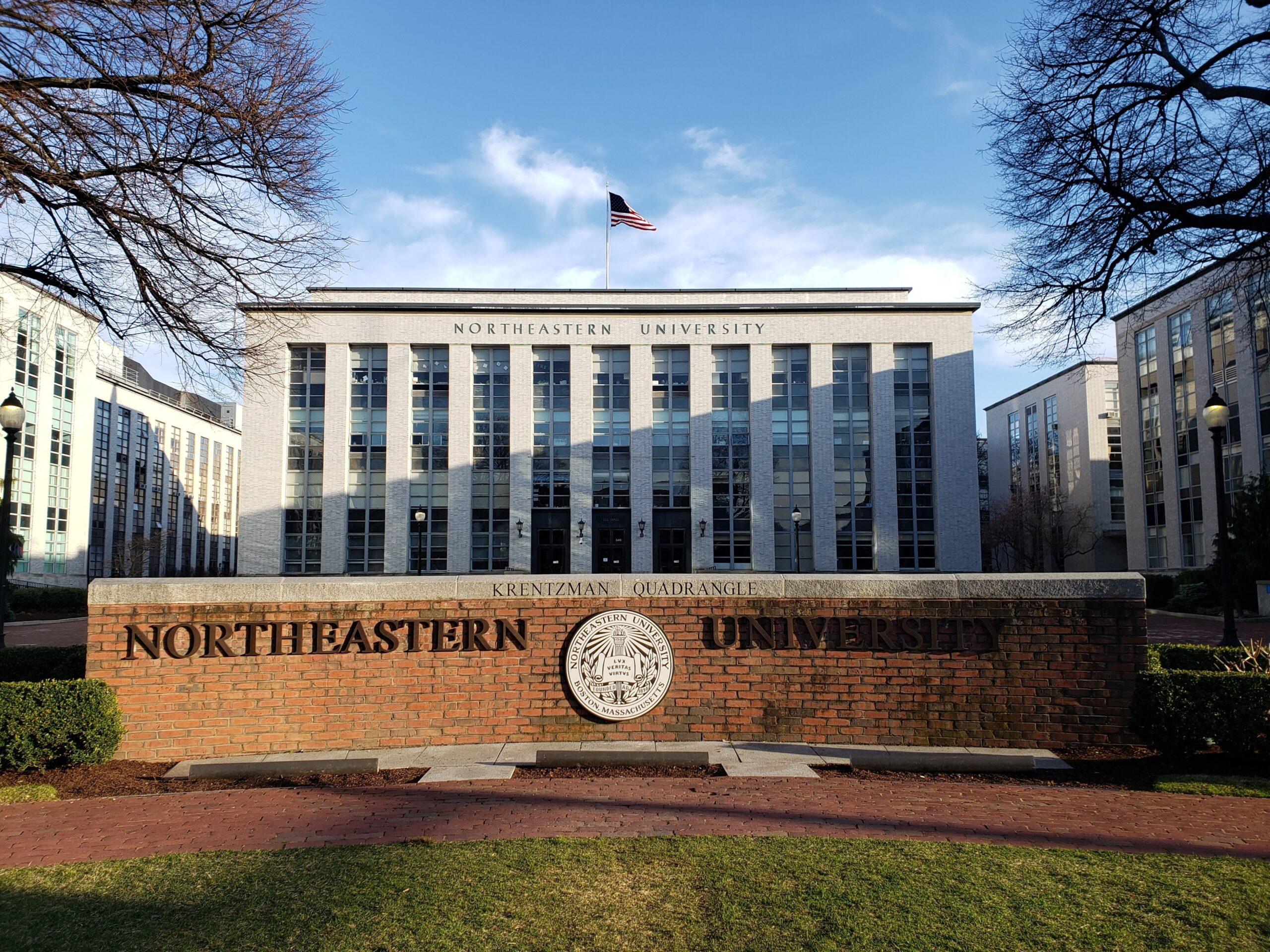
F-1 visa interview questions often play a critical role in the student visa application process, impacting the outcome of many aspiring international students. One common experience among applicants is facing unconventional inquiries that gauge their knowledge and preparation for living in the U.S. Events in cities like Boston, where institutions such as Northeastern University are located, highlight how crucial it is to have thoughtful responses ready for questions about local life. Many visa candidates have found themselves turned away due to insufficient answers about their plans or interests in the area, with F-1 visa denial rates on the rise in certain regions, particularly India. So, aspiring students must equip themselves with effective visa interview tips to navigate these challenging discussions successfully and present themselves as informed candidates.
The assessment that one goes through during the visa interview process for an F-1 visa is pivotal for international students aiming to study in the United States. This process can involve a variety of probing inquiries that explore a candidate’s familiarity with their chosen city, their proposed lifestyle as students, and their overall preparedness for the academic journey ahead. Students attending colleges in Boston, including reputable ones like Northeastern University, need to be particularly aware of the cultural and social dynamics of the city. This includes understanding essential aspects of Boston student life and demonstrating a clear plan for how they intend to engage with their new environment. By anticipating such questions and preparing adequate responses, students greatly enhance their chances of approval.
Understanding F-1 Visa Interview Questions
Navigating the F-1 visa interview can be daunting, especially when applicants face unexpected questions that gauge their understanding of life in the United States. One notable question that a candidate faced was, “What would you do on a Saturday night in Boston?” This type of inquiry is not merely about personal preferences; it directly assesses whether the candidate has a genuine interest in their host city. Visa officers look for answers that demonstrate preparation and research about the local culture, which not only reflects an excellent student mindset but also a readiness to transition into life in an American university setting.
In recent years, visa interview questions have become more intricate, reflecting a tightening of policies surrounding student visa applications. Applicants need to display a connection to their chosen institutions, like Northeastern University, and articulate plans that align with a student’s lifestyle. For instance, discussing activities related to academic engagements, such as library visits or campus events, showcases an applicant’s commitment to their educational pursuits. This is crucial, as evident from the rising occurrences of F-1 visa denials, often resulting from insufficient responses that fail to capture the essence of being a dedicated student.
Tips for a Successful Visa Interview
Preparing for an F-1 visa interview requires a strategic approach, particularly with respect to common questions asked by visa officers. One tip is to anticipate lifestyle questions relating to your plans in Boston, as these can reveal insights into your preparedness for the student’s life. Familiarizing yourself with local attractions, cultural institutions, and community activities can bolster your confidence during the interview. It’s vital to convey enthusiasm about not only your studies at Northeastern University but also about how you plan to integrate into Boston’s vibrant student life.
Another effective strategy is to practice common visa interview tips such as speaking clearly, providing thoughtful answers, and showcasing a connection to your field of study. For example, if asked about weekend activities, you might discuss plans to engage with local student groups or participate in academic events. Such insights demonstrate proactive engagement with the academic community, reinforcing that you are genuinely serious about your educational journey. This level of preparation can positively influence the officer’s perception and potentially reduce the likelihood of F-1 visa denial.
The Impact of F-1 Visa Denials
The rise in F-1 visa denials, particularly from applicants in India, underscores the need for enhanced preparation and awareness surrounding the visa application process. Factors such as vague responses or inadequate knowledge about the university and city can lead to unfavorable outcomes. Understanding why applicants face such challenges is critical for those seeking to study in the United States. Former diplomat Yvette Bansal emphasized that even seemingly casual questions, like those regarding weekend plans in Boston, can significantly impact a visa decision.
This spike in rejections has prompted many potential applicants to reconsider their approach. Comprehensive preparation that includes researching Northeastern University’s academic programs and being well-acquainted with Boston’s student life can make a substantial difference. By aligning responses to highlight both educational goals and local cultural engagement, candidates can present themselves as well-rounded individuals who are ready to embrace their new environment. Thus, refining one’s answers to reflect a deep understanding of both academic and extracurricular activities can enhance application success rates.
Exploring Boston as a Student
Boston, celebrated for its rich history and educational resources, serves as an ideal backdrop for international students pursuing their studies. F-1 visa holders who choose institutions like Northeastern University will find themselves immersed in a city that boasts a plethora of student-centric activities and community events. From art exhibitions to academic seminars, Boston’s environment promotes both learning and personal growth, making it essential for applicants to familiarize themselves with what the city has to offer.
Understanding the myriad options available to students is vital for F-1 visa applicants who need to convincingly answer questions regarding their plans in Boston. Engaging in local community service or attending sporting events can provide applicants with compelling experiences to share during their visa interviews. Students who articulate a well-rounded vision of their life in Boston that balances academics with leisure and community involvement are more likely to impress visa officers, further increasing their chances of a successful application.
Cultural Adaptation in the U.S. as an F-1 Student
Adjusting to a new culture is an integral part of being an F-1 visa holder in the United States. Understanding the social norms and academic expectations of an American university can significantly impact a student’s success. International students at Northeastern University often encounter diverse perspectives and practices, making it crucial for them to embrace this change positively. Familiarizing oneself with Boston’s local customs, such as participating in regional festivals or local gatherings, can facilitate a smoother transition.
The cultural adaptation process involves not only understanding the traditions and norms of the U.S. but also actively engaging with peers. F-1 students should seek opportunities to interact with both local and international students, fostering a sense of belonging while enhancing their local knowledge. During the visa interview, demonstrating an understanding of cultural dynamics and commitment to integrating into American life can reflect a student’s readiness to thrive academically and socially.
Preparing for the Unexpected in Visa Interviews
Visa interviews can be unpredictable, and applicants should be prepared for unexpected questions that test their readiness for life as an international student. Questions that delve into personal plans, such as what one would do on weekends, are designed to assess a candidate’s familiarity with their chosen city and school. Such inquiries can catch some applicants off-guard, leading to vague or unsatisfactory answers. Building a strong foundation of knowledge about Boston and the local student community can help applicants respond confidently.
Moreover, practicing how to articulate responses to potential scenarios can put applicants in a favorable light. Envisioning a typical day as a student at Northeastern University, including aspects such as study routines and social engagements, helps frame a coherent and engaging reply. An informed and enthusiastic discussion about planned activities not only showcases preparedness but also indicates that the applicant is genuinely interested in embracing the student experience, which can significantly influence the outcome of their F-1 visa interview.
Common Mistakes to Avoid in F-1 Visa Interviews
Many F-1 visa applicants make common mistakes that can endanger their chances of obtaining a visa. One frequent error is insufficient research about life in the host city and the educational institution. Candidates often overlook the importance of articulating their knowledge about the university, like Northeastern’s program specifics or Boston’s cultural elements. This lack of preparation can lead to vague responses during interviews, which visa officers might interpret as a lack of commitment or awareness.
Another misstep is failing to showcase a well-rounded persona. Candidates focus solely on academic achievements but neglect to discuss how they plan to engage in social and community activities. Visa officers seek assurance that an applicant will thrive in the student community and positively contribute to it. Responding to lifestyle questions with a broad selection of plans showcases the applicant as an all-encompassing individual who values education both academically and socially. This comprehensive narrative can serve as a significant advantage in securing an F-1 visa.
The Role of Educational Institutions in Visa Success
Educational institutions play a pivotal role in shaping the perceptions of F-1 visa applicants. Universities like Northeastern University provide tools and resources that assist international students in navigating the visa application process effectively. They offer pre-departure orientations, guidelines on expected interview questions, and insights into American academic culture. Such support not only enhances the applicant’s preparedness for the visa interview but also reassures visa officers that students are well-supported throughout their transition.
Furthermore, institutions often provide a wealth of information about the student life experience in cities like Boston. From campus clubs and extracurricular activities to community service opportunities, these elements can enrich an applicant’s understanding of life in America. When applicants articulate how they plan to engage with their university and surroundings, it demonstrates a commitment to fully immersing themselves in both academic and social life. Such detailed knowledge can be a decisive factor in the success of their F-1 visa application.
Post-Interview Strategies for F-1 Visa Applicants
After the F-1 visa interview, it’s essential for applicants to reflect on their performance and identify areas of improvement for future interviews. A proactive approach involves noting any surprising or challenging questions encountered. This reflection can inform subsequent interviews, allowing students to prepare better for the unexpected. Additionally, applicants should remain optimistic and open to feedback, understanding that the process is a learning experience.
Staying connected with peers and other applicants through forums or social media can provide valuable insights and tips on how to navigate the visa process. Sharing experiences can lead to shared strategies that improve the interview approach. Engaging with fellow applicants helps to demystify the process and builds a community of support among those pursuing their F-1 visa goals. Keeping abreast of trends, such as increasing rates of visa denials, further motivates applicants to refine their strategies and enhance their chances of success.
Frequently Asked Questions
What kind of F-1 visa interview questions should I be prepared for when applying to Northeastern University in Boston?
When preparing for your F-1 visa interview, especially for universities like Northeastern University in Boston, expect questions that assess your intentions for studying in the U.S. Common F-1 visa interview questions include inquiries about your study plans, familiarity with Boston student life, and your future aspirations. Additionally, informal questions about what you would do in Boston can be used to gauge your knowledge of the city, highlighting the importance of conducting thorough research on your surroundings. To avoid an F-1 visa denial, ensure you convey that you are a committed student prepared to take full advantage of the educational opportunities available.
| Key Point | Details |
|---|---|
| Unexpected Questions | A candidate was asked about weekend plans in Boston, leading to a visa denial. |
| Increase in Rejections | There has been a notable rise in student visa rejections in India. |
| Importance of Preparation | Visa applicants must prepare for informal questions about their chosen study locations. |
| Advice from Former Diplomat | Yvette Bansal mentioned that students should show familiarity with the city they’re going to. |
| Example Response | The candidate suggested visiting the library and exploring campus as typical student activities. |
Summary
F-1 visa interview questions are critical as they can determine the success or failure of a student’s visa application. This case highlights how seemingly simple informal questions can dramatically impact an applicant’s future. Students need to be well-prepared to answer questions about their study plans and the cities they will be living in, such as Boston. The insights from former diplomat Yvette Bansal stress the necessity of understanding the local area, showcasing not just academic intent but a genuine interest in the community. Being aware of the environment can not only bolster an application but also indicate thorough research and readiness for the responsibilities of being an international student.



























