

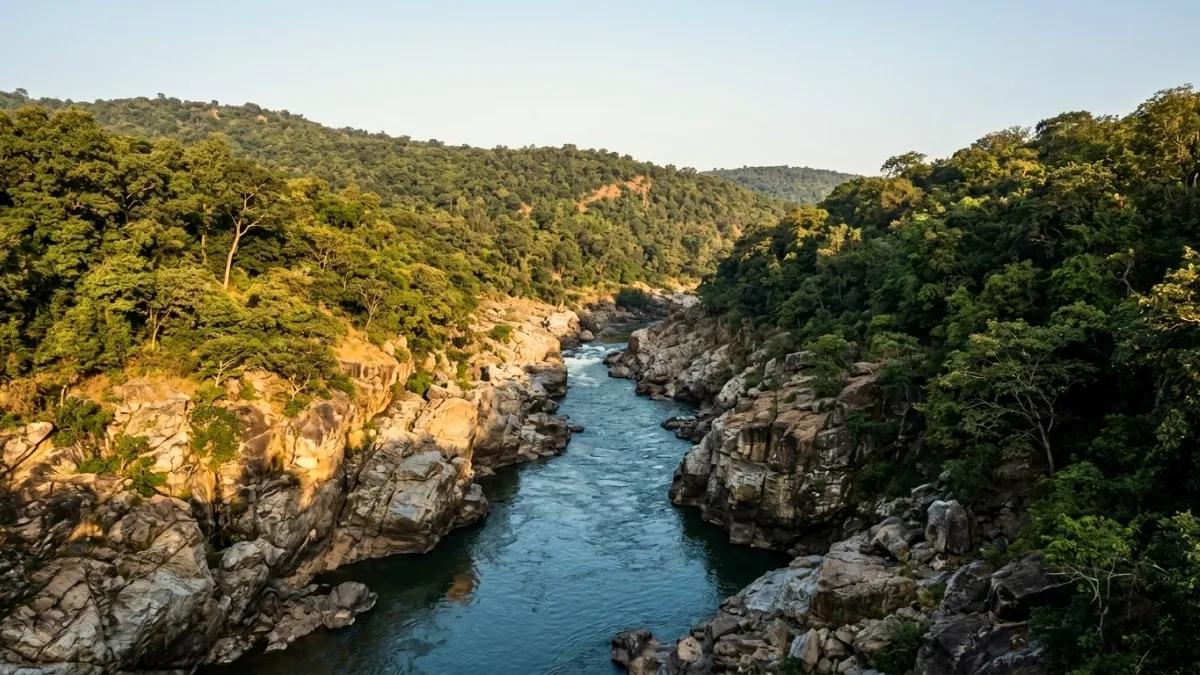
The Mekedatu dam project, a pivotal infrastructure initiative in Karnataka, aims to harness the waters of the Cauvery River for irrigation and power generation. Recently, Karnataka Chief Minister DK Shivakumar expressed openness to engage in constructive dialogue about the project with the government of Tamil Nadu. This comes amidst ongoing discussions related to Cauvery River dam news, underscoring the importance of collaborative approaches to water management between the two states. The Karnataka Mekedatu project not only has significant implications for regional agriculture and energy production but also plays a crucial role in the political landscape, particularly with the upcoming Legislative Council elections in Karnataka. As stakeholders reflect on DK Shivakumar’s statements, the future of the Mekedatu dam project hangs in the balance, poised between ambition and inter-state negotiations.
The proposed Mekedatu dam represents a transformative project that seeks to tap the potential of the Cauvery River, a vital water source for both Karnataka and Tamil Nadu. As the two states navigate their differing perspectives, the significance of this water management effort becomes ever clearer. Alternative dialogues emphasize the need for joint solutions that can satisfy agricultural, energy, and ecological goals while mitigating regional tensions. The discussions surrounding the Mekedatu project reflect broader issues of river resource allocation and cross-border cooperation that are critical for sustainable development. Such initiatives not only shape policy but also influence electoral dynamics, especially in the context of Karnataka’s Legislative Council elections.
The Importance of the Mekedatu Dam Project in Karnataka
The Mekedatu dam project holds significant importance for the state of Karnataka as it aims to harness the waters of the Cauvery River for both hydroelectric power generation and the irrigation needs of the region. By constructing this dam, Karnataka aims to secure its water resources against the backdrop of the growing demands for water from both domestic and agricultural sectors. The completion of this project could lead to substantial benefits, including improved agricultural productivity and increased energy supply, which are crucial for the economic development of the state.
Moreover, the Mekedatu dam project stands as a potential solution to long-standing water disputes between Karnataka and Tamil Nadu. It seeks to address the pressing issue of water management in the Cauvery basin, which has historically been a contentious topic between the two states. As Karnataka’s Chief Minister DK Shivakumar has expressed a willingness to engage in discussions regarding this project with Tamil Nadu, it signifies a proactive approach to resolving conflicts and fostering cooperative use of shared water resources.
DK Shivakumar’s Statements on Mekedatu and Legislative Discussions
In his recent statements, Karnataka Chief Minister DK Shivakumar emphasized the need for constructive dialogue surrounding the Mekedatu dam project. He has expressed hope that discussions with Tamil Nadu officials will lead to a mutual understanding and support for the project’s goals. This cooperative approach may serve to alleviate tensions and build bridges between the neighboring states that rely heavily on the Cauvery River for their water supply. KD Shivakumar’s commitment to engaging in dialogue illustrates the government’s determination to navigate the complexities of inter-state negotiations.
Additionally, as the Karnataka Legislative Council elections approach, the topic of the Mekedatu dam project is likely to gain traction in political discourse. Candidates may prioritize local interests, including water resource management, making the project a pivotal point of discussion. With the political climate shaping conversations around infrastructure efforts and environmental impact, DK Shivakumar’s perspectives will undoubtedly influence both voter sentiment and legislative outcomes, shaping the future of water legislation in the region.
Recent Developments in Cauvery River Dam News
Recent updates in the Cauvery River dam news indicate that the Mekedatu project is at the forefront of public and political attention. Stakeholders from Karnataka are keenly watching the developments as they participate in state discussions about the river’s management. The intense scrutiny on this project reflects the growing concern over water scarcity and the need for effective solutions to optimize the utilization of the Cauvery waters. Notably, the project is not only significant for Karnataka but also has implications for broader ecological impacts and environmental stewardship.
Furthermore, as part of these developments, DK Shivakumar has reiterated the need for transparency and inclusive dialogue with Tamil Nadu, aiming to establish a collaborative framework for addressing the nuances of water-sharing agreements. Media coverage surrounding the ongoing negotiations has kept the public informed, highlighting the complexities of transboundary water governance. The outcome of these discussions could set critical precedents for future water management policies, emphasizing the necessity for both accountability and sustainability in the utilization of shared river resources.
Karnataka’s Water Resource Management Initiatives
Karnataka’s government has been actively working towards improving its water resource management strategies. The Mekedatu dam project is a key initiative aimed at enhancing the state’s water security while also addressing irrigation challenges faced by the agricultural sector. The project exemplifies a bold approach to tackling water scarcity through infrastructural development, harnessing the natural flow of the Cauvery River to benefit the local economy. Moreover, building the dam is anticipated to create job opportunities, boost local businesses, and potentially spur regional development.
In addition to its agricultural benefits, effective water resource management initiatives, such as the Mekedatu project, require careful consideration of environmental impacts. The Karnataka government is aware of the ecological sensitivities tied to riverine systems and is thus committed to following sustainable practices. This balance between economic growth and environmental sustainability is crucial for ensuring lasting benefits for future generations. As Karnataka continues to develop its water infrastructure, it will serve as a model for other states facing similar challenges in resource management.
Tamil Nadu and Karnataka Discussions on Water Management
The discussions between Tamil Nadu and Karnataka regarding the water management of the Cauvery River, particularly concerning the Mekedatu dam project, have been a focal point of inter-state relations. With both states relying heavily on the river for their respective water needs, collaboration and negotiations have become integral to managing these shared resources fairly. As tensions have historically marred relationships due to water disputes, DK Shivakumar’s recent openness to dialogue may signal a new era of cooperation that prioritizes conflict resolution and mutual benefits.
It is crucial for leaders from both states to move beyond political posturing and engage in sincere discussions that recognize each state’s needs and concerns. By establishing a framework for ongoing communication, both Karnataka and Tamil Nadu can work towards sustainable water management solutions that help alleviate the pressures on the Cauvery River. The outcome of these discussions not only influences the Mekedatu project but also has broader implications for regional stability and prosperity, emphasizing the importance of diplomacy in resource-sharing agreements.
Impact of Legislative Council Elections on Water Projects
As the Karnataka Legislative Council elections approach, the implications of the Mekedatu dam project on political candidates and their campaigns cannot be understated. Water resource management is a critical issue that resonates with voters, especially those in agrarian communities who are directly affected by the availability of water. Candidates may leverage the discussions surrounding water projects, including the Mekedatu dam, to enhance their appeal to the electorate. By addressing water security and project development, they can position themselves as advocates for improving local infrastructure and agricultural sustainability.
The elections could also bring forth new voices that challenge or endorse existing water management policies in the state. How candidates address the balance between development and environmental concerns will likely play a significant role in shaping public opinion. DK Shivakumar’s insights as a prominent leader in this field are expected to influence the campaign narratives, potentially steering focus towards cooperative initiatives with Tamil Nadu that seek to establish lasting agreements on water distribution. As stakeholders prepare for the elections, the importance of integrating water management priorities into the political discourse remains paramount.
Cauvery River Management Challenges and Solutions
Managing the Cauvery River involves a multitude of challenges, particularly due to varying interests and demands from both Karnataka and Tamil Nadu. The Mekedatu dam project emerges as a potential solution to several of these challenges, aiming to provide a steady water supply while generating hydroelectric power. However, the complexities surrounding water rights and historical grievances between the states necessitate careful navigation. To address these challenges, collaborative frameworks and discussions are critical, anchoring efforts towards an equitable approach that considers the needs of all stakeholders involved.
Additionally, sustainable management of the Cauvery River requires innovations and adaptations to address the impacts of climate change on water availability. The Mekedatu project represents a starting point for implementing such strategies, which could include wider conservation efforts, efficient irrigation practices, and community engagement initiatives. By prioritizing comprehensive water management policies that encompass not only infrastructure projects but also environmental health, both states can work toward ensuring the long-term viability of the river as a shared resource.
The Future of the Mekedatu Dam Project
Looking ahead, the future of the Mekedatu dam project hinges on a multifaceted approach that incorporates stakeholder engagement and conflict resolution strategies. As discussions between Karnataka and Tamil Nadu evolve, it is crucial that both parties work collaboratively to reach a consensus that acknowledges the ecological sensitivities and legacy of disputes. The successful realization of the Mekedatu dam project could pave the way for improved bilateral relations, transforming the Cauvery River from a source of contention into a collaborative resource that benefits both states.
Moreover, the project holds promise not only for addressing immediate water security needs but also for setting a benchmark for future infrastructure projects within the region. As Karnataka navigates its legislative initiatives following the elections, the successful implementation of the Mekedatu dam could become a case study in political and environmental stewardship. This requires a concerted effort from all stakeholders, including government officials, local communities, and environmental advocates, to ensure that the benefits of such projects are equitably shared while preserving the integrity of the river ecosystem.
Frequently Asked Questions
What is the status of the Mekedatu dam project and recent discussions between Karnataka and Tamil Nadu?
The Mekedatu dam project, proposed by Karnataka on the Cauvery River, has been a topic of contention between Karnataka and Tamil Nadu. Recently, Karnataka Chief Minister DK Shivakumar expressed readiness to engage in discussions with Tamil Nadu regarding this project, highlighting a willingness to address concerns raised by Tamil Nadu about water allocation and environmental impacts. These discussions have emerged in light of the ongoing legislative council elections in Karnataka and aim to foster better communication and potentially reach a consensus.
| Key Points | Details |
|---|---|
| Karnataka Chief Minister | DK Shivakumar is the Chief Minister of Karnataka and a Congress leader. |
| Mekedatu Dam Project | The proposed dam is located on the Cauvery River and is a topic of discussion between Karnataka and Tamil Nadu. |
| Discussion Willingness | Shivakumar has expressed interest in discussing the project with Tamil Nadu. |
| Recent Context | This interaction follows his involvement in the Karnataka Legislative Council elections. |
Summary
The Mekedatu dam project is a significant initiative that plans to harness the potential of the Cauvery River for Karnataka. Chief Minister DK Shivakumar is keen on initiating discussions regarding this project with the state of Tamil Nadu, emphasizing cooperation and mutual understanding in addressing water resource management. This project aims to benefit both states, though it is highlighted against the backdrop of ongoing political dynamics, especially related to the recent biennial elections for the Karnataka Legislative Council. By focusing on the Mekedatu dam project, Shivakumar seeks to navigate the complexities of regional water disputes while advocating for developmental progress in Karnataka.



























