

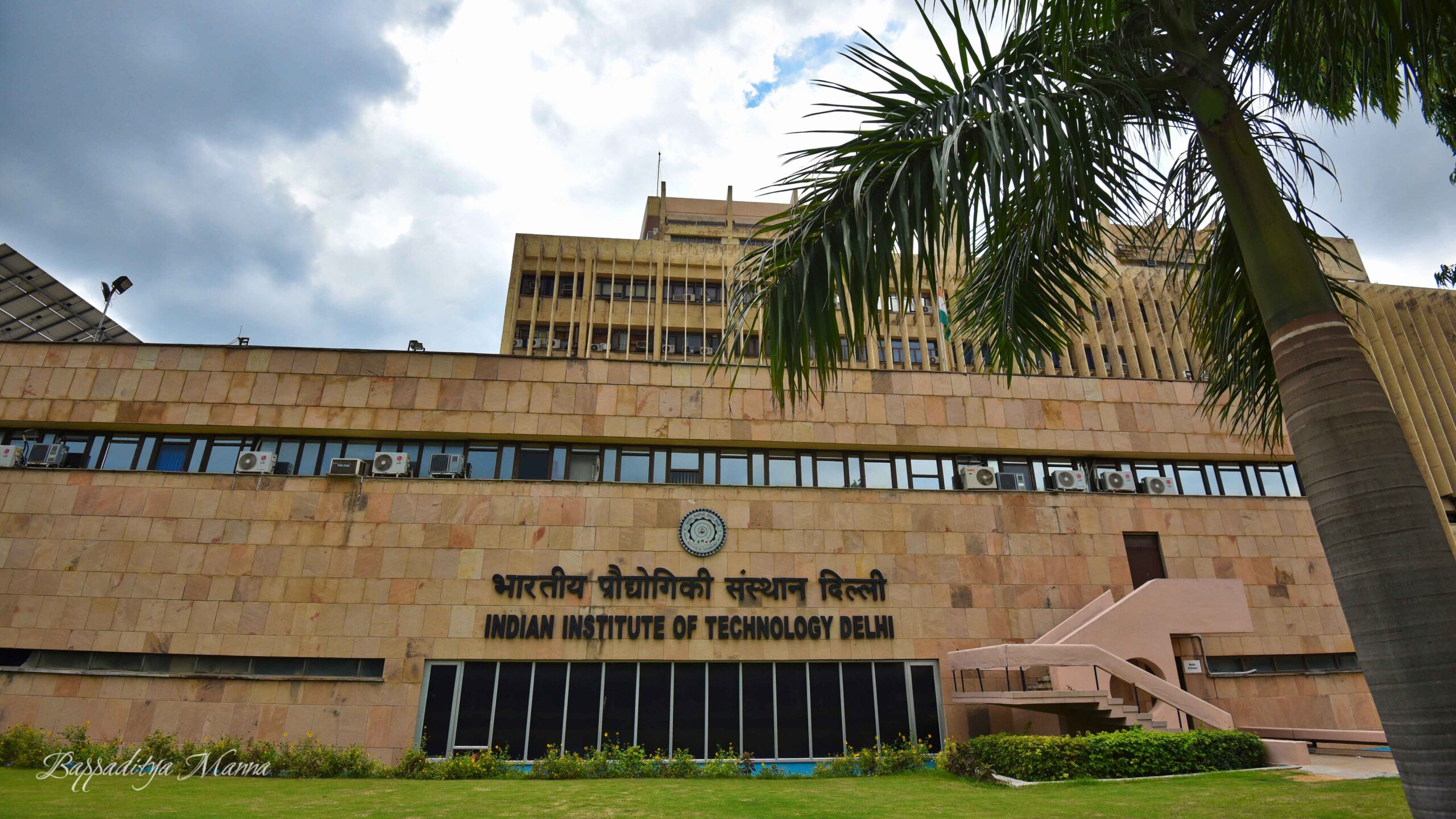
The QS World University Rankings provides a comprehensive overview of higher education institutions globally, and India’s impressive ascent in these rankings reflects a significant transformation in its educational landscape. With recent improvements, 52 universities from India have secured their spots, showcasing a remarkable diversification beyond the traditional powerhouses like IIT Delhi. This shift marks a pivotal moment in the India university ranking scene, as it highlights emerging institutions that are gaining recognition amid educational reforms in India. Notably, 18 universities achieved their highest rankings ever—13 of which are non-IITs—underscoring the growing competitiveness of the best universities in India. This trend not only emphasizes the quality and innovation present in the country’s academic institutions but also points to a broader reformative wave influencing higher education rankings across the globe.
In recent years, the competitive landscape of global higher education has seen a significant shift, particularly evident in the latest QS World University Rankings. India’s status as a powerhouse in academia is being reshaped, moving beyond its iconic IITs to embrace a more inclusive range of universities that excel in various disciplines. With 52 institutions now making their mark, the concept of university rankings in India is evolving, reflecting a commitment to fostering educational reforms that enhance academic standards. This growing diversity in higher education institutions not only boosts national pride but also positions India among the leading nations in the pursuit of top-tier educational excellence. As we delve deeper into these developments, it’s crucial to understand how these advancements impact the future of education and research in the region.
The Rise of India in QS World University Rankings
In recent years, India has made significant strides in the QS World University Rankings, marking a monumental shift from the overwhelming dominance of its prestigious Indian Institutes of Technology (IITs). This year, the rankings have revealed that 52 institutions from India find themselves on the list, a remarkable achievement that showcases the growing academic prowess of universities across the nation. Notably, many of these institutions are non-IIT universities, indicating a broader educational reform trend not previously witnessed. This upsurge represents a vital shift in higher education in India, as private and state universities are beginning to establish themselves as serious contenders in the global academic arena.
The inclusion of so many Indian universities signifies not only the improvement in their academic quality but also reflects the positive impact of educational reforms initiated in recent years. Institutions that were once overshadowed by the IITs are now gaining recognition, with 18 universities achieving record rankings this year alone. This trend demonstrates that students have access to a variety of high-quality educational options, enhancing the overall competitive landscape among educational institutions within India. As a result, India is laying a strong foundation to compete on a global scale, aiming to attract international students and enhance its reputation as a top-tier educational hub.
The Impact of Educational Reforms on Indian Higher Education
Educational reforms in India have played a pivotal role in transforming the landscape of higher education, allowing institutions to pursue excellence more systematically. Reforms aimed at improving quality, accessibility, and governance structures have empowered a wider array of universities to enhance their curricula and adopt best practices, which in turn, have led to their improved rankings in the QS World University Rankings. These reforms have encouraged institutions to focus on research and innovation, thereby fostering an environment conducive to academic growth and development. The focus is not just on traditional metrics, but also on student satisfaction, faculty quality, and internationalization, crucial factors included in higher education rankings.
Moreover, the introduction of initiatives like the National Institutional Ranking Framework (NIRF), which evaluates universities across various parameters, has motivated institutions to climb in the global rankings. The efforts to diversify funding sources, improve infrastructure, and enhance teaching methodologies are beginning to bear fruit, as evidenced by the increasing number of universities that have attained this milestone. As the landscape evolves, these educational reforms are expected to further catalyze the emergence of new educational models, ensuring that India’s universities can contend with the best globally.
The Role of IIT Delhi in Shaping India’s Academic Landscape
IIT Delhi has long been considered the flagship institution of higher education in India, inspiring countless students to pursue careers in science, technology, engineering, and mathematics (STEM). As one of the top-ranked institutions in the QS World University Rankings and the best university in India, it has set a high standard for academic excellence. The institution’s rigorous academic programs and innovative research projects have contributed to its global reputation. Additionally, IIT Delhi’s efforts in fostering partnerships with international universities have expanded its academic footprint, opening avenues for collaborative research and exchange programs.
Furthermore, the influence of IIT Delhi extends beyond its own campus as it serves as a model for other universities looking to improve their standings in higher education rankings. The success of IIT Delhi has catalyzed a broader push among Indian universities to adopt similar practices, such as enhancing research output, increasing industry collaboration, and focusing on student outcomes. Through its exemplary performance, IIT Delhi not only elevates its own status but also lifts the profile of the entire country’s education sector, inspiring aspirations across the board.
Diverse Institutions Rising in Global Rankings
The QS World University Rankings have highlighted the remarkable rise of diverse institutions within India, showcasing more than just the IITs. The inclusion of numerous state and private universities in this prestigious list reflects the diversity and potential of the Indian education system. Universities like the University of Delhi, Jawaharlal Nehru University, and others have made significant contributions to research and education, ensuring a more balanced representation of higher education in India. This trend demonstrates the increasing recognition of various educational pathways available to students, thus democratizing access to quality education.
The growth of these institutions signifies an important shift towards inclusivity in Indian higher education. With many universities focusing on research initiatives, interdisciplinary studies, and innovative teaching methods, they are eluding the traditional confines of education marked by specific elite institutions. This dynamic encourages healthy competition and motivates universities to continually improve their offerings to attract talented individuals from diverse backgrounds, preparing them to meet the challenges of the global workforce.
Competitive Edge through Global Collaboration
As the landscape of higher education evolves, Indian universities are increasingly recognizing the importance of global collaboration to enhance their capabilities and rankings. Many institutions are forming strategic partnerships with foreign universities, facilitating the exchange of knowledge, faculty, and students. These collaborations not only enable Indian universities to incorporate global best practices but also expose them to diverse educational methodologies, enriching the learning experience for students. Such initiatives are crucial for improving research outputs and stimulating innovative thinking among faculty and students alike.
Moreover, global collaboration allows Indian universities to expand their reach and establish their reputation in the international academic community. With joint research projects and academic exchanges, institutions can create a strong presence in international forums, leading to higher visibility and opportunities for further advancements. This strategic effort to build alliances is imperative, as it prepares students for a world that increasingly values cross-border collaboration and interdisciplinary knowledge, positioning Indian universities as key players on the global stage.
Emerging Trends in Indian Higher Education Institutions
The transformation of India’s higher education landscape is marked by emerging trends that pave the way for innovative educational practices. The emphasis on research, technology integration, and skill development has led institutions to adopt modern teaching methodologies that align with global standards. Many universities are investing in digital infrastructure to facilitate online learning, research collaboration, and access to international databases, elevating the quality of education. These trends foster a more engaging learning environment, preparing students to thrive in an increasingly interconnected world.
Furthermore, the focus on flexibility in academic programs and curricula allows institutions to cater to the diverse interests of students. Programs are increasingly designed to be interdisciplinary, combining traditional disciplines with new areas of study such as artificial intelligence, data science, and environmental studies. This ability to adapt and innovate is essential for staying relevant in a rapidly changing educational landscape. By embracing these trends, Indian universities are not only improving their rankings but also creating robust pipelines of skilled professionals ready to contribute to various sectors globally.
Student-Centric Approaches in University Rankings
A significant shift in Indian higher education has been the emphasis on student-centric approaches, which contribute meaningfully to how institutions are evaluated in the QS World University Rankings. Universities are transforming their learning environments to prioritize student engagement, satisfaction, and success. By focusing on holistic education, which includes mental health support, career services, and active learning methodologies, institutions are striving to create a more fulfilling and supportive space for their students. As a result, they are witnessing higher graduation rates and overall better academic performance.
Furthermore, the move towards student-centric education aligns well with the global trends recognized in higher education rankings. Institutions that actively seek feedback from their student bodies and implement changes based on those insights are more likely to see improvements in their evaluations. By investing in the overall well-being and success of students, universities not only enhance their reputations but also attract a diverse pool of applicants who seek enriching educational experiences. This upward trajectory is essential for the continued improvement of India’s academic landscape.
Internationalization of Indian Universities
The internationalization of Indian universities has become a critical focus as they aim to enhance their profiles in global educational rankings. Universities are now striving to attract international students, offering programs that meet global standards while embedding cultural diversity into their curricula. This strategy not only enriches the learning environment but also fosters cross-cultural collaborations that can lead to innovative research and development initiatives. A more diverse student body contributes to knowledge exchange and cultivates a global perspective among domestic students.
Moreover, international collaborations enable Indian universities to access broader resources, including cutting-edge research, investments, and advancements in educational technologies. Institutions are increasingly forming research partnerships with universities abroad, which can lead to joint publications and outreach initiatives that amplify their impact on the global stage. As these collaborations grow, the recognition of Indian universities on international platforms is likely to increase, enhancing their standing in global rankings and positioning them as leaders in addressing global challenges.
Future Directions for Higher Education in India
As India continues to rise in the QS World University Rankings, the future of higher education in the country seems promising. With a growing emphasis on quality assurance, research funding, and interdisciplinary studies, the trajectory of improvement looks set to continue. Policymakers and educational leaders are recognizing the need for ongoing reform to ensure that universities are not only competing globally but are also contributing to the development of India’s knowledge economy. Innovations in curriculum design and teaching methodologies will be key drivers in achieving this objective.
Additionally, the focus on fostering entrepreneurship among students stands to benefit the economy significantly. By creating ecosystems that support startups and innovation, universities are preparing graduates to meet the demands of a fast-changing job market. The integration of industry partnerships in academic programs is a promising trend, as it provides students with practical experience and enhances employability. As these trends evolve, India’s higher education sector is poised to make substantial contributions to both national and global conversations, influencing educational practices worldwide.
Frequently Asked Questions
How has IIT Delhi influenced the QS World University Rankings for India?
IIT Delhi has significantly impacted the QS World University Rankings, often being a frontrunner among the best universities in India. However, the latest rankings reveal that India’s academic landscape is evolving, with more institutions, including private and state universities, achieving recognition. This shift indicates a broader improvement in educational standards across the country, contributing to India ranking fifth globally in the number of institutions listed in the QS rankings.
| Key Aspect | Details |
|---|---|
| India’s QS World University Rankings Presence | India has 52 institutions ranked, making it the fifth-largest globally. |
| Diversity of Institutions | The rankings are now not just driven by IITs, with a mix of private and state universities gaining recognition. |
| Top Performers | Eighteen institutions reached their highest-ever rankings, including 13 non-IITs. |
| Overall Trends | The QS rankings signify a broad improvement in higher education quality across India. |
| Expert Insights | Manash Pratim Gohain reports on educational reforms, reflecting the changing landscape of Indian higher education. |
Summary
The QS World University Rankings highlight a significant transformation in India’s higher education landscape. With 52 universities now on the list, this year marks a crucial shift away from reliance on the prestigious IITs. Increasing recognition of diverse institutions, including private and state universities, emphasizes a broader commitment to academic excellence. Notably, 18 universities have achieved their best rankings yet, with 13 of these being non-IITs, showcasing the growing competitiveness of the Indian education sector. This evolution in the QS rankings signals not just institutional improvements but also a concerted effort towards enhancing the quality and accessibility of education throughout the country.



























