

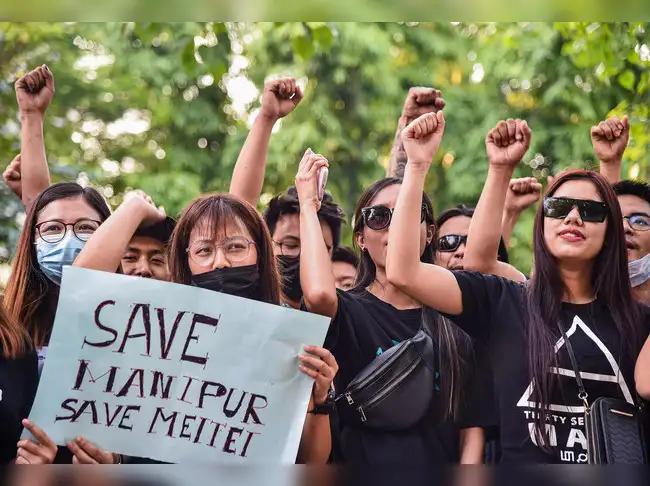
In the wake of escalating tensions and civil unrest, **Manipur security operations** have taken center stage, as authorities implement extensive measures to restore law and order in the state. Amid persistent protests, prompted by the tragic deaths of civilians and the controversial transfer of Kuki patients, security forces have intensified their presence across key districts, including Kangpokpi, Churachandpur, and Thoubal. With strict checkpoints and coordinated cordon-and-search initiatives now in place, these security measures in Manipur are designed to preempt further violence and ensure public safety. Recent incidents, including claims of civilian fatalities during police operations, have significantly heightened the scrutiny of operational tactics employed by security personnel. As the situation remains fluid, the gravity of maintaining peace amidst civil unrest continues to challenge the state’s security framework.
In recent weeks, the focus on security forces’ activities in the state has intensified following widespread demonstrations and unrest. The ongoing protests highlight the urgent need for effective law enforcement strategies amidst the backdrop of escalating violence and community tensions. Reports of civilian casualties, especially during security engagements, have raised critical concerns about accountability within the security apparatus. Meanwhile, the transfer of individuals from hospitals under pressure has sparked debates surrounding ethical management and community trust in these operations. As the authorities navigate this turbulent landscape, discussions surrounding the balance between security needs and civil liberties will likely dominate the discourse in Manipur.
Intensified Security Operations in Manipur Amid Rising Tensions
In light of increasing tensions in Manipur, security forces have ramped up operations throughout the region. The local law enforcement agencies have implemented strict security measures aimed at restoring order. These measures include the establishment of multiple checkpoints and conducting targeted cordon-and-search operations in areas identified as hotspots for unrest. The Director General of Police (DGP), Mukesh Singh, is actively overseeing these efforts, demonstrating a strong commitment to maintaining peace amid ongoing protests related to the Kuki community and allegations of civilian deaths.
These intensified operations are crucial for preventing further outbreaks of violence, especially following tragic incidents involving civilian casualties. The focus on area domination exercises and increased patrolling in districts like Kangpokpi and Churachandpur is intended to reassure communities and deter potential conflicts. Local residents have voiced their concerns regarding safety, and the presence of security personnel is a response to these anxieties, contributing to an atmosphere of vigilance and protection.
Impact of Civilian Protests on Security Measures in Manipur
Civilian protests in Manipur have significantly impacted law enforcement strategies and the overall security framework in the region. Recent demonstrations over the transfer of Kuki patients from a hospital have highlighted the community’s discontent and the government’s need to address public sentiment. The reactions from local citizens underscore the delicate balance that security forces must maintain when implementing their operations. The protests have compelled law enforcement agencies to adapt by enhancing security protocols and improving communication with community leaders to prevent further escalations.
Furthermore, the civil unrest stemming from perceived injustices following tragic civilian deaths has necessitated a more nuanced approach from security agencies in Manipur. Protesters demanding transparency and accountability in the handling of security operations have compelled officials to take into account the social ramifications of their actions. The call for thorough investigations and public inquiries is a key factor in shaping ongoing and future security policies in Manipur, reinforcing the necessity of community engagement in promoting lasting peace.
The Kuki Community and Its Role in Manipur’s Social Dynamics
The Kuki community plays a pivotal role in the social and political dynamics of Manipur, particularly during periods of unrest. Their identity and rights have frequently intersected with the broader issues of governance and resource allocation within the state. Tensions between the Kuki and other communities have occasionally erupted into violence, often fueled by misunderstandings and a lack of adequate dialogue between stakeholders. Recent events, including protests over patient transfers and alleged civilian killings, have highlighted the vulnerabilities and frustrations within the Kuki population.
The government’s response to the protests, including the actions of the security forces, reflects the complex relationship between the Kuki community and state authorities. As the protests unfolded, there was a clear demand for representation and a voice in the discussions impacting their lives. Understanding the historical context of the Kuki community’s struggles and their current plight is crucial for fostering reconciliation and ensuring that their rights are respected in the broader narrative of peace and development in Manipur.
Law and Order in Manipur: A Continuing Challenge
Maintaining law and order in Manipur has continuously posed challenges for state authorities amid long-standing ethnic tensions and community clashes. The latest security operations reflect an ongoing effort to combat these issues, particularly in light of recent incidents leading to civilian deaths. The operational strategies employed by security forces encompass not just direct action against suspected extremists, but also preventive measures designed to mitigate the risk of violent outbreaks. These operations are critical in restoring public confidence in law enforcement.
Despite these measures, criticisms from local leaders and citizens highlight an urgent need for reform in how law enforcement engages with the community. Allegations of misconduct and failure to ensure accountability during operations have led to calls for transparency and independent oversight. The balance between proactive security measures and respecting civil liberties remains a contentious topic, and finding sustainable solutions will be crucial for establishing long-term peace in Manipur.
Civilian Deaths in Manipur: The Need for Accountability
Recent civilian deaths resulting from security operations in Manipur have sparked widespread outrage and calls for accountability. The conflicting narratives surrounding these incidents, particularly involving allegations made by local politicians regarding unlawful killings, highlight an urgent need for thorough investigations. The emotional and social implications of such losses reverberate throughout communities, causing a ripple effect that furthers distrust between the public and security forces. Ensuring justice for affected families is paramount in restoring faith in law enforcement.
The issue of civilian casualties invokes deep-seated concerns about the methods and motives of security operations in a region plagued by unrest. As pressures rise for the government to respond to these incidents, there is a growing consensus that independent inquiries are necessary to ascertain the facts behind these tragic events. Addressing these concerns head-on, while also implementing reforms to prevent future casualties, will be essential for promoting stability and healing divisions within Manipur’s diverse communities.
The Transfer of Kuki Patients: Health and Politics in Manipur
The recent transfer of Kuki patients from RIMS hospital amidst public protests illuminates the intersection of health, politics, and community tensions in Manipur. This incident not only underscores the urgent need for accessible healthcare for all, irrespective of ethnic background, but also reflects the heightened sensitivities surrounding the Kuki community’s demands. The protective actions taken by security forces during the transfer highlight the complicated relationship between healthcare provision and public safety, reinforcing the idea that healthcare issues can often escalate into larger sociopolitical debates.
Additionally, the success of such transfers hinges on effective communication between the government and the communities involved. The government’s assurance to transfer patients indicates a willingness to engage with the needs and demands of the Kuki community, yet the subsequent protests signal that further steps must be taken to address underlying grievances. Communicating intentions clearly and implementing adaptive responsiveness to community health needs are key components in averting political crises and fostering better relations between authorities and citizens.
The Role of Civil Society in Addressing Security Issues
Civil society organizations in Manipur play a crucial role in advocating for human rights and social justice, especially in light of the ongoing conflicts in the region. These organizations have been instrumental in voicing the concerns of marginalized communities, including the Kuki, ensuring their experiences and needs are recognized in discussions related to law and order. Active engagement from civil society promotes transparency and accountability in the actions of security forces, emphasizing the importance of civic engagement in fostering democratic norms.
Moreover, the work of civil society groups in mediating tensions between communities promotes peacebuilding initiatives that can mitigate risks of violence. By facilitating dialogue and understanding among different ethnic groups, these organizations help address the root causes of conflict, contributing to a more cohesive society. Their influence in shaping public perception and encouraging governmental responsiveness ultimately aids in creating a more stable and just environment for all residents of Manipur.
Media Representation of Manipur’s Security Crisis
The media plays a significant role in shaping public perception of events in Manipur, particularly regarding security operations and civil unrest. Coverage of incidents involving the Kuki community, civilian deaths, and government responses often reflects broader societal narratives that can either exacerbate tensions or promote understanding. As news outlets report on these sensitive issues, their framing can influence both local opinions and the international community’s view of Manipur’s security landscape.
Furthermore, the portrayal of civil society movements and protests in the media is crucial in highlighting the voices of marginalized groups. Ethical reporting that accurately reflects the complexities of the situation can empower communities to make informed decisions regarding advocacy and activism. Conversely, sensationalism or bias in reporting can result in misinformation and stunt the progress towards peace and reconciliation. Therefore, responsible journalism is vital in fostering a well-informed public dialogue surrounding the social and political dynamics in Manipur.
Future Prospects for Stability in Manipur
Looking ahead, the prospects for stability in Manipur hinge on addressing the multifaceted challenges presented by ongoing ethnic tensions and security concerns. As the state government and security forces refine their strategies to maintain law and order, the incorporation of community voices in these discussions will be essential. Engaging with the Kuki community and other ethnic groups to develop inclusive policies can help bridge gaps and foster a sense of shared responsibility for peace.
In addition to strengthening community engagement, addressing grievances linked to historical injustices and current disparities will be critical for long-term stability. Initiatives aimed at economic development, healthcare improvement, and social integration can create pathways for healing and collaboration among diverse groups. By tackling the root causes of conflict and establishing channels for dialogue, Manipur can move towards a future characterized by shared prosperity and mutual respect among all its inhabitants.
Frequently Asked Questions
What measures are being implemented in Manipur security operations amid ongoing protests?
In response to ongoing protests in Manipur, security forces have intensified their operations by launching cordon and search operations across vulnerable districts. This includes establishing multiple checkpoints and security measures to monitor movement and prevent instability.
How are the security operations in Manipur addressing the issue of civilian deaths?
Manipur security operations are currently focused on maintaining law and order amid serious allegations of civilian deaths. Authorities are investigating incidents that have sparked protests, aiming to clarify circumstances and ensure accountability in the face of community unrest.
What was the situation surrounding the transfer of Kuki patients in Manipur?
The transfer of three Kuki patients from RIMS Hospital was facilitated due to public protests demanding their removal. The transfer occurred following assurances from the government, reflecting the acute tensions and security operations ongoing in Manipur.
How do recent protests in Manipur influence security operations?
Recent protests in Manipur have led to an escalation of security operations, with forces conducting extensive searches and setting up checkpoints to bolster security measures. The operations are a direct response to community unrest and incidents contributing to the tension.
What role do the Assam Rifles play in the security operations in Manipur?
The Assam Rifles are actively involved in security operations in Manipur, engaging in encounters and operations to neutralize suspected militants. However, they have faced scrutiny regarding the accuracy of their accounts in civilian deaths, raising concerns over law and order in the region.
Is there a demand for investigation following the recent deaths in Manipur’s security operations?
Yes, there have been increasing demands for an independent investigation into the circumstances surrounding civilian deaths during security operations in Manipur, particularly from local legislators calling for accountability and transparency.
How are law enforcement agencies managing security and public safety in Manipur?
Law enforcement agencies in Manipur are managing security and public safety through intensified operations involving cordon and search initiatives, coupled with strict monitoring through barricades and checkpoints, aimed at controlling the unrest.
What are the implications of the current security measures on Kuki communities in Manipur?
The current security measures, especially the intensification of operations, have significant implications for Kuki communities in Manipur, affecting their movement and resulting in heightened tensions over the treatment of Kuki patients amid ongoing protests.
What has been the public reaction to Manipur’s security operations amid protests?
The public reaction to security operations in Manipur has been mixed, with some segments supporting the measures for safety, while others express strong discontent and demand accountability, especially concerning allegations of civilian casualties.
What can be expected from future security operations in Manipur given the current tensions?
Given the current tensions, future security operations in Manipur are expected to maintain a heightened state of readiness, with continued focus on ensuring public safety while trying to navigate the complexities of community relations and ongoing protests.
| Key Points | Details |
|---|---|
| Intensified Security Operations | Combined forces are conducting extensive cordon and search operations in vulnerable districts. |
| Establishment of Checkpoints | Strict measures and multiple checkpoints are set up to monitor movements and prevent violence. |
| Patient Transfers Post-Protests | Three Kuki patients were relocated from RIMS hospital following intense protests. |
| Claims of Civilian Deaths | Disputed claims regarding the death of a civilian during security operations are causing unrest. |
| Calls for Judicial Inquiry | Local MLA demands an independent investigation into alleged civilian killings by security forces. |
Summary
Manipur security operations have significantly escalated in response to ongoing protests over recent fatalities. The coordinated efforts by security forces aim to establish control and ensure public safety in light of rising tensions and allegations of civilian casualties. Investigations into these incidents remain crucial as the local community seeks accountability and transparency in the handling of these sensitive situations.



























