

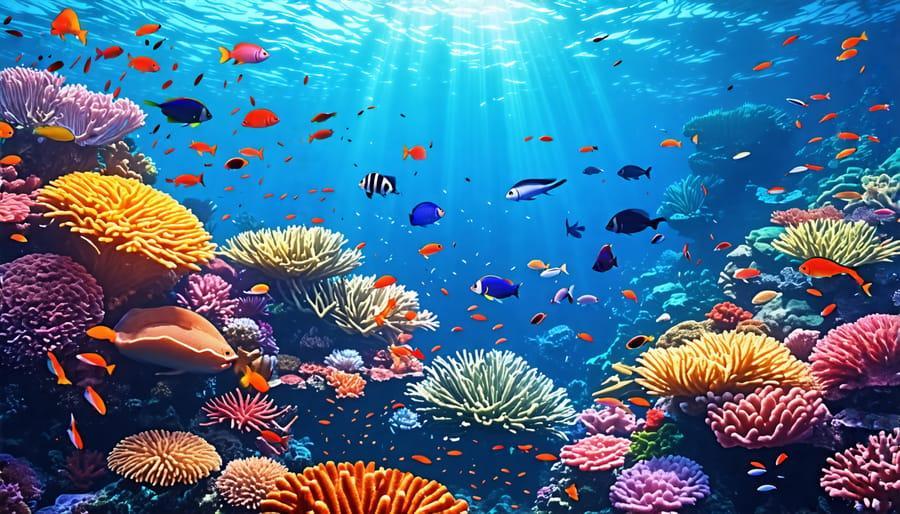
Sea turtle conservation is an urgent and vital effort aimed at protecting the iconic species that inhabit our oceans. These magnificent marine creatures play a crucial role in maintaining healthy marine biodiversity, especially around the idyllic Lakshadweep islands. Recently, the Union Environment Ministry released a comprehensive Standard Operating Procedure (SOP) to bolster sea turtle protection across 36 islands in this pristine region. With threats such as habitat destruction and climate change looming large, implementing these conservation guidelines will be essential to safeguard not only sea turtles but also the broader marine ecosystems they are part of. Engaging with local communities, enhancing environmental conservation efforts, and fostering awareness are key components of this initiative, ensuring that future generations can witness these ancient mariners thriving in their natural habitat.
The protection of sea turtles encompasses a wide array of initiatives aimed at preserving these ancient creatures and their habitats. As guardians of marine ecosystems, sea turtles contribute significantly to the health of our oceans, making their conservation an issue of great importance. The recent developments in the management strategies across Lakshadweep highlight the necessity for a coherent approach to marine life safeguarding. By establishing a framework for turtle conservation, authorities not only defend the survival of these fascinating reptiles but also enrich the marine biodiversity that is essential for a balanced ecosystem. With increased efforts in ethical practices and community involvement, effective sea life protection measures can resonate throughout the coastal regions and inspire a movement towards greater environmental stewardship.
Understanding Sea Turtle Conservation in Lakshadweep
Sea turtle conservation in Lakshadweep is critical due to the unique biodiversity that these islands harbor. With 36 islands providing crucial nesting sites and habitats for various species of sea turtles, the recent release of the Standard Operating Procedure (SOP) by the Union Environment Ministry offers a structured approach to protect these majestic creatures. The SOP highlights specific strategies for monitoring turtle populations, safeguarding nesting sites, and encouraging sustainable practices among local communities. By integrating scientific research and local knowledge, the initiative aims to ensure the long-term survival of these endangered species.
The SOP implementation not only addresses direct threats to sea turtles but also emphasizes the health of marine biodiversity in Lakshadweep’s waters. By fostering collaboration among stakeholders, including government bodies, conservationists, and local fishermen, the SOP envisions a comprehensive marine management strategy. With specific measures aimed at reducing bycatch and pollution, the initiative seeks to promote sea turtle protection while enhancing marine ecosystems. This multifaceted approach holds promise for restoring and maintaining ecological balance in the spectacular marine environments of Lakshadweep.
Importance of Marine Biodiversity in Lakshadweep
The archipelago of Lakshadweep is renowned for its rich marine biodiversity, which includes a variety of life forms, from vibrant coral reefs to numerous fish species. This biodiversity is integral to the ecological health of the region and plays a vital role in attracting both tourism and research opportunities. However, the delicate balance of this ecosystem is continually threatened by factors such as climate change, overfishing, and habitat destruction. Recognizing and safeguarding this biodiversity is essential not only for the survival of marine species but also for the sustenance of local communities whose livelihoods depend on the ocean.
Strengthening marine biodiversity through initiatives like the SOP enhances the overall resilience of the ecosystem. By promoting practices that protect habitat integrity and encourage sustainable fishing, the SOP aims to create a healthier environment that benefits both sea turtles and the myriad other species that inhabit these waters. Efforts in environmental conservation, including habitat restoration and the establishment of marine protected areas, will bolster the chances for endangered species to thrive while also supporting the broader ecological network that sustains life in Lakshadweep.
Standard Operating Procedures (SOP) for Sea Turtles
The introduction of Standard Operating Procedures (SOP) for sea turtle conservation marks a pivotal step in the systematic protection and management of these vulnerable species across Lakshadweep’s islands. These guidelines are designed to standardize the approach to sea turtle conservation, ensuring that efforts are not only scientifically robust but also adaptable to the unique environmental contexts of each island. The SOP includes protocols for monitoring nesting sites, assessing population health, and involving local communities in conservation activities. Such proactive measures are crucial for effectively addressing the decline in sea turtle numbers and enhancing their survival prospects.
Implementation of the SOP is expected to create a strong framework for collaboration among various stakeholders. This approach encourages active participation from local communities, fishermen, and conservationists, fostering a shared sense of responsibility for the protection of sea turtles. Moreover, the SOP serves as a guideline for environmental conservation initiatives, underscoring the importance of integrating scientific research with traditional ecological knowledge. By equipping communities with tools for sustainable practices and raising awareness about the ecological significance of sea turtles, the SOP contributes to a collective effort to safeguard these magnificent creatures for future generations.
Community Involvement in Sea Turtle Protection
Community involvement is a cornerstone of sea turtle protection efforts in Lakshadweep. By engaging local populations in conservation activities, the SOP fosters a sense of ownership and responsibility towards marine ecosystems. Educational programs highlighting the importance of sea turtles and their role in maintaining marine biodiversity are vital. When residents understand the ecological value of these animals, they are more likely to participate in protection initiatives, from monitoring nesting sites to reducing plastic waste in their surroundings.
Moreover, local fishermen play a crucial role in sea turtle protection as their activities can significantly impact turtle populations. Through collaborative workshops and training sessions, the SOP encourages sustainable fishing practices that minimize bycatch. By equipping them with the knowledge of how to operate without harming sea turtles, the conservation efforts not only safeguard marine life but also support the economy of local communities. This partnership exemplifies the vital link between environmental conservation and community sustainable development.
Challenges Facing Sea Turtle Conservation
Despite the concerted efforts outlined in the SOP, numerous challenges persist in the realm of sea turtle conservation. Among these obstacles, habitat loss due to coastal development poses a significant threat to nesting sites across Lakshadweep. Urbanization and tourism, while economically beneficial, can disrupt critical breeding grounds, leading to a decline in reproductive success for sea turtle populations. Additionally, illegal poaching remains a rampant issue, targeting not just the turtles but also their eggs, further jeopardizing the species.
Pollution, particularly from plastic waste, poses another looming challenge for sea turtles. Often ingesting plastic debris mistaken for food, turtles face fatal health problems that undermine population levels. These issues highlight the urgent need for enforcement of environmental regulations and increased public awareness campaigns. By addressing these challenges head-on through targeted actions embedded within the SOP, conservationists can create a more sustainable future for sea turtles and the vibrant marine ecosystems they inhabit.
The Role of Technology in Sea Turtle Conservation
Technology plays an essential role in advancing sea turtle conservation efforts across Lakshadweep. The introduction of satellite tracking devices has revolutionized the ability to monitor sea turtles’ migratory patterns and behaviors. This powerful data enables researchers to identify critical habitats and migration routes, informing conservation strategies that provide protection during key life stages. In addition, the use of drones for aerial surveys enhances monitoring capacity, allowing for more accurate assessments of turtle populations and their nesting activities.
Moreover, citizen science initiatives harness technology by encouraging local communities to report sightings and nesting activities via mobile apps. This collective data collection contributes to building a comprehensive understanding of sea turtle distribution and health. By integrating technology with traditional conservation tactics, the SOP not only streamlines data management but also empowers communities to take proactive involvement in protecting their marine heritage, ensuring that sea turtles continue to thrive in Lakshadweep’s waters.
Protective Legislation for Sea Turtles
The protective legislation surrounding sea turtles in Lakshadweep is a key component of the conservation framework provided by the SOP. By establishing legal measures that prohibit poaching and regulate fishing practices, the government aims to create a safe environment for these endangered species. Additionally, implementing stricter penalties for illegal activities underscores the commitment to safeguarding marine biodiversity and highlights the serious repercussions for those who threaten sea turtle populations.
Educational outreach about protective legislation is equally important. By informing local communities and stakeholders about the laws and their purposes, conservation efforts gain grassroots support. Illegal activities reduce when the public is aware of the harmful effects of their actions and the legal ramifications involved. Therefore, continued dialogue and engagement with local populations surrounding protective legislation are essential for fostering a culture of respect and conservation for sea turtles in Lakshadweep.
Future Directions for Sea Turtle Conservation in Lakshadweep
As the SOP sets the framework for sea turtle conservation, it opens new avenues for future initiatives aimed at enhancing the survival of these extraordinary creatures in Lakshadweep. Future directions may include expansion of marine protected areas, focused research on nesting site success rates, and further engagement with local fishermen to develop sustainable fishing methods. By exploring innovative strategies and incorporating the latest environmental science, there is potential for a far-reaching impact on both sea turtle populations and marine biodiversity as a whole.
In addition, fostering international collaborations can augment conservation efforts by pooling resources and expertise. Partnerships with organizations dedicated to marine conservation could enhance funding opportunities for groundbreaking research and community-based projects. By continually adapting and improving the approaches outlined in the SOP, Lakshadweep can successfully pave the way for a healthier marine ecosystem—one where sea turtles not only survive but thrive.
Frequently Asked Questions
What is the SOP for Turtles in Lakshadweep and how does it promote sea turtle conservation?
The Standard Operating Procedure (SOP) for Turtles in Lakshadweep is a comprehensive framework released by the Union Environment Ministry aimed at conserving sea turtles across the 36 islands of Lakshadweep. This SOP outlines strategies for effective monitoring, management, and conservation measures that protect marine biodiversity and ensure the survival of sea turtle populations. By providing guidelines for responsible human activities near nesting sites and promoting habitat preservation, the SOP plays a crucial role in enhancing environmental conservation efforts in these sensitive marine ecosystems.
| Point | Details |
|---|---|
| SOP Release Date | Saturday, date unspecified |
| Authority | Union Environment Ministry |
| Location | 36 islands of Lakshadweep |
| Focus | Conservation, monitoring, and management of sea turtles |
| Purpose | Enhance biodiversity conservation and protection of marine ecosystems |
Summary
Sea turtle conservation is critical for maintaining the balance of marine ecosystems. The recently issued Standard Operating Procedure (SOP) by the Union Environment Ministry outlines a comprehensive framework for conserving sea turtles across 36 islands of Lakshadweep. This initiative not only aims to monitor and manage sea turtle populations effectively but also to enhance biodiversity and protect the surrounding marine ecosystems. By implementing these strategies, the effort highlights the importance of scientific approaches in addressing the vulnerabilities of sea turtles, ensuring their survival and the health of marine life for future generations.



























