

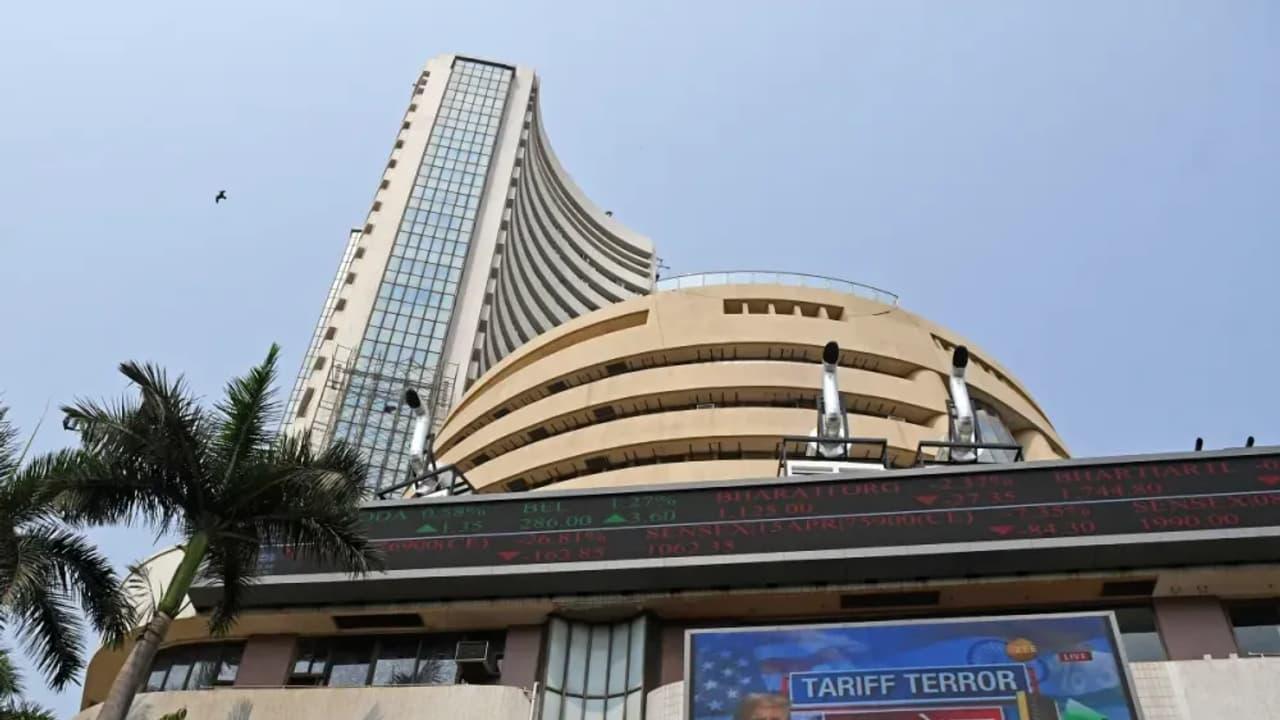
The recent Sensex market fall has caused ripples of concern among investors, as the index plummeted by over 600 points, closing at 76,802.90. This sharp drop, attributed primarily to a significant IT stocks selloff, disrupted a five-day winning streak for Indian equities. With the Nifty also dipping below 24,050, market analysis reveals a troubling shift in investor sentiment, driven by weak global signals and profit booking activities. Adding fuel to the fire, foreign institutional investors turned net sellers, offloading Rs 1,025 crores worth of shares on Dalal Street. As traders digest the latest Sensex news today, the future outlook for Indian markets remains uncertain amidst these challenging developments.
In the wake of the recent downturn in the stock market, a sharp decline was observed in major indices, with the Sensex and Nifty experiencing notable drops. The broader financial landscape has been significantly affected, particularly by a pronounced selloff in technology sector stocks. Investors are now reevaluating their strategies as a variety of factors, including disappointing global cues and profit-taking activities, contribute to the current bearish phase. As analysts delve into this situation, they are looking closely at the implications for Indian equities and the potential long-term effects of this market correction.
The Impact of IT Stocks Selloff on the Market
The significant selloff in IT stocks was one of the leading reasons behind the drastic fall in the Sensex, which experienced a dip of 607 points. Major players in the IT sector, such as Infosys, TCS, and HCL Technologies, witnessed declines of up to 6%, reflecting a broader trend impacting the tech-heavy indices. The ripple effect from Accenture’s disappointing guidance on revenue growth for FY26 exacerbated concerns, triggering not only profit booking but also a wave of negative sentiment that rippled through investor communities. Many analysts emphasized that the unexpected plunge in key stocks like TCS could lead to a reassessment of tech valuations in the coming sessions, contributing to the overall market’s cautious atmosphere.
This downturn in IT stocks aligns with a broader pattern often seen in equity markets, where setbacks in major sectors spark an increasingly defensive approach among investors. With IT stocks being the backbone of the Indian market’s performance for years, their downfall directly impacts the confidence level for both domestic and foreign investors. As IT stocks like Tech Mahindra faced pressure due to external factors, including global market dynamics, other sectors are also likely to feel the implications of this selloff with a ripple effect across the Nifty and Sensex.
Understanding the Recent Nifty Drop
The Nifty index’s decline, closing at 24,013.10, can be attributed to several intertwined factors, primarily stemming from the aggressive selling in the IT sector. The Nifty dropped by 155 points, a clear sign that the market was absorbing the shocks not only from domestic economic concerns but also from international developments. Analysts noted that this trend signifies a critical moment for Indian equities, prompting investors to reassess their portfolios in light of strengthening volatility. The cancellation of the US-Iran peace talks didn’t just affect oil and political portfolios; it also reverberated through global markets, leading to hesitance among investors to hold onto their equities, primarily influenced by the falling IT sector.
Moreover, the recent performance of key indices, including the resilience of the Broad Nifty stocks, indicates an interesting dynamic where investors are seeking refuge in less volatile segments amidst the chaos of declining IT equities. The Nifty Midcap and Smallcap indices even recorded modest gains, suggesting that while the overall Nifty was down, there are pockets of strength in the market that could signal future opportunities as the market stabilizes from the recent shocks.
Frequently Asked Questions
What caused the recent Sensex market fall?
The recent Sensex market fall, which dipped 607 points, was primarily driven by a heavy selloff in IT stocks, particularly Infosys and TCS, which dropped significantly following a poor forecast from Accenture. Additionally, foreign institutional investors turned net sellers after three days of buying, contributing to the decline.
How did the Nifty perform during the Sensex market fall?
During the Sensex market fall, the Nifty 50 closed 155 points lower, finishing at 24,013. This decline came after a significant rally in the preceding days, highlighting the stark reversal in investor sentiment.
What impact did the IT stocks selloff have on the Sensex?
The selloff in IT stocks had a substantial impact on the Sensex, contributing to a drop of over 600 points. Major IT firms like Infosys and HCL Tech were among the biggest losers, reflecting broader market trends that negatively influenced investor confidence.
What are the key factors behind the Indian equities decline today?
The Indian equities decline today can be attributed to several key factors including the heavy selloff in IT stocks, profit booking after a recent rally, global weak signals, and the cancellation of US-Iran peace talks that increased market uncertainty.
What can we expect from Sensex news today regarding market recovery?
Sensex news today indicates that while the market experienced a setback, technical indicators suggest a potential recovery as the Nifty remains above the 24,000 mark. However, investor sentiment may remain cautious due to recent geopolitical developments.
How does the cancellation of US-Iran peace talks affect the Sensex market?
The cancellation of US-Iran peace talks has negatively affected the Sensex market by increasing geopolitical uncertainty, leading to heightened investor caution and contributing to the overall market decline seen today.
What was the market analysis following the Sensex drop?
The market analysis following the Sensex drop highlighted a significant shift in investor sentiment, with technical indicators showing a potential end to the recent rally. Analysts suggest that the strong selloff in IT stocks and external factors like global cues need to be monitored closely.
Are there positive trends despite the recent fall in the Sensex and Nifty?
Despite the recent fall in the Sensex and Nifty, there were some positive trends observed, including gains in the Nifty Midcap and Smallcap indices, indicating that not all segments of the market were affected equally by the selloff.
What should investors consider after the Sensex market fall?
Investors should consider the potential for volatility following the Sensex market fall, including the impact of profit booking and external geopolitical factors. It may be prudent to assess portfolio positions and remain informed on updates regarding IT stocks and global market movements.
| Key Factors | Details |
|---|---|
| Heavy selloff in IT stocks | Major IT companies saw significant stock drops, influenced by Accenture’s lowered revenue growth outlook. |
| FII turn net sellers | Foreign investors sold shares worth Rs 1,025 crore after being net buyers for multiple days. |
| Profit booking | After a 5% surge in indices, investors locked in profits, contributing to the selloff. |
| Weak global cues | Asian markets posted losses, impacting sentiment on Dalal Street. |
| US-Iran peace talks called off | Cancellation of negotiations added uncertainty to the market outlook. |
Summary
The Sensex market fall today, marked by a staggering drop of 607 points to 76,802.90, was influenced by several key factors including a significant selloff in IT stocks, profit booking after a successful rally, and negative global cues. This momentous decline after a five-day uptrend emphasizes the volatility and risk associated with equity investments, especially in reaction to external influences such as foreign selling and geopolitical events.



























