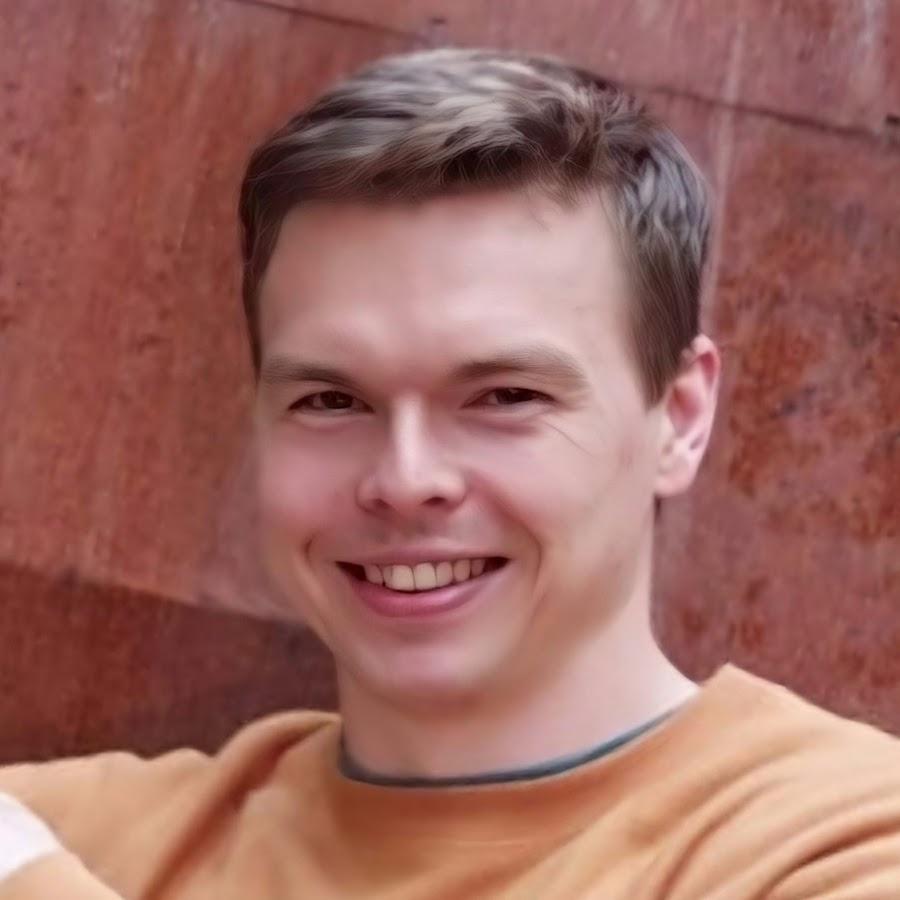
Leonid Brezhnev, a key figure in Soviet history, served as the General Secretary of the Communist Party from 1964 to 1982, embodying an era marked by significant political and military developments. Known for his tenure during the Cold War, Brezhnev’s policies extended the influence of the Soviet Union across global geopolitics, making him one of the most recognized Soviet leaders. His legacy is further complicated by recent reports of Anton Milaev, his great-grandson, who has been captured by Ukrainian forces while engaging with the Russian military. This striking family connection highlights the ongoing impact of Brezhnev’s legacy in contemporary conflicts, particularly as prisoner exchanges and diplomatic negotiations remain uncertain in the current war. As tensions elevate between Russia and Ukraine, understanding Brezhnev’s historical influence becomes increasingly relevant to comprehending the dynamics at play today.
The life and leadership of Leonid Brezhnev, a prominent Soviet figure, significantly shaped the trajectory of the USSR during a pivotal part of the 20th century. His political strategies and military expansionism are central to discussions about past Russian leadership and its implications on modern warfare. Meanwhile, the recent situation involving Anton Milaev, linked to Brezhnev, underlines the intertwined fates of historical legacies and present-day military engagements. This scenario serves as an entry point to explore the complexities of prisoner exchanges and the evolving military landscape, as well as the impact of Brezhnev’s policies on ongoing conflicts. Analyzing such connections helps us understand not only the historical context of Soviet influence but also its lingering ramifications in the current geopolitical climate.
Leonid Brezhnev’s Legacy and Current Events
Leonid Brezhnev served as the General Secretary of the Communist Party of the Soviet Union from 1964 to 1982, a period marked by significant political and military developments. His era is often associated with the Doctrine of Brezhnev, a policy that justified intervention in socialist countries, reflecting the USSR’s desire to maintain hegemony in Eastern Europe. Fast forward to current events, and the legacy of Brezhnev seems to echo through the actions of his great-grandson, Anton Milaev, who has recently been reported captured by Ukrainian forces while serving in the Russian military. This convergence of past and present highlights the ongoing geopolitical tensions that are reminiscent of the Cold War era Brezhnev once dominated.
The circumstances surrounding Milaev’s capture underline the complexities of contemporary conflicts where personal histories intertwine with national narratives. The situation points to the long-standing rivalry between Ukraine and Russia, which has intensified since the annexation of Crimea in 2014. With Milaev’s connection to Brezhnev, this story adds a poignant layer to the ongoing conflict, reminding us that the legacies of historical leaders can still influence the present day.
Moreover, the implications of Anton Milaev’s situation extend beyond familial connections; they resonate within the broader context of the conflict between Ukrainian forces and the Russian military. The ongoing war has been characterized by a series of prisoner exchanges that have been fraught with complications and negotiations. Ukrainian forces capturing individuals tied to notable historical figures like Brezhnev may introduce complexities in how these exchanges are perceived both domestically and internationally. It raises questions about the treatment of prisoners and the impact of their backgrounds on negotiating terms of release, reflecting on how lineage can play a role in modern warfare.
Prisoner Exchanges Amidst Ongoing Conflict
As the war between Ukraine and Russia continues to unfold, the issue of prisoner exchanges has become increasingly contentious. Reports indicate that negotiations around the exchange of captured individuals, including those like Anton Milaev who are connected to prominent political families, often stall amidst the complexities of the war. The uncertainty surrounding these exchanges contributes to the ongoing humanitarian crisis, as families are left in limbo while waiting for the return of their loved ones. The governments involved must navigate public sentiment, national pride, and international pressure, making these negotiations incredibly intricate.
Additionally, prisoner exchanges have often been politically charged events that can sway public opinion in favor of one side or another. The capture of Milaev serves as a poignant reminder of how personal stories interweave with national narratives. His lineage, deeply rooted in Soviet history, might spark discussions about the morals and ethics surrounding war and family loyalty. As the conflict persists, the prospects of successful prisoner exchanges appear uncertain, raising concerns over the lack of transparency and the hardships faced by those imprisoned and their families.
The Role of Anton Milaev in the Current Conflict
Anton Milaev, with his unique connection to Leonid Brezhnev, has become emblematic of the intersection between historical legacy and the current geopolitical landscape. As a member of the Russian military, his involvement illustrates the personal stakes for individuals during this conflict, highlighting how family and history shape personal decisions in times of war. Reports of his capture emphasize the challenges faced by soldiers who may not entirely agree with the political motives behind their combat yet feel bound by duty to their heritage and nation.
Milaev’s situation also sheds light on the role of contemporary narratives in shaping discourse about the war. As news spreads about his capture, it raises public awareness of the human experiences behind military actions, urging people to consider the multi-dimensional aspects of conflict. The comparison of today’s warfare to Brezhnev’s policies serves as a reminder that personal stories resonate deeply within historical contexts, and the interplay of past and present continues to influence the realities faced by those caught in this enduring struggle.
Historical Context: Leonid Brezhnev and the USSR
Leonid Brezhnev’s tenure as the leader of the Soviet Union was defined by a mixture of military might and political maneuvering, reflecting a strategy that positioned the USSR as a formidable global power. His policies not only shaped the internal structure of the Soviet state but also had lasting impacts on international relations, especially concerning Eastern Europe and the West. Understanding Brezhnev’s approach provides crucial context for analyzing the actions taken by modern Russian leadership, particularly regarding military interventions and territorial disputes.
Today, with the ongoing conflict between Ukraine and Russia, Brezhnev’s legacy may seem particularly relevant as the region reevaluates its historical narratives. The current military actions, coupled with sentiments of nationalism and territorial integrity, echo the illustrious yet contentious legacy that Brezhnev left behind. His commitment to a strong military presence and assertive foreign policy continues to influence contemporary leaders, who may view the conflict through the lens of past doctrines implanted during his rule.
Ukrainian Forces: Strategies and Tactics in Warfare
Ukrainian forces have demonstrated dynamic strategic adaptations in response to the ongoing hostilities with the Russian military, which seeks to assert dominance in the region. Utilizing modern technologies and incorporating lessons learned from the conflict, they have effectively engaged in defensive and offensive operations. By leveraging intelligence and local support, Ukrainian forces have been able to make significant advancements, including the capture of high-profile individuals like Anton Milaev.
These strategies reflect a growing military acumen among Ukrainian forces amidst continued challenges. As the conflict evolves, the tactics employed by these ground troops contribute to a reshaping of military engagements, emphasizing the importance of adaptability in today’s warfare. The capture of enemy soldiers not only serves tactical advantages but also strengthens national narratives, displaying resilience against a historically powerful adversary.
The Russian Military’s Response and Implications
In response to the ongoing actions of Ukrainian forces, the Russian military has continued to implement robust strategies aimed at exerting control over contested territories. The situation has been exacerbated by high-profile captures, such as that of Anton Milaev, which not only impact military strategies but also play a significant role in the public perception of the conflict. The binding emotions attached to familial connections to historic leaders like Brezhnev lend a unique weight to these incidents.
Moreover, the Russian military’s activities in relation to prisoner exchanges and military operations against Ukraine reflect a broader strategy to maintain authority and assert influence over the narrative of the conflict. The interplay between military effectiveness and the emotional narrative surrounding captured individuals speaks volumes about the high stakes of the ongoing war. As the situation develops, the implications for both military operations and diplomatic efforts remain critical areas of focus.
Diplomatic Efforts in the Face of Ongoing War
Despite the tumultuous events surrounding the conflict, diplomatic efforts continue to be a pivotal aspect of both Ukraine and Russia’s strategies. Negotiations on prisoner exchanges have often been overshadowed by battlefield events, including the news surrounding Anton Milaev. The dual narratives of military engagement and diplomatic discourse highlight the complexities of achieving any fruitful resolution. Both sides appear to be striving for an upper hand while simultaneously seeking avenues for peace.
The efficacy of these diplomatic approaches remains questionable, particularly given the entrenched positions both nations have adopted. Even with calls for negotiation, on-the-ground realities often complicate discussions, leading to public skepticism regarding genuine efforts for peace. The capture and potential release of individuals like Milaev could become bargaining chips, influencing future negotiations while reflecting the ongoing tragedies of war on both sides.
Impact of Historical Ties on Current Conflicts
The historical ties that connect figures like Anton Milaev to influential leaders such as Leonid Brezhnev cast a long shadow over contemporary conflicts. They highlight the enduring legacy of political decisions made in the 20th century and their implications today. As families become entwined in the political narratives of warfare, the repercussions of these legacies continue to evolve, shaping the attitudes of soldiers and civilians alike.
This intertwining of history with current events serves as a reminder that the past can profoundly influence perspectives and motivations in present-day conflicts. With each new development, especially concerning high-profile captures or exchanges, the historical context provides an essential framework for understanding the actions and reactions of involved parties. It also necessitates a deeper examination of how these historical narratives are utilized in warfare, both by those in power and by those seeking to frame their stories in light of Ukrainian-Russian tensions.
Frequently Asked Questions
Who was Leonid Brezhnev and what was his influence as a Soviet leader?
Leonid Brezhnev was a prominent Soviet leader who served as the General Secretary of the Communist Party of the Soviet Union from 1964 to 1982. His tenure is marked by a period of stability, economic growth, and the expansion of Soviet power internationally, but it is also known for political repression and stagnation within the USSR. Brezhnev’s policies laid the foundation for significant Cold War events, influencing the political landscape during his leadership and beyond.
| Key Points | Details |
|---|---|
| Capture of Anton Milaev | Reportedly captured by Ukrainian forces while serving in the Russian military. |
| Confirmation of Capture | Ukrainian sources have confirmed the capture. |
| Who was Leonid Brezhnev? | Leonid Brezhnev was the General Secretary of the Communist Party of the Soviet Union from 1964 to 1982. |
| Prisoner Exchanges | Uncertainties surrounding prisoner exchanges between the warring parties. |
| Continuation of War | Ongoing conflict continues despite various diplomatic efforts to resolve the situation. |
Summary
Leonid Brezhnev, a prominent figure in Soviet history, is now linked to modern-day conflict through his great-grandson, Anton Milaev, who has been captured while serving with Russian forces in Ukraine. This event highlights not only the ongoing challenges of the current geopolitical landscape but also brings to light the personal stories intertwined with broader historical narratives. As wars continue and diplomatic solutions remain elusive, the legacy of leaders like Brezhnev continues to resonate, showcasing how the past shapes the complexities of present-day conflicts.