

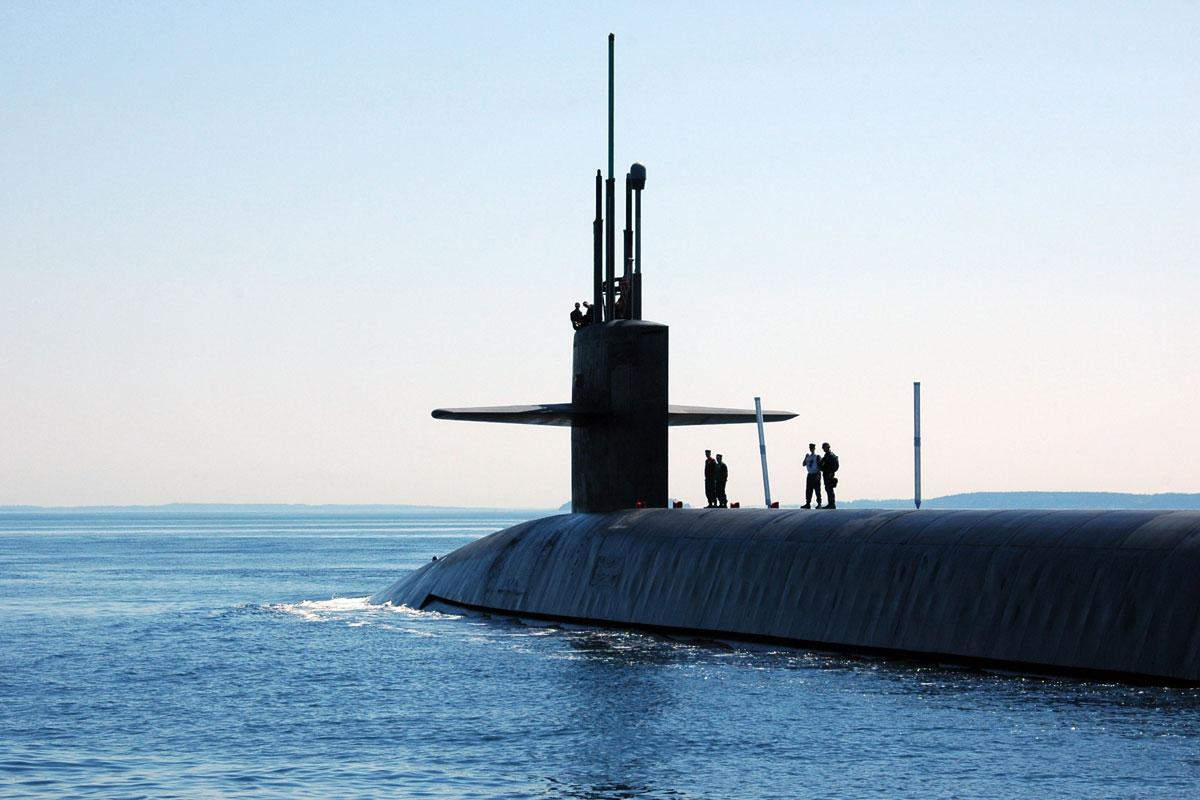
Nuclear submarines represent a significant advancement in modern naval warfare, offering unparalleled stealth and endurance beneath the waves. These formidable underwater vessels can be categorized into two main types: SSN submarines, or nuclear-powered attack submarines, and SSBN submarines, which are designed for delivering ballistic missiles. Utilizing advanced nuclear reactors, these nuclear-powered subs can operate for extended periods without the need for resurfacing, making them crucial for long-range missions. Countries like India have invested in developing their navy submarines to enhance their strategic capabilities, especially in the Indian Ocean Region, where maritime security is critical. As the landscape of underwater combat evolves, understanding these submarine types becomes essential for grasping modern military strategy.
Submersibles powered by nuclear energy, commonly known as nuclear submarines, play a vital role in contemporary naval operations. These potent vessels, divided into categories like SSNs and SSBNs, are engineered for distinct missions ranging from stealthy attacks to strategic deterrence. The impressive capabilities of these submarines allow nations to project power and maintain security over vast ocean stretches. For instance, the Indian navy submarines are strategically positioned to monitor maritime threats and protect national interests in the region. Understanding the nuances of submarine technology is increasingly important for assessing global naval dynamics.
Understanding the Dual Roles of Nuclear Submarines
Nuclear submarines serve as the backbone of modern naval fleets, predominantly categorized into two types: SSNs (nuclear-powered attack submarines) and SSBNs (nuclear-powered ballistic missile submarines). Each type plays a crucial role within naval strategy, with SSNs focusing on offensive capabilities aimed at undersea warfare and strategic surveillance, while SSBNs are primarily tasked with nuclear deterrence through ballistic missile deployment. The utilization of nuclear reactors in these submarines not only enhances their operational endurance but also significantly expands their operational range, making them essential assets in contemporary naval warfare.
The distinction between SSNs and SSBNs extends beyond mere classification; it encompasses their design, operational patterns, and strategic missions. SSNs are engineered to execute stealthy attacks against enemy fleets and infrastructures, while SSBNs serve as a deterrent, ensuring second-strike capabilities in the event of nuclear conflict. Understanding these roles is critical for comprehending the overall naval strategy of any advanced maritime nation, including India, which is enhancing its submarine fleet to address emerging maritime challenges.
The Importance of SSNs in Maritime Security
SSNs, or nuclear-powered attack submarines, are vital for maintaining a nation’s maritime security. Their capabilities allow them to perform a variety of missions, including anti-submarine warfare, intelligence gathering, and force projection. With their ability to remain underwater without the need for frequent refueling, these submarines can traverse vast distances undetected, positioning themselves strategically for surprise attacks or extended reconnaissance missions. This stealthiness enables a nation to monitor potential threats posed by rival naval forces without revealing its own operational intentions.
In the context of the Indian Navy, SSNs are particularly important given the geopolitical dynamics in the Indian Ocean Region. They serve not only as a countermeasure against potential adversaries like China but also facilitate the protection of strategic assets such as aircraft carrier battle groups and escort duties for SSBNs during patrols. The integration of SSNs into India’s fleet bolsters its defense posture, ensuring a credible and capable naval force that can safeguard its interests in regional waters.
Exploring the Strategic Value of SSBNs
SSBNs (nuclear-powered ballistic missile submarines) are often considered the crowning jewels of a nation’s nuclear deterrent capability. Equipped with ballistic missiles, these submarines can launch a retaliatory strike against adversaries, securing a country’s second-strike capability essential for effective deterrence. The strategic value of SSBNs lies in their survivability; submerged for extended periods, they can operate undetected, making it exceedingly difficult for enemy forces to locate and neutralize them before a strike can be executed.
For nations like India, developing a capable fleet of SSBNs is a crucial aspect of enhancing its strategic deterrence. With tensions in the region, particularly concerning maritime routes and territorial disputes, having a reliable second-strike force ensures that adversaries think twice before initiating conflict. Thus, India’s focus on advancing and expanding its SSBN capabilities reflects a broader commitment to national security, reinforcing its standing as a formidable maritime power on the global stage.
Differences in Design: SSNs vs. SSBNs
The design differences between SSNs and SSBNs stem from their distinct operational roles within maritime strategy. SSNs are typically designed for speed, agility, and stealth, featuring a streamlined hull to minimize detection by enemy sonar. These submarines are equipped with torpedoes and missile systems best suited for offensive missions, intending to engage enemy vessels or conduct covert surveillance operations. Their design prioritizes operational efficiency, allowing them to execute a variety of tactical missions in shifting environments.
In contrast, the design of SSBNs focuses on carrying and launching ballistic missiles. These submarines are generally larger than SSNs and reflect a strength-oriented approach, often featuring reinforced hulls and extensive systems to ensure the safe and secure launch of nuclear weapons. While stealth is still a priority, the ability to carry multiple missiles and maintain operational readiness is of paramount importance. This fundamental difference in purpose influences not just the external design, but also the internal systems and technologies deployed to ensure effective mission execution.
India’s Current Submarine Fleet: A Dual Component System
As of now, India’s submarine fleet includes a mix of SSNs and SSBNs, which together form a crucial component of its maritime capabilities. The Indian Navy’s current operational SSBNs provide a vital deterrent function, safeguarding the nation’s interests against potential nuclear adversaries. However, the fleet’s composition highlights the necessity for additional SSN capabilities to augment its maritime security. As the region faces growing naval challenges, enhancing the SSN fleet becomes critical to ensure comprehensive maritime defense.
The current fleet allows India to maintain a strategic presence in the Indian Ocean Region, monitor adversarial activities, and provide essential support to allied maritime operations. Increasing the number of operational submarines, particularly SSNs, will further enhance India’s capability to undertake complex maritime missions and protect its territorial waters effectively. With advancements in technology and a focus on modernization, India is ambitiously working to develop a more robust submarine force to keep pace with international maritime advancements.
A Future Look at India’s Undersea Force
The future of India’s undersea force is set to evolve considerably, with plans to enhance its fleet of both SSNs and SSBNs. Recognizing the shifting security landscape, particularly with China’s naval expansion, India aims to bolster its submarine capabilities to ensure supremacy in the Indian Ocean. By investing in new technologies, including advanced sonar and stealth features, India seeks to establish a dominant underwater deterrent that can counter potential threats effectively.
In addition to expanding the fleet, future initiatives include upgrading existing submarines with state-of-the-art combat systems, improving operational interoperability with allied forces, and increasing the frequency of patrols. This comprehensive approach to modernizing its submarine capabilities will not only enhance India’s deterrence profile but also solidify its position as a key regional power in maritime security.
Frequently Asked Questions
What are the differences between SSN submarines and SSBN submarines in the context of nuclear submarines?
SSN submarines, or nuclear-powered attack submarines, are designed for offensive operations, including hunting down enemy vessels and conducting surveillance. They have the capability to remain submerged for extended periods without frequent refueling, thanks to their nuclear reactors. In contrast, SSBN submarines, or nuclear-powered ballistic missile submarines, serve a strategic role in deterrence by carrying nuclear missiles and ensuring a country’s second-strike capability. While both are classified under nuclear submarines, their missions and design features significantly differ.
| Category | Definition | Purpose | Key Features | Current Status in India |
|---|---|---|---|---|
| SSN (Nuclear-Powered Attack Submarine) | Submarines powered by nuclear reactors designed primarily for attack operations. | Conduct shadowing, surveillance, and covert operations against enemy fleets. | Unrestricted range due to propulsion and designed for stealth operations. | Limited number currently operational in the Indian fleet. |
| SSBN (Nuclear-Powered Ballistic Missile Submarine) | Submarines powered by nuclear reactors that carry and launch ballistic missiles. | Serve as strategic deterrents by maintaining second-strike capability. | Designed for survivability and stealth, critical to nuclear deterrence strategy. | India has developed a few operational SSBNs to enhance its strategic deterrent. |
Summary
Nuclear submarines play a critical role in modern naval warfare and strategic defense. The two primary types, SSNs and SSBNs, serve different yet complementary purposes. SSNs are designed for agility and stealth to conduct attack operations, allowing them to cover vast distances and shadow enemy fleets effectively. In contrast, SSBNs serve as the backbone of a country’s nuclear deterrent strategy, armed with ballistic missiles to ensure second-strike capability. India’s growing interests in maritime security necessitate a diverse undersea fleet, and while they have made strides in developing SSBNs, the need for SSNs is equally paramount in countering adversarial threats and securing national interests in the region.



























