

Passive investing has rapidly gained popularity among Indian investors, boasting over Rs 15 trillion in total assets under management across nearly 690 funds. Unlike active investing, which attempts to outperform the market, passive investing focuses on replicating market performance, primarily through vehicles like index funds and exchange-traded funds (ETFs). This approach resonates with many, as evidence suggests it’s challenging to consistently generate returns that exceed market averages. Despite its advantages, misconceptions about passive investing still circulate, leading some to underestimate its significance in a well-rounded investment strategy. Understanding these myths, from tracking error to the nature of mutual funds in India, can empower investors to make more informed choices.
Known also as index investing or market-tracking strategies, passive investing emphasizes a buy-and-hold approach, contrasting sharply with the more hands-on tactics of active management. It leverages systematic portfolios like index funds and ETFs to achieve market-equivalent returns without the high costs associated with frequent trading. This form of investing is an attractive option for investors of all experience levels, dispelling the myth that it’s only suitable for novices. However, those considering this approach must still engage in regular portfolio assessments to ensure alignment with financial goals. In an era where market efficiencies can quickly shift, being informed about potential pitfalls, such as misunderstood tracking errors, is crucial.
Understanding Passive Investing and Its Rise in India
Passive investing has gained significant traction in India over recent years, reflecting a broader global trend where investors opt for a more straightforward approach to asset management. With passive funds comprising nearly Rs 15 trillion of total mutual fund assets, they represent a substantial component of the Indian financial landscape. Designed to track an index rather than select individual stocks, passive investing primarily encompasses index funds and exchange-traded funds (ETFs). This investment strategy appeals to many who recognize that historically, beating the market consistently is an uphill battle due to its efficient nature.
The appeal of passive investing lies in its simplicity and cost-effectiveness. Unlike actively managed funds that may charge higher fees for the potential of greater returns, most passive funds boast low expense ratios which can significantly enhance investor returns over time. As the awareness of these benefits grows, more investors are looking to passive funds, especially in a burgeoning market like India, while simultaneously moving away from traditional active fund management strategies.
Debunking Myths of Passive Investment
Despite the clear benefits of passive investing, several myths continue to circulate among investors that may deter them from adopting this investment strategy. One of the most prevalent misconceptions is that all passive funds are created equal — that the cheapest option is inherently the best choice. While low expense ratios like those found in many index funds are appealing, it’s important to emphasize that these lower costs can sometimes result in a higher tracking error, which affects the consistency with which the fund tracks its index. Therefore, price alone should not dictate investment decisions.
Another misconception is that passive investing is only suitable for beginner investors. This myth overlooks the fact that even seasoned investors can benefit from the reliability and market-matching returns of passive funds, such as index funds and ETFs. It’s essential to recognize that while passive investing may appear simplistic, it offers a strategic foundation for all investors seeking diversified growth without the pressures often associated with active management.
The Importance of Monitoring Passive Investments
A common belief about passive investing is that once an investment is made, it can be forgotten. However, this notion of ‘buy and forget’ can be misleading and potentially harmful. While passive funds require less frequent management than active funds, they still necessitate periodic reviews to ensure alignment with the investor’s overall financial goals. Market dynamics change, and regular assessments are essential for successful investing.
Investors should also be aware of the necessity for rebalancing their portfolios, an important aspect often overlooked. Passive funds, while tracking indices, can drift from their intended allocation over time due to market fluctuation. To maintain an optimal asset mix that aligns with one’s investment strategy, regular rebalancing is crucial — even more so for passive funds that might not be actively adjusted like their managed counterparts.
Evaluating Risks Associated with Passive Investing
While passive investing offers a lower risk profile compared to actively managed funds, it is critical to recognize that it does not equate to risk-free investing. Passive funds, including index funds and ETFs, replicate the performance of their respective indices, thus exposing investors to all the inherent risks of the market. Factors such as market volatility, sector concentration, and economic downturns could affect the performance of passive investments significantly.
Understanding that passive investing retains full market exposure is key for any investor. While it mitigates specific fund manager risks associated with active strategies, investors must still remain vigilant about overall market movements and the potential risks that come with following an index, ensuring they are prepared for varying market conditions.
The Role of Index Funds in Passive Investing
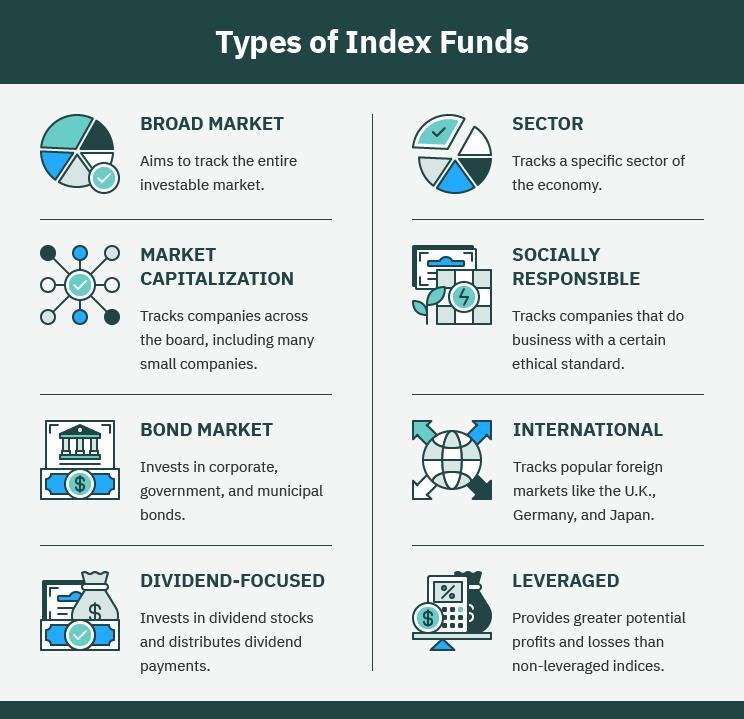
Index funds play a pivotal role in the landscape of passive investing, offering a straightforward and cost-effective way for investors to gain exposure to a diversified portfolio of stocks. By mirroring the performance of a specific index—such as the Nifty 50 or Sensex—these funds allow investors to benefit from market growth without the complexities of stock selection. Consequently, index funds have garnered immense popularity in mutual funds in India, as they underline the principles of passive investment.
Moreover, index funds help minimize the risks typically associated with active management, such as manager underperformance and higher fees. With most options carrying low expense ratios, investors are more likely to retain a larger portion of their returns. This clarity and lower risk positioning make index funds an attractive proposition for both new and seasoned investors looking to build wealth over time.
Exploring Exchange-Traded Funds (ETFs) as Passive Investment Options
Exchange-traded funds (ETFs) have emerged as a key vehicle for passive investment, particularly in the Indian market. Offering the diversification benefits of mutual funds with the flexibility of stock trading, ETFs can be strategically beneficial for those looking to engage in passive investing. Similar to index funds, ETFs typically track a specific index and provide exposure to various sectors or investment themes.
One of the key advantages of ETFs is their liquidity, allowing investors to buy or sell shares throughout the trading day. This flexibility can be appealing compared to traditional mutual fund investments, which are priced at the end of the trading day. However, potential buyers should remain aware of costs associated with purchasing and selling ETFs, including brokerage fees, making it important to evaluate overall investment strategies before diving in.
The Cost Advantage of Passive Investing Strategies
One of the most compelling reasons to consider passive investing is the significant cost advantage it offers compared to actively managed funds. Investors can find index funds boasting expense ratios that often range between 0.05-0.1%, while some ETFs might dip even lower, around 0.02-0.05%. These low fees, coupled with the market-matching strategy of passive investing, can lead to enhanced returns over a long-term investment horizon.
Lower costs mean that more of investors’ money remains invested and working for them, which can seem attractive, especially for those building retirement funds or long-term wealth. However, despite the allure of low costs, investors should look beyond just fees and consider factors such as tracking error and the fund’s ability to accurately reflect the underlying index’s performance.
Assessing Tracking Errors in Passive Funds
Tracking error is a crucial metric that investors should consider when evaluating passive funds like index funds and ETFs. It measures how closely a fund’s performance mirrors that of its benchmark index, providing insight into the fund’s efficiency in delivering expected returns. High tracking errors could suggest that a fund is not efficiently tracking its index, which could impact overall investment performance.
To mitigate risks related to tracking errors, investors should do diligent research before selecting a passive fund. Factors such as the fund’s management strategy, the underlying index’s characteristics, and costs should be assessed to ensure the selected fund aligns with the investor’s goals. A deep understanding of these elements can help investors make informed decisions that optimize their passive investment strategies.
Navigating Common Misconceptions about Passive Investment
Misconceptions about passive investing can lead potential investors astray. Many believe that because passive funds are often low-cost, they compromise on performance. This is a dangerous myth. When looking at long-term performance, many passive funds have consistently shown that they can outperform their actively managed counterparts due to lower fees and the compounding effect over time.
Furthermore, the belief that passive investing is suitable only for beginners is grossly inaccurate. Many experienced investors utilize passive strategies as part of a diversified portfolio. These investors often recognize that passive investing provides stable returns without the emotional stress that active trading can bring, which positions them well for long-term success.
Frequently Asked Questions
What is passive investing and how does it work in the context of index funds and ETFs?
Passive investing is a strategy that involves investing in index funds or exchange-traded funds (ETFs) to match market returns rather than attempting to outperform them. With passive investing, funds aim to replicate a specific index, such as the Nifty 50 in India, thereby providing investor exposure to a wide array of stocks with minimal management costs.
How do tracking errors affect passive investing in index funds?
Tracking error measures how closely a passive fund’s performance aligns with its target index. In passive investing, a lower tracking error indicates better fund performance in mirroring the index. Investors should consider tracking error when selecting index funds and ETFs to ensure they achieve their desired investment outcomes.
Are mutual funds in India suitable for passive investing strategies?
Yes, mutual funds in India can be excellent vehicles for passive investing. Many Indian mutual funds are structured as index funds that aim to replicate the performance of major benchmarks, offering a cost-effective way for investors to gain exposure to market returns without high active management fees.
What are some common myths about passive investing that investors should be aware of?
Common myths about passive investing include the belief that the cheapest funds always perform best, that passive investing is only for beginners, and that it requires no monitoring at all. Understanding these myths can help investors make more informed decisions and set realistic expectations regarding their passive investment strategies.
Can experienced investors benefit from passive investing strategies?
Absolutely! Experienced investors can also significantly benefit from passive investing strategies. Many seasoned investors utilize index funds and ETFs as a core component of their portfolios to ensure market returns while reducing the risks associated with stock selection.
What risks should investors consider when engaging in passive investing?
While passive investing reduces fund manager risk, it does not eliminate market risk. Investors are still exposed to the full spectrum of risks associated with the underlying index, including valuation risks and sector concentration. Thus, periodic reviews and rebalancing are essential to align passive investments with individual financial goals.
| Key Point | Details |
|---|---|
| Growth of Passive Investing | Total AUM in passive funds reached nearly Rs 15 trillion, making up a fifth of India’s total mutual fund assets. |
| Understanding Passive Investing | Passive investing aims to mirror market indices instead of attempting to outperform them, thus reducing risk and complexity. |
| Common Myths | 1. Cheapest is the best – Lower costs don’t guarantee lower tracking errors. 2. Only for beginners – Suitable for all levels of investors. 3. ‘Buy and forget’ – Requires periodic rebalancing. 4. Risk-free investing – Retains market risk despite lower management risk. |
Summary
Passive investing has become an essential component of the investment landscape in India, reshaping how investors approach their portfolios. With the rapid growth of passive funds and the understanding that consistent outperformance is challenging, many are turning to passive strategies. Despite misconceptions, passive investing offers a practical and efficient way to gain market exposure, making it suitable for both novice and experienced investors. By recognizing and dispelling myths, investors can make informed decisions that align with their financial goals.



























