

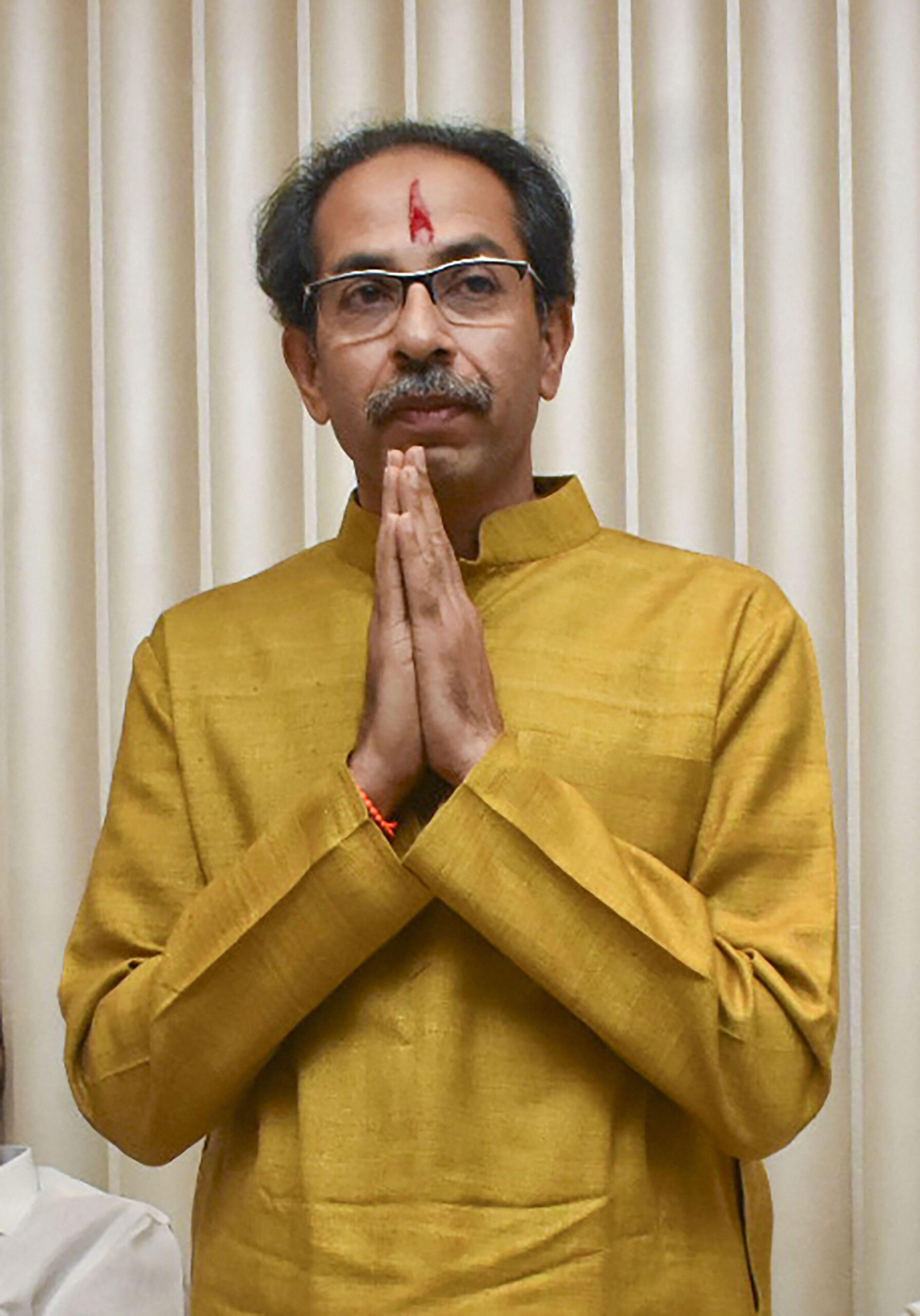
The Shiv Sena leadership is currently at a critical crossroads, marked by intense rivalry and a battle for identity within Maharashtra politics. Uddhav Thackeray, the chief of Shiv Sena (UBT), recently stated that his faction is the true representation of the party, directly challenging attempts by prominent political figures like Amit Shah to define its legitimacy. This ongoing Shiv Sena controversy highlights the polarized landscape, especially with Eknath Shinde’s faction gaining traction. As Thackeray asserts his claim, the implications of these leadership dynamics may reshape the trajectory of Shiv Sena’s political influence in the region. Observers of Maharashtra politics are keenly watching how this feud will unfold and its potential ramifications for future elections.
In the realm of Maharashtra’s political scene, the leadership within the Shiv Sena showcases a vibrant and contentious narrative. The face-off between Uddhav Thackeray and Eknath Shinde reflects a larger struggle for dominance and recognition among various factions. With key players like Amit Shah weighing in, the situation underscores the complexity of party allegiance and public perception. As these leaders navigate the intricacies of loyalty and power, the ongoing debates surrounding the true essence of Shiv Sena hint at the broader challenges faced by political parties in a diverse and evolving landscape. This situation not only captivates local audiences but also raises questions about the future of political affiliations in the state.
The Shiv Sena Leadership and Its Divisions
The current landscape of the Shiv Sena has been marred by divisions, primarily catalyzed by the leadership dispute between Uddhav Thackeray and Eknath Shinde. Uddhav Thackeray, the leader of Shiv Sena (UBT), firmly maintains that his faction represents the true essence of the party, vehemently denying any legitimacy to Shinde’s faction. This assertion came in direct response to Union Home Minister Amit Shah’s statement asserting the existence of only one Shiv Sena. Thackeray’s position reflects the broader struggle within Maharashtra politics as both factions strive to claim the legacy of Bal Thackeray.
In the midst of this controversy, the implications for Maharashtra politics are profound. The split not only affects the party’s unity but also influences voter sentiment and electoral strategies. Thackeray’s claims of legitimacy can rally his base and potentially consolidate support against the ruling faction led by Eknath Shinde. The contest for the soul of the Shiv Sena is not merely a battle between two leaders; it represents a significant ideological struggle that could reshape the political landscape in Maharashtra.
On the other hand, the leadership of Eknath Shinde emerged from the chaos as a formidable challenge to Uddhav Thackeray’s assertion of authority. Shinde, who has the support of several party leaders and a significant section of the Shiv Sena cadre, presents himself as a pragmatic leader poised to cater to the current political climate within Maharashtra. This divide within Shiv Sena raises questions about the party’s future and its ability to influence state governance amidst ongoing political turbulence. The leadership question will ultimately play a crucial role in defining the party’s identity moving forward.
Uddhav Thackeray’s Response to Political Controversy
In recent events, Uddhav Thackeray’s vociferous response to Amit Shah’s remarks highlights the escalating tension within Maharashtra’s political sphere. Thackeray has reiterated his stance that the Shiv Sena he leads is rooted in the foundational principles established by his father, Bal Thackeray. This claim underscores the intense loyalty that many party members hold towards the UBT faction. Thackeray’s rhetorical strategies not only aim to assert dominance over Shinde but also to galvanize his supporters against external poaching by rivals under the banner of the BJP. This ongoing Shiv Sena controversy is set against the backdrop of sharp political rivalries in Maharashtra, further complicating the electoral dynamics.
Additionally, this moment represents a tactical pivot for Thackeray as he attempts to redefine his leadership amidst criticisms and challenges posed by the Shinde faction and Amit Shah’s statements. By firmly establishing that his version of Shiv Sena is the authentic one, Thackeray aims to consolidate his power and reinvigorate the party’s grassroots support. Such maneuvers are crucial as the political climate is ripe with shifting alliances and voter discontent, making it imperative for Thackeray to solidify his leadership narrative.
Moreover, the controversy has spurred a deeper narrative regarding loyalty within political parties in Maharashtra. As Uddhav Thackeray fights to maintain his faction’s significance, dissenters like Sanjay Raut affirm that the Shiv Sena (UBT) continues to resonate with the party’s historical voters. Thackeray’s strategy should not just be reactive; it must also involve a vision for the future that addresses the needs and grievances of the populace. The statement of there being ‘only one Shiv Sena’ not only seeks to belittle the UBT faction but to redefine the engagement models of political leadership in Maharashtra altogether.
The Role of Amit Shah in Shiv Sena Dynamics
Amit Shah’s recent comments regarding the legitimacy of the Eknath Shinde-led Shiv Sena illustrate the BJP’s ongoing efforts to consolidate power in Maharashtra. Shah’s assertion that only one Shiv Sena exists serves multiple purposes: affirming the BJP’s alliance with Shinde while simultaneously undermining Thackeray’s leadership. This strategic positioning highlights the nuances of coalition politics, where statements from influential leaders can alter the trajectory of party dynamics and voter outlook. The political maneuvering seen here is emblematic of how BJP, under Shah’s direction, aims to secure a strong foothold in Maharashtra politics by fracturing opposition parties and their leadership claims.
Furthermore, Shah’s statements reflect a calculated approach to destabilizing Uddhav Thackeray’s hold on the Shiv Sena. This kind of political maneuver not only targets the party’s internal cohesion but also sends a clear message to potential defectors within UBT that loyalty to Thackeray may not guarantee political survival. The alignments and realignments in such political scenarios exhibit the complexities within Maharashtra, where the balance of power is constantly in flux, emphasizing the need for well-strategized responses from Thackeray and his faction.
As such, Amit Shah plays a dual role in this ongoing saga: a provocateur and a kingmaker. His influence over the discourse surrounding Shiv Sena’s legitimacy can champion or dismantle leadership claims, impacting the very foundation on which Shiv Sena’s ideologies stand. The relationship dynamics among the major players in Maharashtra’s political arena — Uddhav Thackeray, Eknath Shinde, and Amit Shah — are critical in understanding how the narrative of Shiv Sena evolves and how political allegiances are formed or fractured.
Eknath Shinde: The Face of New Shiv Sena
Eknath Shinde’s emergence as a formidable leader within the split Shiv Sena is pivotal to current Maharashtra politics. His leadership style resonates with a pragmatic approach, focusing on grassroots connectivity and the provision of governance, which appeals to many voters disenchanted with traditional political rhetoric. With Shinde’s faction rallying under the banner of a ‘real Shiv Sena’, he presents an opportunity for reevaluating the party’s objectives in alignment with contemporary governance demands. This evolution showcases Shinde not just as a successor to Thackeray but as a new political protagonist seeking to reclaim the party’s relevance and leadership in Maharashtra’s ever-changing political landscape.
Moreover, Shinde’s affiliation with the ruling BJP enhances his faction’s visibility and influence. This alliance provides him additional resources and influence, which he can leverage to challenge Uddhav Thackeray’s narrative effectively. Through strategic engagements and support from BJP leaders, Shinde is carving out a niche that advocates for development while simultaneously challenging the traditional leadership dynamics within Shiv Sena. As his faction seeks to solidify its power, the political chessboard in Maharashtra remains unpredictable, with many eyes keenly watching how Shinde will navigate this complex environment.
As Shinde continues to consolidate power, questions arise about the ideological future of Shiv Sena. His approach marks a departure from certain historical elements, suggesting a shift towards a more commercially viable political strategy that prioritizes development over traditional party lines. The implications of this shift are twofold: addressing contemporary issues while potentially alienating the old-guard loyalists to Thackeray. As Shinde sketches the future landscape of the Shiv Sena, it remains crucial for his faction to engage with the party’s foundational principles to maintain a cohesive identity amidst the ongoing political realignment in Maharashtra.
The Future of Shiv Sena in Maharashtra Politics
The ongoing struggles within Shiv Sena signify broader implications for the future of political parties in Maharashtra. With Uddhav Thackeray and Eknath Shinde representing divergent paths, it is unclear which faction will emerge victorious in securing voter loyalty in the forthcoming elections. Thackeray’s adherence to the traditional narratives of his father, Bal Thackeray, contrasts sharply with Shinde’s emphasis on modern governance and adaptability to the changing political landscape. This dichotomy encapsulates the central tension within Shiv Sena, where history and innovation vie for dominance in shaping the party’s future direction.
In addition, the factionalism within Shiv Sena raises significant questions about coalition politics in Maharashtra. With major parties like the BJP and NCP also playing influential roles, alliances and ideological alignments become critical for survival. The ability of both Thackeray and Shinde to maneuver these alliances effectively will determine their respective futures in the state’s political fabric. As they navigate these challenges, one thing remains clear: the outcome of this internal power struggle will undoubtedly shape the political dynamics of Maharashtra for years to come.
Moreover, the Shiv Sena controversy is a reflection of larger trends observed in Indian politics, where shifts in allegiance and ideology occur frequently among political actors. As the landscape continues to evolve, civic engagement and responsiveness to electoral needs will become ever more vital for both factions. Ultimately, the future of the Shiv Sena will hinge not only on who gains political control but also on their strategies for engaging with the electorate that is increasingly demanding accountability and progressive governance.
Frequently Asked Questions
What are the key controversies surrounding Shiv Sena leadership, particularly involving Uddhav Thackeray and Eknath Shinde?
The controversies within Shiv Sena leadership have intensified since the split between Uddhav Thackeray’s faction and Eknath Shinde’s group. Uddhav Thackeray, as the chief of Shiv Sena (UBT), claims his faction represents the true legacy of the party, while Shinde, who has aligned with the BJP and Amit Shah, asserts his leadership as the viable future of the Shiv Sena. This split has led to political tensions and public disputes, significantly impacting Maharashtra politics.
| Key Points |
|---|
| Uddhav Thackeray claims leadership of Shiv Sena (UBT) |
| Amit Shah states there is ‘only one Shiv Sena’ led by Eknath Shinde |
| Sanjay Raut accuses Amit Shah of insulting Shiv Sena (UBT) with his statement |
| Uddhav camp faces challenges, including defections to Shinde-led Sena |
Summary
Shiv Sena leadership is currently embroiled in a fierce battle for legitimacy and support within the party. Uddhav Thackeray has firmly positioned himself as the rightful leader of the Shiv Sena (UBT), directly challenging Amit Shah’s assertion of a singular Shiv Sena aligned with Eknath Shinde. This ongoing feud highlights the factional divides and the strategic moves by both Thackeray and Shinde as they vie for the allegiance of party members and supporters. The remarks made by Shah, which were perceived as dismissive of Thackeray’s leadership, have sparked backlash, indicating that the internal conflict within Shiv Sena is far from over. The Shinde faction’s poaching of leaders, such as Omraje Nimbalkar, adds further complexity to this political drama, making it evident that the Shiv Sena leadership is at a pivotal crossroads. As the situation evolves, it will be crucial for Uddhav Thackeray to rally his supporters to maintain his leadership position.



























