

The Abhigyan app represents a groundbreaking advancement in law enforcement technology, announced by Union Home Minister Amit Shah. This innovative tool is part of India’s Integrated Criminal Justice System, designed to enhance the capabilities of police forces through digital means. With the ability to access the national fingerprint database, which houses over 13 million fingerprints, Abhigyan empowers field personnel to identify suspects rapidly and efficiently from their smartphones. Emphasizing its robust security features, the app enhances ground policing by enabling real-time identification, which is crucial for effective law enforcement. By leveraging this smart policing application along with other digital police tools, the app significantly speeds up investigations, reinforcing the technology-driven future of criminal identification apps in India.
The launch of the Abhigyan app marks a pivotal moment in the realm of digital law enforcement solutions, as highlighted during Amit Shah’s recent technology announcement. This app, along with others like Criminal Procedure Identification and e-forensics, aims to create an integrated system for criminal justice processes. Utilizing advanced fingerprint technology, law enforcement officers can efficiently access a vast database to link suspects with their records, facilitating faster investigations and prosecutions. By adopting these modern criminal identification solutions, police forces are not only improving operational efficiency but also enhancing public safety. Overall, the Abhigyan tool symbolizes the evolution of smart policing applications that are set to revolutionize the justice system.
Transforming Policing with the Abhigyan App
The Abhigyan app marks a significant advancement in the realm of law enforcement by enabling police personnel to access the National Automated Fingerprint Identification System (NAFIS) from mobile devices. This application allows officers to perform real-time identification of suspects and reinforces the Integrated Criminal Justice System (ICJS) that Union Home Minister Amit Shah has championed. By harnessing digital tools for criminal identification, the Abhigyan app not only improves the efficiency of the investigation process but also fosters a responsive and technology-driven approach to policing.
Designed with strong security measures such as two-step authentication, the Abhigyan app serves as a robust platform for field officers across India. This app connects them directly to a vast repository of fingerprint data—comprising over 13 million records. Consequently, it expedites the identification process, making it easier for law enforcement to promptly and accurately identify potential criminals. The incorporation of such smart policing applications signifies a transformative leap towards a modernized police force equipped with effective, digital-looking solutions for crime identification and management.
The Impact of Amit Shah’s Technology Announcement on Law Enforcement
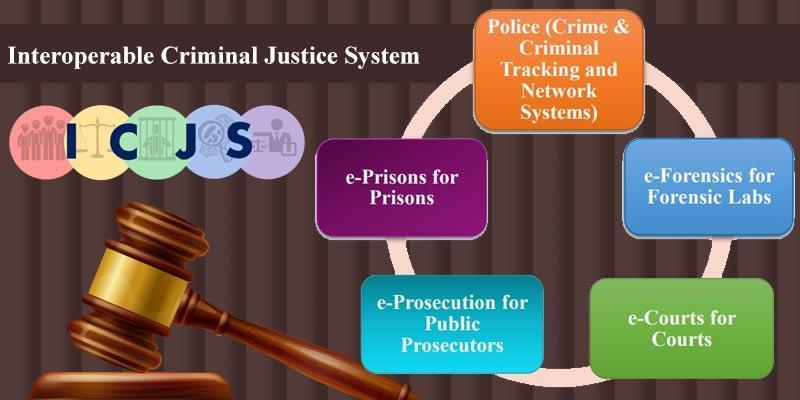
Amit Shah’s announcement regarding the launch of various digital police tools, including the Abhigyan app, demonstrates a commitment to modernizing the criminal justice system through innovative technology. The introduction of these tools aims to streamline the processes of identification, investigation, prosecution, and forensic analysis, contributing to a cohesive Integrated Criminal Justice System (ICJS). By adopting such technologies, law enforcement agencies can enhance their operational efficiency and effectiveness in combating crime.
Moreover, the push for smart policing applications like e-prosecution 2.0 and e-forensics 2.0 underscores the government’s proactive stance on leveraging technology to facilitate a more responsive legal system. These applications are not just about improving operational protocols; they are about transforming how justice is administered in India. The blend of technology and law enforcement will not only aid in swift justice delivery but will also promote transparency and accountability in the policing process.
The Role of Integrated Criminal Justice System in Modern Policing
The Integrated Criminal Justice System (ICJS) serves as a cornerstone for the future of law enforcement in India, as highlighted by Amit Shah’s recent technological announcement. With tools like the Abhigyan app within this framework, police forces are now equipped to perform their duties with an unprecedented level of efficiency. The ICJS facilitates an interoperable ecosystem that connects various law enforcement agencies, leading to a holistic approach in criminal justice.
As the nature of crime continues to evolve, so too must the strategies to combat it. The ICJS empowers law enforcement with cutting-edge digital solutions, such as criminal identification apps and real-time analytics, which are vital for modern-day policing. This coherent integration not only aids in faster case resolution but also enhances the overall safety and security of the community, building public trust in the justice system.
Criminal Identification Apps Revolutionizing Law Enforcement
Criminal identification apps represent a revolutionary shift in how law enforcement agencies handle investigations. With the launch of the Abhigyan app, officers are now capable of accessing comprehensive databases like NAFIS directly from their mobile devices. This advancement transforms traditional policing methods into a digital approach, allowing for rapid identification and improved response times during critical situations.
Furthermore, the use of these digital police tools enhances collaboration between different units and departments within the law enforcement framework. The seamless exchange of information facilitated by apps such as Abhigyan infuses agility into criminal investigations, leading to better case management and reduced bureaucratic delays. This innovation not only accelerates the identification process but also directly contributes to public safety and crime prevention.
Enhancing Prosecution Management with e-Prosecution 2.0
The launch of e-prosecution 2.0 is another key component of Amit Shah’s initiative to utilize technology in the criminal justice sector. This application aims to streamline the prosecution process from police to court, minimizing delays and paperwork that often bog down justice delivery. By digitizing prosecution management, law enforcement officials can ensure that critical evidence and case details are readily available, fostering a more organized approach to justice.
Integrating e-prosecution 2.0 within the ICJS supports a unified platform where information flows easily between investigative agencies and judicial bodies. This digital transformation is pivotal in addressing the challenges faced by the legal system, ultimately leading to greater case efficiency and efficacy in legal proceedings. This streamlined approach not only benefits law enforcement but also enhances the experience of witnesses and victims by reducing the time span of legal processes.
The Future of Forensic Investigation with e-Forensics 2.0
Amit Shah’s introduction of e-forensics 2.0 heralds a new era for forensic investigations, integrating cutting-edge technology, and scientific analyses with traditional investigative methods. This application is designed to manage and streamline forensic data collection and analysis, enabling police officers to efficiently handle evidence from crime scenes. By embracing e-forensics, law enforcement can rely on advanced techniques and tools that not only verify evidence but also enhance the accuracy and credibility of investigations.
The implementation of e-forensics 2.0 emphasizes the importance of modern techniques in forensic science to support criminal investigations decisively. This application plays a crucial role in connecting the dots between various elements of crime, ensuring comprehensive data handling, and providing timely access to forensic reports. By aligning e-forensics with the broader objectives of ICJS, law enforcement agencies can bolster their investigative capabilities significantly, ultimately paving the way for more effective crime resolution.
Smart Policing Applications: A Necessity in Today’s Scenario
In today’s digital age, the necessity for smart policing applications is paramount. The recent launch of various apps, including the Abhigyan app, reflects the urgent need for law enforcement to adapt to modern technological advances. These tools empower police forces to operate more effectively, with the capability to access vital criminal records, fingerprint databases, and other resources from anywhere, thus enhancing their operational readiness.
Moreover, these smart policing applications are designed to promote transparency within the justice system. By utilizing technology for criminal identification and management, law enforcement agencies can provide accountability and facilitate smoother processes. The strategic integration of these tools equips police personnel with the resources needed to combat crime more effectively while fostering a safer environment for the public.
Boosting Law Enforcement Efficiency with Digital Tools
The launch of digital tools such as the Abhigyan, e-prosecution 2.0, and e-forensics 2.0 is a significant step towards boosting efficiency within law enforcement agencies. Amit Shah’s clear vision for integrating technology with policing ensures that officers can operate in a more streamlined and responsive manner. These applications empower personnel to perform their duties effectively while reducing the burden of administrative tasks that often delay the resolution of cases.
By embracing these digital innovations, police departments are not just enhancing their capabilities; they are also adapting to the realities of modern-day crime, which increasingly involves sophisticated technology. The use of digital tools fosters a proactive approach to crime prevention and management, marking a new beginning for law enforcement agencies across the nation as they navigate through new challenges.
The Broader Implications of Technology in Criminal Justice
The broader implications of technology in criminal justice extend beyond just enhancing police operations. The recent announcements, particularly the launch of the Abhigyan app and other related digital tools, signal a transformative wave not only in investigative practices but in the public’s perception and trust in law enforcement. By leveraging technology, agencies can provide more accurate and swift responses, which inherently strengthens community relationships.
Moreover, the integration of these technologies into the justice system is likely to pave the way for more comprehensive criminal policies and strategies. As law enforcement embraces digital solutions, it opens avenues for advanced training and development for officers, ensuring they are well-equipped to navigate the digital landscape of modern policing. This forward-thinking approach has the potential to significantly decrease crime rates while promoting a sense of security within communities.
Frequently Asked Questions
What is the Abhigyan app and how does it enhance smart policing applications?
The Abhigyan app, announced by Union Home Minister Amit Shah, is a cutting-edge digital police tool that allows field police personnel to access the National Automated Fingerprint Identification System (NAFIS) directly from their smartphones. This app enhances smart policing applications by enabling real-time fingerprint-based identification, which is critical for rapid suspect identification. With a database containing over 13 million fingerprints, the Abhigyan app facilitates streamlined investigations as part of the Integrated Criminal Justice System (ICJS), thus significantly expediting criminal procedures.
| Feature | Details |
|---|---|
| Application Name | Abhigyan, CrPI, e-prosecution 2.0, e-forensics 2.0 |
| Aim | Integrate policing, criminal identification, forensic investigation, and prosecution management |
| Launch Date | Announced on Friday by Union Home Minister Amit Shah |
| Key Feature of Abhigyan | Access to the national fingerprint database (NAFIS) with 13 million fingerprints |
| Usage | Allows police to identify suspects from smartphones in real-time |
| Security | Two-step authentication for enhanced security |
| Current Status of CrPI | 2,190 units distributed; over 553,000 enrollments completed |
Summary
The Abhigyan app serves as a significant advancement in police work, enhancing the ability of officers to engage with criminal identification in a streamlined manner. With features like real-time access to a massive fingerprint database and secured through innovative authentication methods, it empowers law enforcement to operate efficiently and effectively. In the broader context of the Integrated Criminal Justice System, the Abhigyan app exemplifies the fusion of modern technology within traditional policing, ultimately leading to quicker investigations and prosecutions. The initiative underscores a commitment to leveraging technology for public safety.



























