

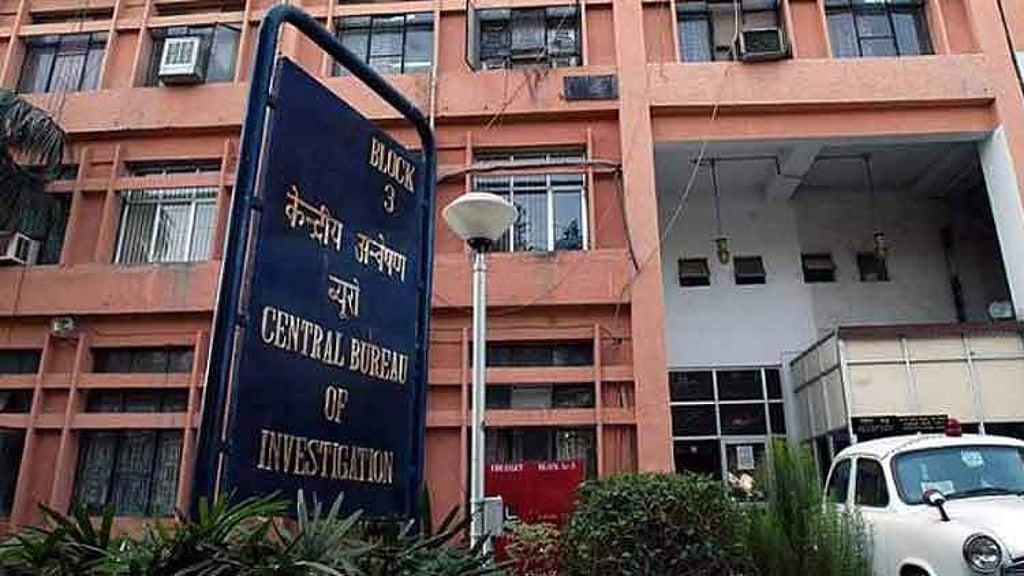
In a stunning development in corporate accountability, the CBI arrests former CEOs of RCFL and RHFL, marking a significant stride in the fight against financial malfeasance. This action comes as part of an extensive investigation into a staggering Rs 7,623 crore bank fraud that has rattled the foundations of several public sector banks. As the CBI investigation unfolds, it sheds light on the intricacies of corporate fraud cases that have become increasingly complex in recent years. The implications of such bank fraud news resonate deeply within the financial sector, raising questions about regulatory oversights. With the judiciary now stepping in, many are left wondering just how far-reaching these fraud allegations will be and what repercussions they might bring for corporate governance in India.
The recent apprehension of high-profile executives by the CBI has ignited discussions on corporate ethics and regulatory compliance. With significant accusations of financial misconduct tied to institutions such as RCFL and RHFL, the implications of these arrests extend far beyond mere headlines. Investigative bodies are now delving into the depths of banking misuse, emphasizing the need for heightened vigilance in corporate operations. This situation underscores the growing urgency for reforms in corporate governance as financial institutions face scrutiny over their practices. As these cases continue to develop, stakeholders and industry watchers are alert to the outcomes of these pivotal investigations.
CBI Arrests Former CEOs in Major Bank Fraud Case
The recent news about the CBI arrests from the Reliance group has sent shockwaves throughout the financial industry and raised alarm bells over corporate governance in India. The arrests of the former CEOs of Reliance Commercial Finance Limited (RCFL) and Reliance Home Finance Limited (RHFL) highlight serious allegations of bank fraud totaling Rs 7,623 crore. This case is particularly significant as it involves key players in the financial sector and brings to light the ongoing issues of corporate fraud that have plagued public sector banks for years.
As investigations into the RCFL and RHFL fraud continue, the implications for corporate governance and regulatory oversight are profound. This incident adds to a growing list of corporate fraud cases that have drawn the attention of authorities in recent years. The CBI investigations are expected to uncover deeper connections and potentially determine the involvement of other individuals or entities. Stakeholders are now closely monitoring how this case unfolds, as it could set a precedent for handling similar bank fraud news in the future.
Understanding the Financial Impact of the RCFL and RHFL Fraud
The financial repercussions of the alleged fraud orchestrated by the former CEOs of RCFL and RHFL are substantial, affecting not just the involved banks but also the overall trust in the financial system. With Rs 7,623 crore at stake, this incident serves as a reminder of the vulnerabilities present in corporate finance, particularly regarding how loans and credits are managed. Public sector banks, which are already under scrutiny for their financial management, will likely face increased pressure to enhance their fraud detection mechanisms.
Moreover, the implications of this bank fraud case extend beyond immediate financial losses. There is a tangible risk of erosion of investor confidence, as well as potential impacts on market perception concerning similar organizations. The ongoing CBI investigation is crucial in determining accountability and establishing a framework for stricter regulations, which might prevent such corporate fraud cases in the future. Keeping close tabs on how the investigation evolves will be vital for stakeholders concerned about the repercussions within the banking sector.
The Role of CBI Investigation in Corporate Fraud Prevention
The CBI investigation into the RCFL and RHFL fraud cases underscores the agency’s crucial role in tackling corruption and ensuring accountability within corporate structures. With increasing incidences of corporate fraud, it becomes imperative for regulatory bodies to prioritize investigations that safeguard public interest and maintain the integrity of financial systems. As the CBI probes deeper into the workings of RCFL and RHFL, it sets a standard for how corporate entities should be held responsible for their actions, deterring potential fraudsters.
This investigation is not just a response to a singular case but reflects a broader initiative to combat corporate fraud in India. The regulatory framework for financial institutions is evolving, and with it, the expectations from corporations regarding transparency and ethical business conduct. As the outcomes of this investigation unfold, it is essential for companies to reassess their internal controls and risk management practices to align with regulatory expectations. The CBI’s efforts could lead to significant reforms intended to bolster trust in the country’s banking and financial sectors.
Implications of the Reliance Companies’ Fraud on Corporate Governance
The arrests of the former CEOs of RHFL and RCFL illuminate the pressing need for stringent corporate governance practices within major firms. High-profile corporate fraud cases like this act as wake-up calls for businesses to strengthen compliance, risk management, and oversight mechanisms. Many stakeholders are speculating if the current corporate governance structures are adequate to prevent such large-scale frauds from occurring again, especially among firms with vast financial reach.
Furthermore, these events have instigated discussions on the importance of board accountability and ethical leadership in mitigating the risk of fraud. As the CBI continues to investigate the underlying issues, corporate entities may be compelled to adopt best practices in governance that not only comply with legal requirements but also proactively strive to cultivate a corporate culture that deters unethical behavior. This case may serve as a catalyst for change, prompting a reassessment of governance policies across the sector to better protect stakeholders.
Recent Trends in Corporate Fraud and CBI’s Crackdown
The corporate fraud landscape in India has become increasingly complex, with incidents like the RCFL and RHFL cases highlighting the need for robust legal actions by enforcement agencies like the CBI. In recent years, there has been a marked uptick in bank fraud incidents, necessitating specialized investigations to address these crimes effectively. The CBI’s swift response not only signals a commitment to tackling such issues head-on but also reflects an emerging trend where corporate fraud cases are met with a heightened level of scrutiny from the authorities.
These trends suggest a shift in how corporate governance is perceived and enforced within India’s financial ecosystems. The involvement of the CBI in high-profile cases may lead to increased vigilance among regulators and heightened awareness among business leaders regarding the consequences of financial misconduct. As such, this crackdown may prompt organizations to implement more rigorous compliance systems, ultimately cultivating an environment that prioritizes ethical operations and deters future fraud.
Public Response to CBI Arrests and Corporate Accountability
The public reaction to the CBI arrests of the former CEOs of RCFL and RHFL has been one of mixed emotions, with a predominant call for accountability in light of substantial fraud allegations. Many individuals view the CBI’s actions as necessary steps towards restoring faith in corporate governance and punishing wrongdoers. This incident has fueled discussions around the responsibilities corporate leaders hold and the moral imperative to uphold ethical standards in business practices.
As the details of the case unfold, public opinion could exert pressure on regulatory agencies to ensure transparency and justice throughout the investigation process. Citizens expect that significant funds, such as the Rs 7,623 crore involved, should be recovered for the benefit of the economy. This scenario reflects a broader demand for corporate accountability, aiming to discourage fraudulent actions and promote responsible financial management among other organizations in the sector.
Legal Ramifications of the CBI Investigation on Corporate Fraud
The legal implications of the CBI’s ongoing investigation into the RCFL and RHFL fraud cases could reshape the landscape of corporate responsibility in India. With comprehensive inquiries prompted by the alleged Rs 7,623 crore fraud, corporate leaders may need to prepare for potential legal consequences that could arise, ranging from criminal charges against individuals to heavier penalties for the corporations involved. The situation emphasizes how critical legal frameworks are to deter misconduct and maintain fair dealings in the financial sector.
As the investigation progresses, legal experts will surely be analyzing and debating the ramifications of the CBI’s findings. It is crucial for companies to be aware of their legal obligations concerning fraud prevention, as non-compliance can result not only in fines but also reputational damage and loss of stakeholder trust. This scenario serves as a stark reminder of the importance of not only adhering to regulations but actively fostering an ethical corporate culture that prioritizes legal compliance.
The Future of Corporate Fraud Investigations in India
The recent CBI arrests signify a pivotal moment for corporate fraud investigations in India, propelling the issue into the limelight and prompting a reassessment of how corporate fraud is managed at a structural level. As law enforcement agencies intensify their scrutiny of financial crimes, the expectation is that corporations will face greater accountability, leading to enhanced regulatory measures aimed at preventing future fraud incidents. Such developments may establish a new norm where corporations are held to higher standards of transparency.
Looking ahead, this increasing trend of rigorous CBI investigations could create a ripple effect throughout the corporate world, encouraging entities to adopt proactive measures to deter fraud. Companies may invest in advanced technologies and systems to monitor financial transactions, ensuring compliance with regulations. Ultimately, this CBI initiative can potentially lead to a more robust corporate landscape where integrity and ethical behavior are not just encouraged but mandated by stringent oversight.
Reinforcing Trust in India’s Financial System Post-Fraud Cases
In light of the recent bank fraud cases, including the significant financial malfeasance involving RCFL and RHFL, the need to reinforce trust in India’s financial system is more urgent than ever. The CBI’s actions stand as a commitment to addressing corruption and fraud in banking, aiming to restore public confidence. For stakeholders, understanding how these investigations unfold will be a crucial factor in evaluating the health and reliability of the financial system moving forward.
Restoring this trust will require collaboration between regulatory bodies, financial institutions, and the corporate sector. As the CBI continues to investigate and rectify the consequences of these corporate frauds, stakeholders must come together to enforce strict compliance measures and promote ethical practices. The outcome of these efforts will ultimately influence investor sentiment and the general public’s willingness to engage with the banking system, defining the future trajectory of corporate governance and financial stability.
Frequently Asked Questions
What are the implications of the CBI arrests of former CEOs of RCFL and RHFL in relation to bank fraud news?
The CBI arrests of the former CEOs of Reliance Commercial Finance Limited (RCFL) and Reliance Home Finance Limited (RHFL) signify a significant move in tackling corporate fraud cases in India. With allegations of a massive Rs 7,623 crore fraud against several public sector banks, these arrests highlight the seriousness of CBI investigations into financial misconduct and may prompt other institutions to reassess their compliance controls related to financial fraud.
| Incident | Details |
|---|---|
| CBI Arrests | Former CEOs of RCFL and RHFL arrested. |
| Fraud Amount | Alleged fraud of Rs 7,623 crore. |
| Case Nature | Related to public sector banks. |
| Date of Arrest | June 22, 2026. |
Summary
CBI arrests former CEOs marks a significant step in the ongoing investigation into the massive Rs 7,623 crore bank fraud involving public sector banks. The recent actions taken by the Central Bureau of Investigation underline a rigorous approach to tackling financial misconduct within the corporate sector, highlighting the critical need for accountability among the banking and financial entities. This unprecedented case not only brings to light the activities of high-level executives but also emphasizes the importance of vigilance and integrity in financial operations to protect public trust.



























