

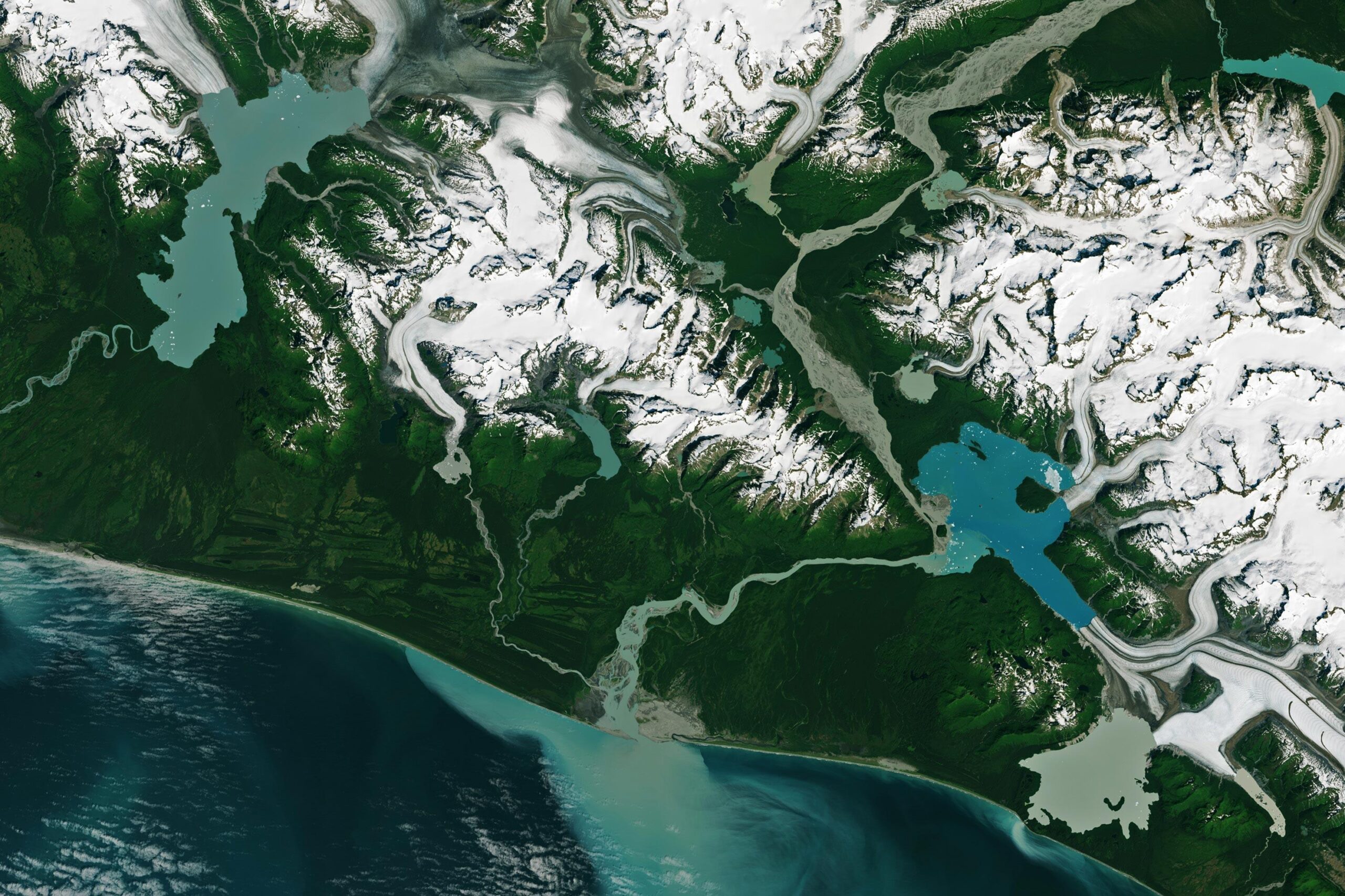
Glacial lake expansion is becoming a pressing concern as researchers reveal startling new evidence of its impact, particularly in the Himalayas. A recent satellite-based study focused on five glacial lakes in Arunachal Pradesh’s Tawang district, showing that four of these lakes have significantly grown in size over the past decade. This alarming trend is closely tied to the broader climate change impact on glaciers, raising fears about the potential for glacial hazards like glacial lake outburst floods (GLOFs) in India. These growing lakes not only alter the landscape but may also contribute to the risks of catastrophic flooding, underscoring the urgent need for satellite monitoring glacial lakes in this region. Understanding the dynamics of Himalayan lakes is crucial for disaster preparedness and ensuring the safety of communities living in vulnerable areas.
The phenomenon of glacial lake proliferation, particularly within the context of the Himalayan region, highlights a shift in the natural landscape driven by climatic factors. Recent assessments have illustrated that many lakes, formed by melting glaciers, are expanding at an alarming rate, resulting in heightened concerns regarding glacial hazards. In light of events such as the tragic GLOFs in India, it’s clear that understanding these changes is essential for disaster risk management. Satellite technology plays a pivotal role in observing these dramatic alterations, providing invaluable data that can help mitigate potential consequences. Moreover, addressing the climate change impact on glaciers through research and timely intervention is vital for safeguarding both the environment and local populations.
Glacial Lake Expansion: A Growing Concern
In recent years, the expansion of glacial lakes in the eastern Himalayas has garnered significant attention, particularly in the Tawang district of Arunachal Pradesh. The satellite-based assessment conducted by Suhora Technologies reveals that four out of five glacial lakes studied have experienced notable growth over the last decade, with Sanhapo Lake showing a rapid increase in area. This situation raises alarms about the potential glacial hazards these lakes pose, especially the risk of glacial lake outburst floods (GLOFs), a phenomenon that can lead to devastating consequences for communities downstream.
The findings from Tawang resonate with the wider implications of climate change on glacial systems across the Himalayas. As glaciers retreat and meltwater accumulates in lakes, the stability of these water bodies comes into question. While the mere expansion of these lakes does not guarantee an imminent flood, it underscores the need for meticulous monitoring and risk assessment to prepare for potential disasters. Observations from satellite monitoring not only enhance our understanding of current conditions but also enable predictions of future glacial behaviors.
Understanding Glacial Hazards: Insights from Satellite Monitoring
The use of advanced satellite imagery like that from ICEYE and PlanetScope has revolutionized the monitoring of glacial lakes, providing critical data on their expansion and the associated risks they carry. This approach allows researchers to gather information from remote, hard-to-reach areas, which is essential in understanding the dynamics of glacial hazards. With more than 900 glacial lakes currently under surveillance, the importance of ongoing satellite monitoring cannot be overstated; it serves as an early-warning system for potential GLOFs and other glacial hazards.
Authorities like the National Disaster Management Authority (NDMA) are taking steps to mitigate risk by identifying high-risk glacial lakes and implementing monitoring frameworks that include automated weather stations and early-warning systems. The effectiveness of these initiatives hinges on our ability to translate satellite observations into actionable strategies for flood risk reduction and community safety. Continuous satellite monitoring not only highlights the immediate dangers but also supports long-term planning necessary to protect vulnerable populations living in proximity to these bodies of water.
Climate Change Impact on Glaciers: A Catalyst for GLOFs
The interrelationship between climate change and glacial behavior is becoming increasingly evident as observed in the expansion of glacial lakes in regions like Arunachal Pradesh. As temperatures rise, glaciers retreat, leading to the formation of new lakes and the expansion of existing ones. This accelerated melting process not only contributes to glacial lake growth but also raises concerns over the stability of these lakes, particularly those trapped by moraine dams. Understanding how climate change impacts glaciers is essential for anticipating and managing the risks associated with GLOFs.
Recent disasters, such as the October 2023 event in Sikkim, serve as stark reminders of the consequences that can follow when glacial lakes become unstable due to climate change effects. Such flooding events highlight the urgent need for comprehensive assessments and monitoring plans tailored to the unique challenges posed by each glacial lake. By studying the evolution of these lakes alongside climate trends, researchers can develop robust strategies for risk mitigation, offering better protection for local communities and infrastructure.
Himalayan Lakes Under Threat: The Role of Continuous Monitoring
The continuous monitoring of Himalayan lakes is becoming critical as the effects of climate change intensify in the region. With glacial lakes categorized into various risk levels, authorities are tasked with assessing their stability and potential for GLOFs. Satellite monitoring allows for the tracking of changes in lake sizes and behaviors, enabling timely interventions where necessary. For instance, the identification of Sanhapo Lake as a key candidate for further study demonstrates the proactive approach being adopted to anticipate hazards associated with glacial lake expansion.
Implementing systems for detailed hazard assessments and automated monitoring is not only about risk mitigation but also involves educating and preparing mountain communities. By establishing effective communication channels regarding the risks posed by expanding glacial lakes, residents can better prepare for potential emergencies. Continuous observation and proactive assessments fortify regional resilience against disasters, fostering a comprehensive approach to managing the delicate balance between glacial ecosystems and human safety.
The Science Behind GLOFs: Exploring the Mechanisms of Lake Expansion
Understanding the mechanisms that lead to glacial lake outburst floods (GLOFs) is crucial for developing effective risk mitigation strategies. As glaciers retreat due to warming temperatures, meltwater accumulates, filling lakes that are often dammed by moraine debris. If these natural barriers fail, the rapid release of water can flood valley regions, leading to catastrophic impacts. Thus, analyzing the structural integrity of these moraine dams becomes essential in assessing flood risks associated with expanding glacial lakes.
Moreover, the dynamics surrounding glacial lake expansion can include complex interactions from various geological factors. For example, landslides, rockfalls, and avalanche debris can not only change the shape and volume of lakes but also influence the speed at which water is released. This complexity emphasizes the necessity for thorough geological and hydrological studies accompanied by satellite observations to better understand and manage the risks posed by glacial lakes in hazard-prone areas.
Local Impacts of Glacial Lake Expansion on Communities
The expansion of glacial lakes in regions such as Arunachal Pradesh directly affects local communities, both in terms of potential flood risks and its implications on water resources. As lakes continue to grow, communities situated downstream face an elevated danger of GLOFs, which can lead to loss of life and property. Understanding these local impacts is essential for implementing effective disaster preparedness strategies that can safeguard vulnerable populations.
Furthermore, these expanding lakes can influence local ecosystems and livelihoods, particularly in agriculture and fisheries. The changing hydrology due to glacial lake expansion can alter water availability and quality, critical factors for community resilience. By integrating local knowledge with satellite monitoring data, authorities can develop interventions that consider both disaster risk reduction and sustainable resource management, ensuring that communities adapt effectively to the evolving landscape shaped by climate change.
Technological Advances in Monitoring Glacial Lakes
Recent advancements in satellite technology have significantly improved our ability to monitor glacial lakes and assess the hazards they pose. High-resolution imagery from platforms like PlanetScope and ICEYE provides invaluable data, allowing researchers to quantify the expansion of glacial lakes accurately. This precision in monitoring, combined with GIS technology, facilitates detailed analyses of risk factors and potential impacts associated with GLOFs.
Moreover, these technological advancements are complemented by the integration of artificial intelligence and machine learning, which enhance the predictive capabilities of monitoring systems. By processing vast amounts of data, such technologies can identify patterns of lake expansion and other variables that suggest increased flood risks. Implementing these technologies effectively can lead to improved risk management frameworks, ultimately contributing to the safety of communities living near rapidly changing glacial landscapes.
Emergency Response Strategies for Glacial Lake Outburst Floods
As the risks posed by glacial lake outburst floods (GLOFs) become increasingly prominent, developing comprehensive emergency response strategies is critical. Effective response plans necessitate collaboration between governmental agencies, researchers, and local communities to establish clear communication and decision-making protocols during emergencies. By harnessing data from satellite observations alongside established hazard assessment frameworks, stakeholders can swiftly mobilize resources to protect lives and property in the wake of a GLOF event.
Training local first responders and building community awareness around GLOF risks are also vital components of an effective emergency strategy. Ensuring that communities are familiar with early warning signals and evacuation routes can significantly mitigate the impact of a potential flood event. Through regular drills and educational programs, residents can become better prepared to act swiftly in response to alerts, enhancing the resilience of communities at risk from expanding glacial lakes.
Future Research Directions in Glacial Lake Monitoring
To effectively address the challenges posed by expanding glacial lakes and associated GLOFs, future research must focus on integrated approaches that consider climatic, geological, and hydrological factors influencing lake behaviors. Longitudinal studies that monitor changes in glacial lake sizes over time, combined with investigations into factors such as sedimentation and moraine stability, are essential for understanding the broader dynamics at play in these fragile ecosystems.
Additionally, increasing public-private partnerships in research efforts can enhance resource allocation and innovation in monitoring techniques. As satellite imagery becomes increasingly accessible, collaborations aimed at leveraging this technology for better understanding and mitigating risks associated with GLOFs can make significant strides. Fostering interdisciplinary research that encompasses climatology, geology, and social sciences will be crucial to develop comprehensive strategies for adaptive management of glacial lake hazards in the Himalayas.
Frequently Asked Questions
What is the significance of glacial lake expansion in the context of climate change and GLOFs in India?
Glacial lake expansion, particularly in areas like the Himalayas, is a significant indicator of climate change impacts on glaciers. The observed growth of these lakes, especially in regions like Arunachal Pradesh, raises concerns over glacial lake outburst floods (GLOFs). As glaciers retreat due to rising temperatures, meltwater can accumulate in these lakes, increasing the potential for hazardous outburst events that can threaten downstream communities.
How are satellite monitoring techniques used to assess glacial lakes and their expansion?
Satellite monitoring involves using imagery from various satellites, such as ICEYE and PlanetScope, to track changes in glacial lakes over time. This technology allows researchers to compare lake extents and monitor changes in their areas, providing essential data on glacial lake expansion and associated risks, particularly in remote regions where ground access is challenging.
What factors contribute to the risks associated with expanding glacial lakes in the Himalayas?
The risks associated with expanding glacial lakes are multifaceted, including the stability of moraine dams, which can fail due to increased water volumes. Additionally, the potential for landslides, avalanches, or icefalls falling into these lakes can further exacerbate risks, leading to catastrophic GLOFs. Therefore, understanding the underlying factors behind a lake’s expansion is crucial for accurate risk assessment.
What measures are being taken in India to mitigate the risks posed by high-risk glacial lakes identified through satellite monitoring?
In response to increasing risks from GLOFs, the National Disaster Management Authority (NDMA) has launched the National Glacial Lake Outburst Floods Risk Mitigation Programme. This initiative includes comprehensive hazard assessments, installation of monitoring systems to track weather and water levels, and the establishment of early-warning networks. The program aims to monitor identified high-risk lakes and implement strategies to reduce potential flood risks.
Why has there been increased focus on Himalayan glacial hazards recently?
The recent focus on Himalayan glacial hazards has intensified due to events such as the October 2023 disaster in Sikkim, where a glacial lake outburst caused severe flooding and destruction. These incidents underscore the necessity for ongoing assessment and monitoring of glacial lakes to better understand their behavior and manage the associated risks in vulnerable mountain communities.
How does the expansion of lakes like Sanhapo Lake indicate changes in glacial dynamics?
The significant expansion of lakes like Sanhapo Lake, with its area increasing from 78.07 hectares in 2019 to 88.81 hectares by mid-2026, highlights changes in glacial dynamics due to climate change. Such growth reflects a broader trend of glacial retreat and increased meltwater storage, which can contribute to hazards like GLOFs. Continuous monitoring is essential to assess the long-term implications of these changes.
What role does expert analysis play in understanding the threats posed by expanding glacial lakes?
Expert analysis, as provided by glaciologists and researchers, plays a crucial role in understanding the complex dynamics of expanding glacial lakes. While satellite data indicates growth, experts emphasize the need for comprehensive evaluations to gauge the stability and potential risks associated with these lakes. Understanding the causal factors behind expansion helps in formulating effective risk mitigation strategies.
| Key Points |
|---|
| Satellite analysis of 5 glacial lakes in Tawang, Arunachal Pradesh, found that 4 lakes have expanded over the last decade. |
| Sanhapo Lake showed the most significant growth, from 78.07 hectares in 2019 to 88.81 hectares in June 2026. |
| Two lakes designated as ‘very high-risk’ by NDMA expanded by about 1 hectare each, while one ‘high-risk’ lake also grew gradually. |
| The analysis emphasizes the importance of continuous monitoring rather than assuming lake expansion indicates immediate flood threats. |
| The findings have drawn attention to glacial hazards in light of the recent Sikkim disaster that highlighted the risks associated with GLOFs. |
| NDMA has initiated a National Glacial Lake Outburst Floods Risk Mitigation Programme involving monitoring and risk assessment of high-risk lakes. |
Summary
Glacial lake expansion is a pressing concern as evidenced by the recent analysis conducted on glacial lakes in Arunachal Pradesh. The findings show significant changes in lake sizes, indicating potential risks for glacial lake outburst floods (GLOFs) in the region. Continuous monitoring and assessments are essential to understand the complexities surrounding these expanding lakes, especially in light of recent disasters and the need for effective risk mitigation strategies. As such, authorities must prioritize both scientific research and practical measures to address these emerging threats to ensure safety for communities and infrastructure vulnerable to glacial lake hazards.



























