

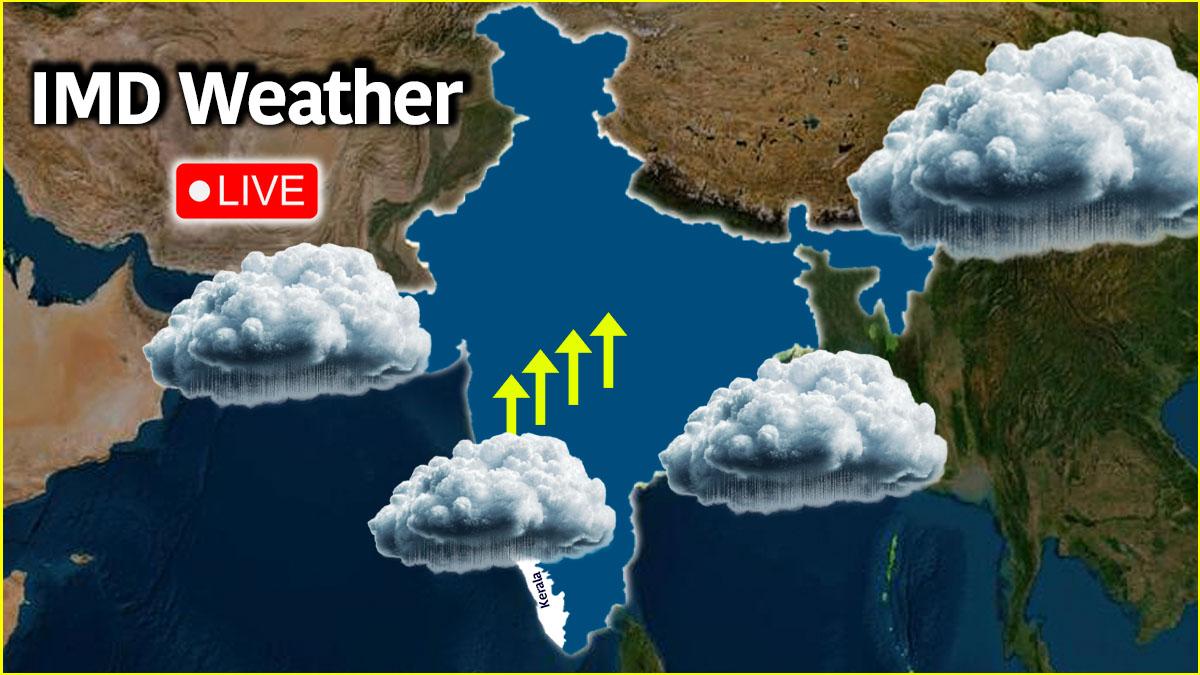
Moderate thunderstorms are on the horizon in Kerala, with the Indian Meteorological Department (IMD) issuing a crucial weather alert for the region. In the coming hours, areas such as Ernakulam and Pathanamthitta can expect moderate rainfall ranging from 5 to 15 mm/hr, accompanied by gusty winds clocking in at 40 to 50 km/h. The thunderstorm forecast for Kerala suggests a significant change in weather patterns, which could include lightning and high winds. Residents are advised to stay updated on the IMD weather update for further rainfall predictions and safety guidelines provided by the State Disaster Management Authority (SDMA). As the storm approaches, awareness of the potential for severe weather is essential for ensuring safety and preparedness in the affected areas.
As we anticipate inclement weather, the possibility of moderate thunderstorms sets off a chain of caution and preparedness in the beautiful state of Kerala. Known for its lush landscapes and serene backwaters, the region is now facing the potential impact of sudden weather changes, including lightning strikes and strong breezes. The current weather conditions suggest that heavy showers may disrupt the serene atmosphere typical of this coastal paradise. With predictions from meteorological experts hinting at high winds and localized downpours, it’s vital for residents and travelers alike to heed the kerala weather alert updates. Staying informed through reliable channels like the IMD and SDMA ensures that everyone can navigate through these thunderstorms effectively.
Understanding the Thunderstorm Alert in Kerala
As the Indian Meteorological Department (IMD) has issued a weather alert for a Moderate Thunderstorm in Kerala, it is essential for residents and travelers in the affected areas to stay informed. The alert, effective as of 01:00 PM on June 18, 2026, warns of the potential for localized thunderstorm activity accompanied by moderate rainfall ranging from 5 to 15 mm per hour. Areas such as Ernakulam and Pathanamthitta districts are particularly highlighted, where conditions can rapidly change, leading to sharp increases in rainfall and wind speeds.
In addition to moderate rainfall, the forecast predicts gusty winds reaching speeds of 40-50 km/h. This could lead to difficulties in outdoor activities and may pose a risk to those driving in the area. Due to the unpredictable nature of thunderstorms, residents are encouraged to adhere to the SDMA guidelines to ensure their safety and preparedness. Understanding the impact of a thunderstorm forecast is crucial for mitigating risks associated with severe weather in Kerala.
Precautions During Thunderstorms in Kerala
In light of the Moderate Thunderstorm alert for parts of Kerala, it is important to take precautions to safeguard personal safety and property. Residents should secure any loose objects outdoors to prevent wind damage and avoid unnecessary travel during the storm’s peak. If indoors, stay away from windows and refrain from using electrical appliances, as lightning can cause power surges.
Keeping a battery-operated radio or mobile devices charged can help you stay updated with the latest IMD weather updates. Monitoring real-time alerts such as Kerala weather alerts can provide crucial information on changing weather conditions, including rainfall predictions and potential warnings for high winds in the vicinity. Awareness and preparedness are vital for navigating the challenges posed by thunderstorms.
Impact of Thunderstorms on Kerala’s Environment
The occurrence of thunderstorms in Kerala can have a varied impact on the environment and ecosystems within the region. While the moderate rainfall associated with these storms can provide much-needed water for agriculture, the accompanying high winds can lead to soil erosion and damage to crops. As farmers prepare for the agricultural season, they must stay informed about thunderstorm forecasts, particularly concerning rainfall predictions and severe weather conditions.
Additionally, thunderstorms can influence local water bodies by increasing their levels, which might benefit aquatic life temporarily but could also lead to flooding in low-lying areas. It is essential for the authorities to monitor these environmental changes closely, especially during high winds in Kerala, to implement timely interventions that protect both agricultural sectors and natural habitats.
Emergency Response to Thunderstorms in Kerala
In light of the impending Moderate Thunderstorm, emergency response measures must be activated, particularly in the districts of Ernakulam and Pathanamthitta. Local authorities should closely coordinate with weather service providers to ensure that updated alerts and information are disseminated to the public. Preparation can include setting up emergency shelters and organizing rescue operations in case flooding or other dangers arise due to high winds and heavy rainfall.
Public awareness campaigns can significantly enhance community resilience against severe weather events. During thunderstorms, residents are encouraged to follow the SDMA guidelines strictly to escape hazardous situations. Emergency preparedness training and regular drills can be valuable in empowering the community to act swiftly during these unexpected events. A well-informed public is better equipped to withstand the impact of thunderstorms.
Long-Term Weather Patterns and Thunderstorms in Kerala
Understanding the long-term weather patterns that lead to thunderstorms in Kerala is vital for effective planning and response. The region’s tropical climate typically sees a monsoon season that brings not only regular rainfall but also the occasional severe thunderstorm. Factors such as climate change can exacerbate these conditions, leading to increased frequency and intensity of storms, which is something residents should take into consideration regarding their individual preparations and household safety plans.
Moreover, monitoring long-term climate data can help the IMD refine forecasts and improve warning systems for thunderstorms. As patterns evolve, insights from these data can lead to better resource management strategies and future-proofing communities against the adverse effects of weather extremes. Continuous study and analysis of thunderstorm patterns can ultimately contribute to enhanced predictive accuracy, ensuring that the population remains informed and safe.
Role of the Indian Meteorological Department in Thunderstorm Monitoring
The Indian Meteorological Department (IMD) plays a vital role in monitoring and forecasting weather conditions, particularly thunderstorms in Kerala. As a responsible authority, the IMD disseminates timely alerts and updates regarding expected weather phenomena, including detailed thunderstorm forecasts that inform citizens on what to expect. This proactive communication allows individuals and communities to prepare adequately, thus minimizing the risks associated with severe weather.
In addition to issuing alerts, the IMD conducts extensive research and utilizes advanced technology to analyze atmospheric conditions that contribute to thunderstorms. The collaboration with local governments and emergency services is essential for implementing effective response strategies when threat levels are high. By leveraging modern meteorological tools and promoting public awareness of thunderstorm-related risks, the IMD reinforces its commitment to safeguarding lives and properties in Kerala.
The Importance of Community Preparedness for Thunderstorms
Community preparedness plays a crucial role in effectively managing the impact of thunderstorms in Kerala. It is essential for local residents to participate in preparedness programs that provide information on how to respond during severe weather events. Engaging in community drills and discussions can enhance collective resilience to thunderstorms, making it easier to execute emergency plans when necessary.
Moreover, fostering communication among community members can facilitate quicker responses during emergencies. Sharing resources and strategies about thunderstorm safety can ensure that everyone, even those in vulnerable situations, are well-informed and equipped to handle the disruptions caused by severe weather. Ultimately, a well-prepared community is key to minimizing the dangers posed by thunderstorms in Kerala.
Aquatic Ecosystems and Rainfall Patterns due to Thunderstorms
The impact of moderate thunderstorms on aquatic ecosystems in Kerala is significant, particularly with regard to rainfall patterns. During thunderstorms, heavy rainfall can lead to increased nutrient flow into rivers and lakes, benefiting aquatic life but also creating temporary imbalances. These changes can alter the ecological dynamics, affecting fish populations and influencing local fishing practices.
However, rapid changes brought on by thunderstorms can also pose a risk of flooding, which may endanger aquatic habitats and disrupt local fisheries. By understanding the relationships between rainfall patterns and aquatic ecosystems, stakeholders can develop sustainable practices to mitigate the adverse effects of fluctuating water conditions. Education and conservation efforts are vital in managing these impacts effectively.
Managing Agricultural Risks from Thunderstorms in Kerala
Agriculture in Kerala heavily depends on predictable weather conditions; hence, the risk posed by thunderstorms cannot be underestimated. The moderate rainfall accompanying thunderstorms can be beneficial during dry periods but can also lead to crop damage if the storms are severe. Farmers need to stay informed about IMD weather updates and thunderstorm forecasts to safeguard their livelihoods.
Moreover, integrating sustainable farming practices can help mitigate risks associated with sudden weather changes. Implementing soil conservation techniques and investing in flood-resistant crop varieties can significantly reduce the potential damage caused by thunderstorms. With the right strategies and awareness, farmers can adjust their practices to withstand the fluctuating conditions in Kerala.
Frequently Asked Questions
What should residents know about the Moderate Thunderstorm in Kerala?
Residents in Kerala should be aware that a Moderate Thunderstorm is predicted with moderate rainfall of 5-15 mm/hr and gusty winds reaching 40-50 km/h in areas like Ernakulam and Pathanamthitta. The Indian Meteorological Department (IMD) has issued this Kerala weather alert, and it is crucial to follow the SDMA guidelines for safety. Stay updated on the thunderstorm forecast Kerala for any changes in conditions.
| Event | Severity | Timestamp | Affected Areas | Expected Rainfall Rate | Wind Speeds | Guidelines | Additional Info |
|---|---|---|---|---|---|---|---|
| Moderate Thunderstorms | Severe Likely | 01:00 PM, 18-06-2026 | Ernakulam and Pathanamthitta Districts | 5-15 mm/hr | 40-50 km/h | Follow SDMA guidelines | [Polygon URL](https://sachet.ndma.gov.in/cap_public_website/FetchPolygonXMLFile?identifier=1781770327587006) |
Summary
Moderate Thunderstorm Kerala is expected to impact several areas in the upcoming hours, particularly targetting Ernakulam and Pathanamthitta districts. With rainfall rates anticipated between 5 to 15 mm/hr and wind gusts reaching 40-50 km/h, residents are urged to take precautionary measures. The Indian Meteorological Department’s alert highlights not just the potential for significant rain but also the risk of lightning. Safety guidelines provided by the State Disaster Management Authority (SDMA) should be strictly adhered to, ensuring public safety during this severe weather event. As the forecast develops, monitoring for updates will be essential.



























